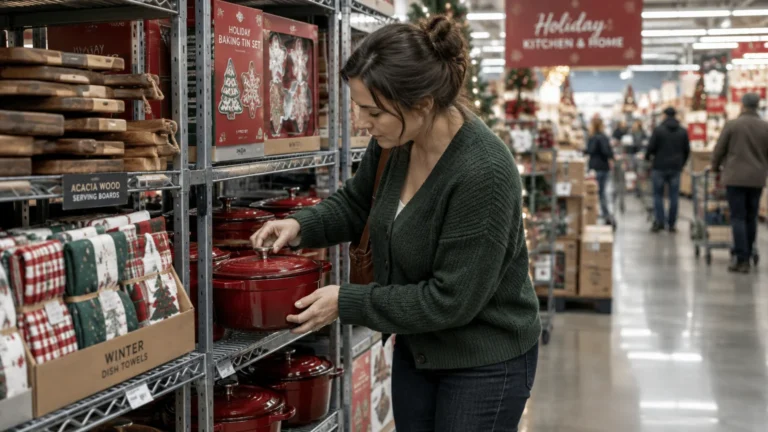
Walking into a discount shop promises easy savings, but your receipt might tell a very different story. Dollar Tree built its reputation on rock-bottom convenience, yet hidden trade-offs can drain your grocery budget faster than you expect.
Between creeping sticker prices and shrinking package sizes, the real cost per ounce often catches shoppers off guard. What feels like an affordable haul frequently turns out to be an expensive grocery habit.
Before you load your cart, you should understand how recent retail shifts impact your household wallet. Six growing operational challenges directly influence what you spend and what you take home.
What You Need to Know
Discount retail shopping requires a critical eye to protect your monthly cash flow. Understanding corporate merchandising patterns helps you separate real grocery bargains from clever pricing traps.
- Base prices on select categories have quietly climbed to $1.50 and $1.75, while higher multi-price tiers reach $10.
- Unit economics reveal that downsized packages often cost significantly more per ounce than standard grocery sizes.
- Federal safety regulators extended a major monitoring settlement through August 2027 due to ongoing store hazards.
- Documented inventory breakdowns led to state legal penalties for leaving recalled items on store shelves.
- Corporate store expansion increasingly targets higher-income suburbs, pulling resources away from budget-reliant rural communities.
Evaluating these retail shifts gives you the leverage to spend intentionally. Examining each problem reveals where your money actually goes when you walk through the sliding doors.
1. Stealth Price Hikes and the Multi-Tier Expansion
Dollar Tree abandoned its strict single-dollar identity years ago when it adopted the $1.25 baseline. Corporate leaders have pushed that envelope much further across thousands of retail locations.
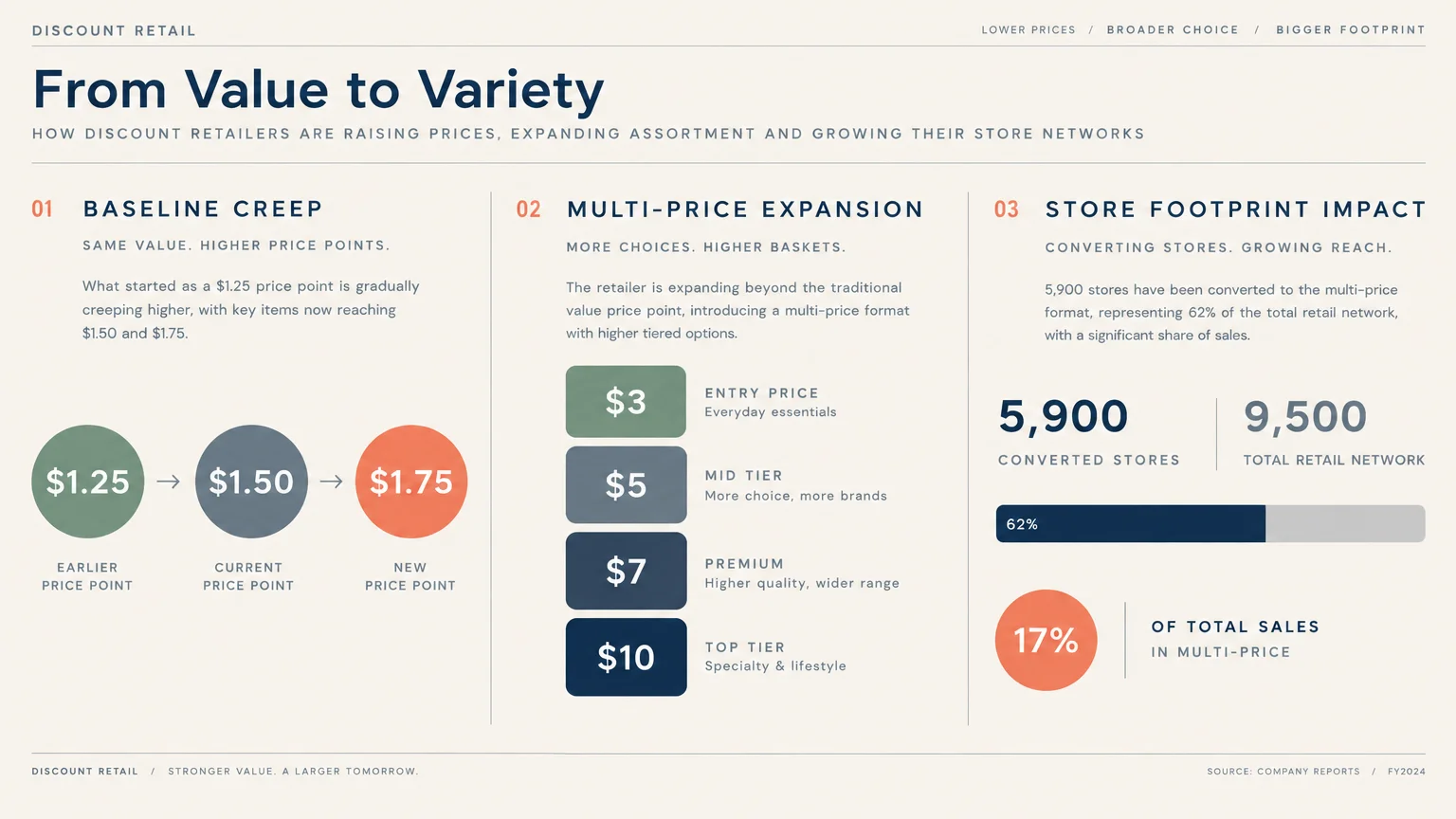
While management maintains $1.25 as an opening price point, base prices on several essential categories climbed to $1.50 and $1.75 in late 2025. These creeping baseline adjustments quietly lift your register total on everyday necessities.
The company also introduced an aggressive multi-price format across its footprint. You can now encounter price tags marked at $3, $5, $7, and even $10 in designated sections.
By the end of the first quarter of 2026, the retailer converted or opened roughly 5,900 in-line multi-price locations. That footprint represents a massive operational shift across its retail network of more than 9,500 stores.
Higher-priced inventory is taking over a larger portion of total store space. During the second quarter of 2026, multi-price products accounted for approximately 17% of total company sales.
This inventory pivot blurs the financial clarity that initially drew working families to dollar stores. When items range from $1.25 to $10, you can no longer tally your basket total by counting items.
You face the same price-tracking fatigue that occurs in standard department stores. The frictionless convenience of fixed-price shopping disappears as varied price tiers take over the sales floor.
If you build your household budget around fixed cash allocations, this pricing creep creates unexpected monthly shortfalls. You can track consumer spending guidelines through the Consumer Financial Protection Bureau to establish structured category boundaries.
Always check the shelf tag before placing any item into your cart. Assuming everything costs a dollar and a quarter is an easy way to overspend by 30% or more.
2. The Unit Price Trap Hiding Behind Small Packages
The biggest threat to your grocery budget at discount chains is the illusion of low unit cost. A low sticker price does not automatically make an item a frugal choice.
Manufacturers package smaller product volumes specifically for discount store distribution networks. This practice lets brands keep the sticker price at $1.25 while drastically cutting volume.
When you purchase a 4-ounce bottle of dish soap for $1.25, you pay roughly 31 cents per fluid ounce. A standard 28-ounce bottle at a regular supermarket might cost $3.50, which equals just 12.5 cents per ounce.
Buying smaller packages repeatedly forces you to repurchase essential items far more frequently. You end up burning extra fuel, spending additional time, and paying inflated rates per unit of volume.
Federal inflation data tracked by the Bureau of Labor Statistics highlights how packaging adjustments alter everyday consumer purchasing power. Downsized packaging masks the true rate of household expense growth.
The math reveals that single-dollar retail chains often operate as convenience stores in disguise. You pay a substantial premium for mini portions rather than capturing genuine volume savings.
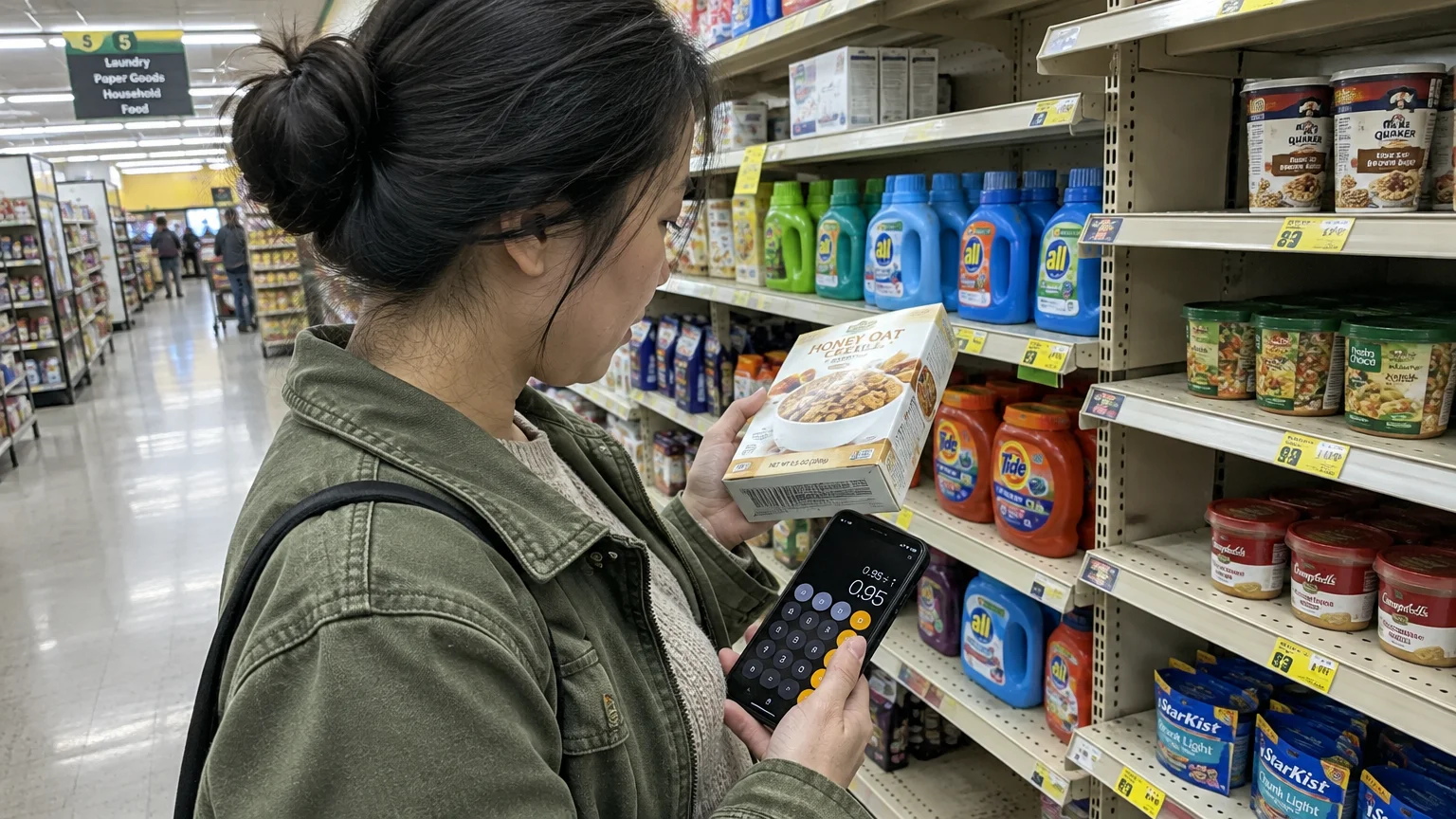
To avoid overpaying, calculate the cost per ounce, per sheet, or per pound before buying. Carrying a basic phone calculator prevents you from falling for deceptive packaging proportions.
Price Comparison: Dollar Tree vs. Standard Supermarket Sizes
Comparing unit costs reveals substantial price gaps on everyday pantry and household items. The figures below illustrate how smaller discount packages frequently carry higher unit prices than standard grocery sizes.
| Household Item | Dollar Tree Package Size | Dollar Tree Unit Price | Supermarket Package Size | Supermarket Unit Price | More Economical Choice |
|---|---|---|---|---|---|
| Concentrated Bleach | 30 fl oz for $1.25 | $0.042 per fl oz | 81 fl oz for $2.98 | $0.037 per fl oz | Standard Supermarket |
| Distilled White Vinegar | 32 fl oz for $1.25 | $0.039 per fl oz | 64 fl oz for $1.89 | $0.030 per fl oz | Standard Supermarket |
| Kitchen Trash Bags | 10 count for $1.25 | $0.125 per bag | 45 count for $4.99 | $0.111 per bag | Standard Supermarket |
| Paper Towels | 1 roll (45 sheets) for $1.25 | $0.028 per sheet | 6 rolls (110 sheets/roll) for $8.49 | $0.013 per sheet | Standard Supermarket |
| Ground Cinnamon | 2.25 oz for $1.25 | $0.556 per oz | 4.25 oz for $1.99 | $0.468 per oz | Standard Supermarket |
| Baking Soda | 14 oz for $1.25 | $0.089 per oz | 16 oz for $0.99 | $0.062 per oz | Standard Supermarket |
The unit price comparison proves that small packages carry higher per-unit overhead costs. The manufacturing, labeling, and bottle production expenses represent a larger percentage of the overall purchase price.
Supermarkets and warehouse clubs distribute packaging costs across larger product volumes. That efficiency passes directly to you as a lower ongoing rate per measurable unit.
Reserve your discount store dollars for items that you genuinely need in micro quantities. For household staples that you consume continuously, buying standard volume sizes protects your budget.
3. Chronic Aisle Clutter and Extended OSHA Violations
Navigating discount store aisles often feels more like walking through a congested warehouse than a retail store. Towering stacks of unworked cardboard freight regularly crowd narrow shopping pathways.
This disorganization is not merely an aesthetic inconvenience for weekend shoppers. It points to deep operational strains that have drawn serious federal regulatory scrutiny.
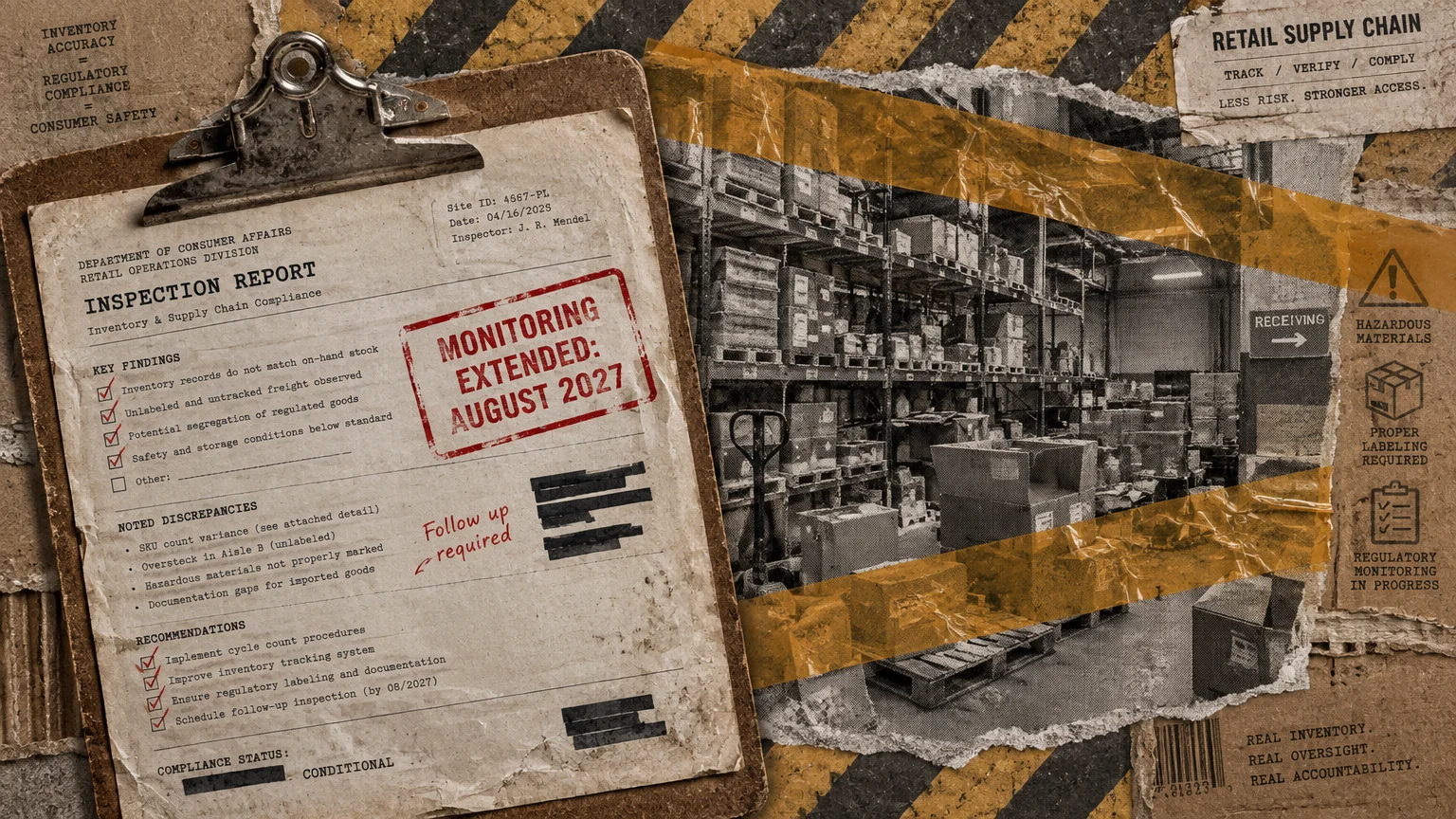
On August 17, 2023, Dollar Tree entered a corporate-wide settlement agreement with the Occupational Safety and Health Administration (OSHA). The agreement included $1.35 million in initial penalties for blocked emergency exits, obstructed electrical panels, and unstable product stacking.
Store conditions remained an ongoing regulatory concern over the following years. In August 2026, Dollar Tree and OSHA agreed to extend this formal safety monitoring settlement for an additional year through August 18, 2027.
Internal corporate leadership has publicly acknowledged these persistent retail maintenance shortcomings. During the company’s Q2 2026 earnings conference in August 2026, management conceded that roughly one-third of its stores remained below internal operating standards.
When one in three retail locations fails internal stocking and cleanliness benchmarks, customer experience deteriorates quickly. Aisle clutter slows down your shopping and increases the likelihood of inventory damage.
These chronic staffing bottlenecks also impact product rotation on physical shelves. Packaged food and personal hygiene goods can sit untouched in stockrooms for weeks past their ideal stocking schedules.
If you encounter blocked aisles or inaccessible fire exits, alert store management immediately. Safe store environments require continuous accountability and adequate frontline labor investment.
4. Recall Enforcement Delays and Safety Oversight Lapses
Inventory management failures create significant risks when defective or contaminated consumer products require immediate shelf removal. Recent enforcement actions highlight serious lapses in recall execution.
In June 2024, the Food and Drug Administration issued a formal warning letter criticizing the chain for recall non-compliance. The action stemmed from recalled WanaBana apple cinnamon fruit puree pouches that contained toxic lead levels.
State regulators subsequently pursued formal legal accountability. In January 2026, New York Attorney General Letitia James announced a $559,250 settlement with Dollar Tree after investigators found recalled pouches remained on shelves months after the initial October 2023 recall.
The legal settlement required the company to pay financial penalties and completely overhaul its internal recall protocols. When corporate communication breaks down, hazardous consumer products slip through the cracks.
Non-food merchandise categories have experienced severe product safety challenges as well. Faulty manufacturing standards can turn bargain goods into real household hazards.
On October 1, 2026, the U.S. Consumer Product Safety Commission and Dollar Tree recalled roughly 360,500 electric balloon pumps (Model 406198). The units were sold in stores and online for approximately $17 between August 2025 and July 2026.
The CPSC issued the emergency recall after receiving reports of internal flames and an explosion caused by severe motor overheating. You can review safety warnings and defect notices directly through Federal Trade Commission Consumer Advice.
Always verify consumer recall databases when purchasing discount electronic appliances, children’s toys, or food items. Checking brand names and batch numbers protects your family from overlooked shelf hazards.
5. Shifting Store Locations Toward Wealthier Demographics
Dollar store chains built their commercial dominance by serving rural communities and lower-income neighborhoods neglected by major grocery chains. Corporate real estate development has visibly redirected its focus.
A February 2026 Bloomberg analysis revealed that 49% of Dollar Tree’s new store openings over the previous six years occurred in higher-income metropolitan neighborhoods. That reflects a marked jump from 41% in the prior six-year period.
Corporate planners are deliberately targeting middle-class and suburban shoppers looking for quick party supplies or discounted snacks. This demographic pivot allows the retailer to introduce higher multi-price assortments more successfully.
Meanwhile, the company continues closing stores in lower-performing areas. Dollar Tree plans to close approximately 75 locations during fiscal year 2026, following 72 closures in 2025 and 71 in 2024.
This corporate portfolio refinement follows the company’s full divestiture of Family Dollar. Dollar Tree completed the sale of Family Dollar in July 2025 to private equity firms for approximately $1 billion after acquiring it for $8.5 billion a decade earlier.
When retail chains pivot toward wealthier suburban corridors, rural and low-income neighborhoods lose convenient foot-traffic access. Shoppers who rely on discount retail for essential goods face fewer local choices.
If your neighborhood store closes, evaluate alternative retail options before absorbing higher travel costs. Coordinating grocery trips with nearby neighbors can help offset increased transportation spending.
6. Psychological Price Anchoring and Frictionless Overspending
The biggest psychological trick at any discount store takes place inside your own mind. Low individual item prices create a false sense of financial safety that encourages undisciplined spending.
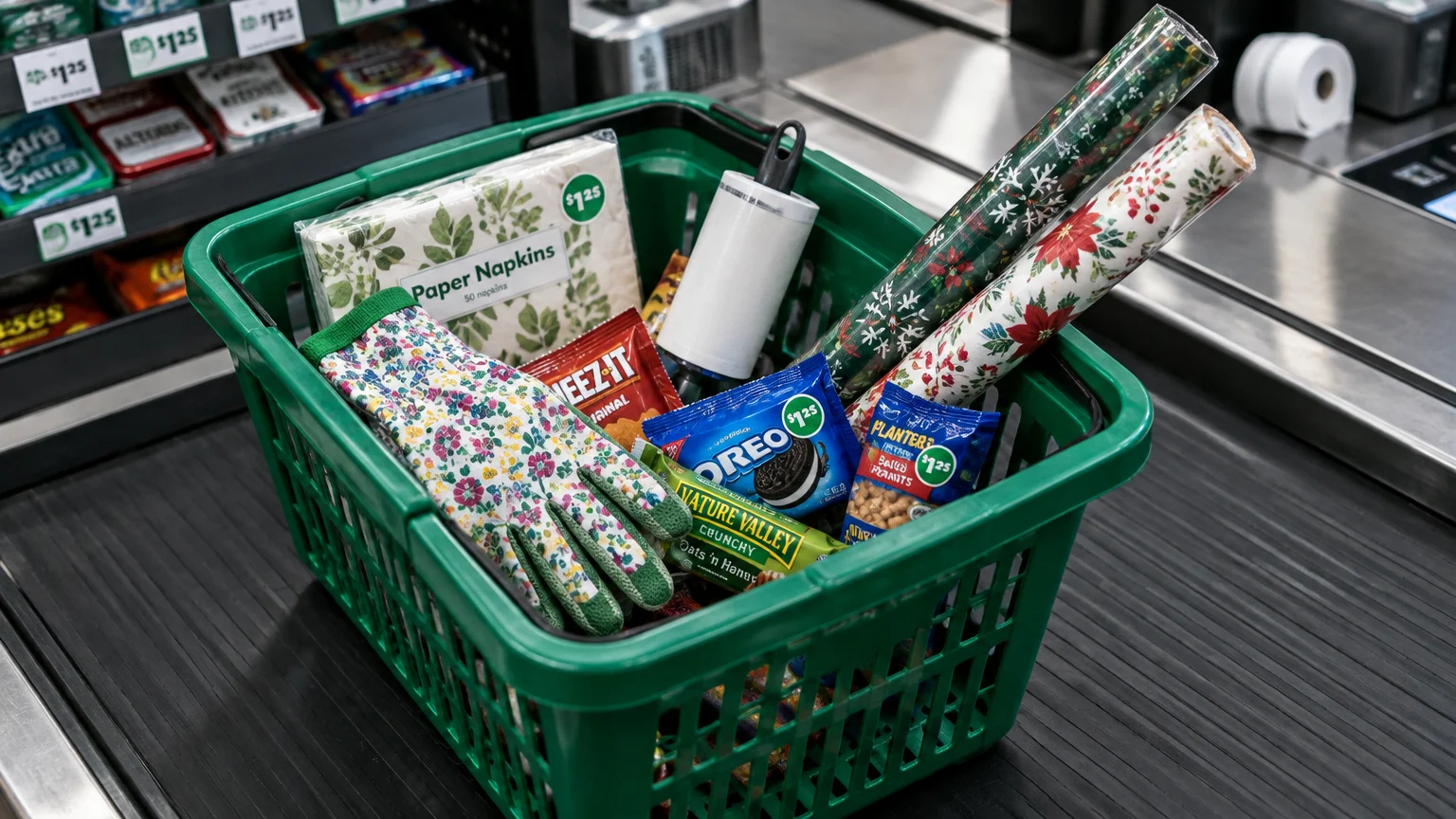
When every item costs only $1.25 or $3.00, your internal spending resistance drops dramatically. You tend to toss non-essential decorations, novelty candy, and seasonal knick-knacks into your cart without evaluating their actual utility.
Marketers describe this behavior as frictionless purchasing. Spending small denominations triggers far less psychological hesitation than purchasing a single $40 item at a department store.
“A budget is telling your money where to go instead of wondering where it went.” — John C. Maxwell
Filling a cart with twenty unplanned impulse items adds $25 to $40 to your grocery receipt every trip. Making two undisciplined discount runs per week siphons more than $2,500 away from your annual savings.
Most of these impulsive purchases end up discarded within a few weeks. Flimsy storage containers break, low-grade tools bend under pressure, and novelty seasonal crafts clutter home closets.
Recognizing how discount floor plans engineer impulse spending is essential for budget discipline. When you enter a discount store without a list, the merchandising layout dictates your purchases.
You can neutralize this psychological effect by establishing a strict cash-only rule for discount shopping trips. Leaving your payment cards in your wallet stops mindless basket-stuffing instantly.
Common Money Traps at Dollar Stores
Even seasoned budget shoppers can fall into predictable retail spending traps. Recognizing these product pitfalls protects your monthly cash flow from quiet waste.
- Single-Use Electronics: Charging cables, earbuds, and wall adapters priced under $5 often fail within days. Investing in certified cables from reputable electronics retailers saves you replacement costs.
- Mini Spices and Seasonings: Small 1-ounce containers carry exorbitant per-ounce prices compared to standard grocery bulk spices. Buying larger quantities from ethnic grocers or standard supermarkets yields better value.
- Thin Paper Goods: Single-ply bath tissue and lightweight paper towels tear easily, forcing you to use three times as much product. The effective cost per use ends up higher than standard brands.
- Low-Grade Cleaning Fluids: Severely diluted floor cleaners and bleach alternatives contain significantly higher water ratios. You must use greater chemical volumes to achieve basic sanitization results.
- Fragile Hand Tools: Bargain screwdrivers, utility knives, and pliers often use unhardened metals that strip or snap under routine strain. Damaged tools also introduce serious physical safety risks during home repairs.
Avoiding these five product traps keeps low-quality merchandise from eating into your weekly cash flow. Focus your spending power exclusively on verified utility items.
Actionable Strategies for Smarter Household Savings
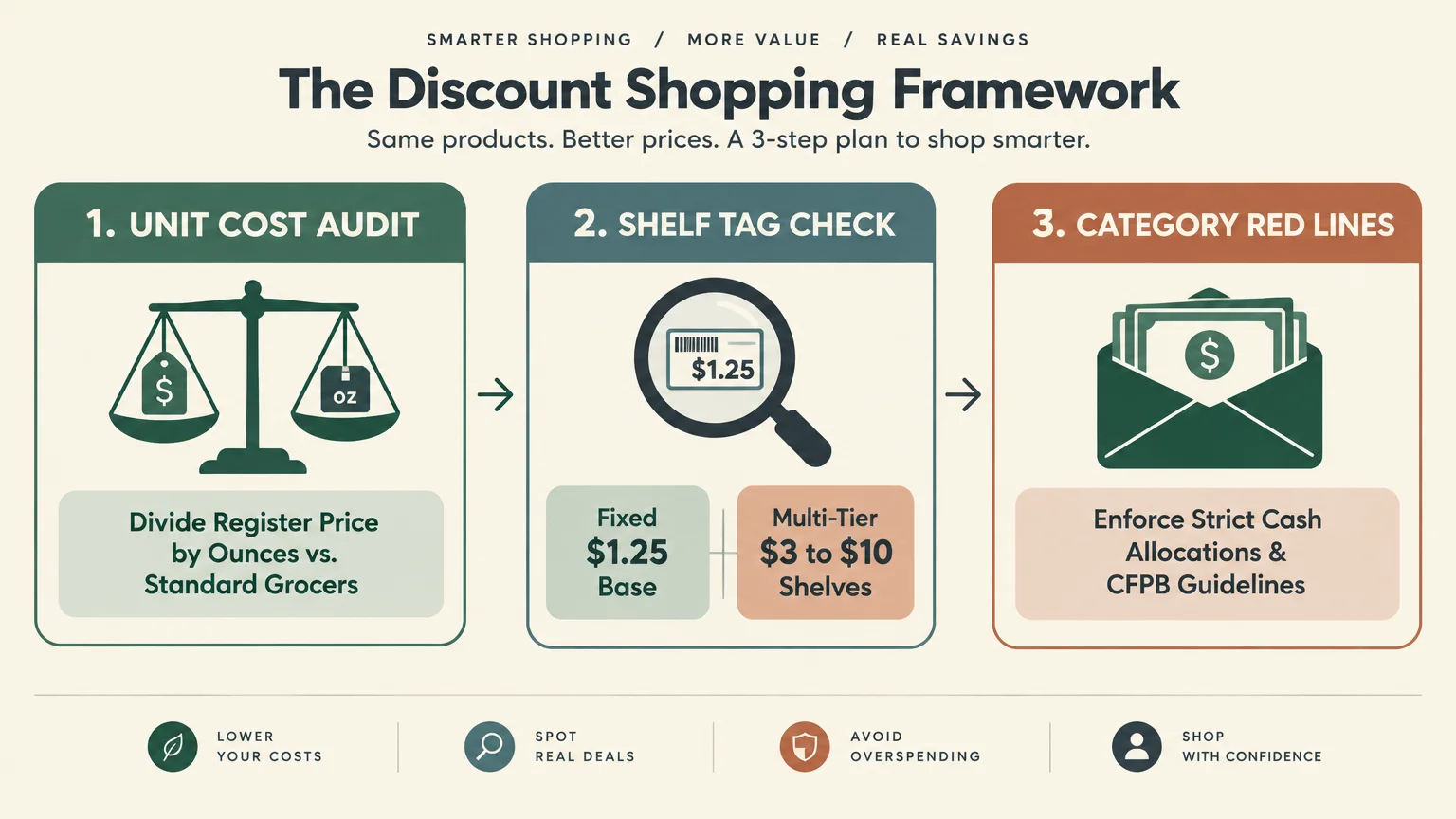
You do not need to avoid discount stores entirely to run an efficient household budget. You simply need an intentional shopping framework that extracts genuine value while avoiding low-grade traps.
Begin by identifying the merchandise categories that consistently deliver positive unit economics. Greeting cards, gift bags, seasonal party decorations, and basic glassware provide substantial savings compared to department stores.
Always perform unit math on pantry items before walking toward the register. Dividing the total item cost by ounces or sheet counts reveals the genuine price within seconds.
Never treat a discount chain as your primary destination for comprehensive grocery runs. Pair your discount shopping with regular supermarket visits and wholesale club memberships for bulk pantry goods.
Track your recurring monthly receipts to identify where small discount store purchases aggregate over time. Reallocating those small leaked dollars toward an emergency reserve builds long-term household financial stability.
Frequently Asked Questions
Are Dollar Tree items always cheaper than supermarket alternatives?
No, many Dollar Tree items carry higher unit costs due to downsized packaging. Always divide the package price by the total ounces or counts to verify actual value against standard supermarket sizes.
Why are some Dollar Tree items priced at $3, $5, or $7 now?
Dollar Tree has expanded its in-line multi-price retail format across thousands of stores to offset freight and wholesale inflation. These higher tiers allow the chain to sell larger packages and brand-name goods at varied price points.
How can I check if a discount store product has been recalled?
You can search active consumer recall databases at the Consumer Product Safety Commission and the Food and Drug Administration websites. Checking model numbers and manufacturing dates protects you from hazardous inventory.
What items provide the best genuine value at dollar stores?
Greeting cards, party balloons, gift wrap, storage bins, and simple glassware offer consistent savings. These items serve basic utility functions without the quality risks associated with discounted electronics or downsized packaged foods.
Protecting Your Household Bottom Line
True financial security comes from deliberate spending choices rather than reflexively chasing the lowest visible sticker price. When you recognize corporate retail shifts, you reclaim control over your hard-earned cash flow.
Take time to audit your pantry receipts this week, compare cost-per-ounce metrics, and shop with a predefined list. Transforming your discount store habits into a disciplined system keeps more money working for your household goals.
Information in this article reflects rules and figures current as of the publication date and may change. Always confirm details directly with your bank, the IRS, the Social Security Administration, or other official sources before making decisions.
Last updated: November 2026. Rates, benefit amounts, and tax rules change—always verify current details at official sources.