
Trying to project wealth often drains your bank account before you build real net worth. When you stop funding empty displays of success, you instantly free up thousands of dollars for genuine financial security.
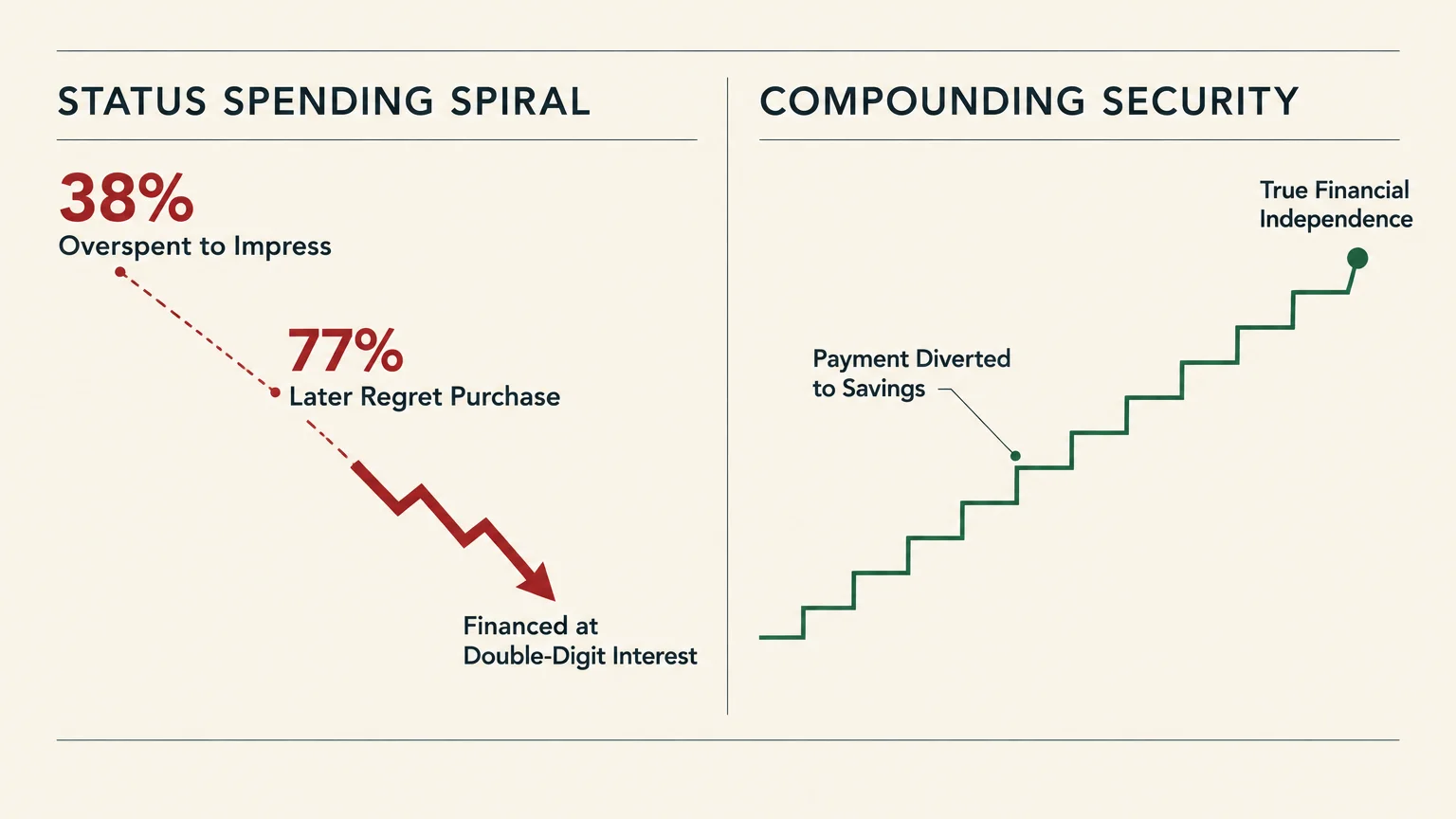
Roughly 38% of American men admit they have overspent just to impress other people. Worse yet, 77% of those buyers later regret the purchase, often while financing that regret at double-digit interest rates.
True wealth stays quiet, compounding behind the scenes while flashy purchases lose value in the driveway. Here are the seven major status symbols men waste money on and what smart spenders choose instead.

1. The Pavement Princess Pickup Truck
Full-size pickup trucks have shifted from utilitarian job-site workhorses into suburban luxury statements. Dealership lots now feature massive trucks equipped with leather interiors, panoramic sunroofs, and executive entertainment systems.
According to Kelley Blue Book, the average transaction price for a full-size pickup hit $67,912 in October 2026. High-end trims like the GMC Sierra 1500 Denali start around $66,100, while heavy-duty luxury editions easily surpass $100,000.
Many owners add six-inch lift kits and oversized all-terrain tires that never touch gravel. These cosmetic modifications ruin fuel economy, accelerate suspension wear, and add thousands of dollars to the purchase balance.
According to Experian automotive data, the average monthly payment for a new vehicle reached $765 in 2026. Borrowers carry an average balance of $43,610 at 6.35% APR for nearly 70 months.
Committing $765 each month to an oversized commuter truck severely limits your investing power. Over a five-year loan term, that payment redirect could fully fund an individual retirement account.
Smart spenders buy vehicles that match their actual daily utility rather than an image of rugged toughness. They choose reliable mid-size trucks or practical utility crossovers and drive them long after paying off the loan.
2. Luxury Wristwatches Marketed as Investments
Watch retailers and social media influencers love to frame luxury mechanical timepieces as alternative financial assets. They convince men that dropping $12,000 on a Swiss chronograph represents sophisticated portfolio diversification.
The pandemic-era secondary watch boom has cooled dramatically. Chrono24 marketplace data shows that Rolex secondary-market share dropped from a 44% peak in 2022 back to 31% in 2026.
Prices for popular luxury models slipped another 0.2% in the third quarter of 2026. Unless you secure allocations for ultra-rare models from elite houses, standard production luxury watches routinely lose purchasing power.
Mechanical watches also demand recurring maintenance costs. Regular factory servicing, gasket replacements, and mechanical overhauls cost between $700 and $1,500 every few years.
Tying up five figures in personal jewelry creates an illiquid asset that pays no dividends. Insurance policies on luxury jewelry add another recurring premium to your annual household budget.
Financially savvy men wear understated, functional timepieces or durable everyday automatics. They keep their capital inside productive, income-generating assets rather than strapping their net worth to their wrists.
3. VIP Nightlife and Performative Bar Tabs
Splurging at nightclubs and upscale lounges represents one of the fastest ways to vaporize disposable income. Buying bottle service means paying a 500% markup on standard commercial vodka just to secure temporary velvet-rope seating.
A 2025 Ally Bank survey revealed that 42% of Americans overspend on social outings several months each year. Men frequently feel unspoken pressure to grab the check or purchase premium rounds to project professional success.
LendingTree research reveals that more than 30% of status spenders no longer speak to the people they spent money trying to impress. Buying expensive rounds for casual acquaintances produces zero lasting social or financial return.
According to research highlighted in The Millionaire Next Door, actual millionaires spend less than $200 per month at dining establishments. Meanwhile, the average American across all income tiers spends $303.25 each month dining out.
Spending hundreds of dollars in a single evening creates an artificial baseline for your social life. Friends who only value your company when you fund lavish outings are not real allies.
Prudent spenders host casual backyard gatherings or meet friends at modest local venues. They focus on authentic personal connection rather than performative hospitality.
“Financial peace isn’t the acquisition of stuff. It’s learning to live on less than you make.”
4. Designer Wardrobes and Loud Logo Apparel
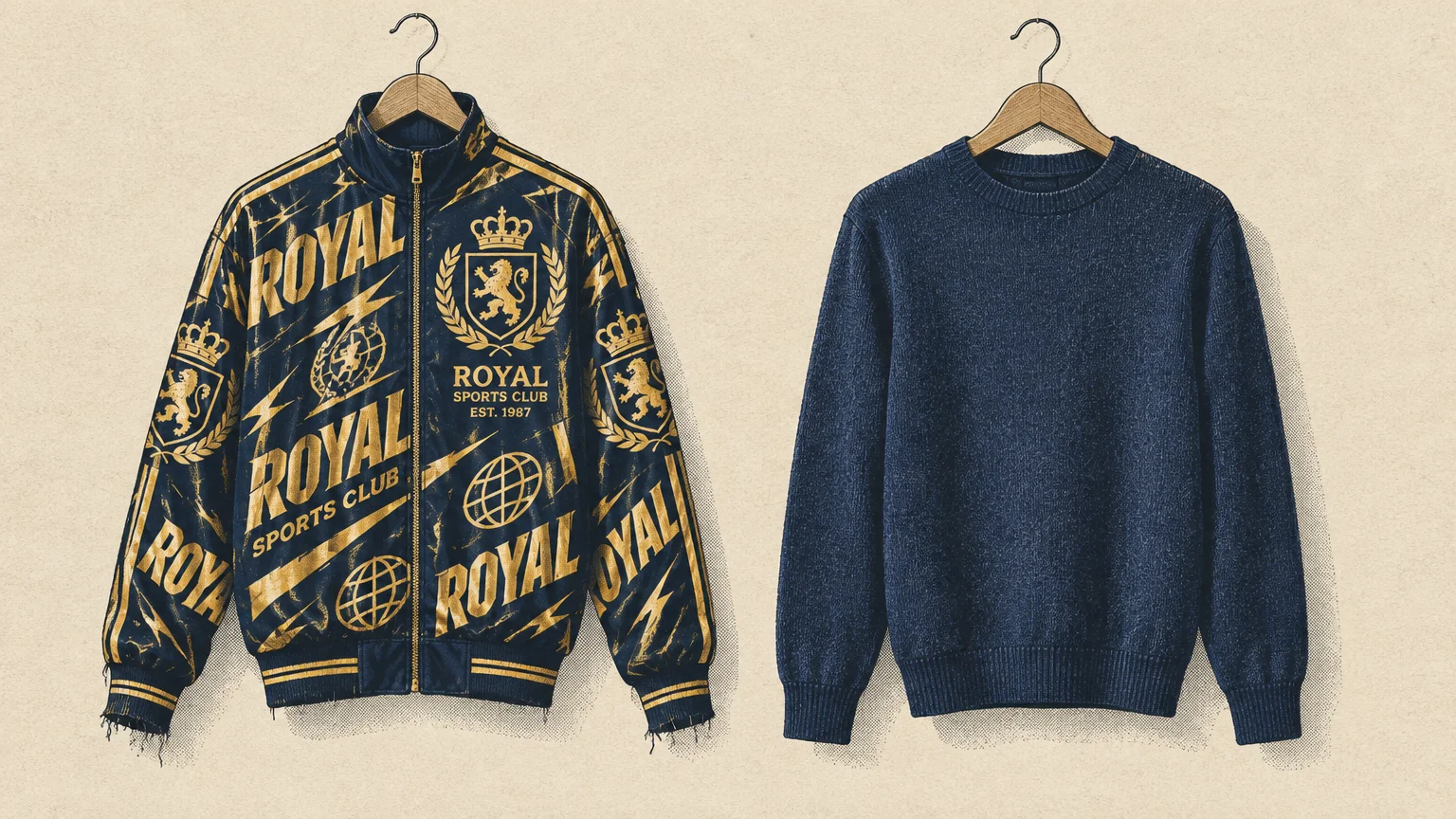
Luxury fashion conglomerates build massive profit margins by printing prominent logos across basic cotton t-shirts and hoodies. Wearing loud branding turns you into a walking corporate billboard that paid for the privilege.
Creative Planning demographic research indicates that the average American millionaire spends only $117 per month on clothing. By comparison, the typical American consumer spends $161 per month refreshing their wardrobe.
Men spending habits frequently derail when chasing seasonal designer drops or limited-edition streetwear sneakers. These garments lose most of their secondary market value the moment you snip the retail tags.
Fast-depreciating fashion purchases often mask professional insecurity. High-earning executives rarely wear giant designer emblems; they favor clean, unbranded garments constructed from quality natural fabrics.
Smart men build functional capsule wardrobes focused on fit, comfort, and timeless versatility. They buy durable clothing that lasts multiple seasons and avoid clothes designed solely to broadcast a price tag.
5. High-End European Luxury Sedans
Nothing advertises middle-management prosperity quite like leasing a brand-new German luxury sedan. Dealership marketing convinces men that driving a luxury badge validates their hard work and career trajectory.
Luxury sedans suffer brutal rates of depreciation during their first few years on the road. Automotive valuation data shows that luxury vehicles lose up to 72.6% of their initial value over five years.
Registration data from Experian Automotive and S&P Global Mobility paints a surprising picture of genuine wealth. Roughly 61% of U.S. households earning over $250,000 do not drive luxury brands.
Wealthy households most commonly register vehicles manufactured by Toyota, Honda, and Ford. They recognize that reliable mass-market vehicles offer modern comfort without exorbitant maintenance overhead.
European luxury models require premium fuel, specialized synthetic lubricants, and expensive proprietary diagnostic parts. A routine brake replacement or electronic sensor repair can easily cost $2,000 at a specialty dealership.
Smart men bypass the perpetual luxury leasing cycle entirely. They buy reliable, late-model commuter cars, pay off the principal balance quickly, and direct their cash toward liquid savings.

6. Top-Tier Tech and Spec Chasing
Consumer electronics companies excel at convincing men that minor hardware refreshes represent mandatory productivity upgrades. Many men replace fully operational smartphones, laptops, and tablets every twelve to eighteen months.
Buying maxed-out computing hardware to browse the internet, draft emails, and stream video wastes capital. The average user never taps more than a fraction of the processing capability found in top-tier consumer devices.
Third-party financing options and carrier installment plans hide the true cost of frequent gadget upgrades. Spreading a $1,400 phone across thirty-six monthly payments makes excessive consumer spending feel harmless.
According to consumer advisories from the Consumer Financial Protection Bureau, recurring installment debt complicates household cash flow and obscures true spending totals. Small monthly commitments accumulate quietly across multiple devices.
Financially disciplined men treat consumer technology as standard utility tools rather than lifestyle accessories. They keep hardware until battery degradation or software support forces an upgrade.
7. Extravagant Group Trips and Bachelor Party Flexes
Modern bachelor parties and guys’ weekends have mutated from simple camping trips into multi-thousand-dollar destination marathons. Men routinely drop $2,500 on luxury short-term rental villas, private boat charters, and high-stakes casino tables.
Much of this impress others spending stems from peer pressure and fear of social exclusion. Men finance extravagant trips on credit cards rather than admit the planned itinerary exceeds their budget.
Funding leisure travel with high-interest debt compounds the financial damage for months after the vacation ends. A four-day weekend can easily linger on your statement for two or three years.
Smart men set clear boundaries around group travel expenses long before booking flights. They propose realistic itineraries that respect everyone’s budget and decline events that require taking on debt.
“Do not save what is left after spending, but spend what is left after saving.” — Warren Buffett
The Real Cost of Looking Rich vs. Getting Rich
Examining the mathematical reality of status symbols reveals the true cost of superficial spending. Every dollar dedicated to a depreciating display item represents lost compound growth in your brokerage accounts.
The table below compares common status purchases against practical alternatives over a standard five-year holding period.
| Status Purchase | Initial Expense | 5-Year Estimated Cost | Smart Alternative | 5-Year Wealth Difference |
|---|---|---|---|---|
| Luxury 4×4 Pickup ($68,000) | $765 monthly payment | $52,000 (payment, fuel, loss) | Reliable Used Crossover ($24,000) | $28,500 preserved |
| Entry Luxury Watch ($10,500) | $10,500 cash / debt | $12,000 (watch, service, ins.) | Quality Automatic Tool Watch ($500) | $14,200 invested return |
| Nightclub VIP Tables ($1,200/mo) | $1,200 monthly bill | $72,000 total outlay | Modest Social Dinners ($250/mo) | $57,000 preserved |
| Designer Logo Apparel ($250/mo) | $250 monthly bill | $15,000 total outlay | Classic Wardrobe Staples ($100/mo) | $9,000 preserved |
| Leased German Sedan ($850/mo) | $850 monthly lease | $51,000 total lease outlay | Paid-Off Mainstream Sedan ($0/mo) | $51,000 preserved |
Choosing practical alternatives across these five lifestyle categories frees up more than $150,000 over five years. Directing that capital into diversified index funds builds permanent freedom rather than temporary admiration.
Errors That Cost Families Thousands
Failing to recognize the long-term impact of performative purchases destabilizes household balance sheets. Many families struggle financially not because they lack income, but because their lifestyle overhead consumes every raise.
- Rolling Negative Auto Equity: Trading in an expensive vehicle before paying off the loan forces buyers to roll unpaid debt into the next vehicle balance.
- Carrying High-Interest Revolving Debt: Financing luxury clothes and entertainment on credit cards triggers punitive interest charges.
- Draining Liquid Reserves for Discretionary Flexes: Spending cash savings on watches or trips leaves your household vulnerable to unexpected medical emergencies or job disruptions.
- Neglecting Retirement Match Programs: Prioritizing short-term lifestyle displays over employer 401(k) contributions sacrifices guaranteed matching funds and compound growth.
- Upgrading Homes for Prestige: Buying a larger home than you need introduces inflated property taxes, higher utility bills, and expensive furnishing requirements.
The Federal Reserve Bank of New York reported that total U.S. credit card debt reached $1.29 trillion in late 2026. TransUnion data shows that the average credit card balance per borrower sits at $6,678.
According to consumer credit reports published by the Federal Reserve, assessed credit card interest rates hover between 22.15% and 22.36%. Paying 22% interest to project an image of financial success destroys household wealth.
Recent expenditure summaries from the Bureau of Labor Statistics show that transportation and discretionary entertainment consume a growing share of household budgets. Eliminating vanity purchases restores necessary slack to your monthly cash flow.
Smart Money Habits Men Use to Build Real Wealth
Smart money habits men cultivate start with distinguishing between genuine assets and lifestyle liabilities. True assets put money into your account every month, while status items extract ongoing capital.
Automate your financial progress before you allocate discretionary spending money each pay period. Setting up automatic transfers to retirement and savings accounts eliminates the temptation to spend surplus cash on impulse buys.
Build an emergency reserve holding three to six months of living expenses in an account covered by the FDIC. Having cash reserves eliminates the anxiety that often drives compensatory status spending.
Shift your personal definition of success from external symbols to balance sheet sovereignty. Freedom from debt and control over your daily schedule provide far more satisfaction than a luxury car badge.
Track your net worth quarterly rather than focusing solely on gross income. Watching your liquid investments grow delivers a deeper, more enduring sense of accomplishment than any retail purchase.

When to Get Expert Help
Unwinding years of lifestyle inflation and consumer debt often requires professional guidance. If your monthly obligations exceed your take-home pay, consult a certified financial counselor.
Work with an accredited non-profit credit counseling agency if you carry high-interest credit card debt. These organizations help establish debt management plans that lower interest rates without taking out new loans.
If you have high earnings but struggle to build net worth, hire a fee-only Certified Financial Planner (CFP). Fee-only planners do not earn commissions on financial products, ensuring their advice remains objective.
Consult a Certified Public Accountant (CPA) to structure your taxes efficiently as your business or investments expand. A good CPA uncovers legal deductions that preserve far more wealth than cutting small personal conveniences.
Frequently Asked Questions
Why do men feel compelled to spend money on status symbols?
Evolutionary psychology and social conditioning drive men to signal competence, resources, and social standing through material possessions. Modern advertising exploits this instinct by linking consumer goods directly to masculinity and career success.
Is it ever reasonable to buy a luxury item?
Yes, buying high-end goods makes sense when you pay cash, have fully funded savings goals, and value the craftsmanship. Trouble arises when you finance luxury items to impress other people or neglect foundational investments.
How do I handle peer pressure to overspend on social outings?
Communicate your boundaries directly without apologizing for managing your money responsibly. Suggest alternative activities like home cookouts or local sports leagues that prioritize camaraderie over costly commercial tabs.
What is the most effective way to curb impulse luxury spending?
Implement a mandatory thirty-day waiting rule for any non-essential purchase over $200. Delaying the transaction cools emotional impulses and clarifies whether you genuinely need the item.
Taking Control of Your Financial Future
Audit your recurring expenses and discretionary transactions over the past ninety days. Identify every purchase driven primarily by how you wanted others to perceive you, and calculate the total cost.
Redirect those dollars toward liquid savings and low-cost index funds starting this week. Choosing financial independence over outward displays is the smartest move you will ever make.
This article is for informational purposes only and does not constitute financial, legal, or tax advice. Rates, benefit amounts, and tax rules change regularly—verify current details with the relevant agency or a licensed professional.
Last updated: November 2026. Rates, benefit amounts, and tax rules change—always verify current details at official sources.