
If you are waiting for grocery bills and rent to return to pre-pandemic levels, economists have sobering news. Overall consumer prices will almost certainly not decline in 2027.
Instead, economic projections point toward disinflation, where prices continue climbing at a more modest, sustainable pace. Learning how this dynamic works is essential for protecting your household budget and purchasing power.
Leading economic models show exactly what to expect from inflation in the coming years. Here is what institutions forecast for the cost of living 2027, why outright deflation is unlikely, and how to adapt.
Why Overall Prices Will Not Fall: Disinflation Explained
Many Americans understandably equate falling inflation with falling prices. When you hear that inflation is cooling down, you might expect store receipts to shrink back to earlier levels.
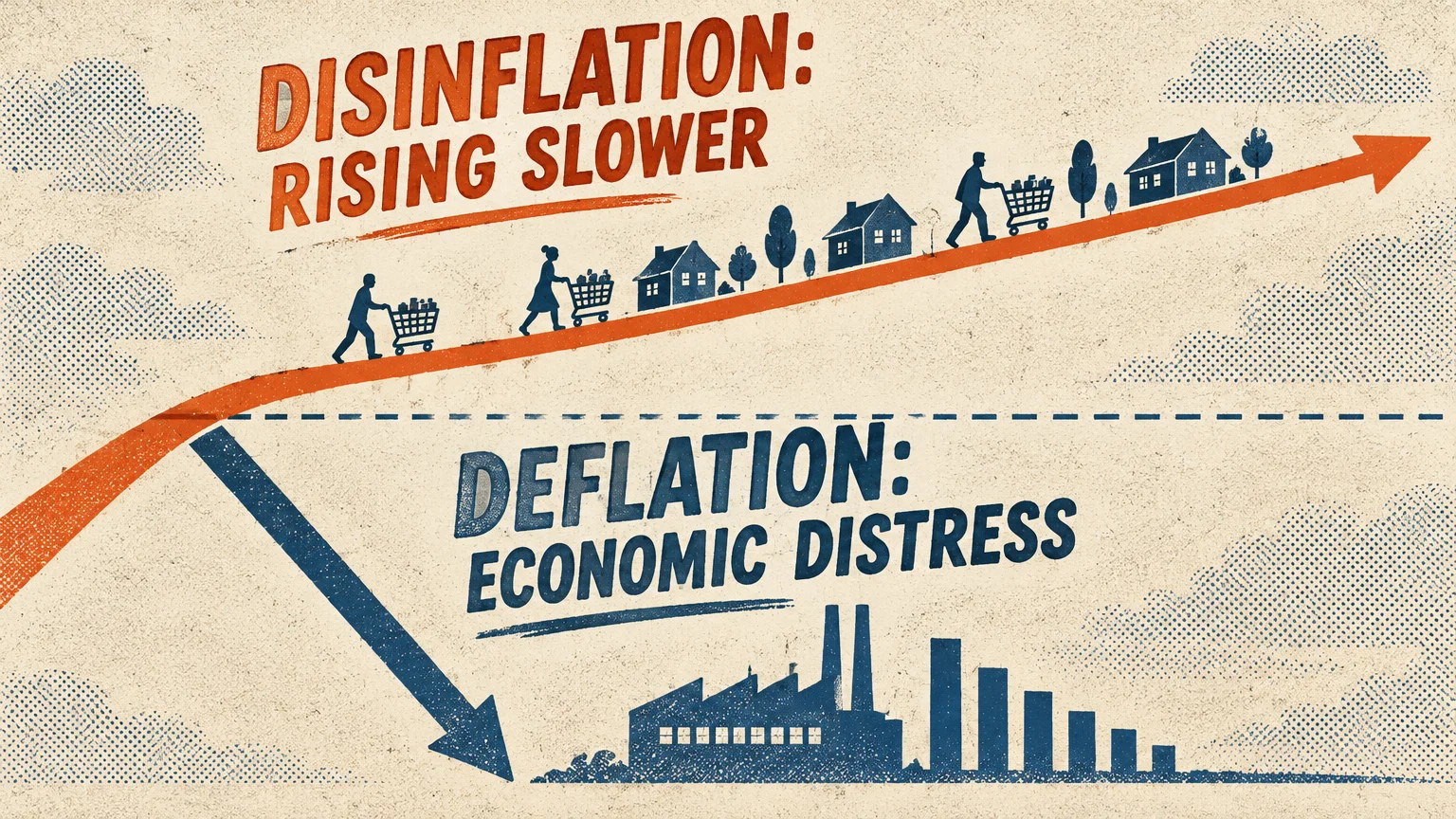
In economics, however, cooling inflation refers to disinflation rather than deflation. Disinflation means prices are still rising, but at a noticeably slower speed than before.
Deflation describes a broad, economy-wide drop in consumer prices. While cheaper goods sound appealing on the surface, widespread deflation typically signals severe financial distress across the nation.
When prices drop across an entire economy, businesses earn less revenue and cut employee wages. Companies freeze hiring or implement layoffs, triggering a downward spiral in consumer spending.
Because deflation often accompanies recessions and high unemployment, central banks deliberately design monetary policy to prevent it. Policymakers target a steady positive inflation rate to keep commerce moving forward predictably.
You should not anticipate a return to 2019 price tags on everyday goods. Instead, your financial strategy must focus on growing your earnings and optimizing your savings to outpace ongoing price increases.
The 2027 Inflation Forecast: What Major Economists Predict
Economic research teams at major institutions regularly publish detailed multi-year projections. Examining these forecasts helps you map out your family budget with realistic numbers.
According to the September 2026 Summary of Economic Projections from the Federal Reserve, policymakers expect inflation pressures to moderate steadily over the next few years.
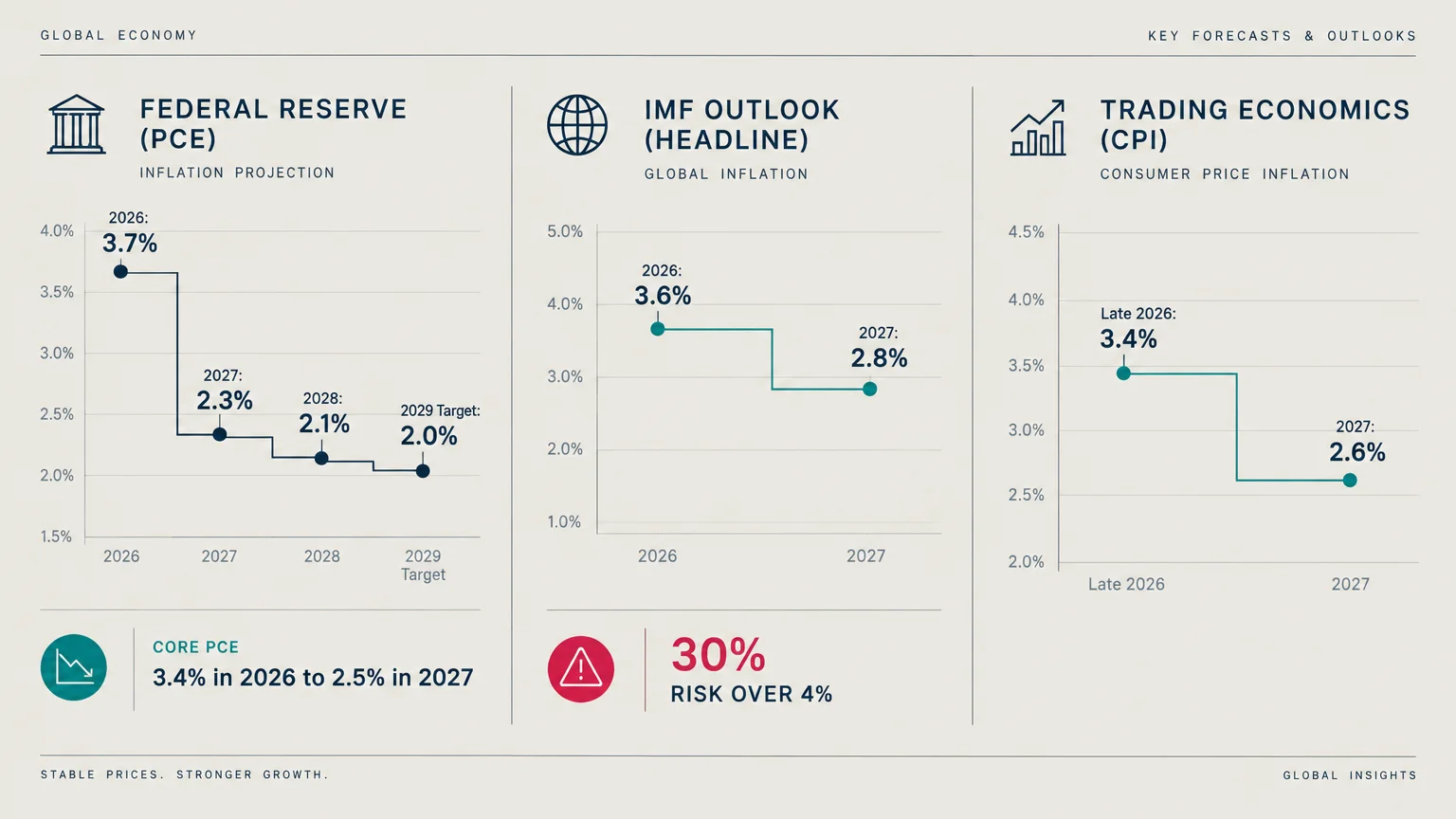
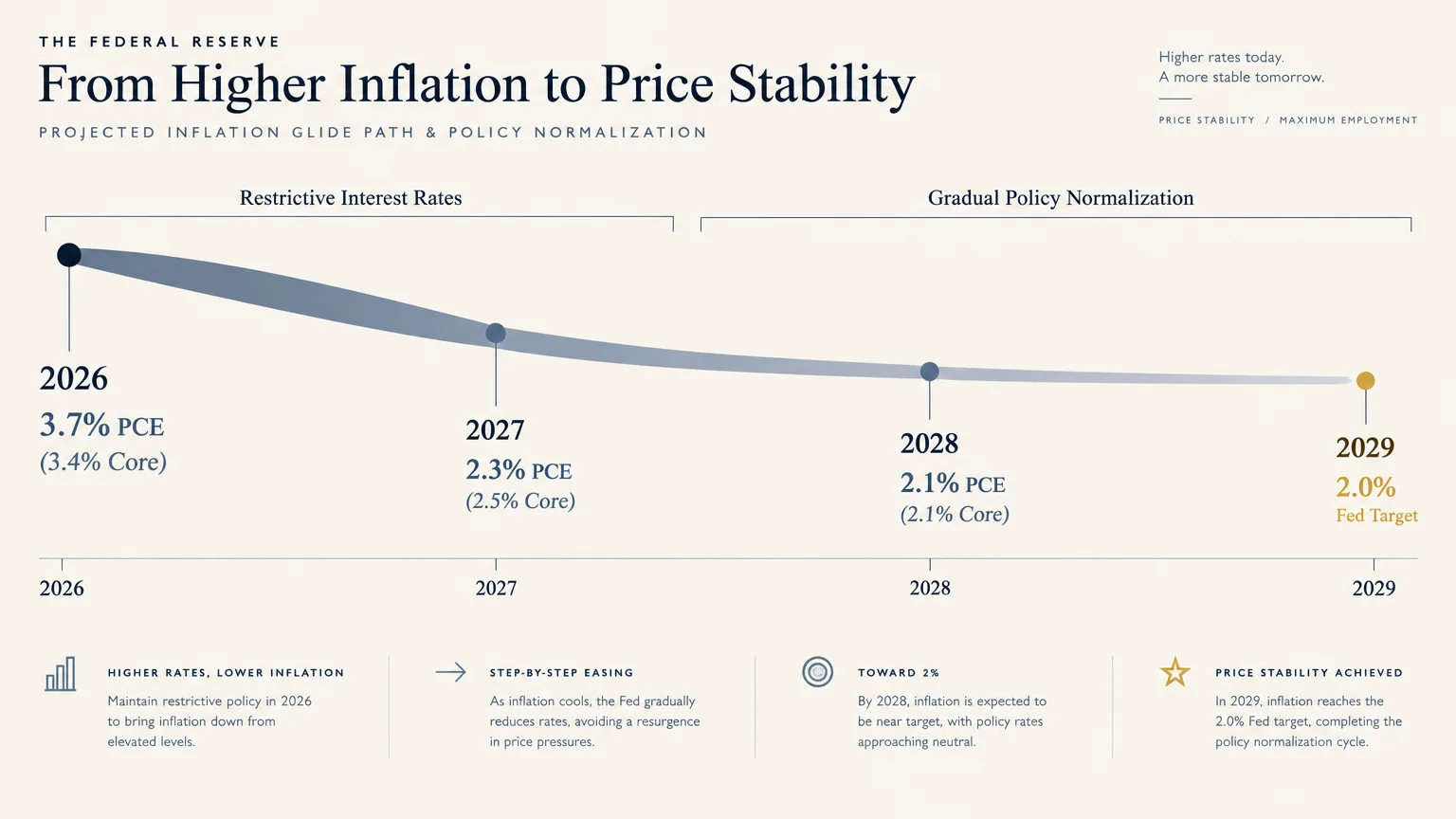
The Federal Reserve projects median headline personal consumption expenditures (PCE) inflation will drop from 3.7% in 2026 to 2.3% in 2027. Fed officials expect PCE inflation to reach 2.1% in 2028 and hit their 2.0% target in 2029.
Core PCE inflation, which excludes volatile food and energy costs, follows a similar downward trajectory in the Fed’s modeling. The central bank anticipates core PCE easing from 3.4% in 2026 down to 2.5% in 2027 and 2.1% in 2028.
International agencies also anticipate moderating price pressures. In its October 2026 World Economic Outlook, the International Monetary Fund projected U.S. headline inflation will average 3.6% in 2026 before declining to 2.8% in 2027.
The IMF warned that risks remain tilted toward higher living costs. The organization estimated a 30% probability that U.S. headline inflation will exceed 4% in 2027, up from a 20% probability estimated earlier in the year.
Consensus estimates from macro-forecasting models compiled by Trading Economics tell a comparable story. Analysts project headline Consumer Price Index (CPI) inflation will finish late 2026 around 3.4% and trend near 2.6% throughout 2027.
| Organization / Source | 2026 Forecast (Headline) | 2027 Inflation Forecast | Key Focus Metric |
|---|---|---|---|
| Federal Reserve (FOMC Median) | 3.7% | 2.3% | PCE Price Index |
| International Monetary Fund | 3.6% | 2.8% | Consumer Price Index |
| Macro Consensus (Trading Economics) | 3.4% (Q4) | 2.6% | Consumer Price Index |
These projections confirm that while price hikes will lose steam, everyday costs will continue to inch upward. Planning for modest annual increases remains your safest financial path.
The Current Inflation Baseline: Where Prices Stand Today
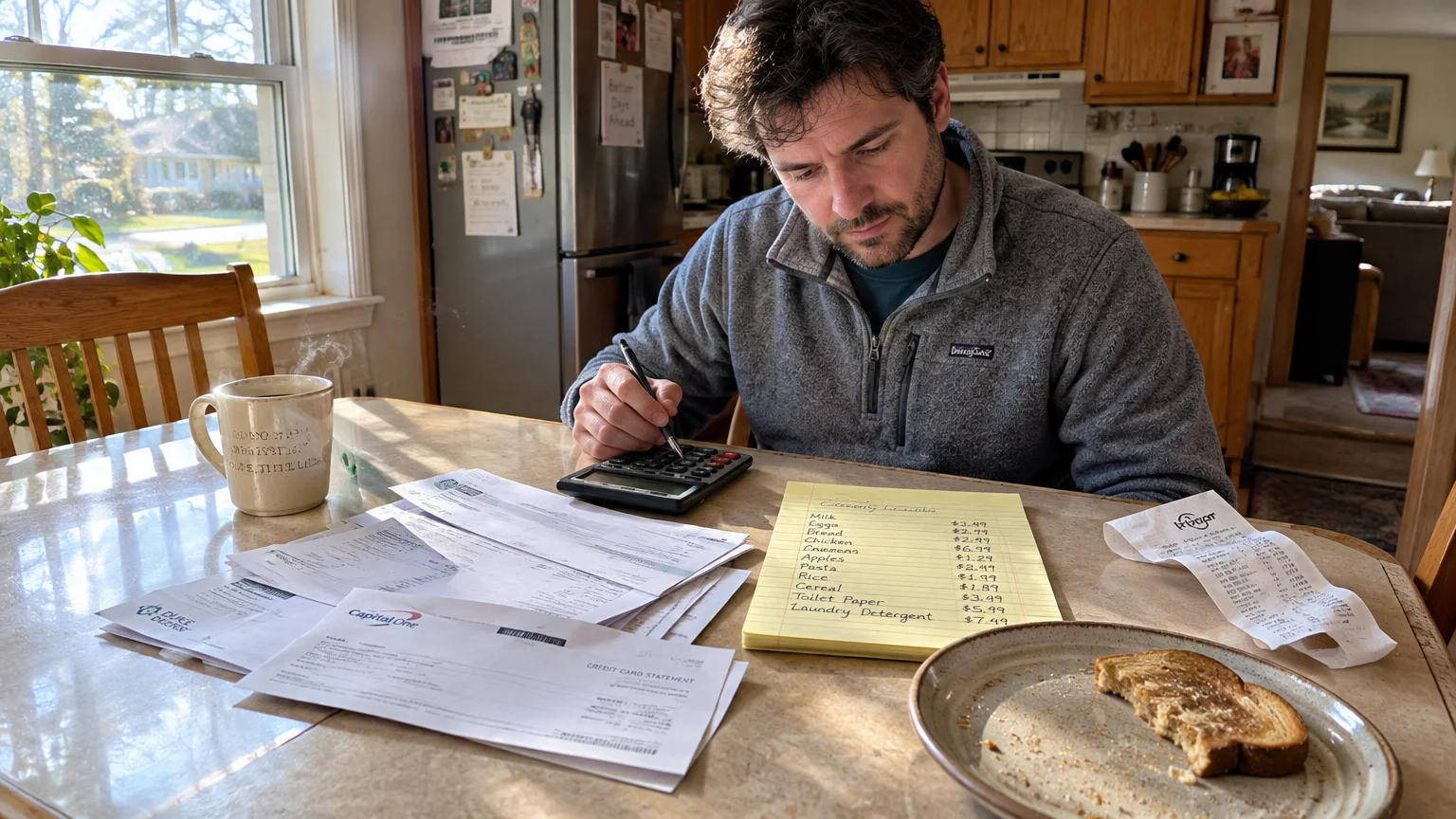
To evaluate what happens in 2027, you must understand the pricing environment heading into the new year. Recent government reports show that inflation has remained persistent across several essential household categories.
Data from the Bureau of Labor Statistics shows the Consumer Price Index for All Urban Consumers (CPI-U) rose 3.7% year-over-year in September 2026. Headline consumer prices climbed 0.6% in September alone.
This 3.7% annual pace marked an acceleration from the 3.4% readings recorded in July and August 2026. Even so, headline inflation remains below the 2026 peak of 4.2% registered in May.
Core CPI, which strips out food and energy swings, climbed 2.6% year-over-year in September 2026, rising 0.3% month-over-month. That represented a slight uptick from the 2.4% core rate recorded in August.
Energy costs represent the primary driver of this recent spike. Overall energy prices jumped 20.4% year-over-year in September 2026, with gasoline surging 34.2% annually and fuel oil skyrocketing 74.2%.
Gasoline prices jumped 9.1% in September 2026 alone, directly increasing the cost of commuting and goods transport. Higher fuel costs inevitably bleed into other consumer sectors over time.
Shelter costs climbed 3.2% year-over-year in September 2026, maintaining pressure on tenant budgets. Because housing represents the largest single expense for most families, persistent shelter inflation makes daily living feel expensive.
Food costs rose 2.5% year-over-year in September 2026. Grocery store prices rose 1.8% over the prior year, though grocery bills dipped 0.1% during the month of September.
Dining out continued to grow more costly, with food away from home rising 3.5% year-over-year. Families spending heavily on restaurant meals feel that persistent price pressure directly.
The Bureau of Labor Statistics will publish the October 2026 CPI report on Tuesday, November 10, 2026. That release will give households clearer signals about whether energy volatility is spilling into core goods.
Four Catalysts Keeping Living Costs Elevated Through 2027
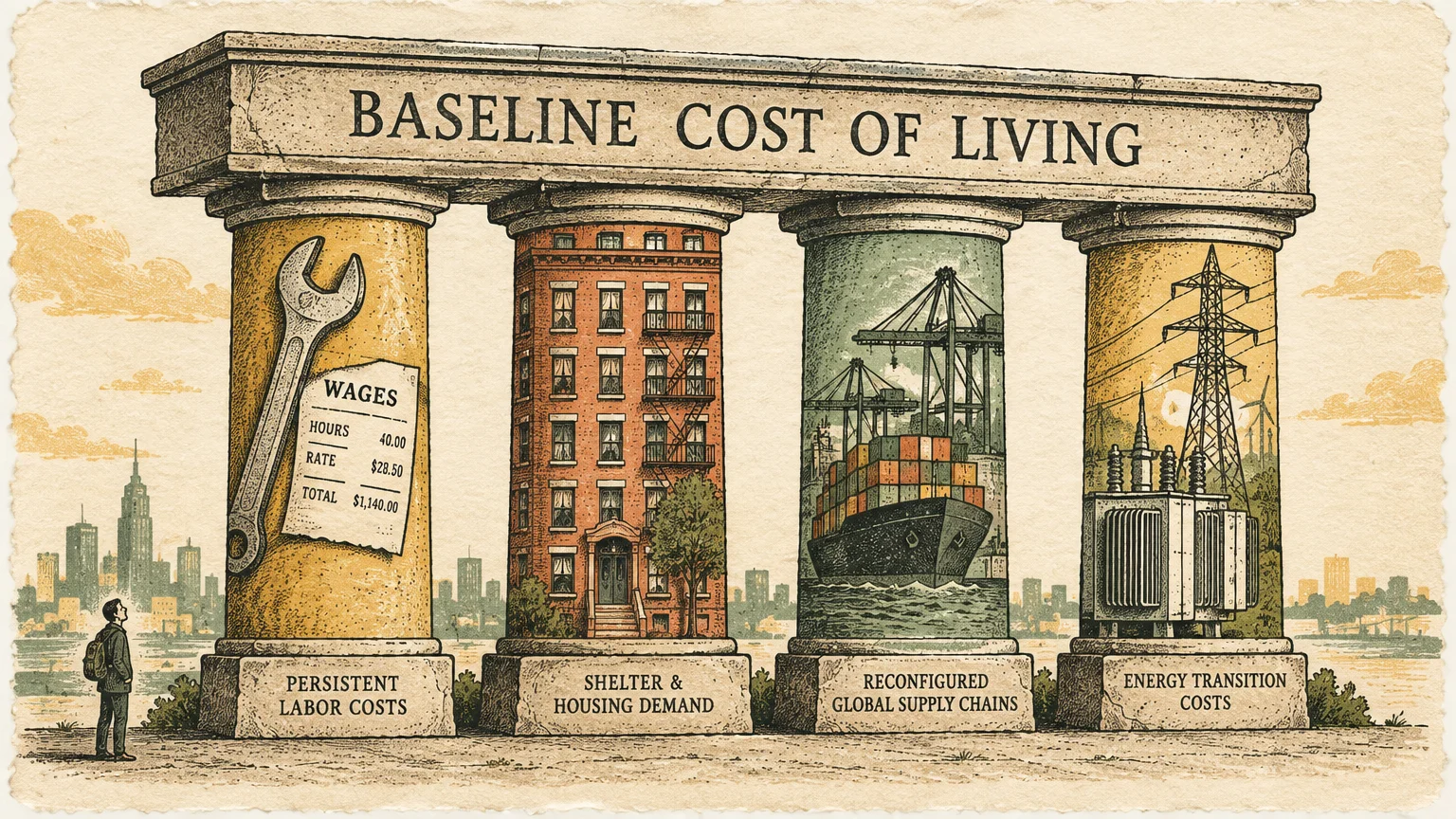
Economists point to specific structural factors that prevent consumer costs from dropping dramatically. Recognizing these forces helps you anticipate which household budget categories will face ongoing pressure.
1. Geopolitical Conflict and Energy Volatility
International conflicts continue to disrupt global supply chains and commodity distribution. Ongoing instability in the Middle East, particularly tensions involving Iran since early 2026, has kept tanker shipping rates and crude oil elevated.
In an economic assessment published on October 30, 2026, The Conference Board highlighted these persistent energy, shipping, and tariff dynamics. The research group noted that these pressures will likely keep inflation running above the Federal Reserve’s target into 2027.
The Conference Board’s forecast assumes a gradual de-escalation of regional Middle East tensions by early 2027. However, until shipping channels fully stabilize, energy input costs will remain elevated for manufacturers and retailers alike.
2. Severe El Niño Weather Disruptions
Extreme weather patterns represent an emerging threat to grocery costs and household utility bills. A November 2, 2026 research study from the Federal Reserve Bank of San Francisco underscored this growing financial hazard.
The study, authored by Molly Arden, Toby Graf, and Brigitte Roth Tran, warned that a developing, record-strength El Niño pattern poses meaningful risk to the 2027 cost of living. Such weather disruptions historically hammer farm output and energy networks.
The researchers estimated that these climate impacts could add up to 1 percentage point to U.S. headline inflation in 2027. Agricultural yields, fertilizer shipping, and power generation could all experience localized cost shocks.
3. Tariffs and Federal Fiscal Legislation
Federal trade policy and fiscal stimulus continue to influence consumer pricing. Economists note that sharp tariff increases enacted across 2025 and 2026 have directly increased the landed cost of imported machinery, components, and consumer items.
Domestic businesses often pass these border taxes directly along to end consumers to protect operating margins. When wholesale costs rise, retail prices follow quickly behind.
Furthermore, major federal spending measures, including the 2025 reconciliation act known as the One Big Beautiful Bill, continue injecting capital into federal priorities. High levels of fiscal spending sustain overall demand, limiting downward pressure on consumer goods.
4. Massive Investment in AI and Energy Infrastructure
American corporations are spending heavily on artificial intelligence, electrical grid modernization, and defense systems. This unprecedented wave of capital investment keeps business demand elevated across commercial construction and tech hardware.
Federal Reserve research and Conference Board reports confirm that this robust commercial spending keeps overall financial conditions relatively loose. Because industrial demand remains solid, raw material suppliers have little incentive to discount prices.
Interest Rates and Federal Reserve Policy Through 2027
The Federal Reserve’s monetary stance plays a defining role in what you pay to borrow money. As the central bank combats persistent inflation, borrowing costs will remain elevated for the foreseeable future.
Fed leadership experienced a major transition when Kevin Warsh took office as Federal Reserve Chair in May 2026, succeeding Jerome Powell. Under Chair Warsh, the central bank has taken a firm stance against sticky consumer prices.
The target federal funds rate currently sits between 3.75% and 4.00%. At its September 15–16, 2026 meeting, the Federal Open Market Committee enacted a 25-basis-point rate hike, marking its first policy tightening since 2023.
At the subsequent FOMC meeting on October 27–28, 2026, policymakers voted 10–2 to hold rates steady. Governors Lisa Cook and Beth Hammack dissented, voting instead for an immediate 0.25% increase.
The Fed’s September 2026 dot plot projected a median federal funds rate of 4.1%, corresponding to a target range of 4.00% to 4.25%, by the end of 2026. Projections indicate rates will hold steady at 4.1% through the end of 2027.
Financial markets and institutional forecasters, including The Conference Board, anticipate another 25-basis-point rate hike at the December 8–9, 2026 FOMC meeting or early in 2027. Borrowers should plan for higher interest rates to persist for years.
While high interest rates keep mortgage loans and auto financing expensive, they benefit conservative savers. Yields on certificates of deposit and high-yield savings accounts will remain historically attractive through 2027.
Category Breakdown: What May Drop and What Will Cost More
While the overall Consumer Price Index will not experience deflation, individual categories within your budget will move in different directions. Knowing which line items could decline helps you time major purchases wisely.
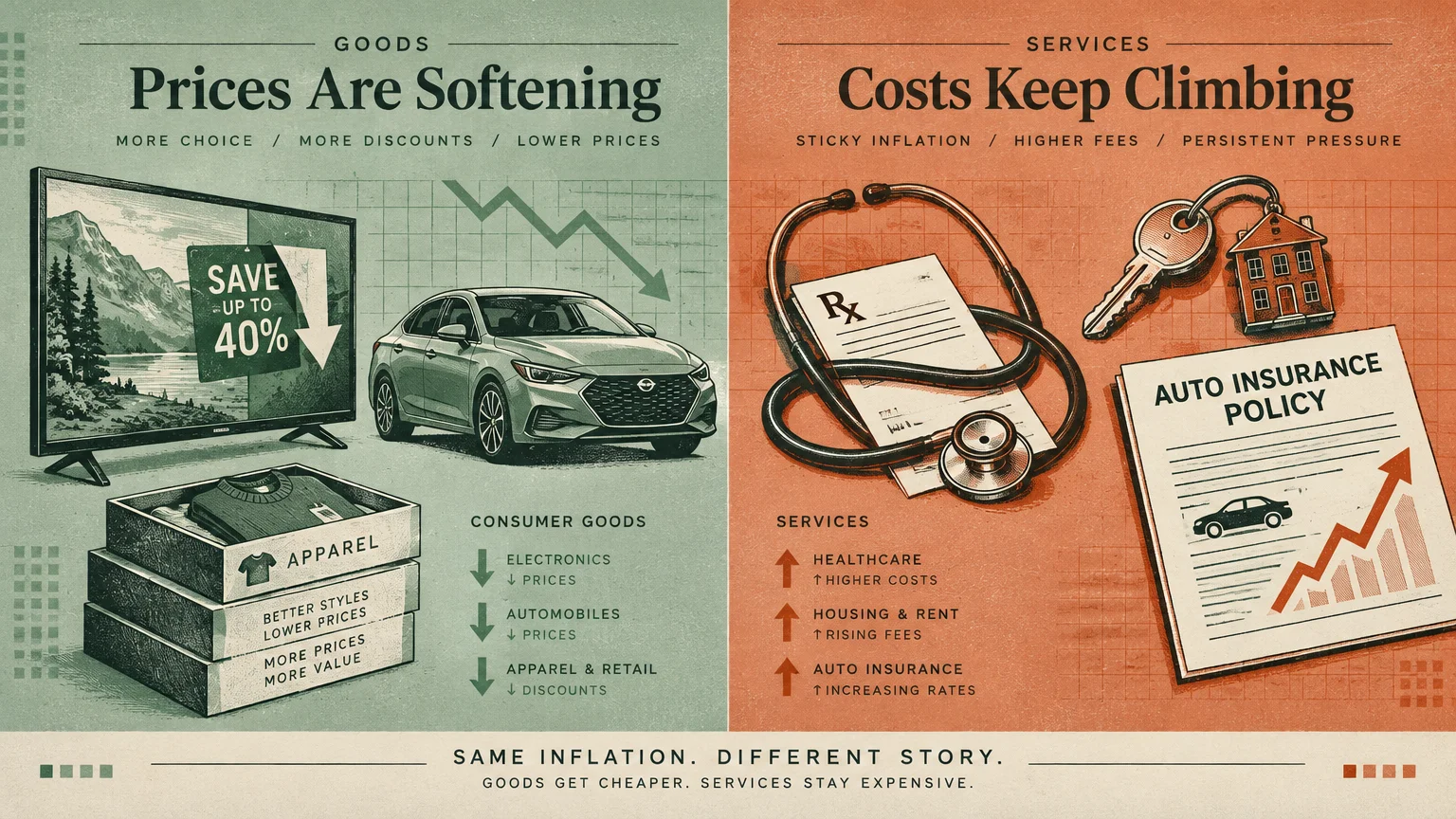
Certain durable goods frequently experience price cuts as manufacturing bottlenecks resolve and retailer inventories accumulate. Conversely, service-based expenses almost never experience widespread price reductions.
- Electronics and Appliances: Televisions, computers, and home appliances regularly experience genuine price declines. Technological advances and retailer promotions routinely drive down per-unit costs for consumer electronics.
- Used Motor Vehicles: As new vehicle assembly schedules normalize and commercial fleet inventories rebuild, used car prices often soften. High auto loan interest rates also suppress excessive buyer demand.
- Select Grocery Staples: While processed food prices remain sticky, raw commodity goods can drop when harvests recover. Eggs, dairy products, and certain fresh produce items often drop in price after supply shocks subside.
- Housing and Rent: Base rents rarely decline significantly on a broad national scale. Landlords may offer concessions like a free month of rent, but contractual monthly rates generally hold steady or increase modestly.
- Healthcare and Medical Services: Medical procedures, prescription drugs, and health insurance premiums experience rigid upward pressure. Labor costs and administrative overhead ensure healthcare expenses will climb in 2027.
- Home and Auto Insurance: Property and casualty insurance rates have jumped due to elevated vehicle repair bills and severe weather claims. Insurers will continue adjusting premiums upward to reflect higher replacement costs.
Focusing your household savings on categories that resist price drops ensures your family maintains financial stability. Do not delay necessary purchases in anticipation of across-the-board discounts that will not arrive.

Errors That Cost Families Thousands During Sticky Inflation
Prolonged inflation erodes household purchasing power quietly. When living costs remain elevated year after year, minor financial oversights multiply into substantial wealth losses.
Leaving excessive emergency funds in standard brick-and-mortar bank accounts represents a common, costly error. Traditional accounts paying 0.01% interest forfeit hundreds of dollars annually to inflation compared to top-tier savings vehicles.
Failing to shop for home and auto insurance coverage each year also drains cash reserves. Because repair costs and replacement parts surged between 2024 and 2026, insurers systematically raised renewal rates across existing policyholders.
Carrying variable-rate debt into 2027 poses severe risk to your cash flow. Credit card annual percentage rates track the federal funds rate closely, meaning borrowing costs will remain near multi-decade highs.
Delaying essential maintenance on vehicles and homes often backfires. Deferring a basic roof repair or car service creates catastrophic repair bills later when labor and component prices climb even higher.
Ignoring workplace benefits during open enrollment leaves valuable compensation on the table. Overlooking health savings accounts, flexible spending accounts, or employer retirement matches directly increases your taxable burden during inflationary periods.

Strategic Money Moves to Strengthen Your Household Before 2027
You cannot control Federal Reserve interest rate decisions or international commodity markets. You can, however, execute specific financial strategies to protect your personal bottom line.
Prioritize eliminating credit card balances and high-interest personal loans immediately. Paying off a card with a 22% interest rate delivers a guaranteed, tax-free return that no passive investment can match.
Review every recurring subscription and membership across your bank statements. Canceling unused streaming services, apps, and memberships immediately frees up discretionary cash for rising grocery and energy bills.
Take full advantage of competitive cash yields while the Federal Reserve maintains a restrictive policy stance. Move your liquid emergency reserves into accounts protected by the Federal Deposit Insurance Corporation that pay competitive rates.
“Do not save what is left after spending, but spend what is left after saving.” — Warren Buffett
Adopt an intentional budgeting system to allocate your take-home pay systematically. Tracking expenditures prevents lifestyle creep and ensures your savings goals receive funding before incidental spending occurs.
Consider consulting consumer education materials from the Consumer Financial Protection Bureau to understand your rights regarding debt collection and credit reporting. Informed consumers navigate high-rate environments with greater confidence.
Explore opportunities to raise your primary income through professional credentialing or merit discussions. Because overall consumer prices will not drop, boosting your earning power remains the most reliable defense against rising living costs.

When to Get Expert Help
Navigating sticky inflation and elevated interest rates can strain even well-managed household finances. Knowing when to engage an objective professional prevents minor cash pinches from turning into lasting distress.
Work with a fee-only Certified Financial Planner (CFP) if you need personalized assistance balancing debt retirement, retirement contributions, and college funding. Fee-only advisors operate under a fiduciary standard, meaning they do not sell commission-based financial products.
Consult a Certified Public Accountant (CPA) or enrolled agent if bracket adjustments, tax credits, or business write-offs create uncertainty. Strategic tax planning preserves vital cash that inflation would otherwise erode.
If you face difficulty paying your mortgage or managing rental leases, reach out to a HUD-approved housing counseling agency through HUD Housing Counseling. Housing counselors offer free or low-cost guidance on loan modifications and tenant assistance programs.
Families overwhelmed by unsecured credit card balances should seek assistance from an accredited nonprofit credit counseling organization. Legitimate credit counselors establish structured debt management plans to lower interest rates without damaging your credit profile.
Frequently Asked Questions About the 2027 Inflation Outlook
Will grocery prices drop back to pre-2020 levels in 2027?
No, overall grocery prices will not drop back to pre-2020 levels. While individual items like eggs or milk experience seasonal dips, aggregate food costs will continue to climb at a modest pace near 2% annually.
What is the difference between disinflation and deflation?
Disinflation describes a slowing rate of price increases, such as inflation dropping from 3.7% down to 2.3%. Deflation describes an absolute drop in the overall price level, which rarely happens outside severe economic depressions.
Why is the Federal Reserve projecting 2.3% inflation for 2027 instead of 2.0%?
The Federal Reserve expects ongoing shelter costs, trade tariffs, and industrial investment to slow the final leg of inflation reduction. Fed officials project consumer prices will finally hit the 2.0% target in 2029.
How will the 2027 inflation forecast affect mortgage rates?
Because the Federal Reserve plans to keep its benchmark rate near 4.1% through 2027, mortgage rates will likely remain elevated. Homebuyers should prepare for 30-year fixed mortgages to remain well above pandemic-era lows.
Can weather patterns like El Niño actually increase my living costs in 2027?
Yes, research from the Federal Reserve Bank of San Francisco indicates that strong El Niño cycles disrupt global crop yields, fertilizer transport, and energy systems. These disruptions can add up to 1 percentage point to headline consumer inflation.
Taking Action in an Era of Persistent Prices
Waiting for consumer prices to fall will only delay the financial adjustments your household needs to make today. By accepting that prices will rise more slowly rather than drop, you can make clear-headed decisions about spending, saving, and debt management.
Review your household cash flow this week, move idle cash into competitive savings accounts, and eliminate high-cost variable debt. Taking charge of your personal bottom line guarantees that your family thrives regardless of where economic forecasts land.
This article is for informational purposes only and does not constitute financial, legal, or tax advice. Rates, benefit amounts, and tax rules change regularly—verify current details with the relevant agency or a licensed professional.
Last updated: November 2026. Rates, benefit amounts, and tax rules change—always verify current details at official sources.