Buying secondhand on Facebook Marketplace can save your household hundreds of dollars on furniture, electronics, or auto parts. Yet one fake listing can wipe out your monthly discretionary budget in minutes.
Americans lost $2.1 billion to scams starting on social media in 2025, with Facebook generating more reported losses than any other platform, according to the Federal Trade Commission. That figure represents an eightfold surge since 2020.
Learning the six clearest warning signs of online marketplace fraud protects your checking account before you send a dollar. You can still hunt for real secondhand bargains without risking your emergency savings.
Why Facebook Marketplace Scams Hit Household Budgets So Hard
When you shop secondhand to stretch your paycheck, losing money to a bogus seller hurts twice. You lose the cash you sent, and you still have to buy the item you actually needed.
Overall fraud losses in the United States reached roughly $16 billion in 2025, up about 25% from $12.5 billion in 2024, according to the Federal Trade Commission. Those 2025 numbers even exclude reports from October 1 through November 13 due to a funding lapse.
Nearly 30% of people who reported losing money to a scam in 2025 said the fraud began on social media. Facebook accounted for more reported losses than text and email scams combined.
Shopping scams drove more than 40% of those social media loss reports. Victims most often paid for goods that never arrived, or they received counterfeits and items completely different from the photos.
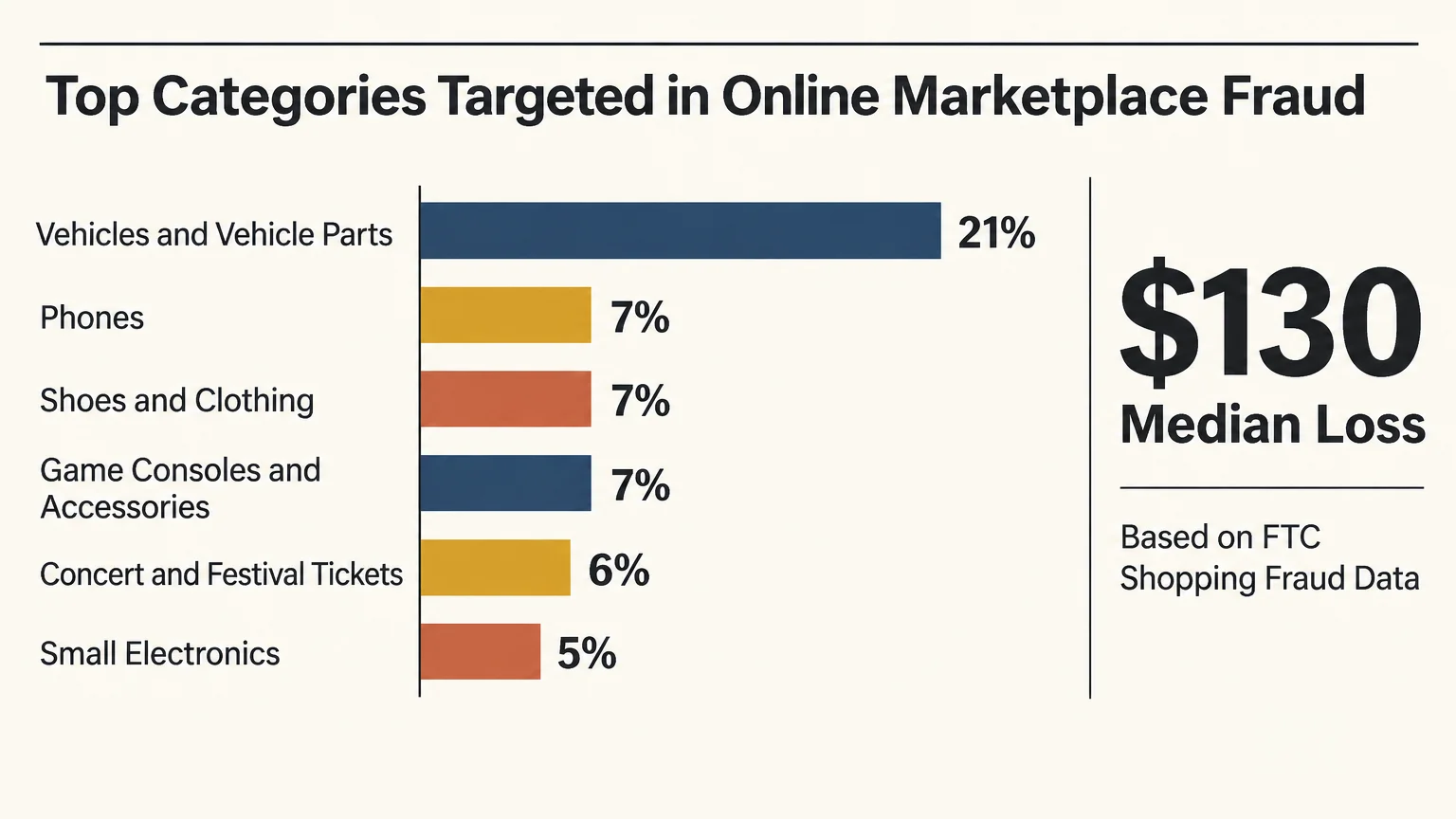
Even modest losses add up quickly for families managing tight monthly cash flow. In 2024, the Federal Trade Commission logged 383,441 online shopping fraud reports totaling $432 million, with a $130 median loss and 76% of reporters losing money.
Certain everyday purchases draw far more fraudsters than others. Better Business Bureau Scam Tracker data covering over 1,200 Facebook Marketplace reports between January 2022 and September 2023 highlights the top targets:
- Vehicles and vehicle parts: 21% of reported Marketplace scams
- Phones: 7% of reports
- Shoes and clothing: 7% of reports
- Game consoles and accessories: 7% of reports
- Concert and festival tickets: 6% of reports
- Small electronics: 5% of reports
Fake rental listings also carry massive financial risk for households trying to move on a budget. The Federal Trade Commission documented $65 million in reported losses from bogus rental ads since 2020.
Confidence does not make you immune to these traps. Federal Trade Commission data shows adults under age 60 are 86% more likely than older adults to report losing money to online shopping scams.
A June 2026 survey of 1,000 American adults by Gen found that 13% had fallen victim to a social media marketplace scam. Adults aged 35 to 44 had the highest victimization rate despite expressing the strongest confidence in spotting fakes.
1. Prices Far Below Market Value Paired With Artificial Urgency
Everyone loves finding an underpriced dresser or lawnmower when a neighbor just wants clutter gone. Scammers exploit that bargain-hunting instinct by listing high-demand items far below normal resale value.
Meta’s Scam Protection Center flags steep discounts paired with high-pressure urgency or vague item history as one of its top Marketplace warning signs. If a late-model laptop or car sells for half its going rate, pause immediately.
Fraudsters pair fake bargains with urgent stories designed to override your common sense. They might claim they are deploying tomorrow, moving cross-country tonight, or holding the item only for the first person who sends a deposit.
Modern scammers also use artificial intelligence to make fake listings and profiles appear convincing. The FBI Internet Crime Complaint Center tracked 22,364 AI-related fraud complaints totaling $893 million in losses during 2025.
Those schemes often rely on fabricated IDs, stolen photos, and cloned voices or videos to rush victims. In April 2026, the FBI urged consumers to follow a simple rule before sending money or personal details: “Take a Beat.”
Taking sixty seconds to verify a listing keeps your discretionary budget intact. Check these basic details before messaging any seller about an unusually cheap item:
- Compare the asking price against sold listings on major resale sites to gauge real market value.
- Run a reverse image search on the listing photos to see if they came from a retail catalog or an old listing in another state.
- Ask one specific question about the item’s serial number, mileage, or wear that forces an authentic owner to reply with real detail.
Genuine sellers who want a fast local sale can still answer basic questions about what they own. Anyone who pushes you to pay before you can verify the item is trying to rob you.
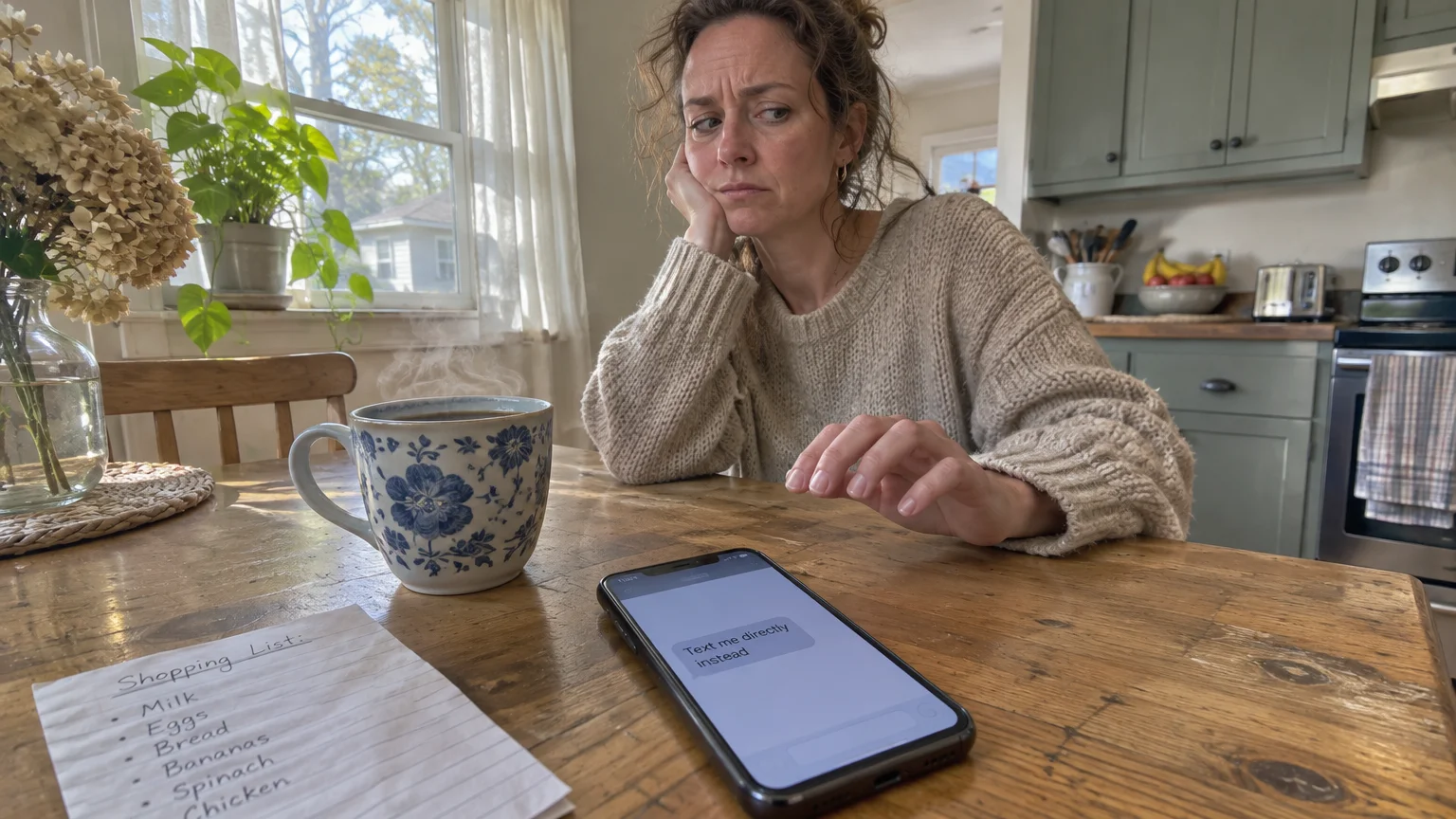
2. Requests to Move Conversations Off-Platform Immediately
Scammers rarely want to keep chatting inside Facebook Messenger for long. One of the earliest red flags is a seller or buyer asking you to switch to text messages, WhatsApp, or email right away.
Meta specifically warns shoppers to watch for early requests to take conversations off-platform, especially for vehicles, rentals, and home goods. Fraudsters push you elsewhere for two calculated reasons.
First, they want to evade automated platform screening before their account gets shut down. Meta reported removing more than 159 million scam ads in 2025, detecting 92% of them before any user filed a report.
The company also took down 10.9 million Facebook and Instagram accounts tied to criminal scam centers that year. Moving you off Messenger lets a scammer continue targeting you even if Facebook deletes their profile an hour later.
Second, off-platform messages strip away the chat record you might need during a dispute. Once you text a disposable phone number, you lose the direct link between the listing and the promises made.
Off-platform chats are also where phishing links usually appear. Scammers send fake checkout pages, counterfeit shipping trackers, or bogus escrow forms requesting your login credentials, bank routing numbers, or debit card details.
Keep every negotiation, pickup time, and payment agreement inside Facebook Messenger. If a seller refuses to communicate on the platform before you meet in person, walk away and keep your cash.
3. Demands for Unprotected or Irreversible Payment Methods
How you pay matters just as much as what you buy when protecting household cash reserves. Scammers insist on payment rails that clear instantly and offer zero buyer dispute rights.
In 2024, consumers lost more money to scams paid through bank transfers or cryptocurrency than all other payment methods combined, according to the Federal Trade Commission. Fraudsters choose these channels because stolen funds are almost impossible to trace or claw back.
The Federal Trade Commission Consumer Advice portal warns buyers never to pay unfamiliar sellers with gift cards, wire transfers like MoneyGram or Western Union, cryptocurrency, or peer-to-peer payment apps.
Peer-to-peer apps like Zelle, Venmo, and Cash App feel convenient when splitting dinner with friends. However, treating them like a retail checkout with a stranger exposes your checking account to total loss.
Once you authorize an instant bank-to-bank transfer to a fraudster, your bank generally treats it as an authorized payment. Recovering that money rarely happens, leaving a permanent hole in your monthly budget.
| Payment Method | Marketplace Protection | Dispute Reversibility | Safest Use Case |
|---|---|---|---|
| Facebook Onsite Checkout | Covers eligible shipped items under $2,000 | High when filed within claim deadlines | Shipped purchases from verified sellers |
| Cash | None from Facebook | None after handoff | In-person pickups after full inspection |
| Credit Card (via Onsite Checkout) | Platform protection plus card chargeback rights | Strong consumer fraud protections | Eligible shipped orders when available |
| Zelle, Venmo, or Cash App | None for off-platform trades | Very low once money is sent | Trusted friends and family only |
| Wire Transfer, Gift Cards, or Crypto | None | Virtually zero | Never use for Marketplace purchases |
Choosing the wrong payment method turns a minor shopping mistake into a direct hit on your emergency fund. Stick to cash after a physical inspection or Facebook’s onsite checkout for eligible shipped goods.
4. Overpayment Offers, Fake Refunds, and Counterfeit Check Traps
Marketplace fraud targets sellers just as aggressively as buyers. If you are clearing out your garage to boost your savings rate, watch out for buyers offering to pay more than your asking price.
The FBI Internet Crime Complaint Center recorded $22.9 million in reported overpayment scam losses in 2025 alone. Meta also highlights overpayment and fake refund requests as a core Marketplace scam pattern.
In the classic fake check trap, a buyer mails or emails a check for several hundred dollars above your price. They claim the extra money covers a courier or moving company and ask you to wire or send back the difference.
This trick works because many households misunderstand how bank check clearing operates. Under federal banking rules, your bank must typically make deposited check funds available within two days.
However, available funds do not mean the check is real. As the Federal Trade Commission explains, detecting a counterfeit check can take banks weeks, after which the bank deducts the entire fake amount from your account.
By the time that counterfeit check bounces, you have already sent real cash to the scammer’s fake shipper. You lose the item if you shipped it, the refund you sent, and potentially face overdraft fees.
Scammers run a digital version of this scheme using doctored payment confirmation screenshots. You receive an authentic-looking email claiming a buyer paid through an app, accompanied by a note saying your account must be upgraded first.
The fake notice instructs you to send a refundable fee to unlock the incoming deposit. No legitimate payment app charges sellers an upfront upgrade fee to receive money, and you can verify banking rules directly through the Consumer Financial Protection Bureau.
5. Verification Code Tricks and Brand-New Seller Profiles
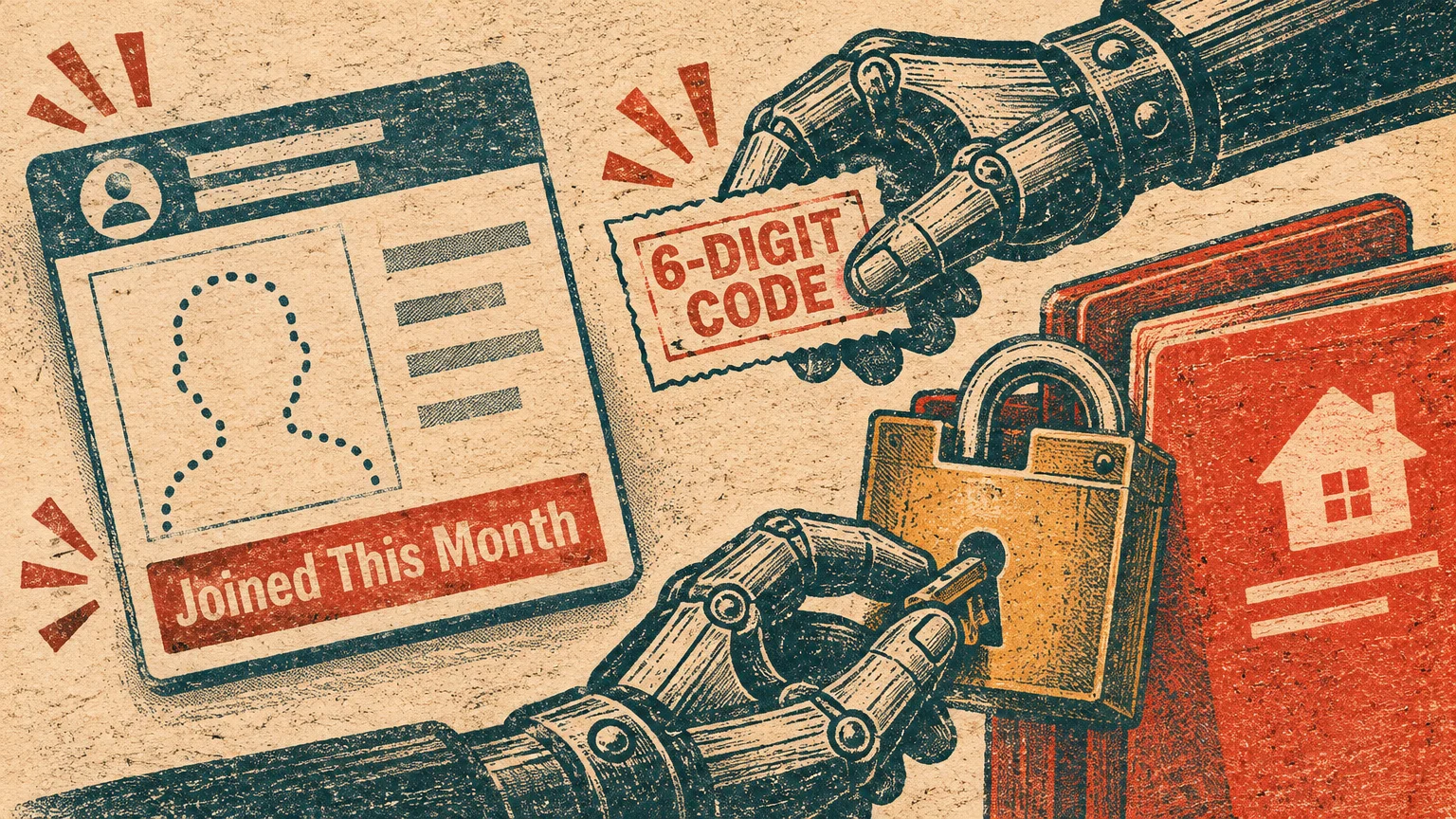
Sometimes a scammer does not want your furniture or your cash at all. They want your phone number and control of your digital identity so they can defraud other shoppers under your name.
In the Google Voice verification scam flagged by the Federal Trade Commission, a seemingly cautious buyer says they want to verify you are a real person before meeting. They ask for your phone number and send you a six-digit text code.
Once you read back that six-digit code, the scammer uses it to register a Google Voice number tied directly to your real phone line. They then run future Marketplace scams while hiding behind your identity.
Never share a verification code sent to your phone with anyone you meet online. A legitimate buyer wants to verify the item you are selling, not hijack your two-factor authentication codes.
You should also inspect every seller or buyer profile carefully before sharing your address or phone number. Look closely for these account warning signs:
- Brand-new account creation: Profiles created in the current year with almost no friends, posts, or local history.
- Zero commerce ratings: No completed Marketplace reviews, or feedback only from suspiciously repetitive accounts.
- Multi-city duplicate listings: The exact same vehicle, appliance, or sofa posted simultaneously across dozens of distant states.
- Mismatched profile details: A seller claiming to live down the street whose profile shows a completely different country or stolen stock photos.
If you accidentally handed over a verification code, banking login, or Social Security number to a fake buyer, act immediately. Visit IdentityTheft.gov to follow an official recovery plan and lock down your credit.
6. Shipping-Only Excuses That Bypass Marketplace Purchase Protection
Facebook Marketplace does offer built-in Purchase Protection, which gives many shoppers a false sense of security. Scammers count on buyers misunderstanding exactly what that policy covers and excludes.
According to Meta’s Help Center, Purchase Protection applies strictly to shipped orders paid through Facebook’s onsite checkout. Local pickups, in-person meetups, cash deals, and any purchase arranged or paid off-platform receive zero coverage.
Policy summaries also note major category and price exclusions. Vehicles, real estate, services, perishables, event tickets, custom items, and purchases exceeding $2,000 fall outside Purchase Protection.
Even when an order qualifies, strict deadlines apply. You must report an issue to the seller within three days after tracking shows delivery, or within seven days of payment if no tracking number exists.
If the seller ignores you or fails to resolve the issue within two business days, you can file a claim with Facebook on the third business day. Support typically responds within one to two business days.
Scammers avoid this entire oversight system by inventing excuses why onsite checkout will not work. They claim the payment button is broken, disabled for their bank, or holding their funds unfairly.
Next, they offer to ship the item right away if you pay through Zelle, Cash App, or Venmo instead. The moment you step outside onsite checkout for a shipped item, your protection drops to zero.
Non-payment and non-delivery scams remain one of the costliest cybercrimes in America. In 2025, the FBI Internet Crime Complaint Center logged 56,478 complaints in that category alone, totaling $503.4 million in reported losses.
Errors That Cost Families Thousands
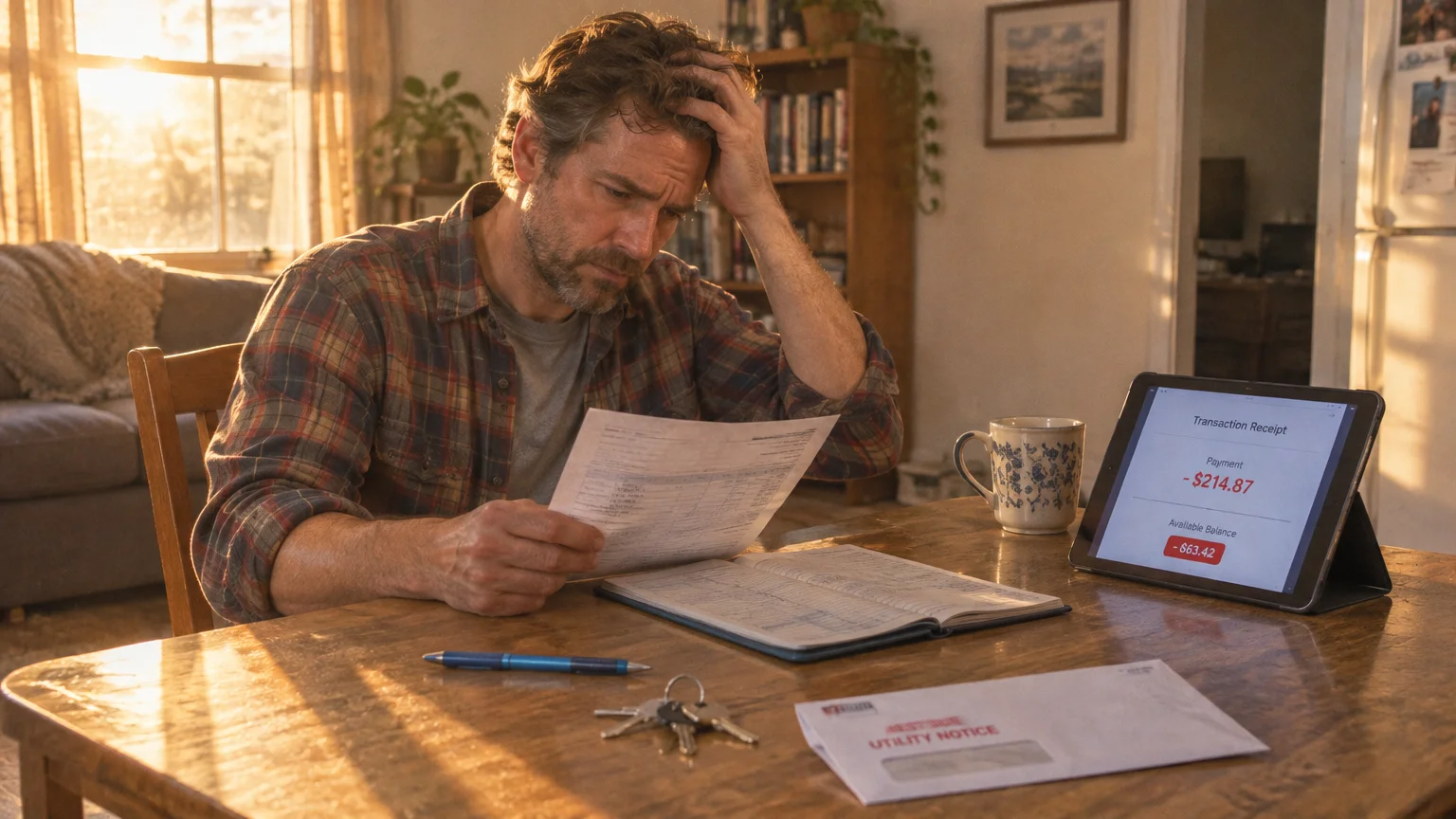
Households trying to save money on big-ticket purchases often make predictable mistakes that turn minor scams into major financial setbacks. Avoiding these common missteps protects both your checking balance and your long-term savings goals.
- Sending holding deposits sight unseen: Paying a deposit to hold a car or apartment before stepping inside usually results in vanished cash and a blocked number.
- Skipping a full in-person inspection: Handing over cash in a hurry without plugging in electronics, checking vehicle titles, or testing appliances leaves you stuck with broken goods.
- Using your primary debit card off-platform: Exposing a debit card linked to your main household checking account invites drains that take weeks to dispute, whereas credit cards carry stronger federal protections.
- Staying silent after losing money: Research cited by the Better Business Bureau indicates only 4.8% of mass-market fraud victims ever report the crime to the BBB or a government agency.
A bargain stops being a deal the second you surrender your payment protections; guard your hard-earned cash with the same rigor you use to earn it.
Filing a report may feel pointless when losses are small, yet reporting helps banks and investigators freeze mule accounts. It also alerts neighbors before the same criminal ring drains another family’s savings.
If you spot unauthorized withdrawals or suspicious checking activity after a bad trade, contact your bank right away. You can also review deposit safety and consumer banking guidance at the Federal Deposit Insurance Corporation.
Buying Safely Online Without Blowing Your Monthly Budget
Safe secondhand shopping works best when you treat it like a repeatable financial system rather than an impulse chase. Setting clear rules before you open the app removes emotional pressure when a flashy deal appears.
Follow this practical routine every time you shop on Facebook Marketplace:
- Set a hard budget limit in advance so artificial urgency never pushes you into spending beyond your discretionary allocation.
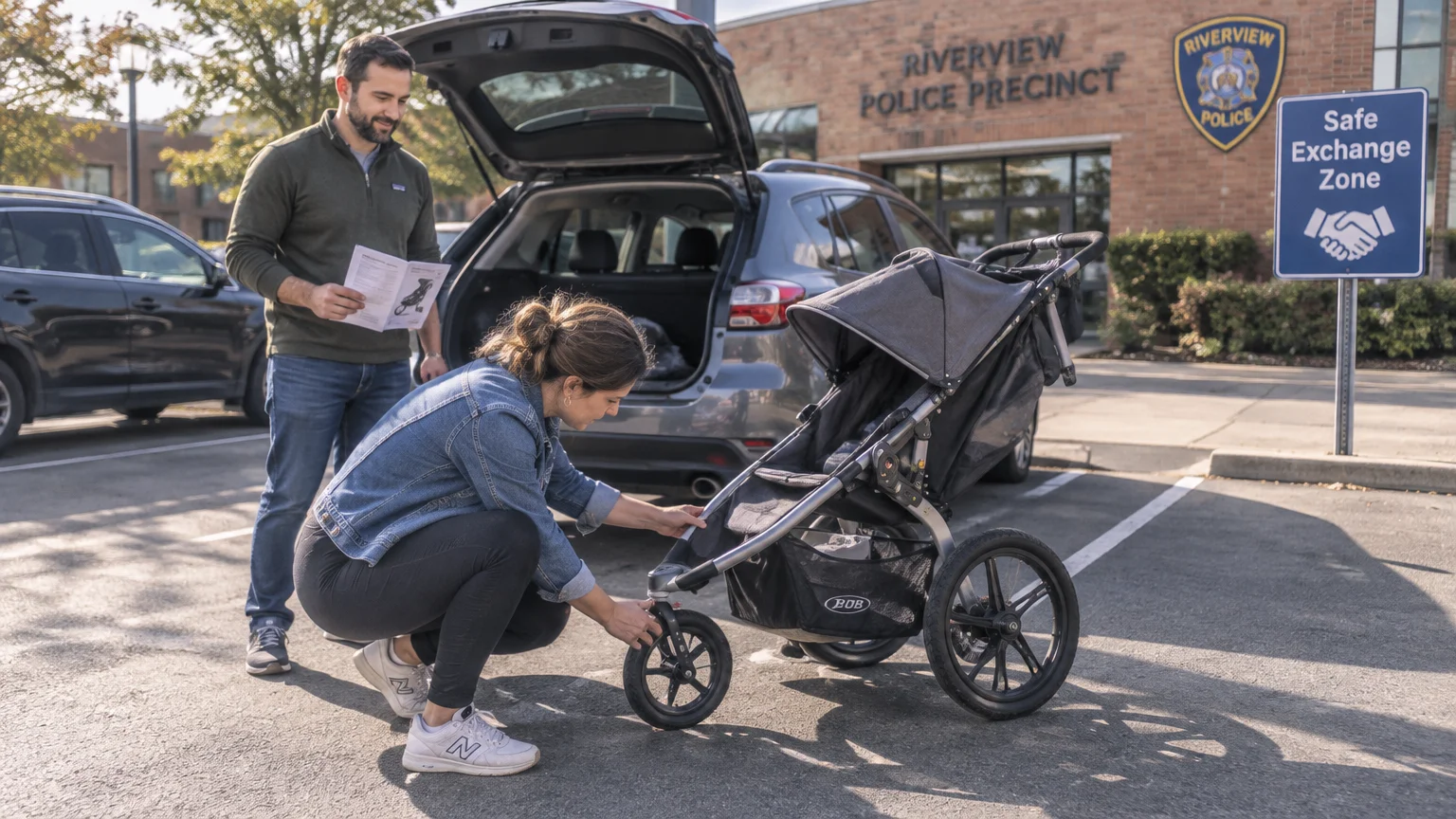
- Insist on meeting in person at a well-lit public location or a local police department safe-exchange zone for all local pickups.
- Inspect the item thoroughly, verify serial numbers or vehicle titles, and pay cash only once the goods are physically in your hands.
- Use Facebook’s onsite checkout backed by a credit card strictly for eligible shipped items under $2,000, and mark your calendar for the three-day delivery dispute window.
- Walk away immediately if anyone demands gift cards, crypto, wire transfers, P2P payments for shipping, or off-platform messaging.
Building healthy cash buffers takes discipline across groceries, utilities, and recurring subscriptions. Applying these five habits ensures a fake listing never undoes months of steady budgeting progress.
Frequently Asked Questions
Does Facebook Marketplace Purchase Protection cover local pickup scams?
No. Facebook Marketplace Purchase Protection covers only shipped orders paid directly through Facebook’s onsite checkout system.
If you pay cash in person or send money through a third-party app for a local meetup, Facebook provides no reimbursement. Always inspect local items fully before handing over money.
What should I do if I already sent money via Zelle or Venmo to a scammer?
Contact your bank and the payment app’s fraud department immediately, even though peer-to-peer transfers are rarely reversed. Provide screenshots of the listing, chat history, and transaction ID.
Next, report the account inside Facebook and file an official complaint with the Federal Trade Commission. If you shared passwords or banking details, change your logins and monitor your credit reports closely.
How long do I have to file a Facebook Marketplace Purchase Protection claim?
You must message the seller about an order problem within three days after tracking confirms delivery, or within seven days of payment if there is no tracking.
If the seller does not fix the issue within two business days, you can escalate the claim to Facebook on the third business day. Missing that three-day initial window can forfeit your coverage.
Is it ever safe to accept a check from a Facebook Marketplace buyer?
Accepting personal or cashier’s checks from strangers on Marketplace carries heavy risk. Counterfeit checks look authentic and often clear provisionally within two days before bouncing weeks later.
For local sales, insist on cash counted inside a public safe-exchange zone or meet directly inside your buyer’s bank branch to verify funds. Never accept an overpayment check and wire money back.
Your Next Step Before Messaging Any Seller
Before you reply to your next Facebook Marketplace bargain, run the listing through these six warning signs and commit to keeping both your chats and payments on protected rails. Turning down a suspicious deal takes ten seconds and keeps your household cash exactly where it belongs.
Information in this article reflects rules and figures current as of the publication date and may change. Always confirm details directly with your bank, the IRS, the Social Security Administration, or other official sources before making decisions.
Last updated: November 2026. Rates, benefit amounts, and tax rules change—always verify current details at official sources.