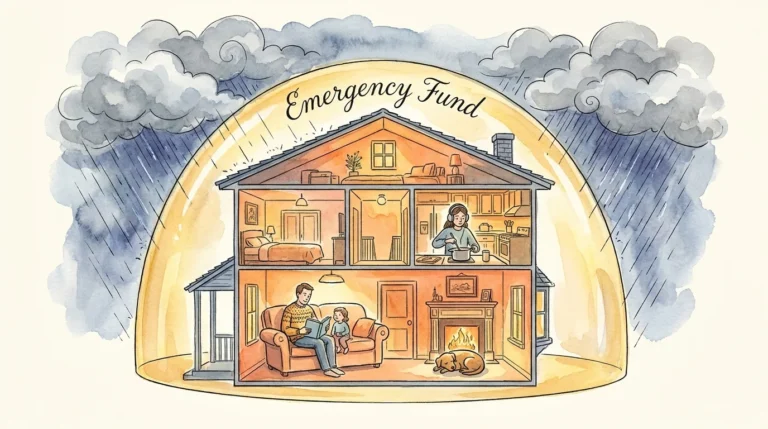
More than 17 million older Americans face financial insecurity every single day. Partnering with dedicated organizations for seniors unlocks thousands of dollars in public benefits, legal support, and low-cost health programs.
Many households miss critical relief simply because they do not know these support systems exist. Knowing which trusted senior resources to contact protects your retirement savings and dramatically lowers your monthly household expenses.
This comprehensive guide highlights 20 proven nonprofits for elderly adults and national senior advocacy groups designed to safeguard your family finances.
National Senior Advocacy and Policy Organizations
1. AARP
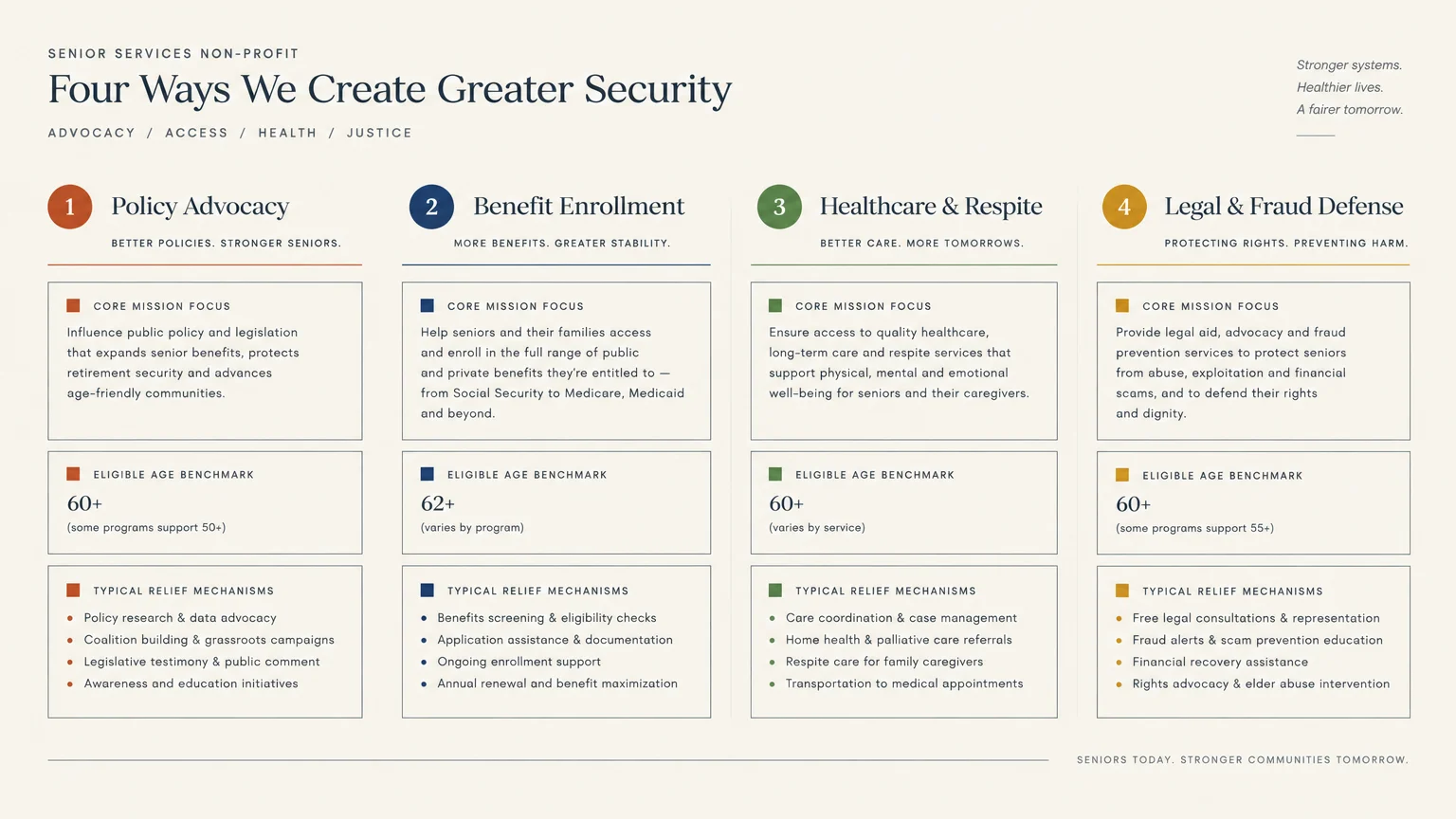
AARP represents more than 38 million Americans aged 50 and older. The nonpartisan organization lobbies state and federal lawmakers on retirement policies, consumer rights, and healthcare affordability.
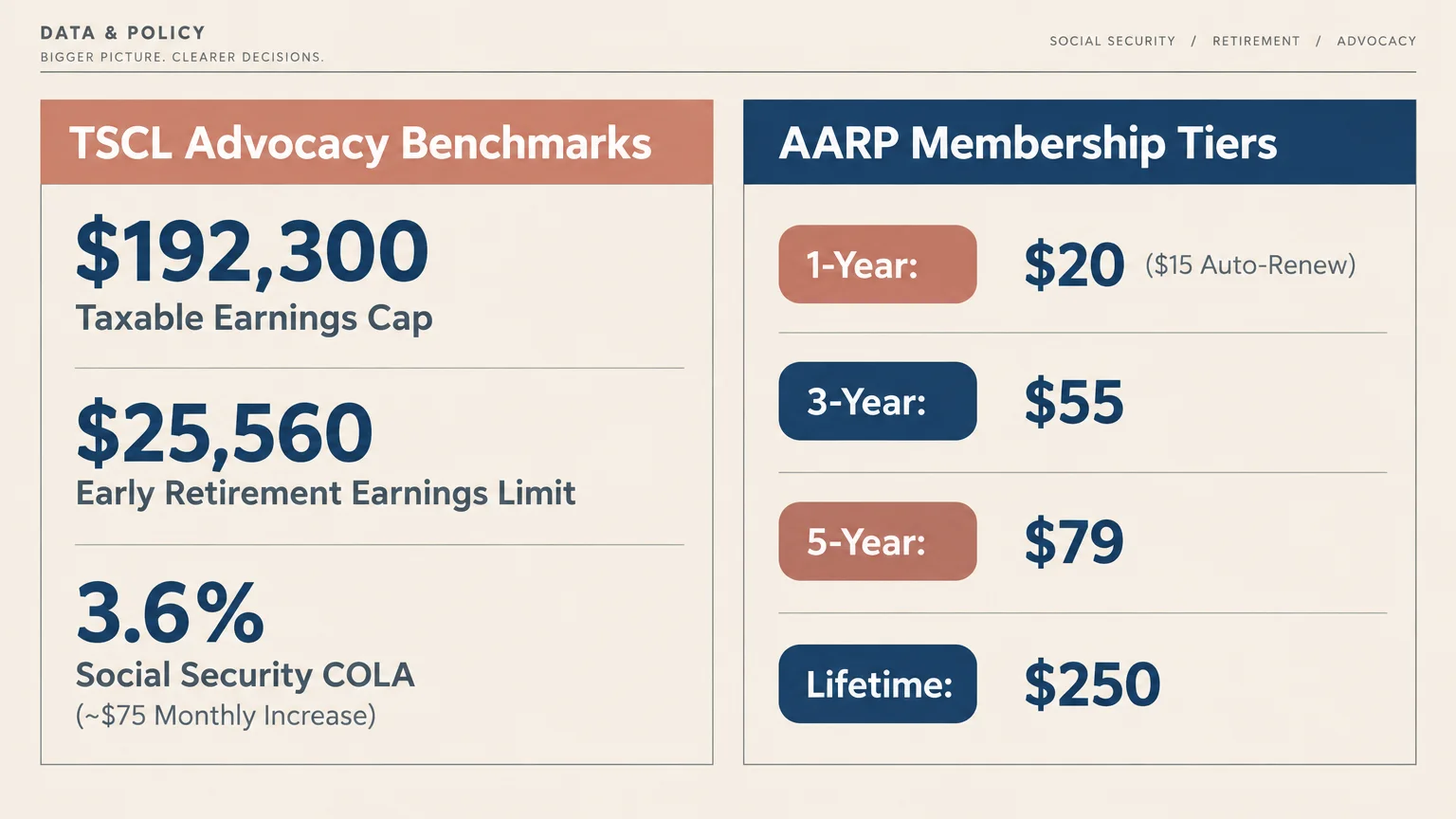
Standard membership costs $20 per year, but enrolling in automatic renewal drops your first year to $15. You can also lock in multi-year options at $55 for three years, $79 for five years, or $250 for a lifetime membership.
Each membership includes a second adult in your household for free. Anyone aged 18 or older can join, though certain age-restricted insurance policies still require members to be at least 50.
Your membership grants access to travel discounts, retail savings, and driver safety courses. Completing an approved driving course often secures a mandatory reduction on your auto insurance premiums.
2. The Senior Citizens League (TSCL)
The Senior Citizens League is one of the largest nonpartisan senior advocacy groups focused on defending Social Security benefits. They monitor inflation data closely to advocate for cost-of-living adjustments that reflect real household costs.
The organization announced an estimated 3.6% Social Security Cost-of-Living Adjustment (COLA). That adjustment increases average monthly retirement benefits by approximately $75.
TSCL also tracks federal tax benchmarks affecting your bottom line. They monitor the Social Security taxable earnings cap of $192,300 and the $25,560 earnings limit for workers claiming benefits before reaching full retirement age.
You can use their public survey data and legislative alerts to contact lawmakers directly. Their educational briefs explain how proposed federal spending bills could affect your monthly retirement check.
3. National Committee to Preserve Social Security and Medicare (NCPSSM)
The National Committee to Preserve Social Security and Medicare fights cuts to America’s core entitlement programs. The group employs legal and legislative analysts who track congressional debates on entitlement reform.
NCPSSM provides free financial explainers detailing trust fund solvency and proposed benefit formulas. These guides help you understand how statutory shifts might affect your long-term retirement plans.
You can access their grassroots campaigns to voice your concerns to elected officials. Their educational materials show you how to guard your Medicare coverage against unfair commercial privatization.
Benefit Access and Community Assistance Organizations
4. National Council on Aging (NCOA)
The National Council on Aging works to improve the lives of millions of economically insecure older adults. They develop tools and support networks that bring direct financial relief to struggling households.
According to NCOA, more than 17 million adults aged 65 and older remain economically insecure. Furthermore, roughly 9 million eligible older adults fail to claim available food, energy, and medical benefits.
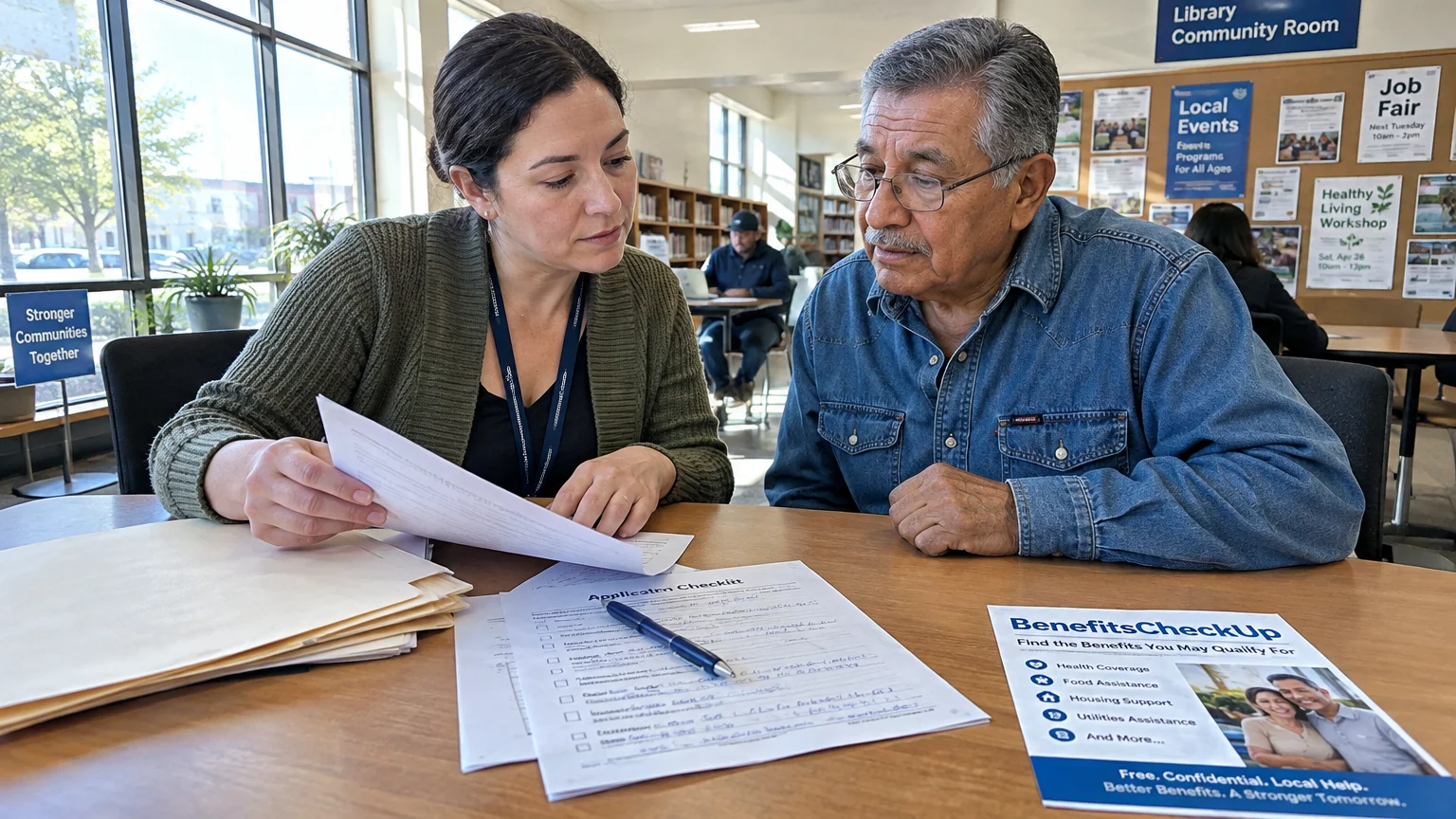
You can find programs tailored to your situation through their free tool at BenefitsCheckUp.org. You can also call their dedicated financial support helpline directly at 1-800-794-6559.
NCOA operates 90 physical Benefits Enrollment Centers across the nation. These centers offer hands-on help applying for SNAP food assistance, LIHEAP heating subsidies, and Medicare Savings Programs.
5. USAging and the Eldercare Locator
USAging represents the national network of 618 Area Agencies on Aging (AAAs). It also oversees more than 280 Title VI Native American aging programs across the country.
The organization coordinates community services funded by the landmark Older Americans Act. In July 2026, the U.S. Senate unanimously passed bipartisan legislation (S. 2120) to reauthorize and fund these programs through 2030.
You can access local resources immediately by calling the federal Eldercare Locator helpline at 1-800-677-1116. Operators connect you directly to local caseworkers who coordinate respite care, homemaker help, and transportation.
These local agencies provide free or low-cost support regardless of your household income. Contacting your regional AAA should be your first step when coordinating care for an aging loved one.
6. Meals on Wheels America
Meals on Wheels America supports more than 5,000 community-based nutrition programs throughout the United States. Local volunteers deliver nutritious meals directly to homebound individuals who struggle to cook or shop.
Enrolling in meal delivery significantly relieves pressure on your weekly grocery budget. The daily visits also provide peace of mind through regular wellness and safety checks.
Services are offered on a sliding fee scale, and no senior is turned away for inability to pay. Contact your regional branch to initiate meal drops or explore dining options at local senior community centers.

Healthcare and Caregiver Support Networks
7. Medicare Rights Center
The Medicare Rights Center is the largest independent counseling organization dedicated to helping consumers navigate Medicare. They operate a free national counseling helpline reachable at 1-800-333-4114.
Trained counselors guide you through complex enrollment rules, coverage appeals, and cost-sharing disputes. Unlike private brokers, they do not sell insurance policies or receive commercial commissions.
Counselors can help you evaluate coverage during the annual Medicare Open Enrollment period running from October 15 to December 7. You can verify enrollment windows and compare plans using the official Medicare.gov plan finder tool.
They also explain prescription coverage under the Part D annual out-of-pocket cap of $2,100, which rises to $2,400. In addition, counselors explain how the standard Part D deductible shifts from $615 to $700.
8. Alzheimer’s Association
The Alzheimer’s Association is the world’s leading voluntary health organization dedicated to Alzheimer’s care and research. They provide vital support for families coping with progressive cognitive decline.
You can reach their master’s-level clinicians around the clock through their 24/7 helpline at 1-800-272-3900. Specialists deliver crisis intervention, care planning strategies, and local referrals at no cost.
Their community chapters run free support groups and educational courses on dementia caregiving. They also publish planning checklists to help families estimate memory care costs and preserve household assets.
9. Family Caregiver Alliance (FCA)
Family Caregiver Alliance addresses the urgent needs of family members caring for adults with cognitive or physical impairments. They provide practical tools to reduce the physical and financial stress of caregiving.
FCA maintains the online Family Care Navigator to help you locate state-funded caregiver resources. You can easily find local respite services, legal clinics, and adult day centers.
They host moderated online support groups and free webinars detailing safe transfer techniques and medication management. These resources prevent costly injuries and reduce personal caregiver burnout.
10. National Alliance for Caregiving (NAC)
The National Alliance for Caregiving is a national coalition of caregiving organizations and corporate partners. They conduct rigorous research to inform federal policy and highlight the true cost of unpaid care.
Their economic studies track billions of dollars in lost wages and out-of-pocket expenses borne by families. NAC uses these findings to advocate for paid family leave laws and expanded caregiver tax credits.
You can download their free resource guides to organize care tasks among multiple siblings. Their frameworks help families split responsibilities fairly and avoid disruptive financial disputes.

Legal Protection, Elder Rights, and Fraud Prevention
11. Pension Rights Center
The Pension Rights Center is a legal advocacy nonprofit dedicated to securing earned retirement benefits. They help workers, retirees, and surviving spouses recover lost or miscalculated pensions.
The center connects individuals with regional Pension Action Projects that deliver free legal representation. Attorneys investigate missing plan documents, employer bankruptcies, and corporate plan mergers on your behalf.
Their specialists have recovered hundreds of millions of dollars in earned benefits for retirees across the country. If your previous employer denies your pension claim, consult this group before giving up your benefits.
12. Justice in Aging
Justice in Aging uses legal advocacy to fight senior poverty and protect vulnerable populations. Their attorneys work across the nation to defend access to healthcare, economic security, and affordable housing.
The organization advocates for low-income seniors who rely on Supplemental Security Income (SSI) and Medicaid. They file amicus briefs and pursue impact litigation to stop unlawful cuts to state benefits.
You can consult their extensive legal training manuals to understand your rights regarding nursing home discharges. Their materials teach families how to appeal improper Medicaid terminations effectively.
13. National Center on Elder Abuse (NCEA)
The National Center on Elder Abuse is a federally funded resource dedicated to preventing the mistreatment of older adults. They provide research, training, and technical assistance to community leaders and families.
NCEA offers an interactive directory directing you to your state Adult Protective Services agency. You can quickly report suspected physical neglect, emotional coercion, or financial exploitation.
Older Americans lose billions of dollars annually to predatory scams and dishonest family members. If you suspect deceptive banking transactions or financial fraud, submit a formal report through the Consumer Financial Protection Bureau (CFPB).
14. National Consumer Voice for Quality Long-Term Care
National Consumer Voice advocates for consumers receiving care in nursing homes, assisted living facilities, and home settings. The organization pushes for safe staffing standards and strong resident rights.
They teach families how to collaborate with their local Long-Term Care Ombudsman. Ombudsmen are independent advocates who investigate quality-of-care complaints inside residential facilities without charge.
You can use their practical checklists to evaluate residential nursing homes before signing a contract. Learning what red flags to look for prevents costly transfers and inadequate care down the road.

Housing, Civic Engagement, and Daily Living Organizations
15. Rebuilding Together
Rebuilding Together repairs homes for low-income seniors, veterans, and individuals with disabilities. Their national network of affiliates completes essential repairs to keep older adults living safely in their homes.
Local volunteers install wheelchair ramps, grab bars, walk-in showers, and energy-efficient insulation. These modifications allow seniors to age in place safely rather than moving into costly assisted living facilities.
Home repair services are offered free of charge to homeowners who meet regional income limits. Before taking on high-interest contractor loans, contact your local chapter to review available volunteer assistance.
16. Volunteers of America (VOA)
Volunteers of America is a large faith-based human services organization operating affordable senior housing properties. They manage thousands of subsidized rental units for older adults across the country.
Residents typically pay rent capped at 30% of their adjusted monthly income. This strict cap prevents low-income seniors from becoming homeless due to rising private housing costs.
VOA coordinates on-site service coordinators who connect tenants with hot meal deliveries and healthcare transportation. Their programs allow vulnerable seniors to maintain their personal independence safely.
17. SAGE (Services & Advocacy for GLBT Elders)
SAGE is the country’s oldest and largest organization dedicated to improving the lives of LGBTQ+ older adults. They address the unique health disparities and social isolation that older LGBTQ+ adults face.
The organization develops affirming senior housing developments and runs community centers offering free meals and arts programming. They also provide training to healthcare providers on inclusive care environments.
If you or an older relative needs immediate emotional support, call the free SAGE National LGBTQ+ Elder Hotline. Operators provide friendly check-ins and emergency referrals around the clock.
18. AmeriCorps Seniors
AmeriCorps Seniors, formerly known as Senior Corps, connects adults aged 55 and older with meaningful volunteer programs. The agency engages more than 200,000 older volunteers across three core initiatives.
The RSVP program matches your professional skills with local nonprofits needing project coordination and tutoring. Meanwhile, the Senior Companion program matches volunteers with frail elders who need help with daily errands.
Through the Foster Grandparents program, seniors mentor at-risk youth in local schools and daycare centers. Qualifying lower-income volunteers receive tax-free hourly stipends that provide extra monthly income.
19. Senior Service America
Senior Service America helps older workers find employment and regain economic independence. They operate the Senior Community Service Employment Program (SCSEP), which receives funding from the U.S. Department of Labor.
SCSEP provides paid, part-time training assignments at local public agencies and nonprofits. Unemployed job seekers aged 55 and older earn wages while learning valuable modern computer and clerical skills.
Program staff help participants transition from subsidized training roles into permanent, competitive community employment. This service offers an economic lifeline if you need to rebuild retirement savings after a job loss.
20. Shepherd’s Centers of America
Shepherd’s Centers of America is an interfaith network of community affiliates focused on vital aging. Local centers rely on volunteers to provide practical support that keeps seniors living in their own homes.
Volunteers deliver free transportation to medical appointments, pharmacy counters, and local grocery stores. Avoiding expensive commercial ride services keeps your fixed transportation budget under control.
Affiliates also host lifelong learning classes, exercise sessions, and book clubs. Participating in these local programs keeps your mind active and builds durable neighborhood friendships.
Senior Organizations Comparison
The following table outlines key senior advocacy groups and organizations to help you find the right support quickly.
| Organization | Primary Focus | Standard Cost | Best For |
|---|---|---|---|
| AARP | Advocacy & Discounts | $20/year ($15 intro) | Retail savings and auto insurance discounts |
| NCOA | Public Benefits Enrollment | Free | Finding SNAP, Medicaid, and utility subsidies |
| USAging | Local Community Care | Free / Low Cost | In-home support, respite, and meal delivery |
| Medicare Rights Center | Healthcare Counseling | Free | Unbiased Medicare plan choices and claims appeals |
| Pension Rights Center | Legal Pension Recovery | Free | Tracking down missing or disputed pensions |
| AmeriCorps Seniors | Volunteer Engagement | Free (Stipends available) | Civic engagement and modest supplemental income |
“A budget is telling your money where to go instead of wondering where it went.” — John C. Maxwell

Costly Mistakes to Avoid
Failing to claim earned public benefits is a frequent mistake that costs families thousands of dollars every year. Many seniors assume their modest home equity or savings disqualify them from receiving state utility or grocery aid.
You should run a full screening on BenefitsCheckUp.org at least once a year. Modest shifts in monthly medical spending can make you eligible for significant state-funded subsidies.
Another major financial error is missing your annual Medicare enrollment deadlines. Failing to review your Part D coverage can leave you facing expensive prescription copays if formularies change.
Do not pay private commercial firms for services that trusted nonprofits provide for free. Services like pension tracing, benefits enrollment, and healthcare counseling are available from vetted charities without costly fees.
“The best time to plan for a financial goal was 20 years ago. The second best time is today.”
Don’t DIY These Decisions
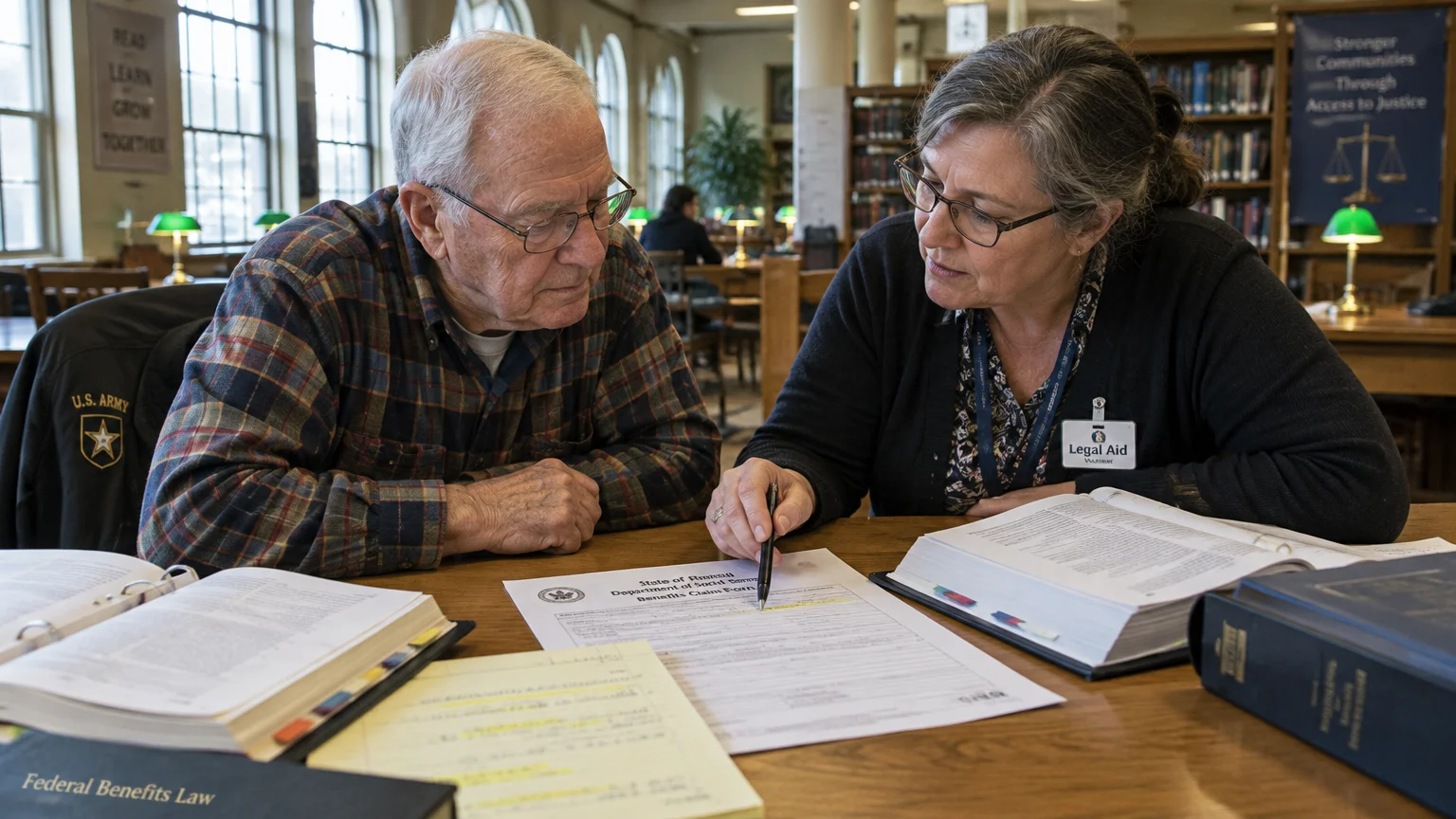
Navigating long-term care and public assistance rules alone can put your family’s life savings at serious risk. Certain complex legal and financial thresholds require experienced professional guidance.
Consult a licensed elder law attorney before spending down assets to qualify for Medicaid nursing home benefits. A single improper asset transfer can trigger long penalty periods that leave you without coverage.
Deciding when to start your retirement payments requires careful calculation. Review your earning records directly with the Social Security Administration (SSA) before locking in a reduced monthly benefit.
If you are considering a reverse mortgage to fund daily living expenses, consult a certified counselor. Work exclusively with a counselor approved by HUD Housing Counseling to ensure you understand all loan terms.
Frequently Asked Questions
How do I know if I qualify for low-income senior assistance?
Income limits vary significantly by program and state. Use the free screening tool at BenefitsCheckUp.org or call 1-800-794-6559 to check your eligibility for food, healthcare, and energy grants.
Are services provided by Area Agencies on Aging completely free?
Most core services like care management, resource navigation, and caregiver counseling are free. Certain in-home homemaker services or home-delivered meals may request a modest voluntary contribution based on your household budget.
Can anyone join AARP, or do you have to be retired?
Anyone aged 18 or older can join AARP by paying the $20 annual fee. However, some insurance products offered through their commercial partners still require members to be at least 50.
Where can I get free, unbiased help choosing a Medicare plan?
You can call the Medicare Rights Center at 1-800-333-4114 for independent guidance. You can also connect with your local State Health Insurance Assistance Program (SHIP) through the Eldercare Locator.
Next Steps for Securing Support
Take direct control of your household finances by reaching out to one resource on this list today. Whether you need help lowering utility bills or finding respite care, dedicated advocates are ready to assist you.
This article is for informational purposes only and does not constitute financial, legal, or tax advice. Rates, benefit amounts, and tax rules change regularly—verify current details with the relevant agency or a licensed professional.
Last updated: October 2026. Rates, benefit amounts, and tax rules change—always verify current details at official sources.