
You can cut your prescription drug expenses to nearly zero by qualifying for Medicare Extra Help. The Social Security Administration estimates this program saves beneficiaries roughly $5,700 each year.
If you meet standard income and asset benchmarks, you will pay no plan premiums and capped prescription copayments. You do not have to guess which application route fits your situation best.
Understanding the eight distinct enrollment paths ensures you secure your benefits quickly without leaving money on the table. Here is how you can apply for and maximize this essential Medicare subsidy.
Understanding Medicare Extra Help and 2026 Financial Thresholds
Medicare Extra Help, formally called the Part D Low-Income Subsidy (LIS), lowers medication expenses for qualifying enrollees. In 2026, roughly 13.6 million beneficiaries rely on this federal support.
Recent federal legislation permanently improved this program for American households. Under the Inflation Reduction Act, the partial subsidy tier disappeared, granting every eligible applicant full Extra Help benefits.
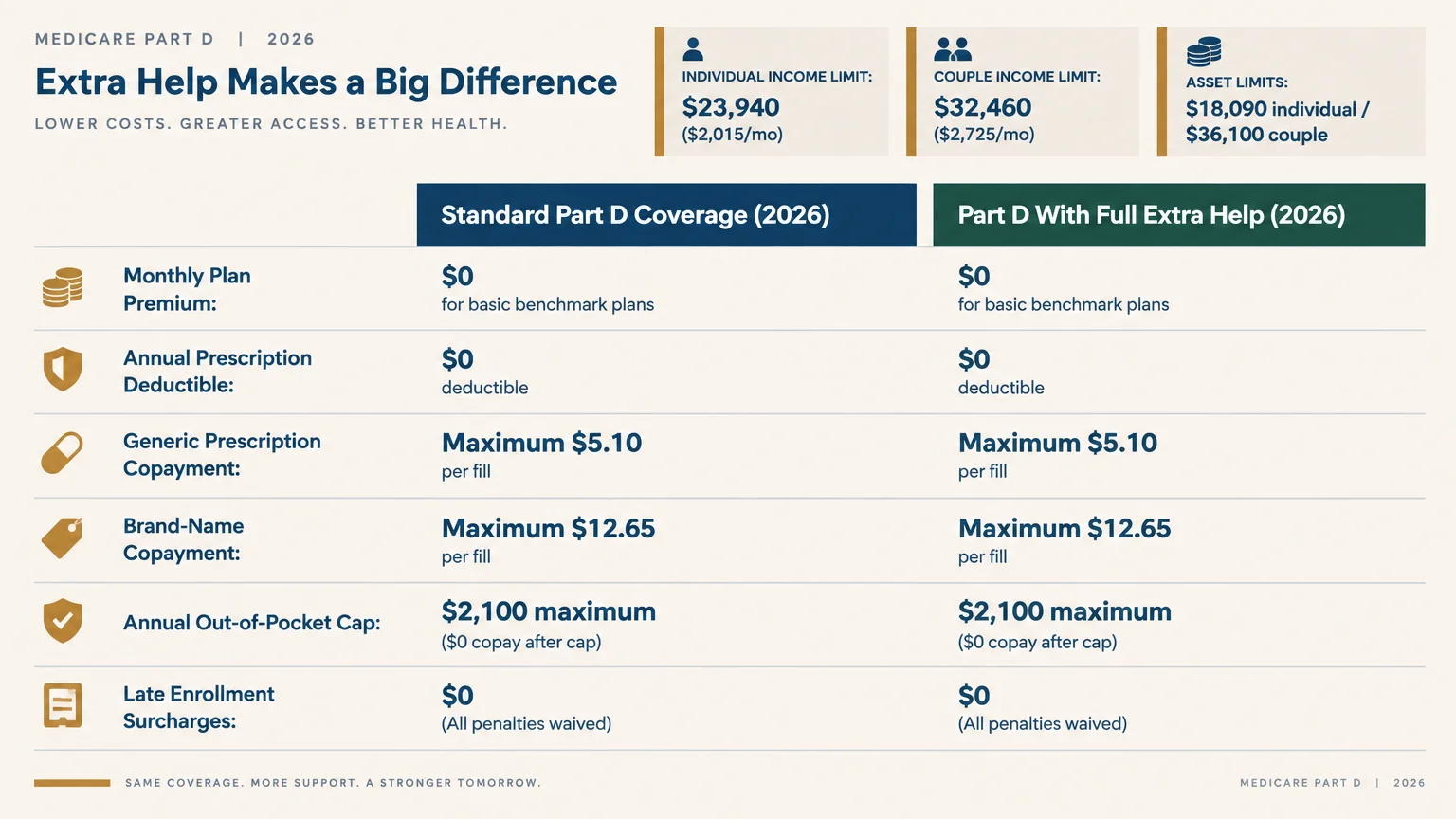
To qualify in 2026, an individual’s annual income must remain below $23,940. Married couples living together qualify if their combined annual income stays below $32,460.
The Social Security Administration also applies a standard $20 monthly unearned income disregard. This adjustment raises the effective monthly income limit to $2,015 for individuals and $2,725 for couples.
Asset thresholds also determine your eligibility. Countable resources in 2026 cannot exceed $18,090 for an individual or $36,100 for a married couple.
These resource caps include an automatic $1,500 allowance per person set aside for burial expenses. If you do not intend to use funds for burial, the limits drop to $16,590 and $33,100.
The government excludes your most valuable household possessions from this resource evaluation. Your primary residence, personal vehicle, household furnishings, wedding rings, and burial plots never count against you.
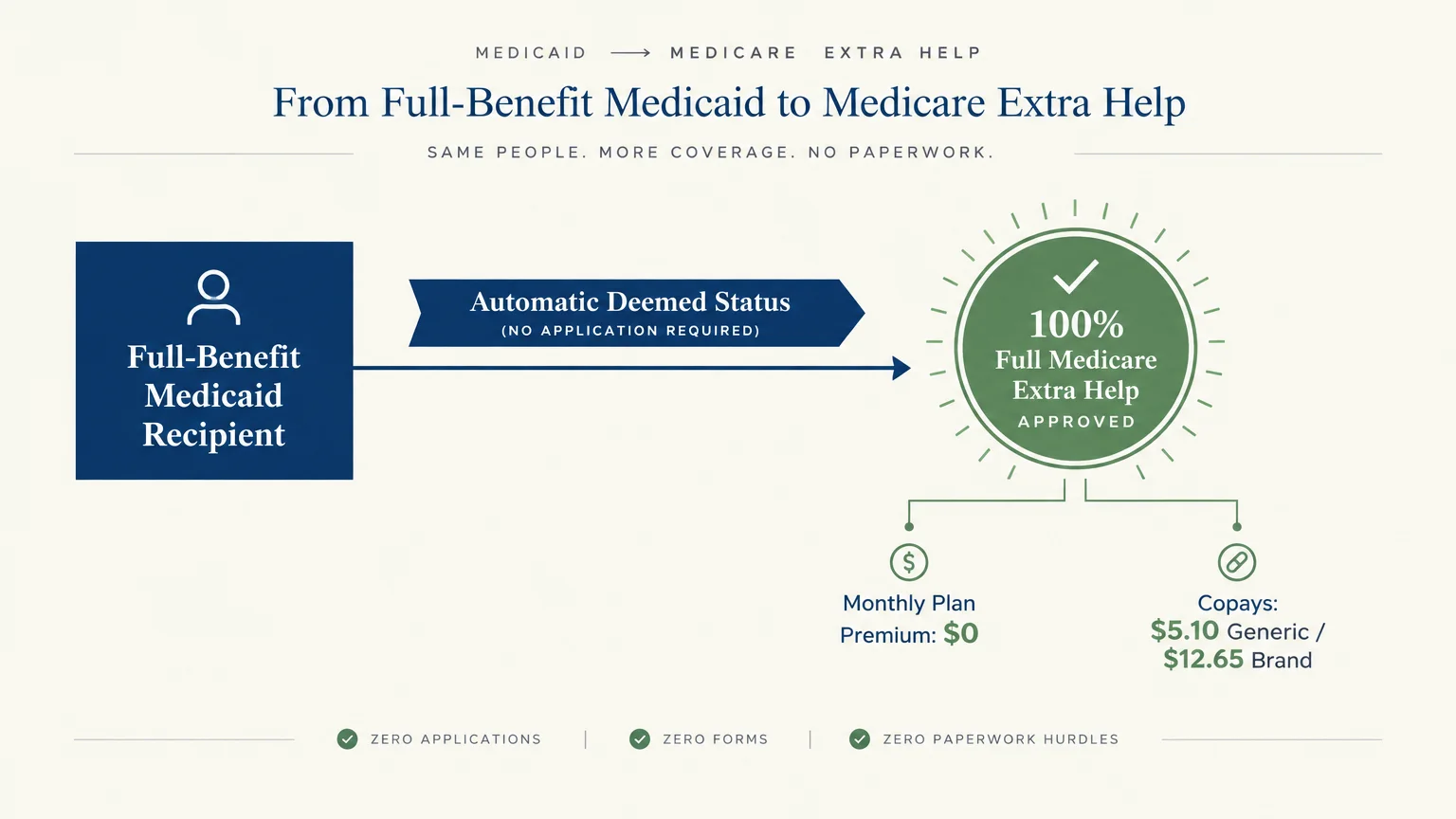
Once approved, your savings begin immediately at the pharmacy counter. In 2026, you pay no more than $5.10 for generic medications and $12.65 for brand-name drugs.
You also receive a $0 plan deductible and pay a $0 premium for basic benchmark Part D plans. Furthermore, Extra Help waives all Part D late enrollment penalties permanently.
Your total out-of-pocket prescription expenses cannot exceed $2,100 for the entire 2026 calendar year. Once you hit that cap, you pay $0 for covered prescriptions for the remaining months.
| Coverage Feature | Standard Part D Coverage (2026) | Part D With Full Extra Help (2026) |
|---|---|---|
| Monthly Plan Premium | Varies by private plan | $0 for basic benchmark plans |
| Annual Prescription Deductible | Up to standard plan limit | $0 deductible |
| Generic Prescription Copayment | Standard plan tier rate | Maximum $5.10 per fill |
| Brand-Name Prescription Copayment | Standard plan tier rate | Maximum $12.65 per fill |
| Annual Out-of-Pocket Cap | $2,100 maximum | $2,100 maximum ($0 copay after cap) |
| Late Enrollment Surcharges | Permanent monthly penalty | $0 (All penalties waived) |
“A budget is telling your money where to go instead of wondering where it went.” — John C. Maxwell
1. Apply Online Through the Social Security Administration Portal
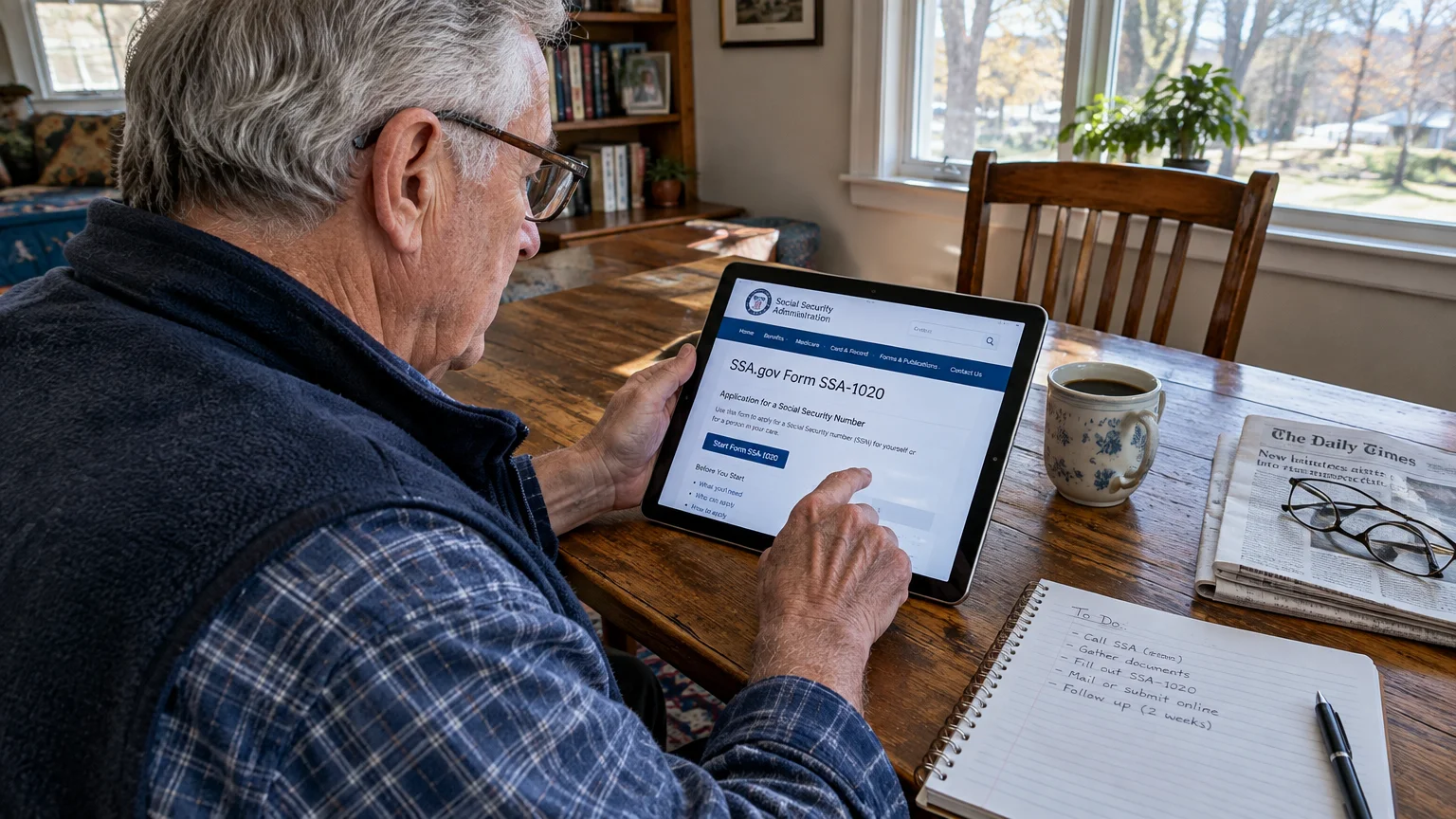
The quickest way to submit your application is through the official Social Security website. You can access the digital Form SSA-1020 directly at SSA.gov from any computer or tablet.
The digital portal guides you through each section with straightforward questions about your household income and assets. You do not need to create a specialized account to complete this form.
The system allows you to pause your work and return later if you need to gather account statements. It issues a temporary tracking code so you can resume your session securely.
Once you finish, you sign the document electronically and submit it instantly. The portal provides an immediate confirmation number that verifies the government received your materials.

2. Complete Your Application by Phone With an SSA Representative
You can complete the entire application over the telephone if you prefer direct personal assistance. Calling the Social Security Administration allows an agent to enter your financial figures for you.
Dial 1-800-772-1213 on weekdays between 8:00 a.m. and 7:00 p.m. to connect with a representative. Callers who are deaf or hard of hearing can dial the TTY line at 1-800-325-0778.
Wait times tend to be shorter later in the week and during mid-afternoon hours. Having your monthly income statements and bank account totals nearby will expedite your phone call.
The agent reads the questions aloud, records your answers, and submits the claim on your behalf. They can also mail you a paper summary of your submitted statements for your household records.

3. Schedule an In-Person Appointment at a Local SSA Field Office
Visiting a local Social Security office provides face-to-face guidance for complex household situations. Field office specialists can review your physical documents and answer questions before submitting your claim.
You can locate your nearest field office using the locator tool on the Social Security website. Calling ahead to schedule a specific appointment time prevents long waits in crowded office lobbies.
Bring physical copies of your tax filings, bank balances, and retirement statements to your meeting. The representative verifies these documents on the spot, preventing follow-up requests by mail.
In-person filing works particularly well for married couples who have separate financial accounts. The specialist ensures both spouses report their assets accurately under federal guidelines.
4. Mail a Physical Paper Application Using Form SSA-1020
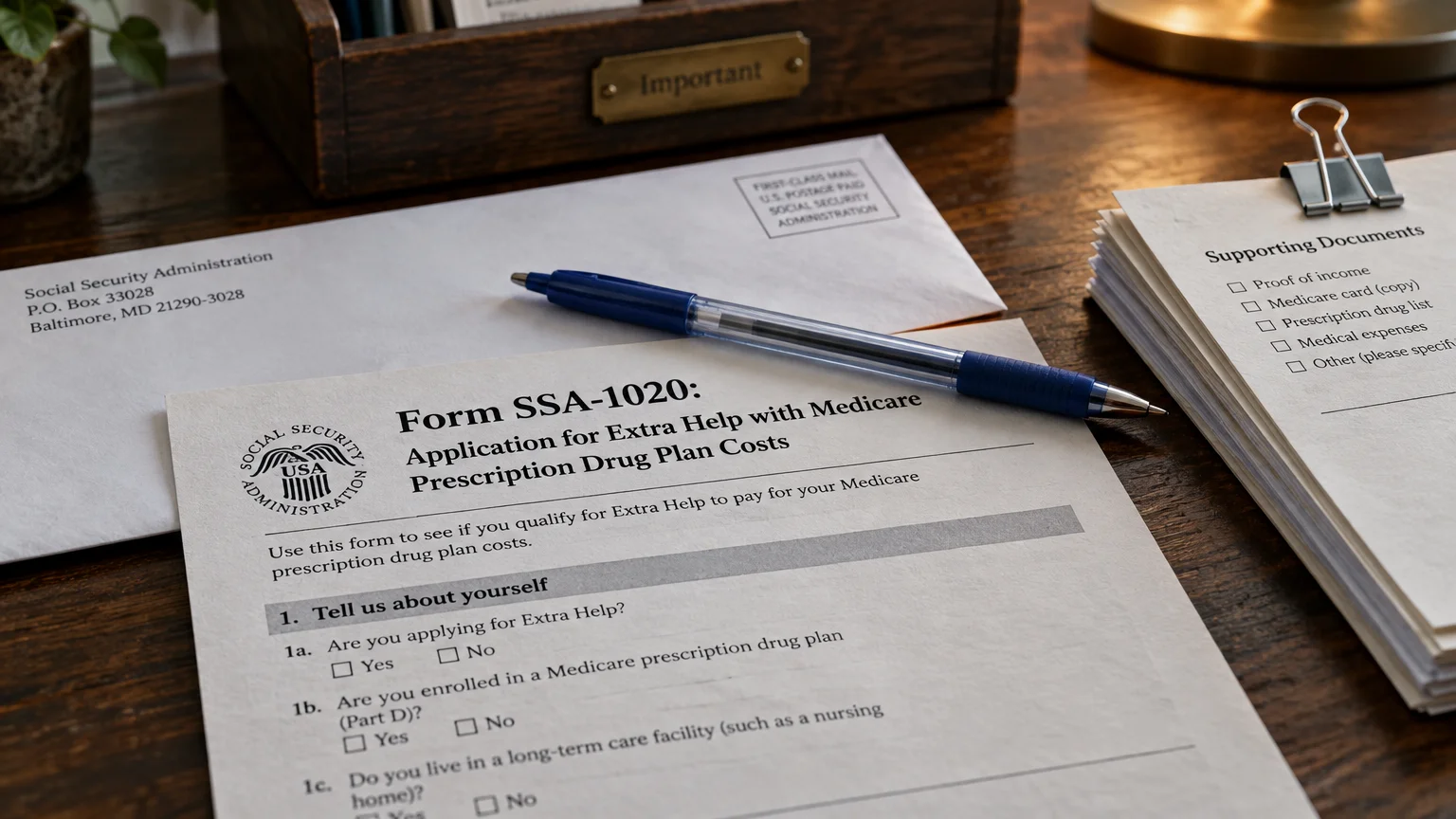
You can use a traditional paper form if you do not want to apply online or over the telephone. The physical document is titled Form SSA-1020, Application for Extra Help with Medicare Prescription Drug Plan Costs.
You can request a blank paper form by calling the Social Security Administration directly. Alternatively, you can download and print the document from the agency’s official forms archive.
Fill out the form using black ink and print your responses clearly inside the designated boxes. Answer every question regarding your real estate holdings, investment accounts, and wage income.
Sign the completed document and mail it to the processing center listed in the instruction packet. Consider using certified mail with delivery tracking so you know exactly when the agency receives it.
5. Gain Automatic Eligibility Through Full-Benefit Medicaid
You do not need to submit Form SSA-1020 if you already receive full Medicaid benefits from your state. Federal regulations deem full Medicaid recipients automatically qualified for Medicare Extra Help.
Your state Medicaid agency transmits your enrollment data directly to the Centers for Medicare & Medicaid Services. The federal government matches your records and enrolls you in the subsidy automatically.
Medicare mails a distinctive purple notice confirming that your prescription drug subsidy is active. This notice proves your low-income subsidy status to pharmacies while your plan updates its records.
If you do not currently have Medicaid, applying through your state social services department secures two programs at once. Gaining Medicaid automatically resolves your Medicare Part D prescription expenses.
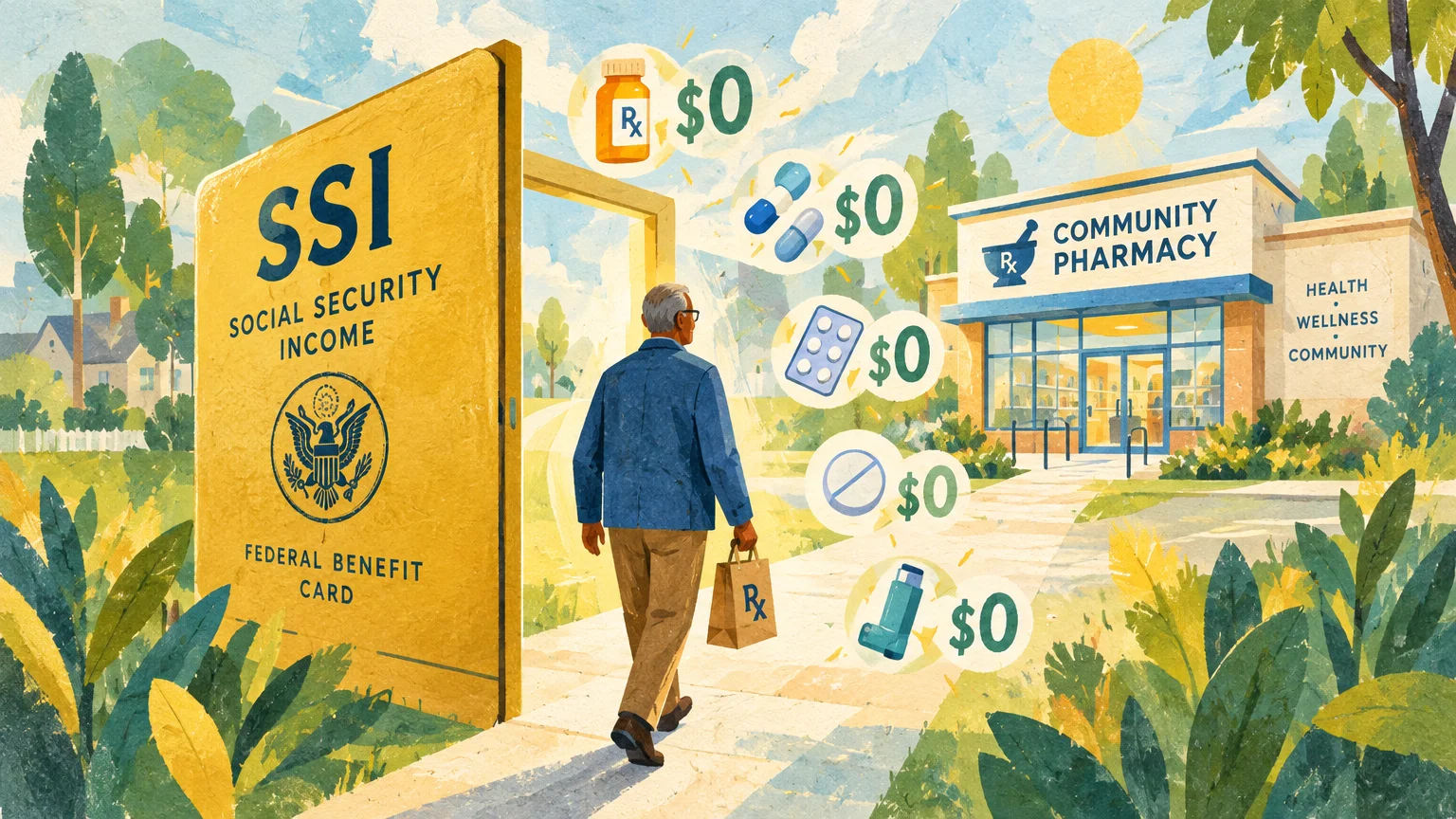
6. Qualify Automatically via Supplemental Security Income (SSI)
Receiving monthly Supplemental Security Income cash payments guarantees your eligibility for Extra Help. Because SSI requires strict financial means testing, you bypass all Part D subsidy paperwork entirely.
The Social Security Administration manages both SSI and the Extra Help program database. The agency automatically connects your benefit profile to Medicare Part D without requiring extra applications.
This automatic bridge protects low-income seniors and disabled individuals from bureaucratic delays. You receive the full subsidy tier as long as your monthly SSI payments remain active.
Check your monthly benefit statement to confirm your SSI status if you are unsure about your coverage. Anyone receiving SSI payments can immediately use Extra Help benefits at their local pharmacy.
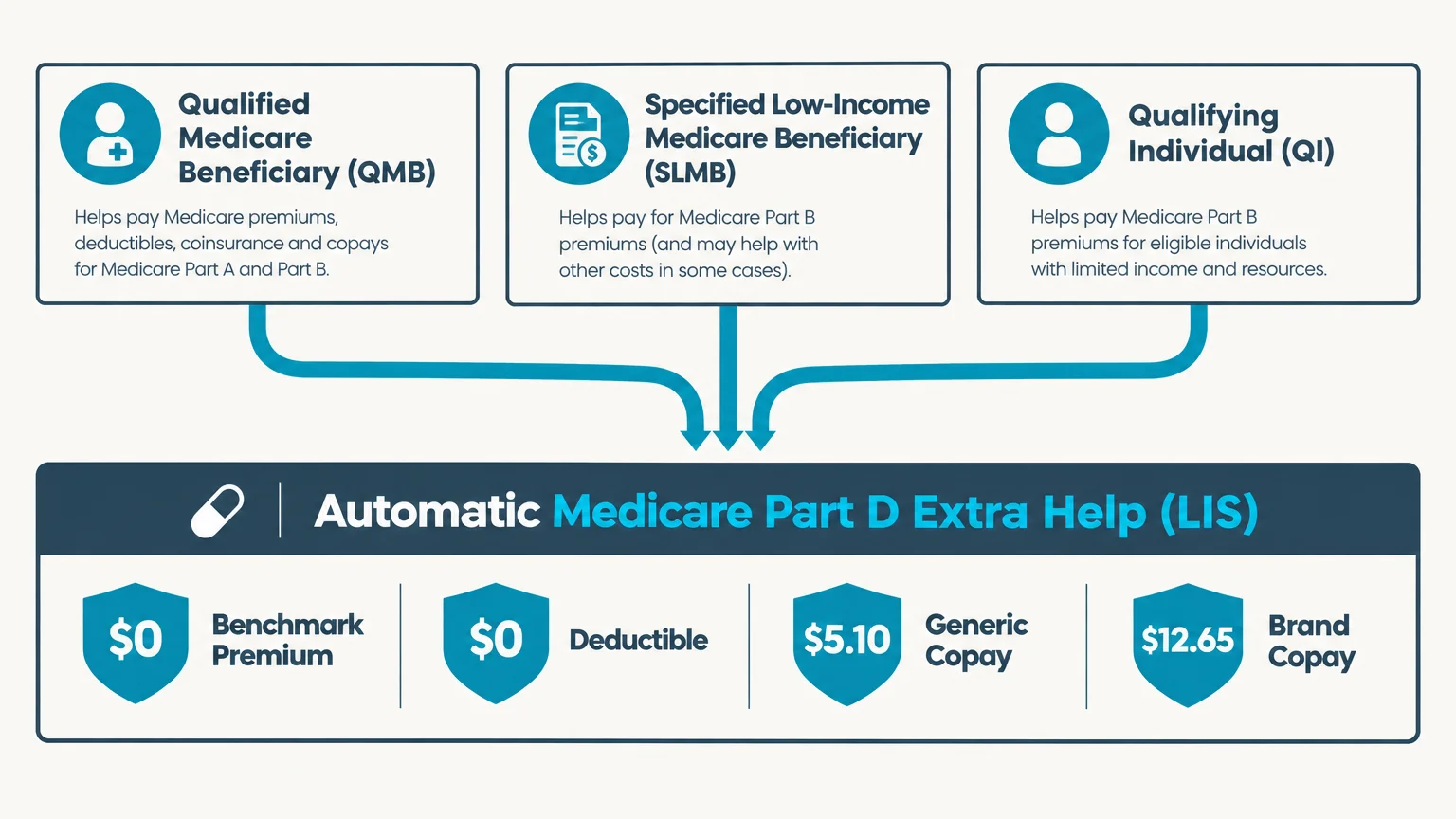
7. Trigger Automatic Help Through Medicare Savings Programs (MSP)
Enrolling in a state Medicare Savings Program automatically awards you full Extra Help benefits. These state-administered programs help low-income beneficiaries pay their Medicare Part A and Part B costs.
Programs like Qualified Medicare Beneficiary (QMB) and Specified Low-Income Medicare Beneficiary (SLMB) pay your monthly Part B premium. Once approved for an MSP, your state notifies Medicare of your status.
Medicare then activates your Extra Help subsidy without requiring a separate Form SSA-1020 filing. Review standard Medicare rules at Medicare.gov to see how Part B and Part D coordinate.
This automatic pathway provides substantial combined savings on your monthly healthcare expenses. You eliminate both your Part B premium deductions and your Part D drug deductibles simultaneously.

8. Apply With Free Community Guidance From SHIP or Your Area Agency on Aging
You can complete your application with personalized assistance from a State Health Insurance Assistance Program (SHIP) counselor. SHIP provides free, unbiased healthcare guidance to Medicare beneficiaries across every state.
Local counselors help you gather paperwork, confirm your household income, and submit your application accurately. They do not sell insurance products and focus solely on maximizing your available public benefits.
Your local Area Agency on Aging also employs dedicated benefits specialists who assist older adults. These advocates can visit homebound seniors or arrange private consultations at community senior centers.
Working with a community counselor ensures you do not overlook state-specific pharmaceutical assistance programs. These advocates verify that you claim every allowable deduction before submitting your materials.
“Do not save what is left after spending, but spend what is left after saving.” — Warren Buffett
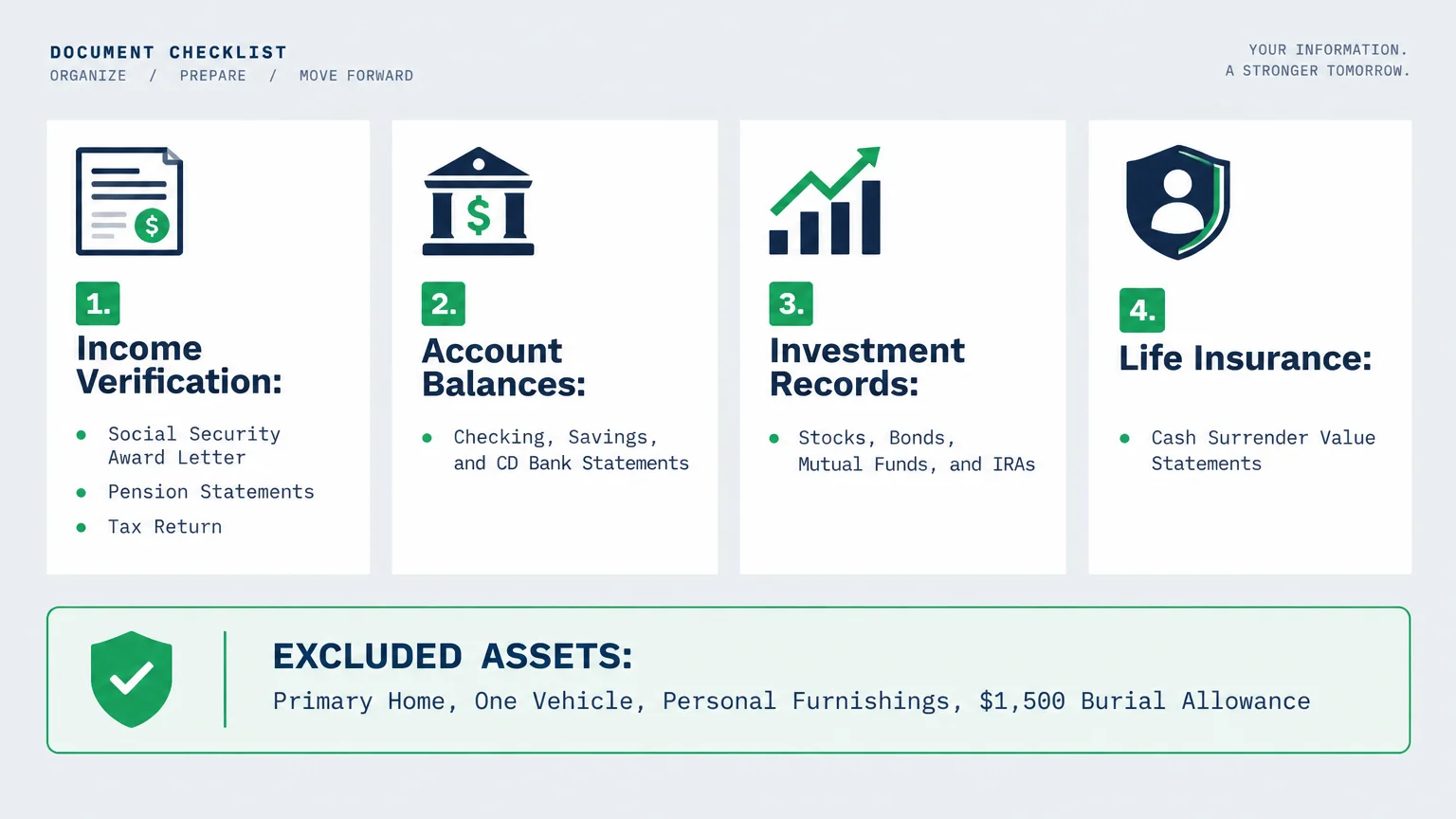
Documents You Need Before Starting Form SSA-1020
Gathering your financial records before starting your application prevents errors and administrative delays. The Social Security Administration verifies your reported numbers against federal tax filings and bank records.
Having exact balances ready ensures you report figures that match official government databases. Collect the following documents for yourself and your spouse before you begin:
- Recent statements for all checking, savings, and certificate of deposit accounts.
- Current investment records for stocks, bonds, mutual funds, and individual retirement accounts.
- Benefit verification letters for Social Security, pensions, annuities, and veterans benefits.
- Pay stubs covering your most recent work periods if you or your spouse earn wages.
- Most recent federal income tax returns, including Form 1040 and all supporting schedules.
- Current Medicare cards showing each applicant’s Medicare Beneficiary Identifier.
- Tax assessments or deeds for any real estate you own other than your primary home.
You do not need to send copies of these records with your initial application form. However, keeping them accessible allows you to answer every financial question quickly and accurately.
The government will contact you directly by mail if they require physical proof for specific assets. Responding promptly to any verification notice keeps your application moving forward smoothly.

The Automatic Dual-Enrollment Advantage: Connecting With State Programs
Submitting Form SSA-1020 provides a valuable secondary benefit that many applicants miss. Under federal law, the SSA automatically shares your application data with your state Medicaid agency.
Your state uses this shared data to initiate an application for a Medicare Savings Program. If approved, the state begins paying your standard Part B monthly premium automatically.
Form SSA-1020 includes a specific question asking whether you consent to this data transfer. You should allow this data share unless you have a compelling legal reason to decline.
Declining the transfer forces you to complete a separate, lengthy application through your state office. Letting the SSA share your information saves hours of paperwork and unlocks dual financial relief.
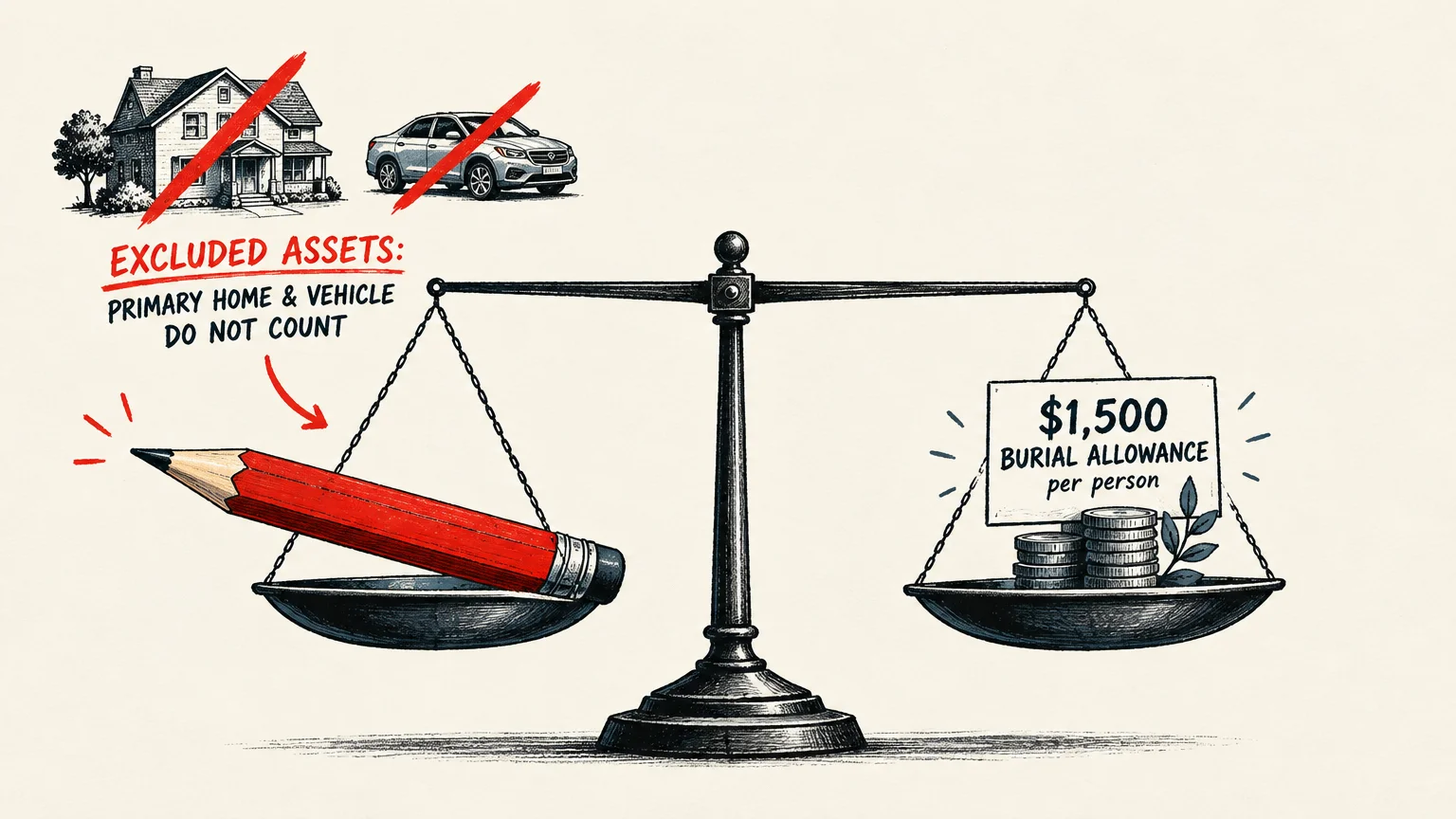
Costly Mistakes to Avoid When Applying for Extra Help
Many eligible households leave thousands of dollars on the table due to common application mistakes. Learning these pitfalls ensures you secure your benefits without unnecessary delays.
First, never assume your home or car disqualifies you from receiving drug assistance. Your primary residence and one personal vehicle never count toward the federal asset limit.
Second, do not wait for the annual fall Medicare Open Enrollment period to apply. You can apply for Extra Help at any point during the calendar year.
Third, do not pay Part D late enrollment penalties without checking your subsidy eligibility first. Extra Help permanently waives all accumulated late enrollment penalties once your claim is approved.
Fourth, avoid opting out of the automated state Medicaid data exchange on your form. Opting out forfeits an effortless path to having your monthly Part B premiums covered.
Fifth, never omit secondary financial accounts or small retirement balances from your application. Federal agencies cross-reference data with financial institutions, and omissions can trigger benefit denials or fraud investigations.
Review consumer protection guidelines at the Consumer Financial Protection Bureau to safeguard your personal financial documents. Protecting your identity ensures your public benefit claims process without disruption.

Don’t DIY These Decisions: When to Seek Professional Guidance
While most Medicare beneficiaries can file Form SSA-1020 independently, certain financial situations require professional advice. Misinterpreting income rules can lead to subsidy denials or tax complications.
You should consult a certified benefits counselor or elder law attorney if you own non-liquid assets. Family farms, commercial properties, vacation homes, and family businesses require careful legal review.
Seek professional guidance if you are setting up trusts for a disabled family member. Improperly structured asset transfers can disrupt Medicaid eligibility even if they satisfy Extra Help thresholds.
Pre-retirees should work with a fee-only financial planner to coordinate retirement account withdrawals. Strategically timing distributions from traditional IRAs can keep your income beneath the $23,940 annual threshold.
If the Social Security Administration denies your subsidy application, contact a local SHIP counselor immediately. These trained advocates help you interpret denial letters and file formal appeals at no cost.
Frequently Asked Questions About Medicare Drug Cost Help
Can I apply for Extra Help if I live in Puerto Rico or another U.S. territory?
No, federal Extra Help is only available to residents living in the 50 states and Washington, D.C. Beneficiaries in Puerto Rico, Guam, and the U.S. Virgin Islands must seek assistance through local territory programs.
How long does the Social Security Administration take to process my application?
Online applications generally process within three to four weeks from your submission date. Paper applications sent through the mail often take six to eight weeks depending on local office volume.
Does Extra Help cover my prescriptions if I enter the coverage gap?
Yes, Extra Help enrollees never pay standard coverage gap prices for their medications. You pay low copayments until your total spending reaches the $2,100 out-of-pocket maximum in 2026.
What happens if my household income changes after I get approved?
You must notify the Social Security Administration when your income or marital status changes significantly. The agency conducts periodic reviews to verify your ongoing eligibility for the subsidy program.
Take Action to Secure Your Prescription Savings
Prescription medications represent one of the largest ongoing expenses for American households today. Submitting your Extra Help application today can lower your drug copayments and eliminate plan premiums immediately.
Choose the application pathway that matches your personal preferences and gather your financial records. Taking thirty minutes to complete this simple process puts thousands of dollars back into your budget.
Information in this article reflects rules and figures current as of the publication date and may change. Always confirm details directly with your bank, the IRS, the Social Security Administration, or other official sources before making decisions.
Last updated: October 2026. Rates, benefit amounts, and tax rules change—always verify current details at official sources.