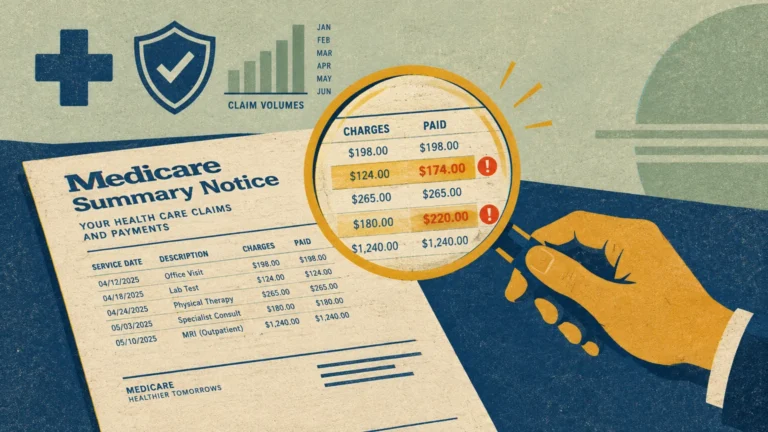
Eliminating bloated overhead can free up nearly $30,000 each year to supercharge your household cash flow. Trimming major structural costs creates instant financial breathing room without forcing painful lifestyle sacrifices.
The typical American household loses thousands of dollars annually to recurring overhead, like idle second vehicles and high-interest debt. Even small recurring fees quietly drain your hard-earned wealth month after month.
Targeting these nine specific areas provides immediate retirement budgeting tips to protect your nest egg. You can execute these practical adjustments starting today to reduce monthly spending permanently.

1. Transitioning to a Single Household Vehicle
Owning a personal vehicle costs far more than just gasoline and routine oil changes. Financing payments, state registrations, comprehensive insurance, and rapid depreciation quietly drain thousands from your budget.
According to the American Automobile Association, owning and operating a new vehicle costs an average of $12,297 annually. That amounts to more than $1,024 leaving your bank account every single month.
If you work remotely or enter retirement, maintaining two vehicles often becomes an unnecessary luxury. Sharing one dependable vehicle instantly cuts your transportation overhead in half.
You can supplement occasional scheduling conflicts with rideshare services or public transit. Doing so preserves the vast majority of that $12,000 annual windfall.

2. Rightsizing Your Living Space and Housing Overhead
Housing represents the largest single spending category for American families across every demographic. Data from the Bureau of Labor Statistics reveals that households spend an average of $26,266 annually on shelter.
That single category consumes more than 33% of the typical household budget. When adult children move away, maintaining surplus bedrooms and expansive yards becomes an expensive chore.
Downsizing to a smaller home, condo, or lower-tax municipality significantly lowers your structural costs. You instantly reduce local property tax assessments, structural insurance premiums, and monthly utility bills.
Smaller properties also require substantially less capital for routine maintenance and long-term repairs. This structural adjustment regularly frees up $8,000 to $12,000 in disposable cash each year.
3. Eradicating High-Interest Credit Card Balances
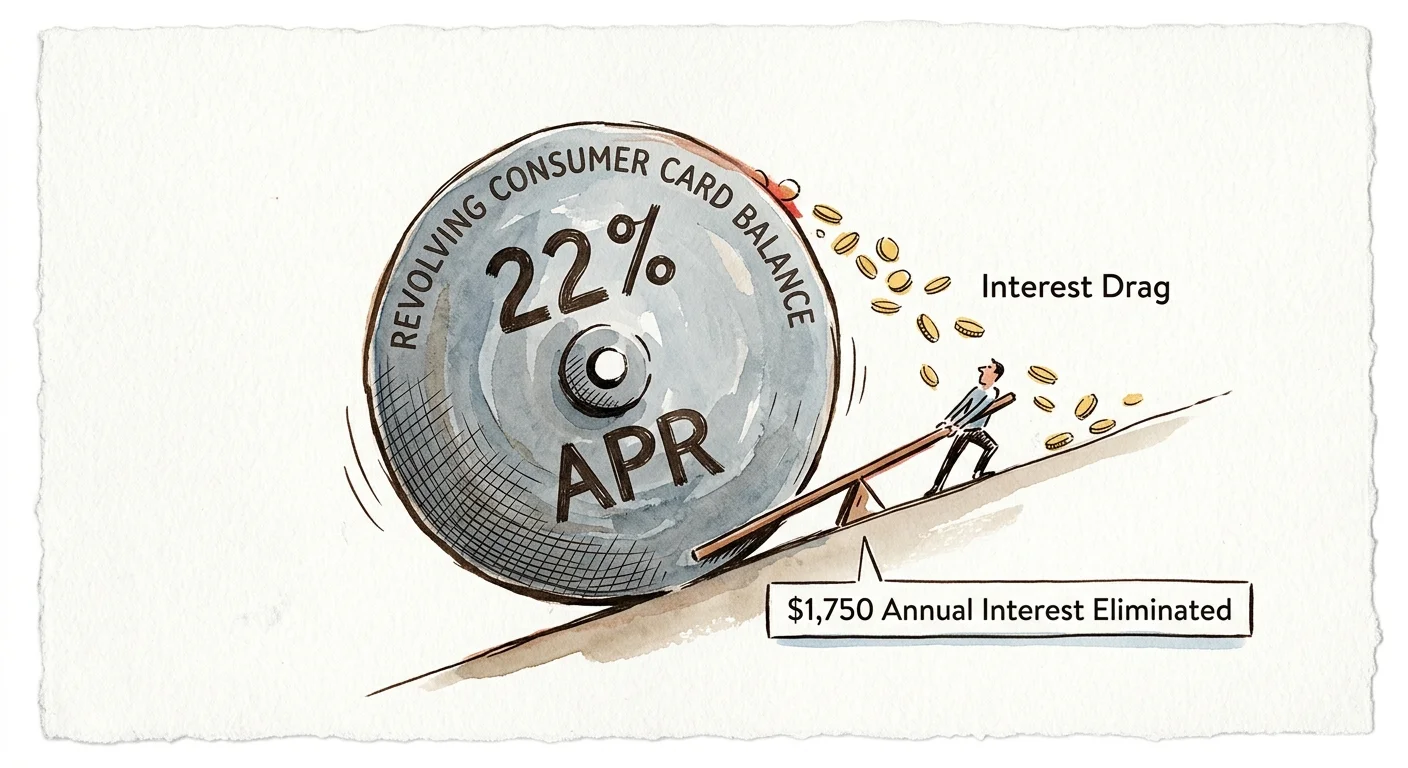
Revolving consumer debt acts as a severe drag on your household financial momentum. Data published by the Federal Reserve shows average credit card interest rates hover near 22%.
Carrying an average revolving balance of $8,000 costs roughly $1,750 per year in pure interest charges alone. That money produces zero lasting equity or tangible value for your household.
You can attack this balance aggressively using either the debt avalanche or debt snowball method. Eliminating this toxic debt instantly puts hundreds of dollars back into your pocket every month.
You can also use free educational tools from the Consumer Financial Protection Bureau to structure a workable repayment roadmap. Once paid off, you keep that interest money permanently.

4. Curtailing Restaurant Meals and Food Delivery
Convenience dining is one of the easiest ways to bleed cash without realizing it. Delivery service apps and frequent restaurant visits carry massive service fees, tips, and marked-up menu pricing.
Consumer expenditure records show that the typical American household allocates $3,945 annually to food prepared away from home. That amounts to nearly $330 spent every single month on convenience meals.
Replacing five restaurant meals each month with home-cooked meals easily saves $2,000 to $2,500 each year. Batch cooking and strategic grocery shopping yield substantial savings without sacrificing culinary quality.
Reserve dining out for meaningful celebrations rather than rushed weekday convenience. This mindset shift lets you savor both your dining experiences and your monthly savings.

5. Auditing Telecom Packages and Dropping Cable Bundles
Traditional cable television packages continue to levy escalating hardware fees, regional sports surcharges, and franchise fees. Industry tracking indicates the average monthly cable bundle now exceeds $187 per household.
That totals over $2,250 every year for hundreds of channels you rarely watch. You can slash this expense dramatically by decoupling high-speed internet from obsolete broadcast packages.
Switching to a standalone high-speed internet connection paired with two rotating streaming services costs roughly $73 per month. This straightforward adjustment preserves your favorite entertainment while saving approximately $1,400 annually.
Remember to cancel unused streaming channels once you finish watching a specific series. Rotating platforms quarterly prevents digital subscription creep from eroding your hard-earned progress.

6. Migrating Mobile Phone Service to MVNO Carriers
Major wireless carriers charge premium rates to support brick-and-mortar storefronts and costly promotional advertising. Most consumers pay between $80 and $100 per line monthly for unlimited data packages.
Mobile Virtual Network Operators, or MVNOs, lease excess network capacity from those same major cellular towers. They deliver identical coverage and data speeds at a fraction of the retail cost.
Carriers like Mint Mobile, Visible, and Consumer Cellular provide reliable unlimited talk and data for $25 to $35 monthly. Switching a two-line household saves an average of $600 each year.
Bringing your own paid-off smartphone lets you switch carriers seamlessly in minutes. You retain your existing mobile phone number without signing restrictive multi-year contracts.

7. Optimizing Medicare Formularies and Prescription Coverage
Healthcare expenses represent a major line item for pre-retirees and retirees alike. Prescription drug pricing, tier structures, and copayments vary significantly across different Medicare Part D and Medicare Advantage plans.
Recent federal legislation established a $2,000 annual out-of-pocket cap on prescription medications under Medicare Part D. However, staying enrolled in an unoptimized formulary can still cost you thousands in unnecessary premiums.
You should review your coverage options annually through Medicare.gov during open enrollment. Comparing local pharmacy networks and medication tiers regularly uncovers $1,000 to $2,000 in direct annual savings.
Requesting generic drug alternatives from your physician can also reduce monthly copays immediately. Routine formulary audits ensure you never pay inflated prices for essential maintenance prescriptions.
8. Eliminating Redundant Life Insurance and Ghost Subscriptions
Life insurance serves a vital role during your working years by replacing lost income and shielding dependents. However, your underlying insurance needs change as mortgages clear and children achieve financial independence.
Carrying unneeded term policies or costly whole-life contracts drains cash that could bolster liquid reserves. Eliminating expired coverage needs often saves between $1,000 and $1,800 in annual premium payments.
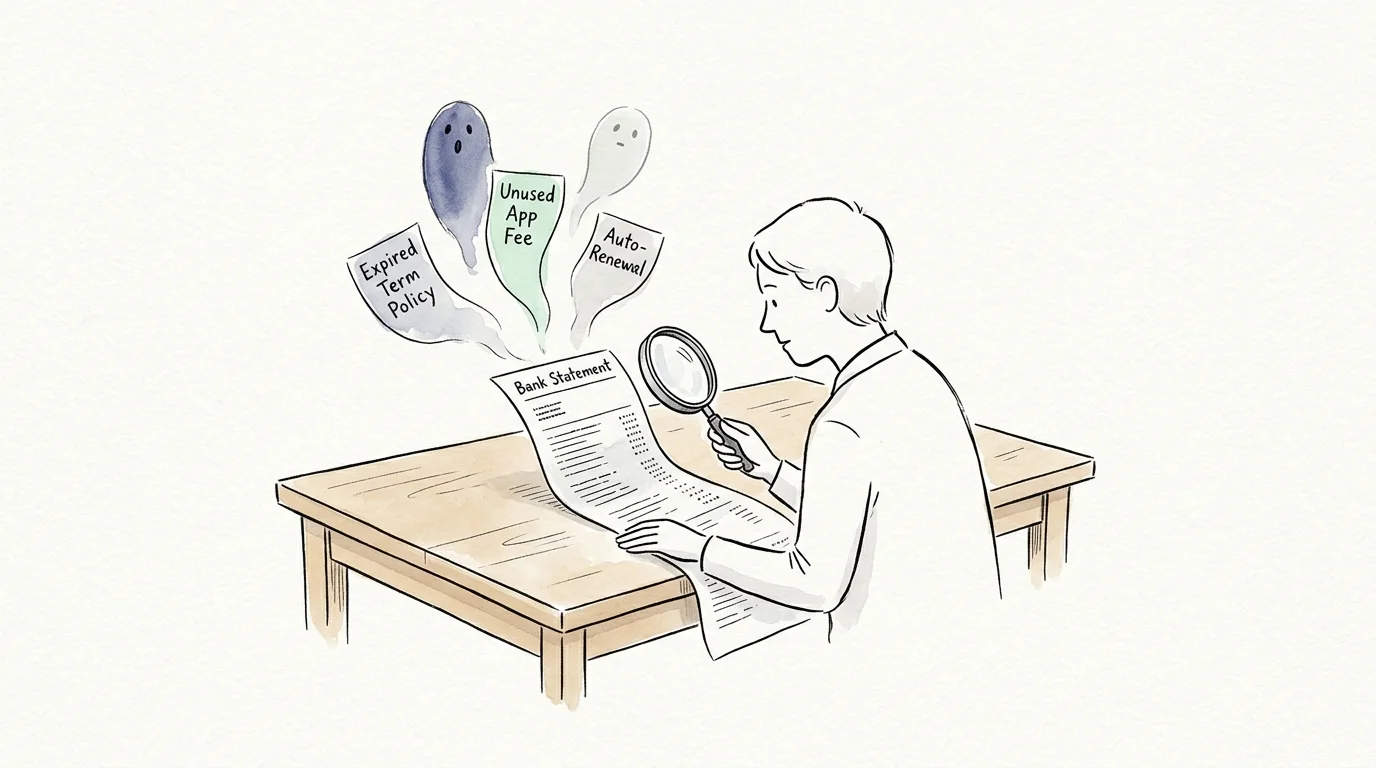
In addition, recurring digital memberships, unused fitness clubs, and forgotten software licenses quietly erode household wealth. An annual subscription audit typically recovers an extra $500 to $800 in forgotten recurring charges.
Review twelve months of bank and credit card statements to isolate every automated recurring charge. Cancel anything you have not utilized within the preceding ninety days.

9. Streamlining Out-of-Pocket Healthcare and Dental Costs
Out-of-pocket medical and dental spending can quickly destabilize a carefully planned household budget. Fidelity estimates that a typical 65-year-old couple will spend approximately $12,850 on healthcare expenses during their first retirement year.
You can actively manage these expenditures by establishing clear preventive care routines. Annual physicals, routine dental cleanings, and timely vision checks catch emerging conditions before they require complex, expensive interventions.
Take full advantage of Health Savings Accounts (HSAs) if you maintain an eligible high-deductible health plan. HSA contributions grow completely tax-free and withdrawals for qualified medical expenses remain exempt from federal income taxes.
For dental care, consider preventive discount networks or dental savings clubs rather than overpriced individual insurance plans. These adjustments systematically conserve $1,000 to $1,500 each year in out-of-pocket medical bills.

Summary of Potential Annual Household Savings
| Expense Category | Typical Current Cost | Optimized Strategy | Estimated Annual Savings |
|---|---|---|---|
| Second Household Vehicle | $12,297 / year | Transition to a single-car household | $11,500 |
| Housing Space & Maintenance | $26,266 / year | Downsize to a smaller footprint | $8,500 |
| Dining Out & Food Delivery | $3,945 / year | Increase home meal preparation | $2,200 |
| High-Interest Credit Cards | $1,750 / year (interest) | Accelerate debt elimination | $1,600 |
| Cable Television Bundle | $2,250 / year | Internet plus lean streaming | $1,400 |
| Major Carrier Mobile Plans | $1,920 / year (2 lines) | Switch to an MVNO network | $600 |
| Medicare Part D Formularies | Variable copays & tiers | Annual plan & pharmacy comparison | $1,500 |
| Redundant Policies & Subs | $2,400 / year | Drop unneeded coverage & apps | $1,200 |
| Out-of-Pocket Medical & Dental | $12,850 / year (couples) | Utilize HSAs & discount dental | $1,100 |
| Total Potential Savings | — | Systematic Expense Optimization | $29,600 |
Compounding these tactical adjustments produces an aggregate annual savings total of approximately $29,600. Deploying that reclaimed capital into liquid reserves or income-producing assets permanently strengthens your household solvency.

Strategic Retirement Budgeting Principles
“Do not save what is left after spending, but spend what is left after saving.” — Warren Buffett
Sustainable wealth accumulation requires intentional cash management rather than passive frugality. Establishing clear guardrails around your monthly cash flow shields your hard-earned assets from gradual lifestyle inflation.
Adopting proven retirement savings strategies ensures your capital works for you throughout your golden years. Prioritizing systematic allocations over arbitrary spending decisions gives your family long-term financial stability.
- Automate monthly transfers to dedicated high-yield savings accounts or low-cost index funds.
- Review bank and credit card statements quarterly to identify subscription drift.
- Maintain a dedicated sinking fund for periodic vehicle and home maintenance needs.
- Prioritize high-interest consumer debt elimination before increasing discretionary lifestyle spending.
Small behavioral adjustments build significant financial security when sustained across multiple years. Staying disciplined with your baseline allocations protects your future purchasing power against persistent inflation.

Costly Mistakes to Avoid
Slashing household overhead requires a balanced approach to avoid creating expensive downstream liabilities. Cutting the wrong categories can trigger severe financial penalties or compromise your physical well-being.
Avoid canceling comprehensive health coverage or property casualty insurance just to save on premiums. A single uninsured medical crisis or house fire can permanently wipe out your family savings.
Similarly, deferring routine home or vehicle maintenance creates catastrophic repair bills later. Servicing your roof, heating equipment, and vehicle brakes prevents minor issues from ballooning into multi-thousand-dollar emergencies.
Do not raid your tax-advantaged retirement accounts to cover short-term consumer debt payments. Early withdrawals trigger punishing taxes and destroy the long-term compound growth of your retirement savings.

Don’t DIY These Decisions
While trimming grocery and telecom bills is straightforward, complex financial maneuvers require experienced professional guidance. Navigating complex tax liabilities, estate plans, or Medicare enrollments without expert advice can prove costly.
Consult a fee-only Certified Financial Planner (CFP) to design an integrated retirement distribution strategy. Fee-only fiduciaries operate under legal obligations to place your best interests above all product sales commissions.
Work with a Certified Public Accountant (CPA) when downsizing property or reallocating taxable investment assets. A qualified tax professional helps minimize capital gains exposure and optimizes long-term deductions.
If you struggle with housing affordability or mortgage modifications, contact a HUD-approved housing counselor. The Department of Housing and Urban Development provides access to verified counseling agencies across the country.
Finally, consult an independent State Health Insurance Assistance Program (SHIP) counselor for unbiased Medicare enrollment advice. SHIP counselors help evaluate supplemental drug plans without attempting to sell you private insurance products.
Frequently Asked Questions
How quickly can I realistically save money in retirement with these cuts?
You can eliminate smaller recurring expenses like subscriptions and mobile phone bills within a single afternoon. Larger adjustments like eliminating a vehicle or downsizing take several weeks but yield immediate four-figure monthly savings.
Is it worth selling a second car if it is already completely paid off?
Yes, because financing is only one component of vehicle expenses. You still pay thousands annually for insurance, fuel, state inspections, routine maintenance, and ongoing depreciation on an idle car.
How do I cut retirement expenses without sacrificing my overall quality of life?
Focus on eliminating financial friction rather than depriving yourself of enjoyable activities. Rightsizing telecom packages, slashing credit card interest, and swapping cell providers preserve your everyday lifestyle while saving thousands.
What is the fastest expense category to reduce immediately?
Auditing your recurring digital subscriptions and dining out habits produces immediate cash flow relief this week. You can cancel unused streaming channels in minutes and plan weekly meals to cut dining out spending instantly.
Next Steps for Your Household Budget
Reducing your structural household expenses gives you immediate control over your financial destiny. Pick one category today—such as reviewing your telecom bills or auditing recurring subscriptions—and take decisive action.
Information in this article reflects rules and figures current as of the publication date and may change. Always confirm details directly with your bank, the IRS, the Social Security Administration, or other official sources before making decisions.
Last updated: February 2026. Rates, benefit amounts, and tax rules change—always verify current details at official sources.