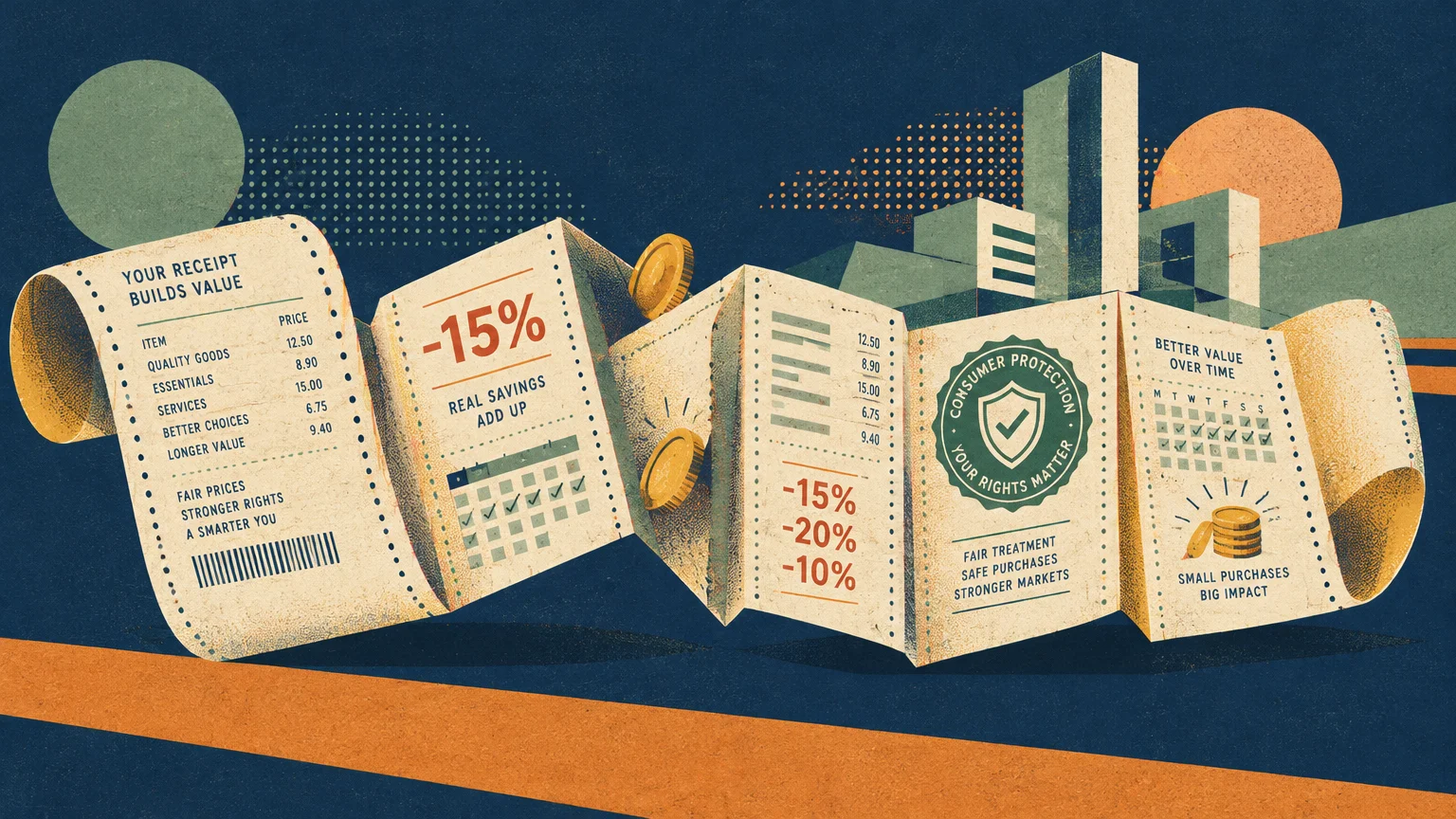
Most shoppers treat paper and digital receipts as disposable clutter, tossing them into the wastebasket before leaving the store parking lot. That single habit quietly drains hundreds of dollars from your household budget each year.
When you check your receipts, you unlock instant overcharge refunds, statutory consumer bounties, and effortless retail price adjustments. Those small slips of paper provide verified financial proof that actively defends your cash flow.
An intentional receipt habit transforms routine shopping debris into tangible everyday shopping savings. Here are nine reliable ways to uncover hidden money inside your ordinary purchase records.
1. Catch Scanner Errors and Claim Legal Overcharge Bounties
Shelf tags frequently fail to match the prices programmed into register scanners. When store employees update shelf pricing or remove promotional signs late, you pay the difference unless you pay close attention.
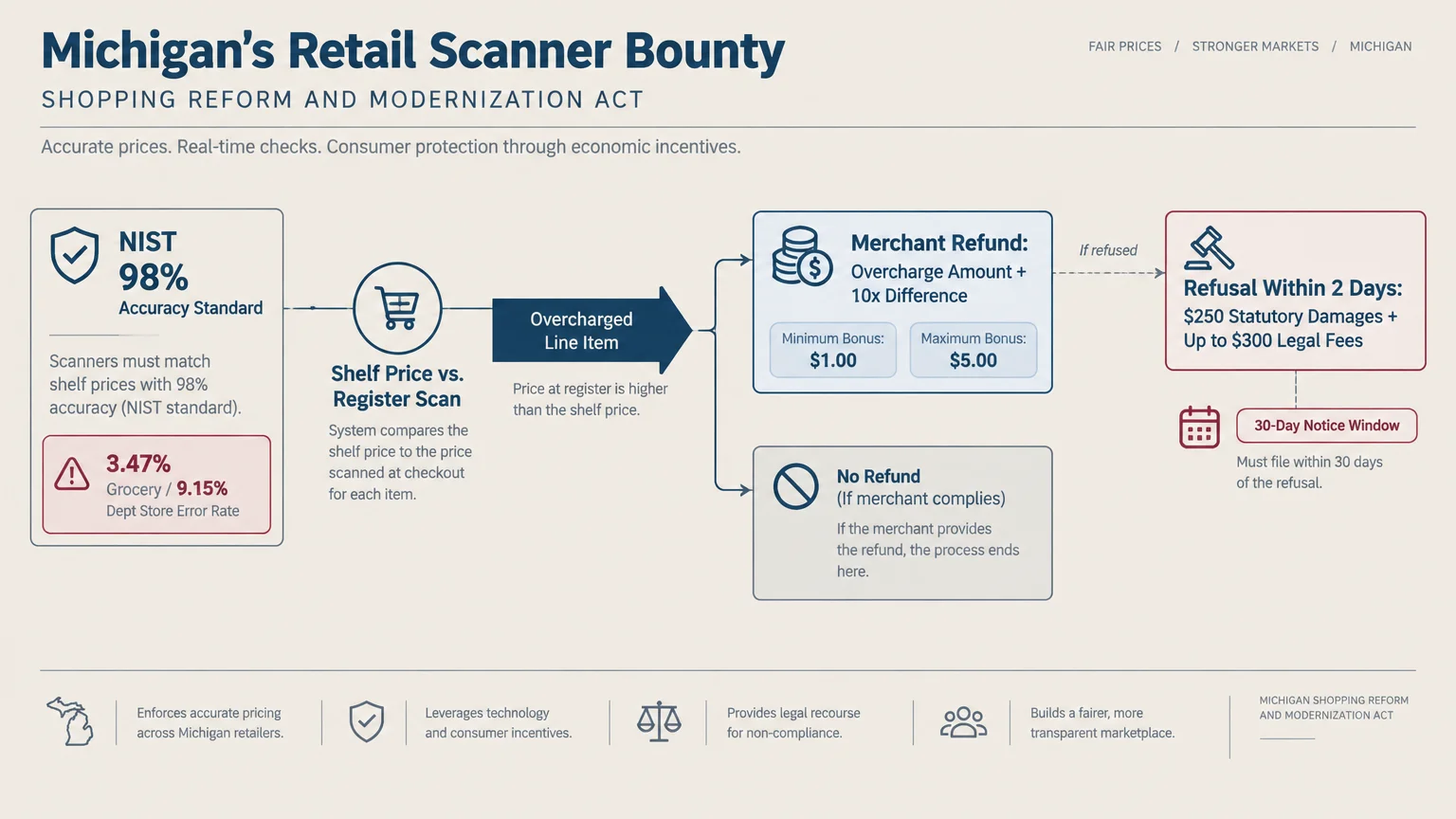
Retail inspection data from the National Institute of Standards and Technology (NIST) Handbook 130 establishes a 98% price accuracy standard for automated checkout lanes. Even with that guideline, pricing errors remain remarkably common across the retail industry.
Federal Trade Commission and NIST retail studies reveal scanner error rates averaging 3.47% at grocery stores and reaching 9.15% in department stores. Those incorrect charges accumulate rapidly over a full year of routine family shopping.
Several states and municipalities maintain scanner accuracy laws that protect consumers from register overcharges. Under Michigan’s Shopping Reform and Modernization Act, for example, shoppers receive extraordinary legal protection against inaccurate scanner charges.
If a checkout scanner charges more than the displayed shelf price in Michigan, you have 30 days to notify the retailer. The merchant must refund the price difference plus a bonus equal to 10 times that difference.
This state-mandated bonus pays a minimum of $1.00 and a maximum of $5.00 per overcharged item. If the retailer refuses payment within two days, you can sue for $250 in statutory damages plus up to $300 in legal fees.
Review the Federal Trade Commission Consumer Advice guides to learn how federal pricing rules penalize deceptive retail billing. Checking your receipt against shelf tags before walking out guarantees you collect the savings you were promised.
2. Claim Automatic Price Adjustments After Purchase
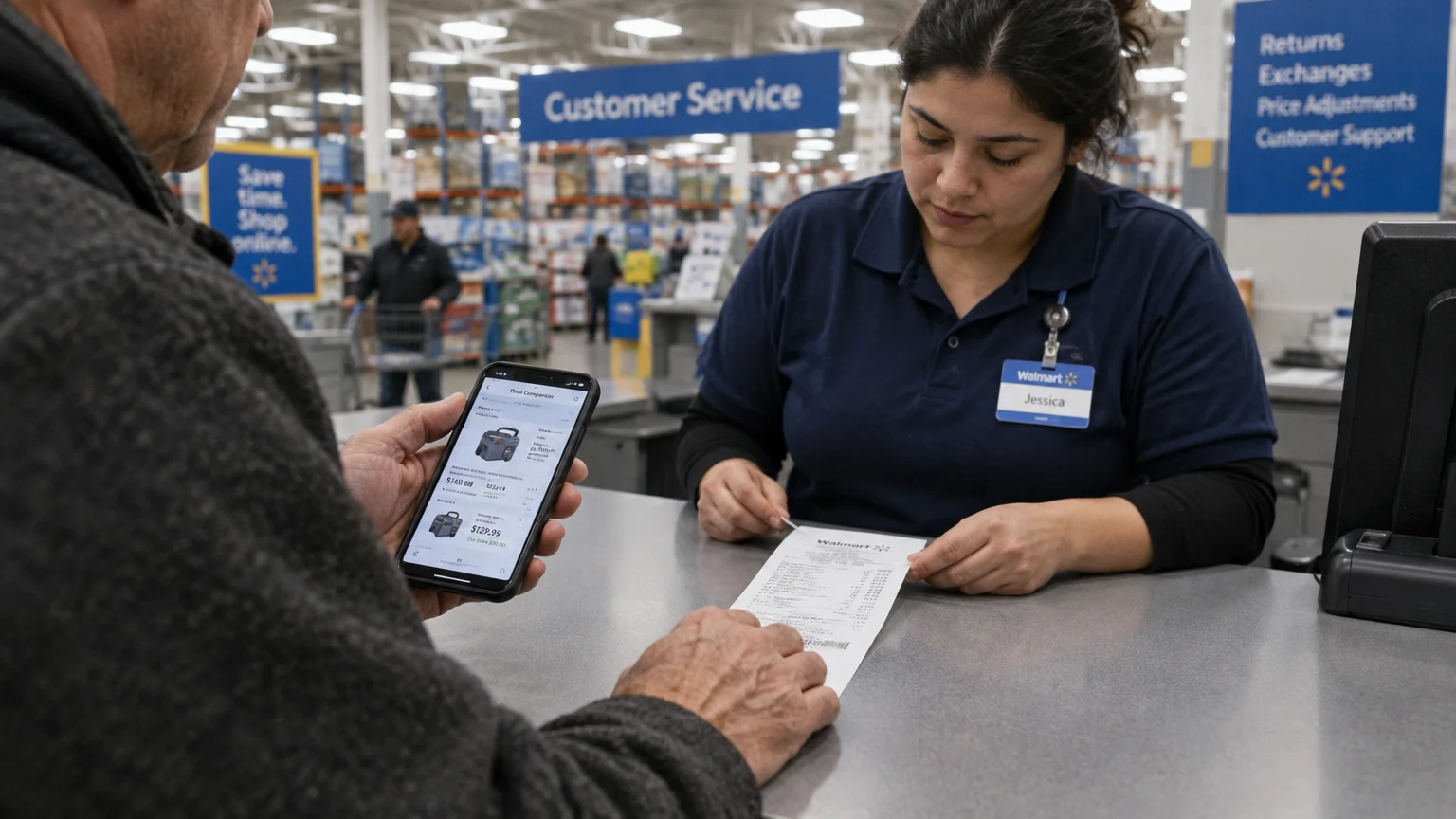
Retail prices fluctuate constantly based on seasonal demand, inventory clearance schedules, and automated dynamic pricing software. When an item you purchased goes on sale days later, your receipt acts as a voucher for a direct cash refund.
Major retailers establish clear price adjustment windows, though specific policies continue to evolve across the retail landscape. You must understand each merchant’s particular timeline to capture these delayed refunds successfully.
Effective July 28, 2025, Target officially ended competitor price matching against rivals like Walmart and Amazon. However, Target still honors price adjustments within 14 days of purchase if the identical item drops in price within its own retail ecosystem.
If you spot a lower price on Target.com, in the Target app, or through Target Circle within two weeks, bring your receipt. Customer service will credit the difference directly back to your original payment method.
Costco offers an even longer price adjustment window for warehouse and online shoppers. Members can request a price adjustment within 30 days from the purchase date if Costco lowers the price on an identical, in-stock item.
Costco does not match outside competitors, but they process internal price reductions without requiring you to haul heavy merchandise back to the warehouse. A quick presentation of your receipt at the service desk secures your refund.
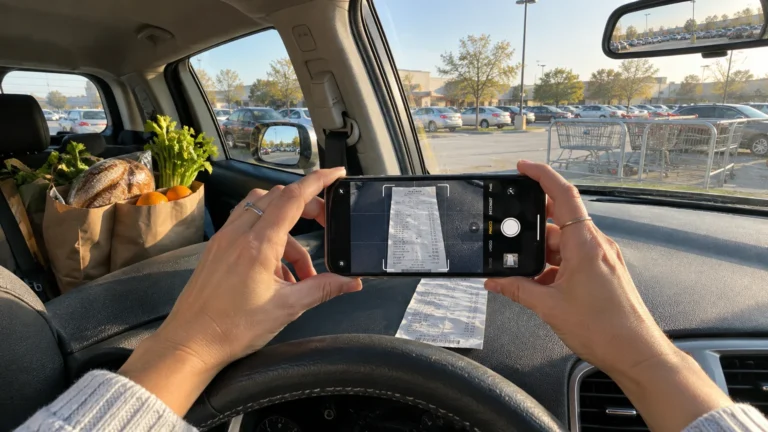
Make a habit of snapping photos of paper receipts for large purchases like appliances, electronics, and seasonal home goods. Review retail websites weekly during the adjustment window to verify whether recent purchases qualify for quick cash back.
3. Stack Receipt Rewards Apps for Passive Rebates
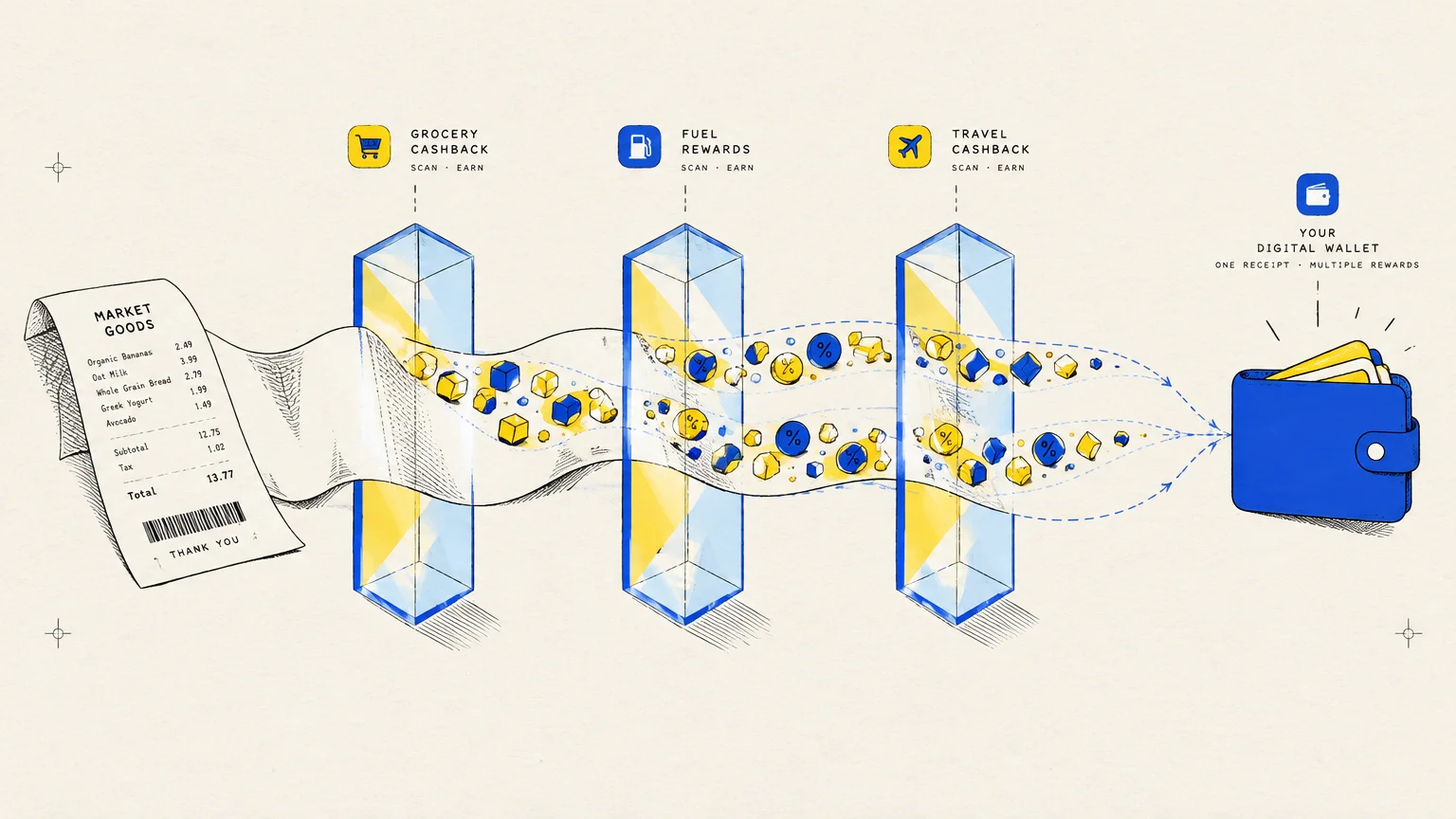
Your paper and digital receipts have measurable monetary value to consumer market research companies. Dedicated receipt rewards apps convert ordinary proof of purchase into digital gift cards, prepaid debit funds, and direct bank deposits.
Using cash back receipts through smartphone applications lets you stack brand rebates on top of credit card rewards and store loyalty discounts. You simply photograph physical register receipts or connect your digital store accounts.
Ibotta remains one of the largest cash-back shopping networks for grocery staples and household supplies. Users select manufacturer rebates inside the app, scan the store receipt, and watch earned cash accumulate in their portfolio.
Ibotta requires a $20.00 minimum account balance before you can withdraw earnings to a checking account, PayPal, or Venmo. Active users who routinely scan receipts earn an average of $15 to $30 per month, totaling over $250 per year.
Fetch Rewards operates with even less friction by awarding points on every scanned grocery, convenience store, and restaurant slip. The platform delivers a minimum of 25 base points per receipt regardless of what specific brands you purchased.
New Fetch users who enter a referral code typically collect 2,000 bonus points on their initial scan. Accumulated points convert smoothly into gift cards for major retailers like Target, Amazon, and Visa cash cards.
Rakuten delivers quarterly cash payouts through physical checks or PayPal deposits once your earned balance reaches the $5.01 threshold. Combining in-store card-linked offers with receipt confirmation maximizes your returns across department stores and apparel merchants.
“It’s not how much money you make, but how much money you keep, how hard it works for you, and how many generations you keep it for.” — Robert Kiyosaki
4. Redeem Register Tape Coupons and Survey Rewards
Retailers spend millions of dollars printing targeted discounts and promotional offers directly onto the bottom of register paper. Far too many shoppers throw these slips away without reading the valuable store credits printed underneath the transaction total.
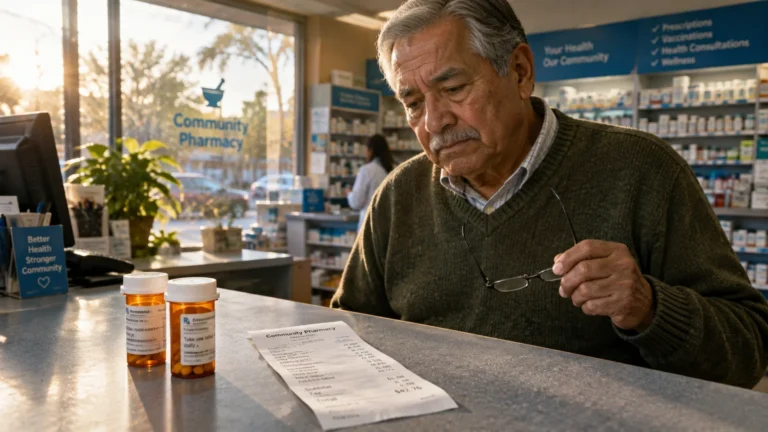
Pharmacies like CVS and Walgreens frequently print customized store currency directly on checkout receipts. CVS ExtraCare slips regularly generate several dollars in “ExtraBucks” that spend exactly like cash on your next visit.
These register incentives are generated based on your past purchase patterns. Ignoring them means walking away from legitimate $2, $5, or $10 discounts on products your household buys on a recurring schedule.
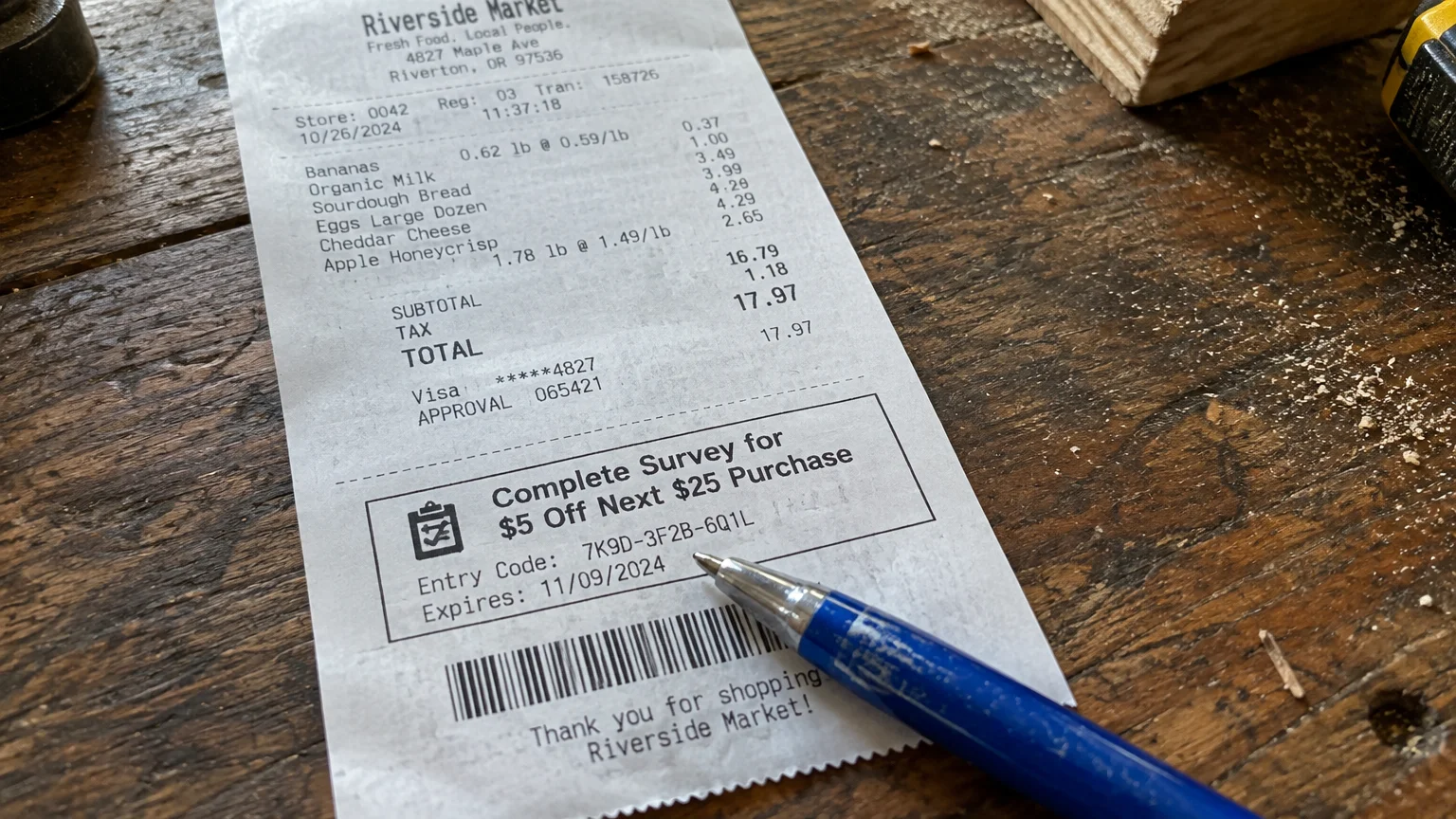
Many fast-casual restaurants and grocery chains offer immediate free food or percentage discounts in exchange for customer surveys. The access code, receipt number, and survey link appear exclusively on your checkout slip.
Spending two minutes completing a customer satisfaction survey often earns you a free sandwich, an appetizer, or $5 off a subsequent $25 purchase. That simple return represents an hourly rate of return exceeding $50 per hour for your time.
Certain regional grocers also print fuel-point multipliers and unadvertised manufacturer discount codes on register receipts. Check the bottom margin of your receipt before leaving the register line to catch expiring perks immediately.
5. Maximize Sales Tax Deductions on Schedule A
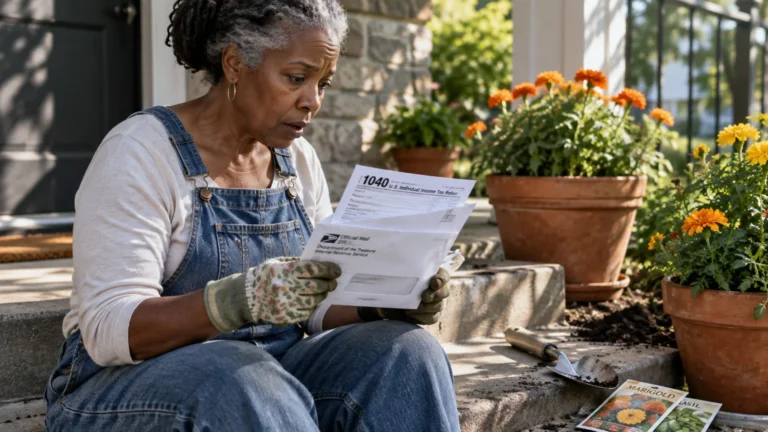
When filing federal income taxes, itemizing deductions can significantly lower your household tax burden compared to taking standard deductions. Retaining receipts throughout the calendar year provides verified documentation for deducting paid state and local general sales taxes.
The Internal Revenue Service allows taxpayers who itemize on Schedule A to deduct state and local sales taxes instead of state income taxes. This strategy proves especially beneficial for residents of states without state income taxes.
Under the One Big Beautiful Bill Act (OBBBA), the federal State and Local Tax (SALT) deduction cap expands to $40,400 for the 2026 tax year. Married couples filing separately receive a $20,200 cap for 2026.
This $40,400 cap begins phasing out for taxpayers whose Modified Adjusted Gross Income exceeds $505,000 in 2026, or $252,500 for married separate filers. By law, this deduction cannot phase down below a $10,000 baseline.
Itemizing sales taxes requires surpassing the 2026 standard deduction benchmark of $16,100 for single filers or $32,200 for married couples filing jointly. Saving receipts becomes critical whenever you make substantial, irregular capital purchases.
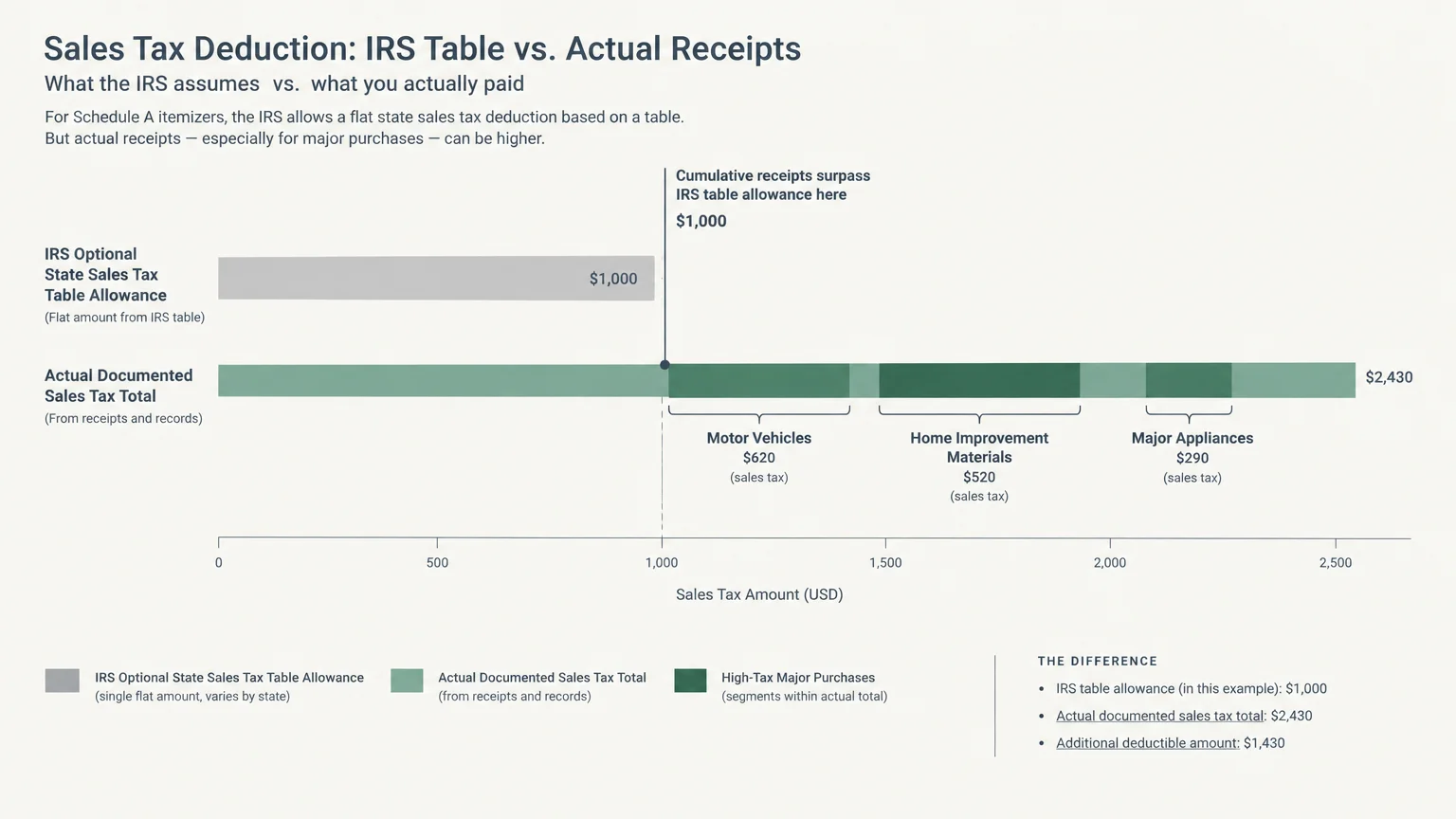
Purchasing building materials for a home remodel, buying a personal vehicle, or paying sales tax on a boat generates massive deductible sales tax. Keeping actual purchase receipts allows you to claim the true tax paid rather than relying on modest IRS estimate tables.
Even for standard-deduction filers, preserving receipts matters for specialized tax breaks. The 2026 tax code includes above-the-line charitable deductions and specific educator expense deductions that require pristine documentation if the IRS requests validation.
6. Protect Return Privileges and Avoid Restocking Penalties
Returning an unwanted, defective, or incorrectly sized product without proof of purchase severely limits your financial recovery. Most major retailers enforce punitive return policies on unverified transactions.
When you present an item without a receipt, stores generally refuse cash or credit card refunds. Instead, customer service desks issue merchandise store credit restricted to their specific chain.
Worse, unverified returns typically credit the item at its lowest recent sale or clearance price. An item you purchased for $80 might only yield a $30 credit if the store ran a temporary clearance promotion.
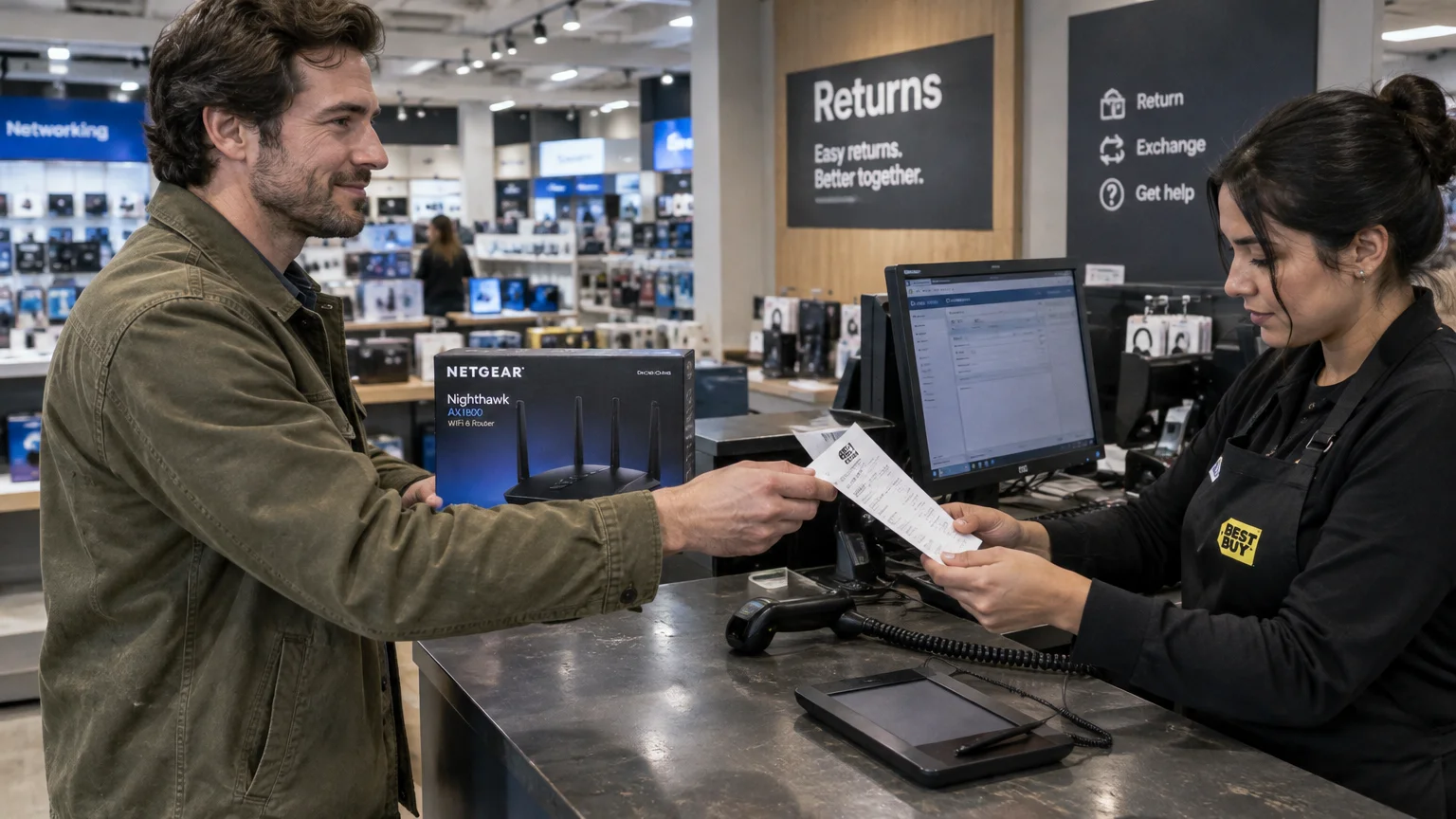
Retaining your receipt preserves your legal right to a full refund to your original payment method. It confirms the exact purchase price, date, and applicable promotional discounts applied during checkout.
Receipts also protect you from aggressive electronics restocking fees. Department stores and tech retailers frequently impose 15% restocking fees unless you return products within specified windows with original documentation intact.
Keep physical and digital receipts stored securely until the retailer’s standard return window closes. That simple safeguard protects you from losing money on merchandise that fails to satisfy your household needs.
7. Validate Warranty Coverage and Credit Card Protections
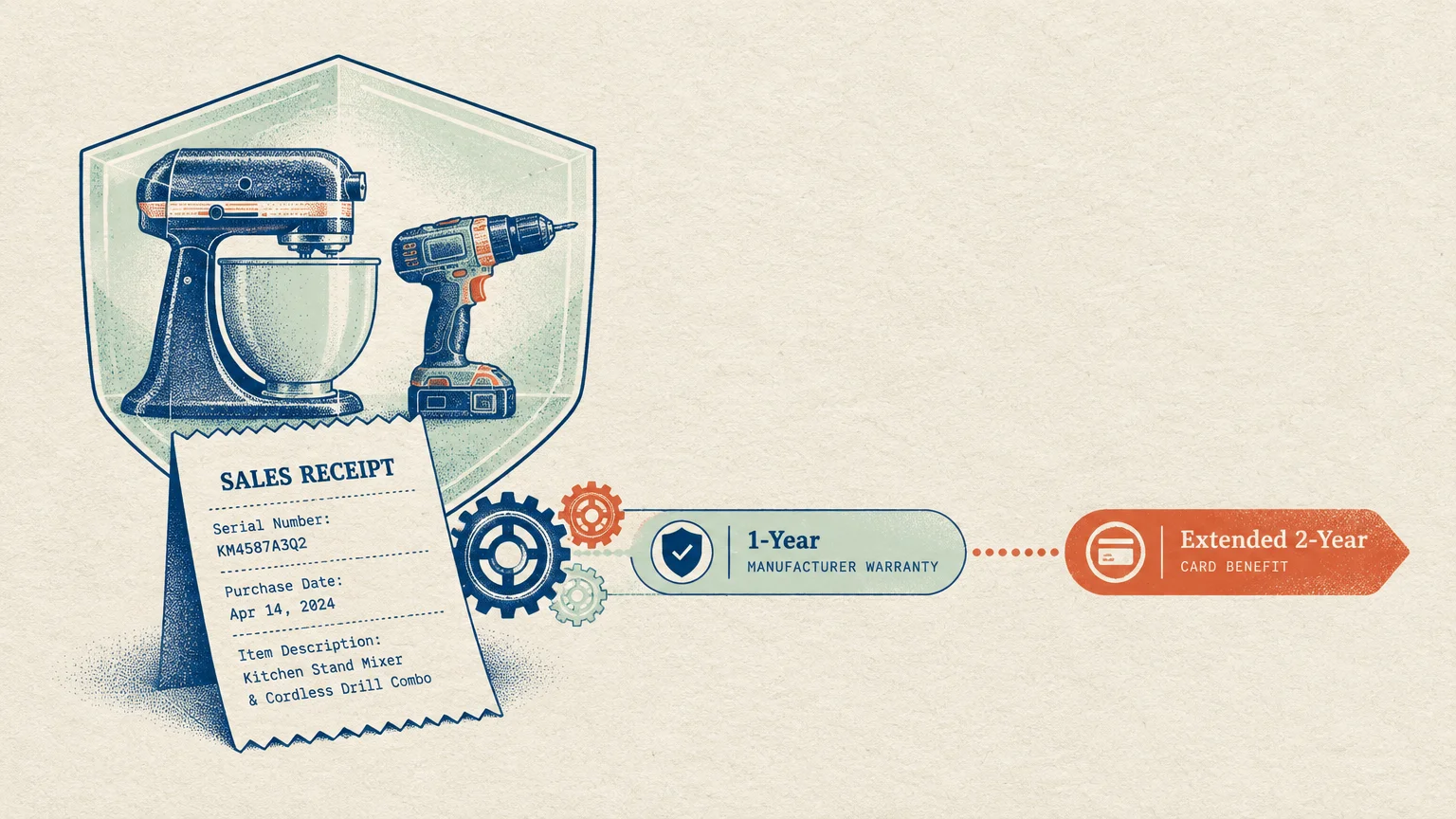
When small appliances, power tools, or consumer electronics malfunction, manufacturers require proof of purchase to process warranty claims. Without an itemized receipt showing the purchase date and serial details, repair claims face instant denial.
Manufacturers enforce strict warranty limits that depend entirely on the calendar date printed on your original register receipt. An unverified credit card bank statement line item rarely satisfies manufacturer warranty validation standards.
Keeping itemized receipts also unlocks powerful secondary protections bundled with premier consumer credit cards. Many rewards credit cards extend original manufacturer warranties by an entire additional year at no added cost.
To file a successful extended warranty claim with your card issuer, you must submit both the credit card statement and the store’s original itemized receipt. Missing that store receipt forfeits hundreds of dollars in free repair or replacement coverage.
Credit card purchase protection benefits also reimburse cardholders for items damaged or stolen within 90 to 120 days of purchase. The Consumer Financial Protection Bureau regularly advises consumers to keep itemized transaction records to support financial billing claims and consumer insurance filings.
Scan receipts for durable goods immediately and save the image files into an organized digital folder. Storing them digitally prevents ink fading on thermal register paper and guarantees you have instant documentation when equipment fails.
“A budget is telling your money where to go instead of wondering where it went.” — John C. Maxwell
8. Preserve Receipts for Tax-Free HSA and FSA Distributions
Health Savings Accounts (HSAs) and Flexible Spending Accounts (FSAs) allow American families to pay medical expenses using pre-tax dollars. However, capturing these substantial tax savings requires meticulous receipt preservation.
Everyday drugstore runs often include eligible health products that qualify for tax-free reimbursement. Everyday items like sunscreen, contact lens solution, pain relievers, bandages, and diagnostic tests qualify for HSA and FSA funds.
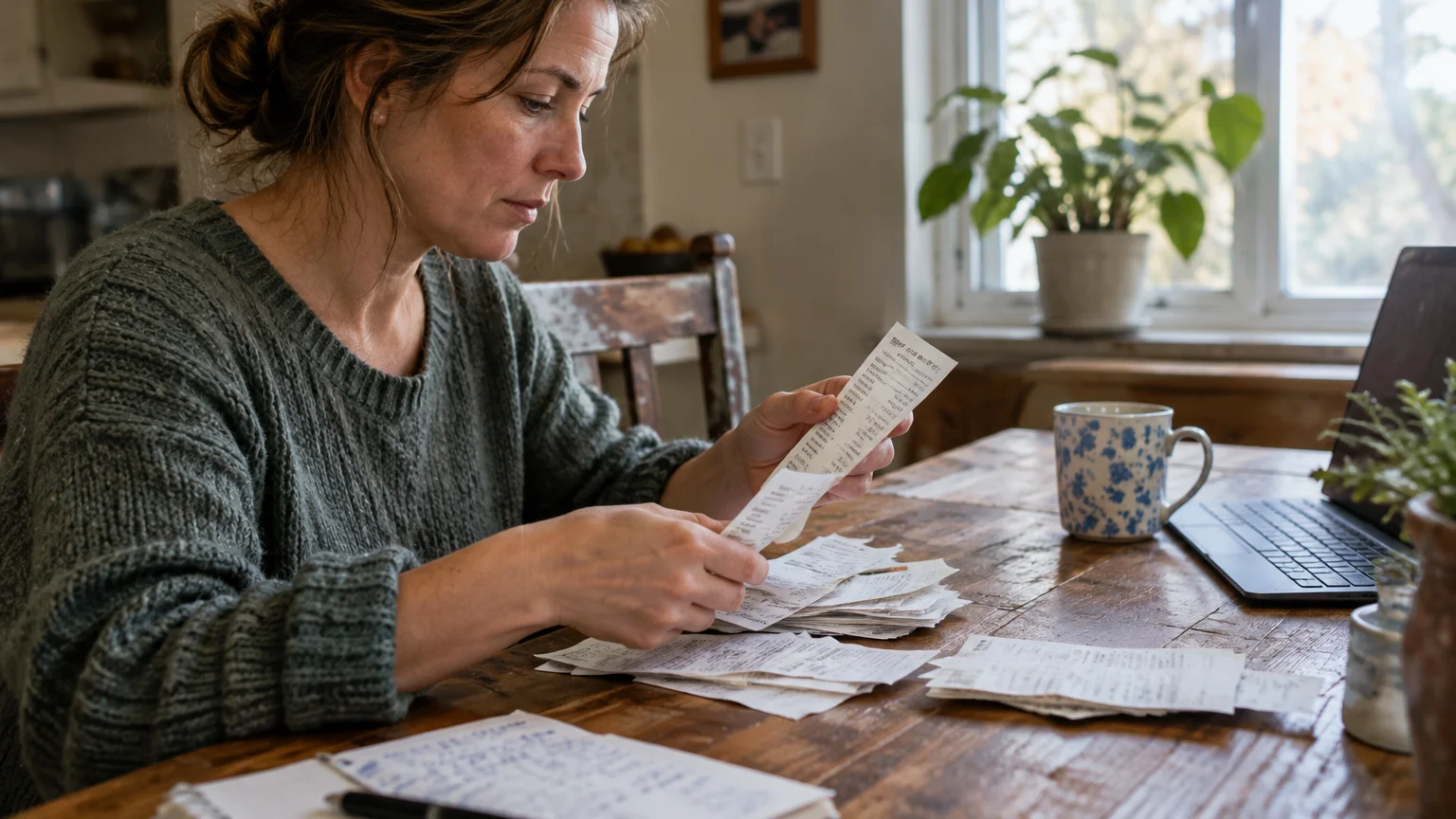
When you pay for these items at standard retail checkouts using after-tax personal funds, your receipt is your ticket to a tax-free reimbursement. Submitting itemized register slips to your benefits administrator releases pre-tax money back into your checking account.
For HSA holders, saving receipts unlocks an advanced wealth-building mechanism known as the shoebox strategy. Because HSA rules impose no deadline for reimbursing past medical expenses, you can pay costs out of pocket today while preserving receipts.
You leave your HSA contributions invested in mutual funds or index funds, allowing your balance to grow tax-free over several decades. Ten or twenty years later, you can withdraw thousands of dollars completely tax-free by producing those original receipts.
The IRS requires clear proof that medical expenses were qualified and never previously reimbursed by insurance or other funds. Maintaining digitized records of medical and pharmacy receipts turns everyday shopping into a reliable long-term tax shelter.
9. Identify Hidden Household Billing Errors and Phantom Fees
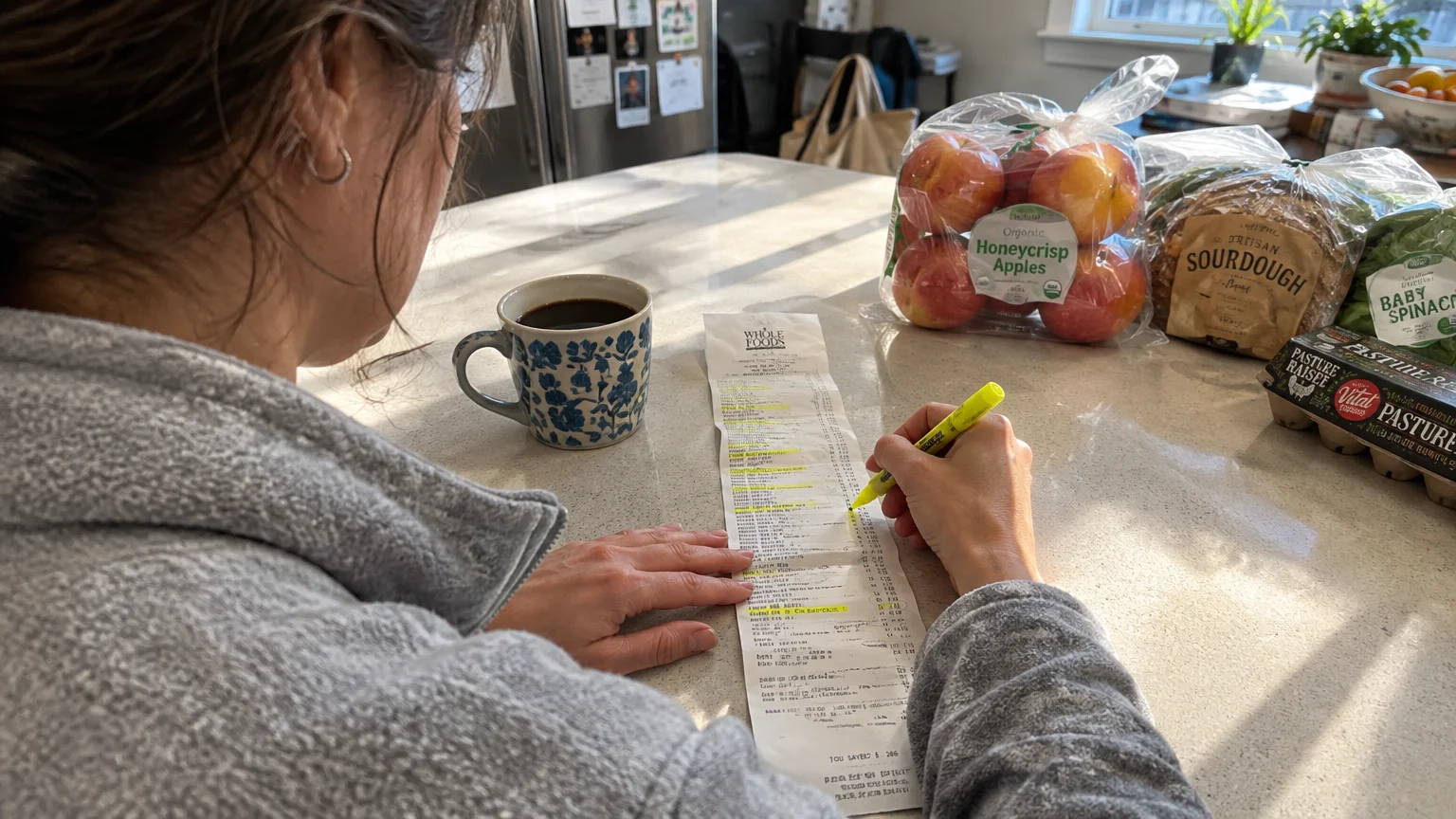
Modern retail checkouts move quickly, creating frequent opportunities for administrative errors and duplicate charges. Skimming your receipt before leaving the parking lot helps you identify costly billing blunders immediately.
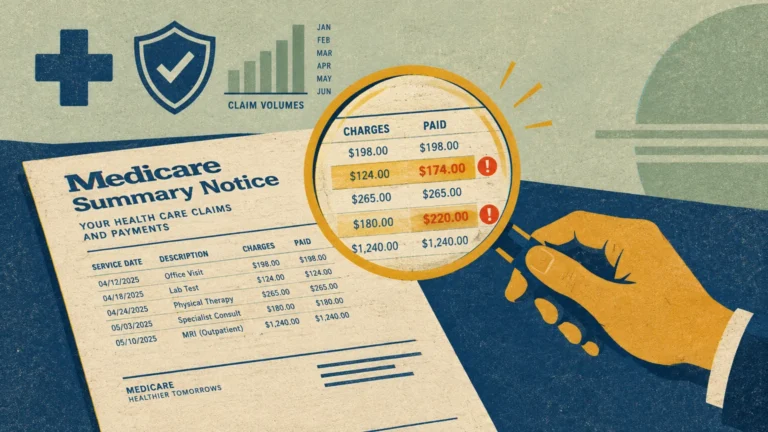
Cashiers occasionally swipe products twice across laser scanners, accidentally charging you for two identical items when you purchased one. Self-checkout kiosks can also register phantom items if products brush against sensitive optical scanner glass.
Promotional shelf sales frequently require specific multi-buy thresholds, like buying three items to get a reduced unit price. If a barcode misreads or the store system drops the discount, your receipt exposes the missing promotion.
Receipt audits also expose unexpected add-on charges like digital service fees, bag fees, and unintended store subscription programs. Checking line items protects you from paying recurring service fees you never intentionally authorized.
Cross-checking your register receipts against checking accounts and credit card balances prevents unauthorized merchant billing. Discovering discrepancies early gives you immediate leverage to correct charges directly at the store or dispute them through your financial institution.
Government consumer resources at USA.gov Money and Taxes encourage families to audit retail receipts against monthly account statements routinely. Diligent monitoring stops minor retail overcharges from snowballing into chronic budget leaks.
Comparing Popular Receipt Cash-Back and Rebate Tools
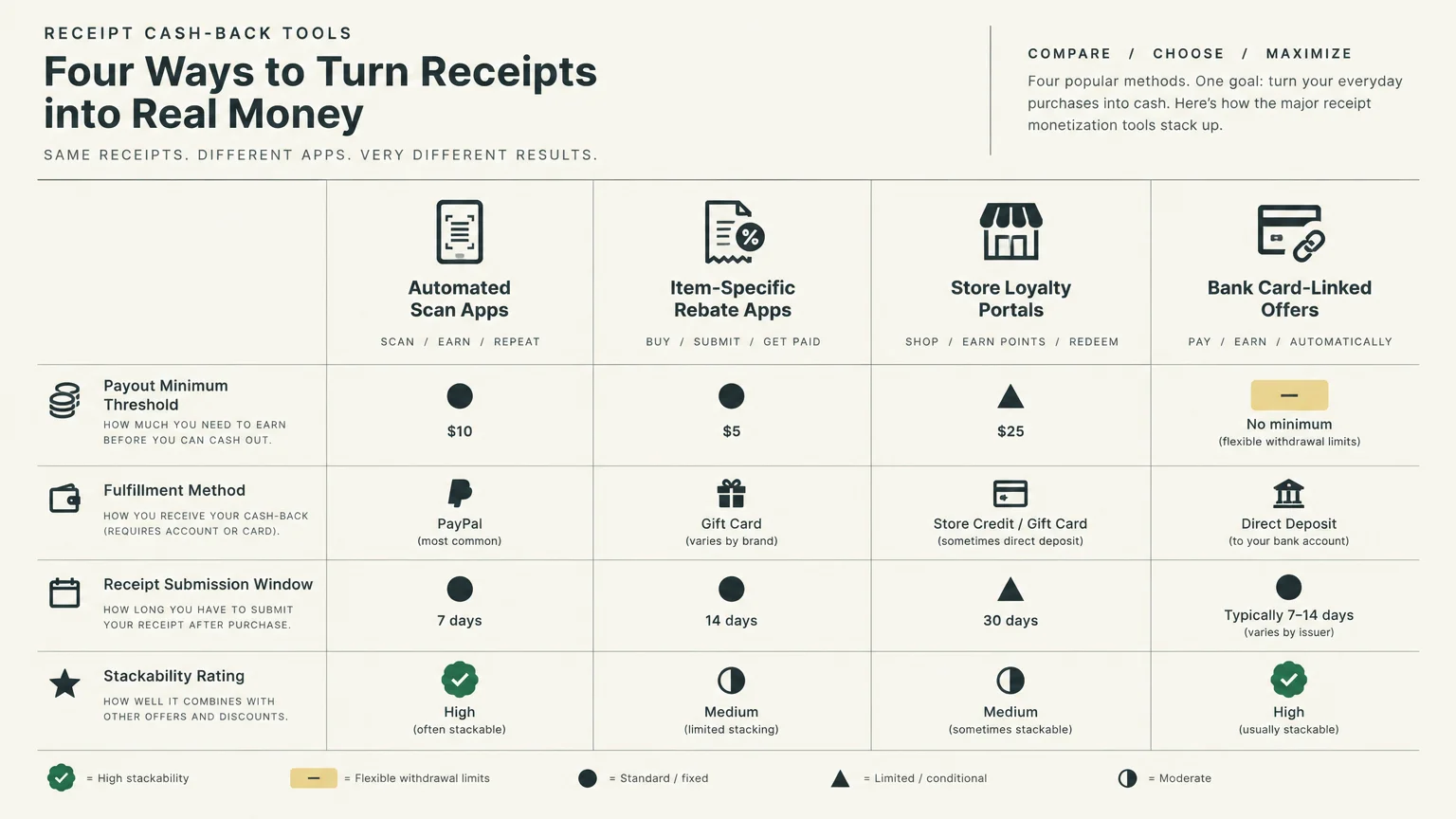
Selecting the right digital tools makes capturing receipt rewards effortless and highly lucrative. Each major shopping platform operates with unique minimum cash-out thresholds, payout methods, and scan requirements.
The comparison table below outlines the core specifications for the most effective cash-back receipt applications currently available. Reviewing these structural differences helps you select the platforms that best align with your household shopping frequency.
| Platform Name | Minimum Payout Balance | Typical Reward Structure | Primary Payout Options |
|---|---|---|---|
| Ibotta | $20.00 minimum | $0.25 to $5.00+ on specific brand offers; averages $15-$30/month | Direct Bank Deposit, PayPal, Venmo, Retail Gift Cards |
| Fetch Rewards | Varies by gift card (~$3.00 to $5.00) | 25 base points per receipt; 2,000 bonus signup points; special brand boosts | Digital Gift Cards (Amazon, Target, Walmart, Visa) |
| Rakuten | $5.01 minimum | Percentage-based in-store cash back linked to payment card | Direct Check (“Big Fat Check”), PayPal Deposit |
To maximize annual returns, adopt a receipt stacking workflow. Scan every eligible grocery slip into Fetch Rewards first, then check Ibotta for high-value manufacturer rebates, and finish by checking Rakuten for qualifying linked-card credits.
Don’t Make These Mistakes With Your Receipts
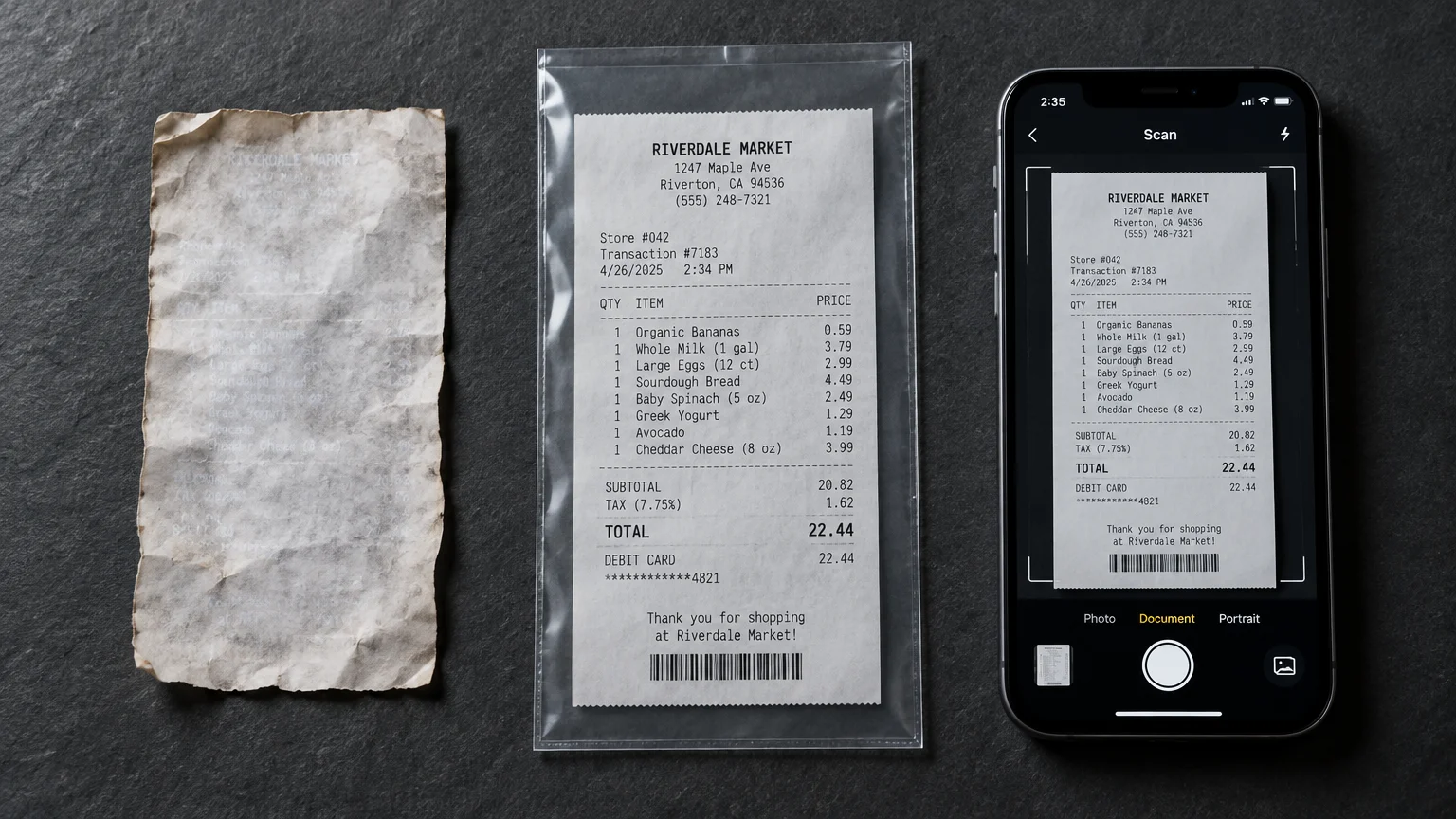
Failing to store receipts properly destroys the paper before you can claim refunds or tax deductions. Standard cash register slips use thermal paper coated with chemical dyes that react to heat and light.
Leaving paper receipts on vehicle dashboards, near window sills, or inside warm glove compartments causes the print to turn solid black or fade completely within weeks. Store paper records in cool, dark drawers or photograph them immediately.
Another major mistake is letting price adjustment deadlines expire without a quick price check. Many shoppers buy expensive items and never look at the store’s sales flyer again, forfeiting easy $20 to $50 refunds.
Set a recurring calendar reminder on your phone 10 days after making major retail purchases. A two-minute online check can reveal newly launched promotions within Target’s 14-day or Costco’s 30-day price adjustment windows.
Do not discard register tape before confirming that the charges match your online credit card statement. Restaurant tips, decimal errors, and cashier mistakes occur frequently, and your paper receipt serves as definitive proof during billing disputes.
Frequently Asked Questions
How long should I keep everyday grocery receipts?
Keep standard grocery receipts for at least 30 days to protect return privileges and verify monthly bank statements. If a grocery slip contains deductible medical items or business expenses, retain the digitized record for at least three to seven years.
Can I scan the exact same receipt into multiple cash-back apps?
Yes, you can scan the same physical receipt into multiple non-competing rewards platforms like Ibotta and Fetch Rewards. Each app processes data through independent reward networks, allowing you to stack earnings legally on a single transaction.
Do digital receipts work for retail price adjustments?
Yes, major retailers accept digital app barcodes and emailed receipts for price adjustments and merchandise returns. Target, Costco, and Walmart store purchase histories directly in their respective customer mobile apps for simple, paperless verification.
What should I do if a store refuses to correct a scanner error?
Ask to speak directly with the store general manager and reference local weights and measures pricing guidelines. If the retailer operates in a state with scanner bounty laws like Michigan, document the shelf price with a photo and file an official consumer complaint.
Start Capturing Your Everyday Shopping Savings
Saving money does not always require drastic lifestyle changes or severe budget cuts. Often, genuine financial progress comes from recovering money you have already spent and capturing rewards that belong to you.
Designate a small tray on your kitchen counter or a dedicated folder in your bag to hold receipts for review every Sunday. Taking ten minutes to audit transactions, scan rewards apps, and check return windows will quietly return hundreds of dollars to your pocket this year.
This article is for informational purposes only and does not constitute financial, legal, or tax advice. Rates, benefit amounts, and tax rules change regularly—verify current details with the relevant agency or a licensed professional.
Last updated: February 2026. Rates, benefit amounts, and tax rules change—always verify current details at official sources.