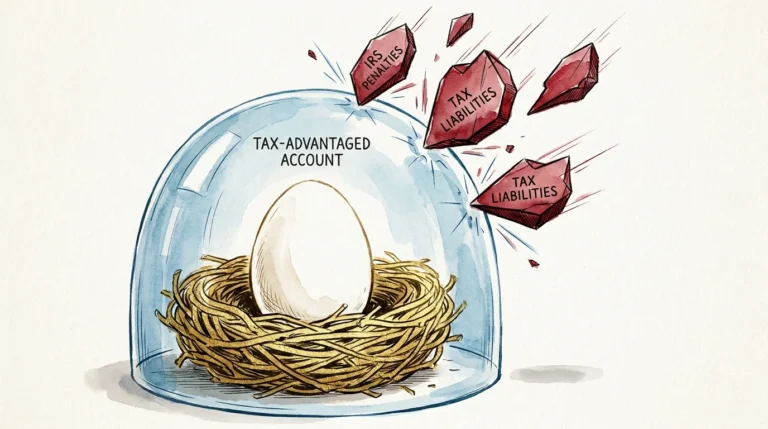
Debt collectors cannot seize your Social Security checks, freeze protected bank balances, or harass you with endless calls. Federal law grants older Americans powerful legal shields to protect their income and peace of mind.
According to Federal Reserve data, over 31 million households headed by adults aged 60 and older carry debt. Knowing your legal rights prevents predatory agencies from exploiting fear and forcing payments you do not legally owe.
Here is how federal debt collection laws safeguard your livelihood, your bank accounts, and your retirement security.
1. Social Security and Federal Benefits Are Shielded from Private Garnishment
Federal law places your retirement benefits strictly out of reach for commercial collection agencies. Private creditors cannot garnish your Social Security checks to satisfy credit cards, personal loans, or unpaid medical bills.
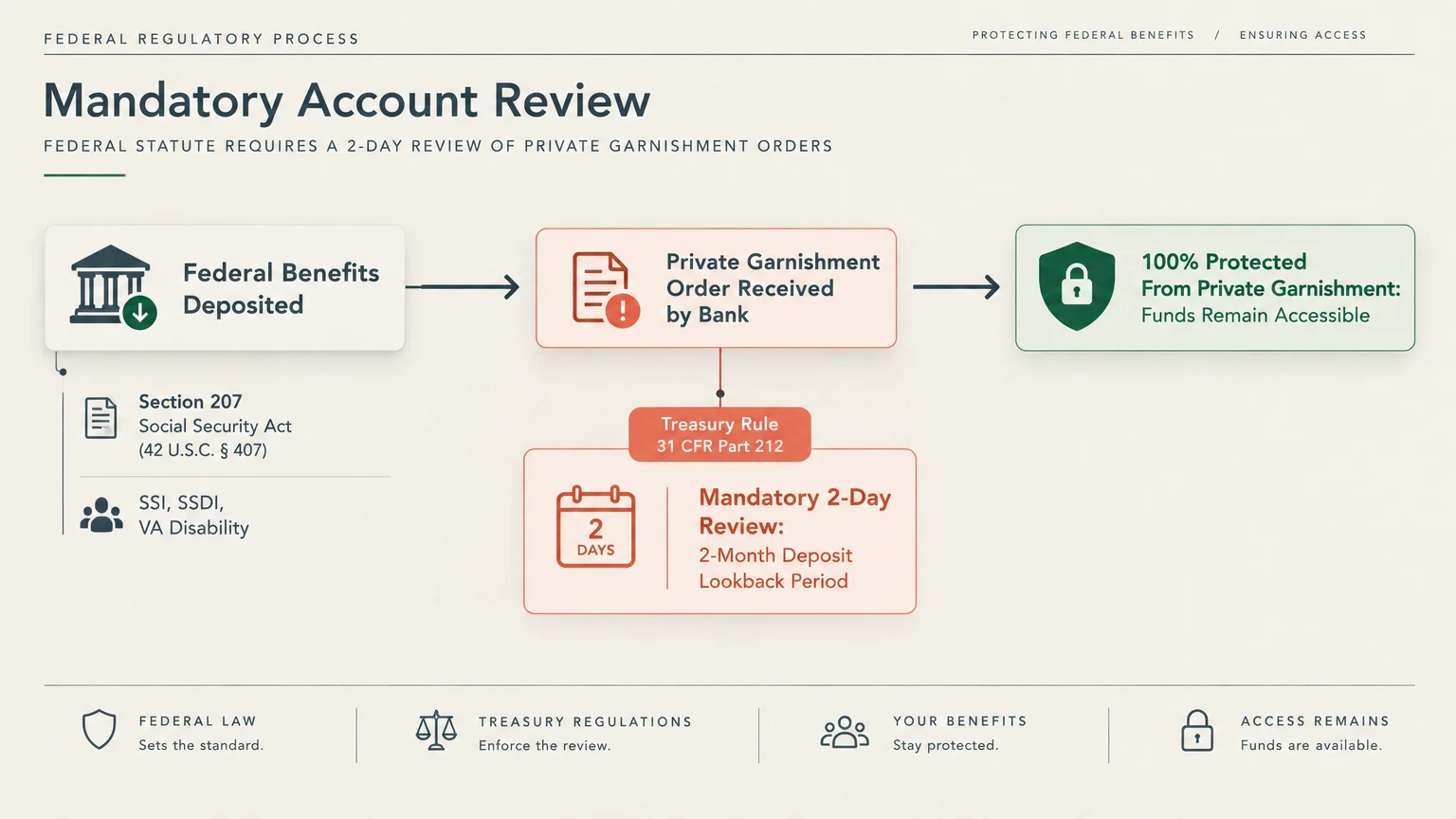
Section 207 of the Social Security Act (42 U.S.C. § 407) creates a complete legal shield around your monthly benefit payments. This statute bars debt collectors from using legal processes to intercept your payments before or after you receive them.
This federal protection extends far beyond standard retirement checks. It also covers Supplemental Security Income (SSI), Social Security Disability Insurance (SSDI), and benefits administered by the Social Security Administration.
Veterans Affairs (VA) disability payments enjoy identical legal protections under federal statute. Military pensions, federal civil service annuities, and Railroad Retirement benefits receive this same ironclad exemption from private debt collectors.
A specific federal regulation protects these funds once they arrive in your bank account. Under Treasury Rule 31 CFR Part 212, your financial institution must safeguard your direct-deposited benefits automatically.
When a bank receives a garnishment order from a private creditor, it cannot immediately freeze your funds. Instead, bank staff must perform an account review within two business days.
The bank must examine your deposit history over the preceding two-month period. Any directly deposited federal benefits received during those two months are permanently shielded from that garnishment order.
You do not need to hire an attorney or file a court exemption form to trigger this protection. The bank must leave that money fully accessible to you for daily living expenses.
However, this protection applies only to commercial and consumer debts. The federal government can still garnish Social Security benefits for delinquent federal income taxes, federal student loans, or unpaid child support.

2. The “7-in-7” Rule Protects You from Phone Harassment
Collection agencies often rely on intimidation, calling repeatedly throughout the day to provoke panic. Federal regulations strictly restrict how often, when, and where third-party collectors can contact you.
The Fair Debt Collection Practices Act (FDCPA) and CFPB Regulation F establish clear operating limits for collectors. Collectors may only call between 8:00 a.m. and 9:00 p.m. in your local time zone.
Regulation F enforces a strict frequency standard known as the “7-in-7” rule. Under 12 CFR § 1006.14, a debt collector is legally presumed to be harassing you if they exceed these limits.
A collector cannot place a phone call regarding a specific debt more than seven times within seven consecutive days. Once they speak with you on the telephone, they must wait another seven days before calling again.
This communication limit applies to each individual account the agency handles. If a collector manages three separate accounts under your name, the rules apply to each debt individually.
Collectors can also contact you through modern digital channels, including emails, text messages, and direct social media messages. However, they can never post publicly on your social media profiles or message boards.
Every digital message from a collector must provide a simple, free opt-out mechanism. If you reply asking them to stop texting or emailing, they must respect your request immediately.
Collectors cannot use profane language, threaten arrest, or claim they will seize property without a court order. The Consumer Financial Protection Bureau actively penalizes collection agencies that use abusive communication tactics.
3. You Have the Right to Written Debt Validation Before Paying
Never pay a debt collector based solely on a telephone call or an informal message. Scammers frequently target retirees by posing as legitimate collection agencies collecting phantom debts.
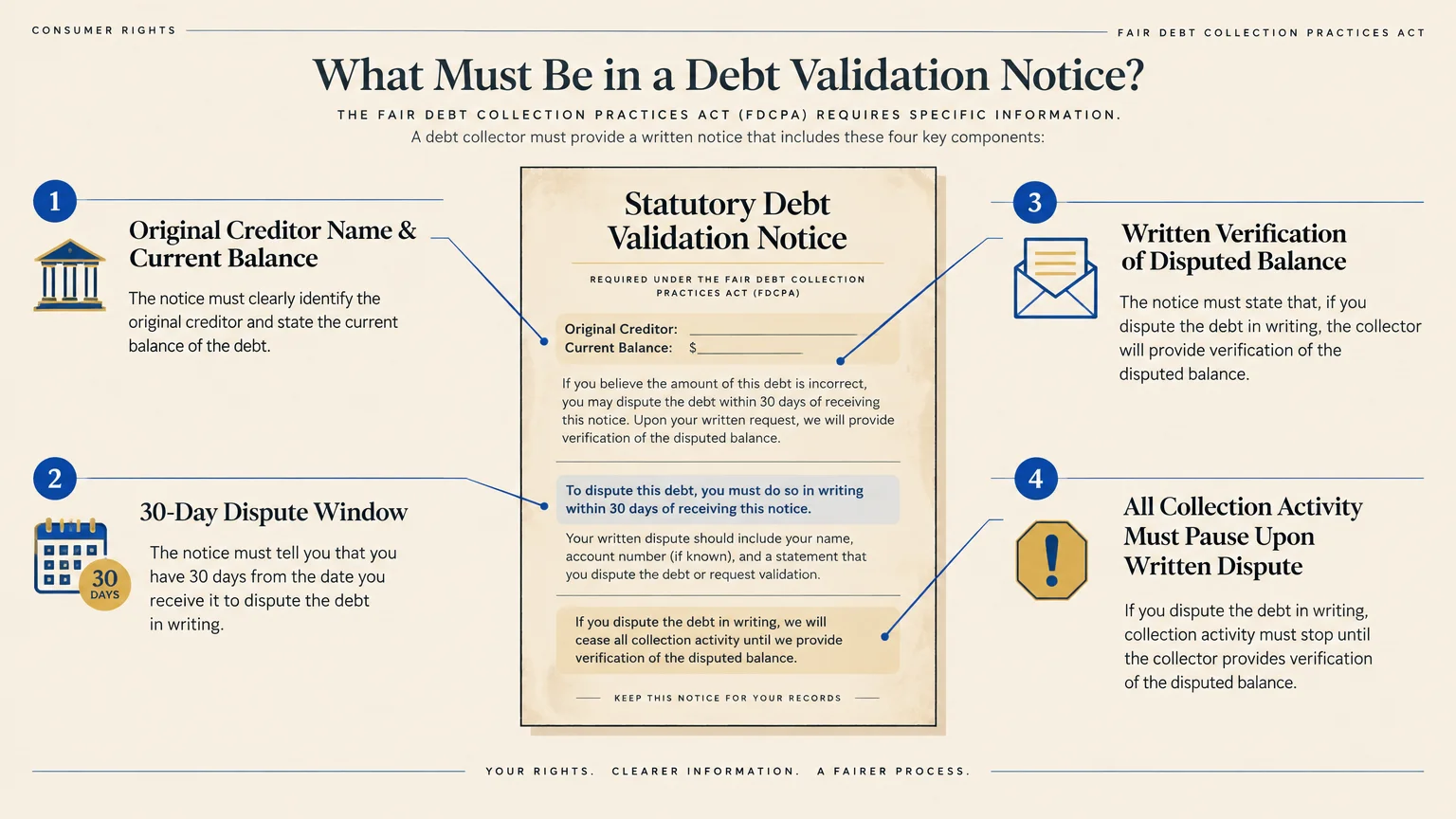
Federal law entitles you to clear, written proof that the debt exists and that the agency owns it. The collector must provide this validation notice in writing during initial contact or within five days thereafter.
The validation notice must state the total balance, including itemized interest and fees accrued since the original default. It must also list the name of the original creditor and your formal dispute rights.
You have 30 days from the date you receive that notice to dispute the debt in writing. Once you submit a written dispute, the collector must immediately freeze all collection activities.
The collector cannot call you, send payment demands, or report the debt to credit bureaus during this pause. They may only resume collection efforts after mailing you written verification from the original creditor.
This verification requirement protects seniors from paying accounts that were already satisfied, discharged in bankruptcy, or created through identity theft. Always demand written proof before acknowledging any balance.

4. You Can Legally Demand That Collectors Stop Contacting You
If collection calls and letters are overwhelming you, federal law provides a definitive way to silence them. You hold the absolute legal right to demand that a third-party collector cease all communication.
Under 15 U.S.C. § 1692c of the FDCPA, you can send the collector a written cease-and-desist letter. Once the agency receives your letter, they are legally barred from contacting you again.
Federal law permits the collector to contact you only one final time after receiving your demand. That single communication can only confirm they are terminating contact or notify you of a specific legal action, such as a lawsuit.
Always send your cease-and-desist demand via USPS Certified Mail with a Return Receipt requested. The signed green card serves as undeniable legal evidence of the exact date the agency received your instruction.
Halting communication does not erase a legitimate debt, but it ends harassment while you evaluate your options. Many low-income seniors discover they are completely judgment-proof, meaning creditors have no legal way to collect.
If your sole income consists of protected federal benefits and you own no significant seizable assets, a collector cannot touch your money. Informing collectors of your judgment-proof status often convinces them to close your file permanently.
“Financial peace isn’t the acquisition of stuff. It’s learning to live on less than you make.”

5. Surviving Spouses Are Generally Not Liable for Deceased Partner Debts
The loss of a spouse brings immense emotional strain, which unscrupulous debt collectors sometimes exploit. Collectors may contact surviving widows or widowers, implying they must settle their late spouse’s unpaid debts.
Under the FDCPA, debts belong to the individual who incurred them, not their surviving relatives. When a person passes away, their outstanding obligations must be paid out of their probate estate.
If the estate lacks sufficient assets to satisfy those balances, the remaining debts typically die with the individual. Surviving spouses are not personally responsible for paying those claims out of their personal funds.
However, specific legal exceptions exist where a surviving spouse might share liability. You remain responsible if you co-signed the loan or held a joint account with the deceased individual.
Being an authorized user on a deceased spouse’s credit card does not make you liable for the balance. Authorized users can make charges, but they never signed an agreement accepting legal responsibility for repayment.
State laws can also alter liability rules for surviving partners. In community property states, marital property acquired during the marriage may be accessible to satisfy certain community debts.
Some states enforce “doctrine of necessaries” statutes, which can make one spouse liable for the other’s essential medical care. Even in those states, collectors must follow strict legal procedures before demanding payment from a survivor.
Regulation F strictly prohibits collectors from using deceptive statements or misleading survivors about their personal liability. You can report any agency that falsely claims you must pay your late partner’s individual bills to the Federal Trade Commission.
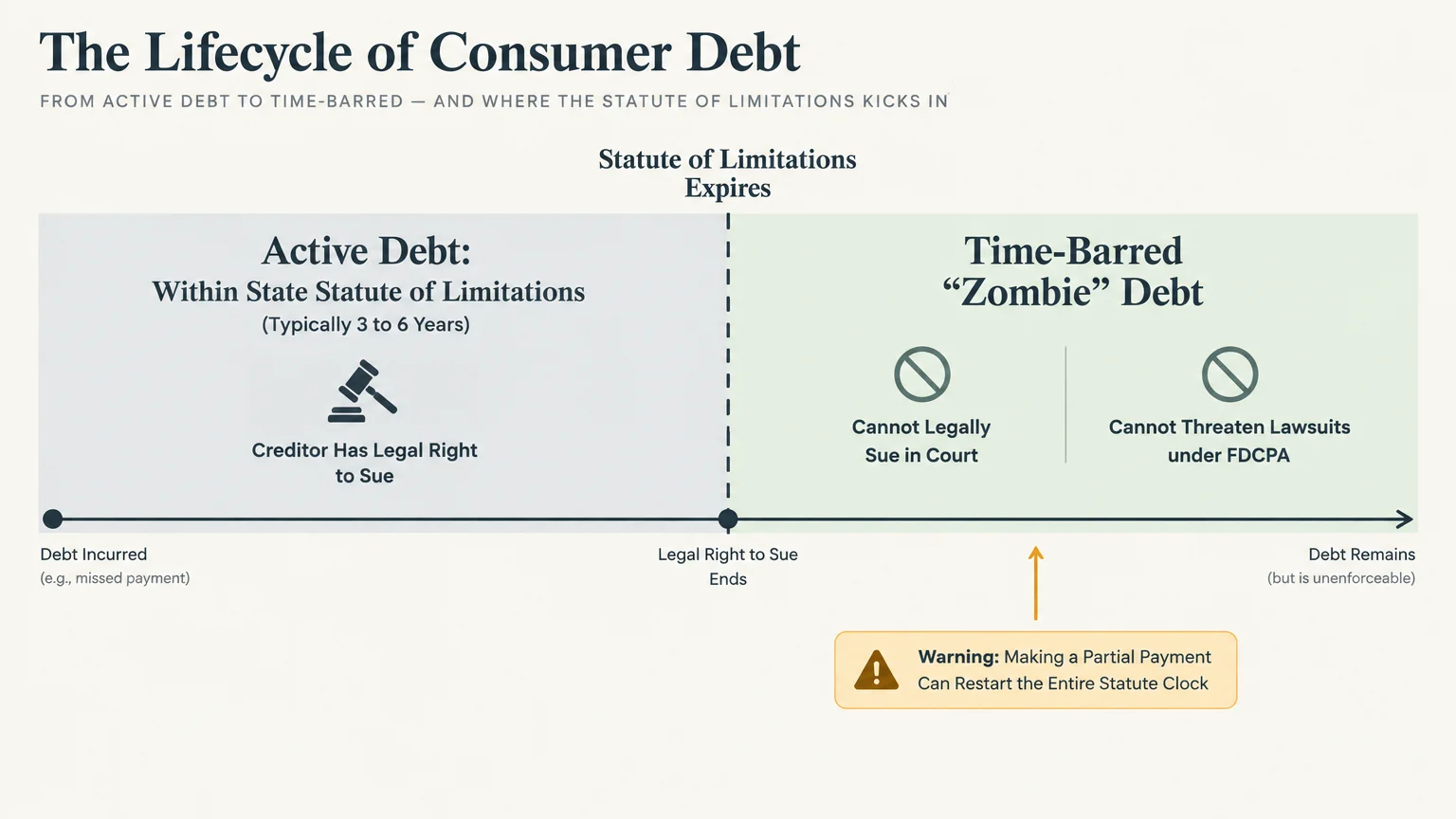
6. You Cannot Be Sued Over Expired “Zombie” Debts
Debts do not remain legally enforceable forever. Every state establishes a strict statute of limitations that limits how long a creditor has to file a lawsuit to collect a balance.
Depending on your state and the category of debt, statutes of limitations generally span between three and six years. The clock typically begins running on the date you missed your first payment and defaulted.
Once this statutory deadline passes, the balance becomes known as time-barred debt, colloquially called “zombie debt.” While you still technically owe the money, the creditor loses the legal power to sue you.
CFPB Regulation F explicitly prohibits collectors from suing or threatening to sue consumers over time-barred debts. Making false threats of litigation on expired accounts violates federal law and triggers statutory penalties against the collector.
You must exercise extreme caution when communicating with agencies about older accounts. In many states, making a partial payment of even $5 can instantly restart the statute of limitations from zero.
Verbally acknowledging that you owe the balance or promising to make a payment can also revive an expired debt. If a collector contacts you regarding an old debt, never agree to pay anything until you confirm its age.
“It’s not how much money you make, but how much money you keep, how hard it works for you, and how many generations you keep it for.” — Robert Kiyosaki
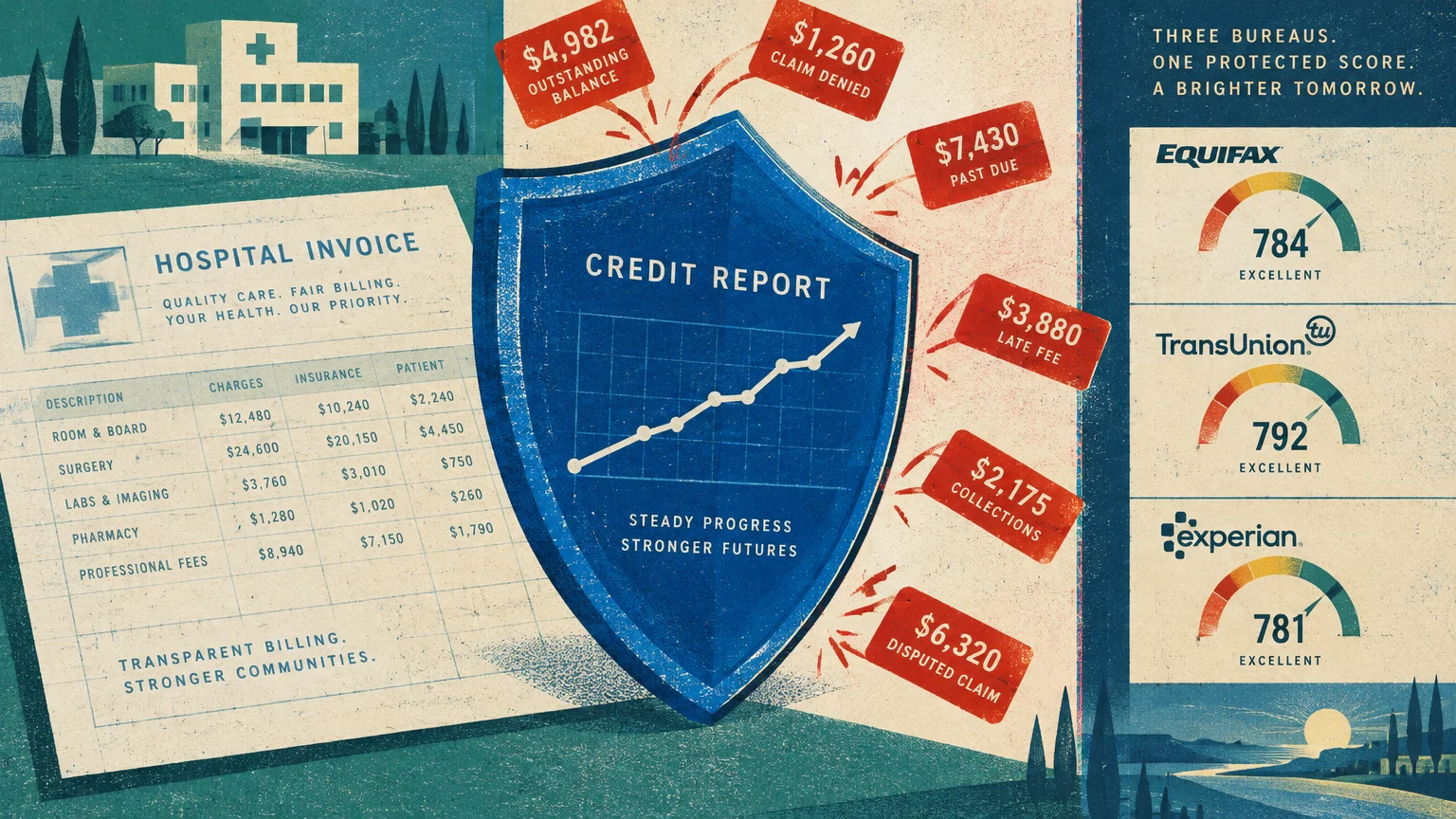
7. Protections Against Medical Debt Reporting on Your Credit
Healthcare expenses represent one of the leading drivers of financial distress among older Americans. According to CFPB research, approximately 4.5 million seniors aged 65 and older carry unpaid medical bills.
In January 2025, the CFPB finalized a federal regulation designed to ban all medical debt from consumer credit reports. However, on July 11, 2025, the U.S. District Court for the Eastern District of Texas vacated that rule in Cornerstone Credit Union League v. CFPB.
Because the federal court struck down the rule, there is no federal ban on reporting medical debt to credit bureaus. Despite that court decision, older adults still benefit from substantial voluntary protections established by the credit reporting industry.
The three nationwide credit bureaus—Equifax, Experian, and TransUnion—maintain strict voluntary reporting standards for medical debts. These policies prevent the vast majority of routine healthcare collections from damaging your credit score.
First, the credit bureaus will not include any medical collection with an initial balance under $500 on your credit file. Second, collection agencies must wait at least one full year before reporting unpaid medical bills, giving you time to resolve insurance disputes.
Third, once a medical debt is paid in full or settled, the credit bureaus must remove the collection record entirely. Unlike regular credit card collections that linger for seven years, paid medical collections vanish from your report immediately.
You should review your credit files regularly through AnnualCreditReport.com to ensure no improper medical marks appear. If a medical collection under $500 shows up on your report, file an immediate dispute to have it deleted.

8. You Can Sue Collectors for Damages and Legal Fees
Federal debt collection laws are not mere suggestions; they carry enforceable civil penalties. If a collection agency violates your statutory rights, you can file a lawsuit against them in federal or state court.
Under 15 U.S.C. § 1692k of the FDCPA, consumers who successfully sue a non-compliant collector can recover actual damages. Actual damages cover out-of-pocket financial losses, bank fees caused by improper garnishments, and compensation for documented emotional distress.
Even if you suffered no direct financial loss, the court can award you up to $1,000 in statutory damages per lawsuit. The court determines this award based on the frequency, persistence, and nature of the collector’s non-compliance.
The law also includes a mandatory fee-shifting provision designed to protect consumers who cannot afford expensive attorneys. If you win your FDCPA lawsuit, the debt collection agency must pay your attorney’s fees and court costs.
Because of this fee-shifting rule, consumer protection attorneys routinely represent seniors in debt collection cases on contingency. You pay nothing out of pocket, and the attorney collects their fees directly from the abusive collection agency.
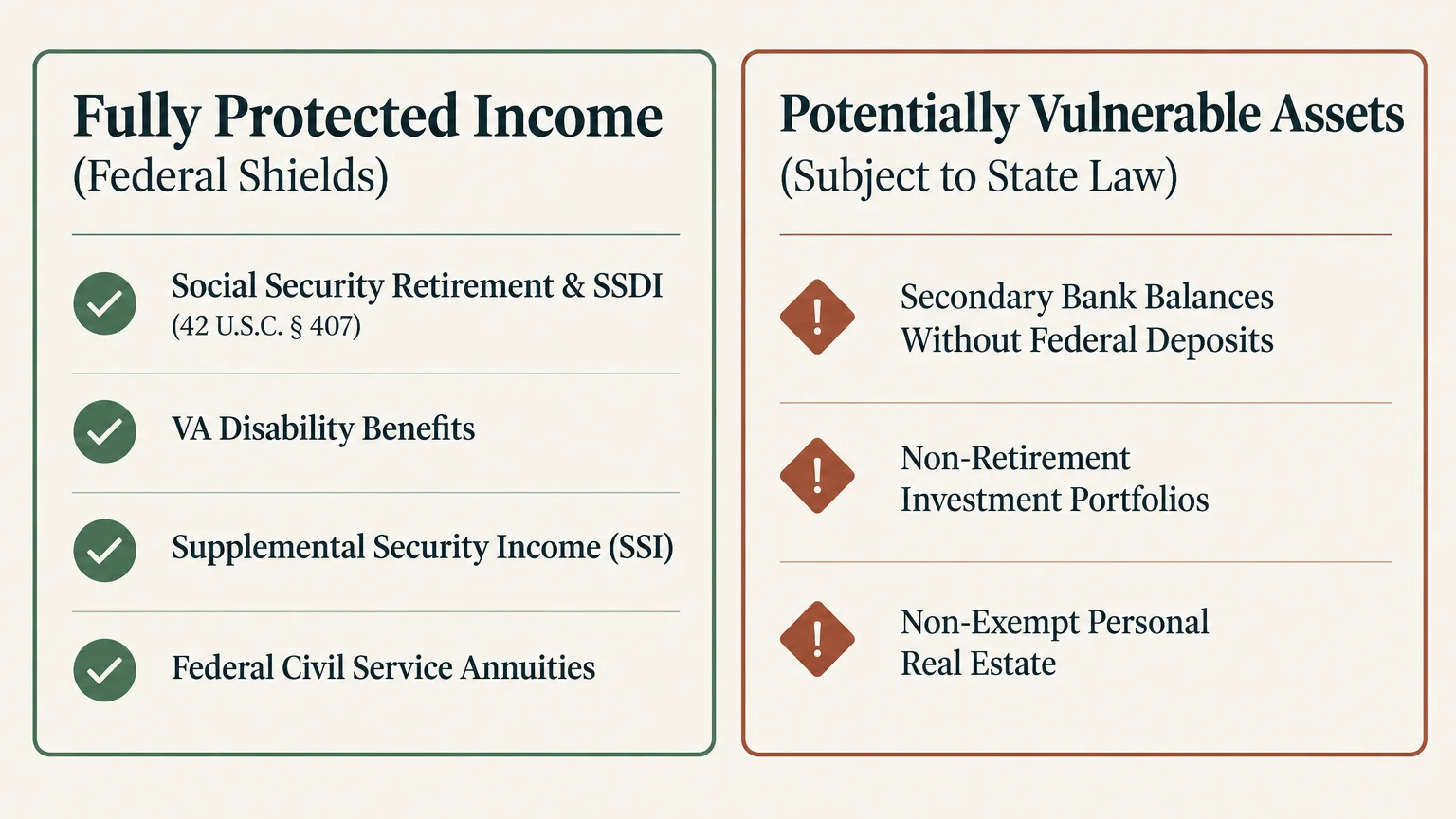
Comparing Protected Income Versus Vulnerable Assets
Understanding which financial assets are legally exempt helps you respond to collector demands with confidence. The table below outlines how federal and state laws treat various income streams and personal assets.
| Income or Asset Type | Protected from Private Debt Collectors? | Governing Law or Standard | Key Conditions and Rules |
|---|---|---|---|
| Social Security & SSI | Yes (Fully Protected) | 42 U.S.C. § 407 | Protected automatically; can still be garnished for federal taxes or child support. |
| VA Disability Benefits | Yes (Fully Protected) | 38 U.S.C. § 5301 | Cannot be seized by private creditors; maintains protection inside bank accounts. |
| Direct-Deposited Benefits (Bank Balance) | Yes (Up to 2 Months) | 31 CFR Part 212 | Banks must automatically shield up to two months of federal benefit deposits. |
| Commingled Bank Accounts | Partially Vulnerable | State Garnishment Rules | Depositing non-exempt funds with benefits complicates tracing and risks temporary freezes. |
| Traditional Wages (Part-Time Work) | Vulnerable (Subject to Caps) | Consumer Credit Protection Act | Federal law caps garnishment at 25% of disposable earnings or amounts over 30x minimum wage. |
| Primary Residence / Home Equity | Varies by State | State Homestead Exemption Laws | Exemptions range from small dollar limits to unlimited equity depending on your home state. |
| Retirement Accounts (401k / IRA) | Generally Protected | ERISA & Bankruptcy Code | ERISA-qualified pensions and 401(k)s offer total protection; IRAs have statutory caps. |
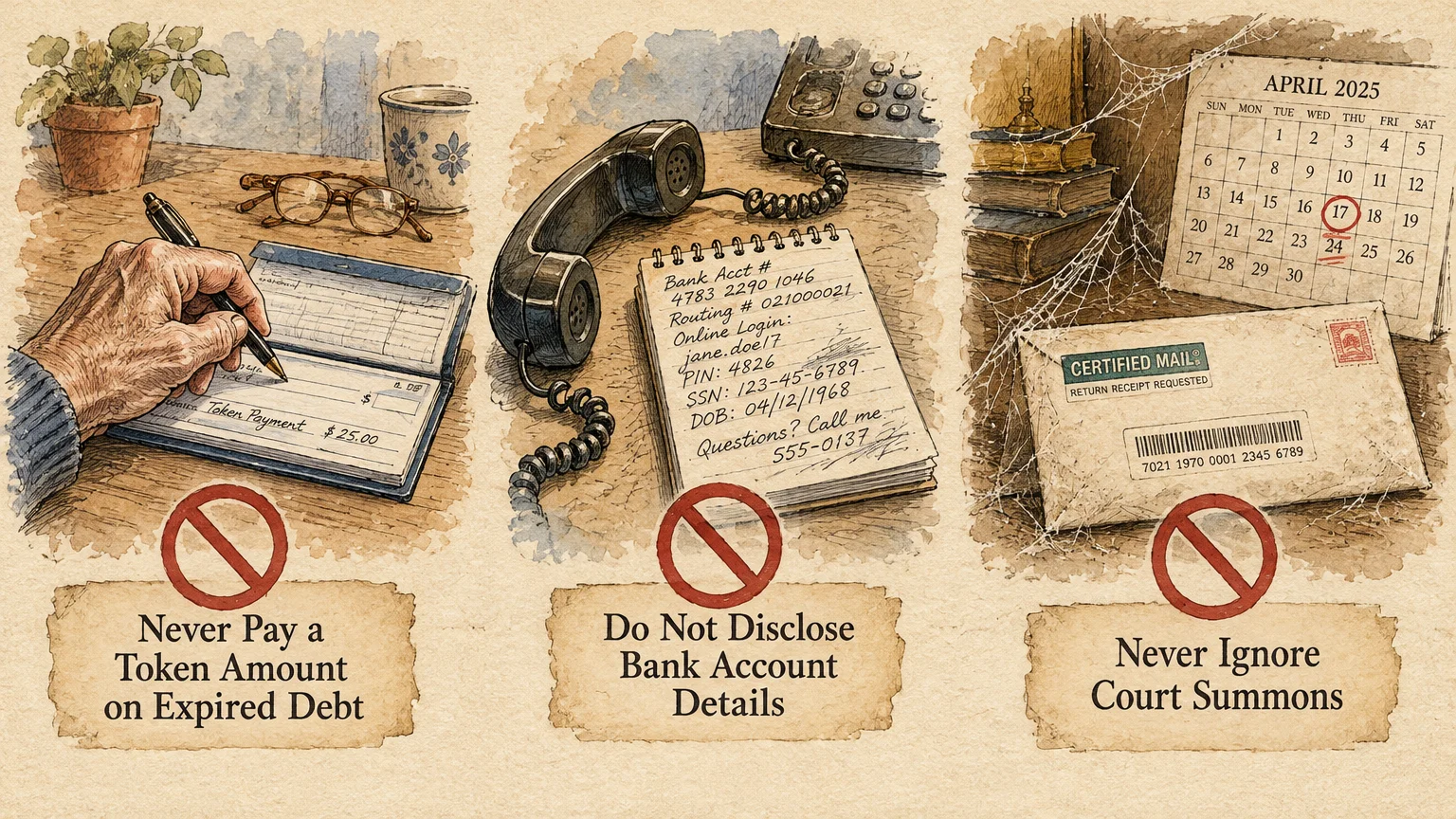
Costly Mistakes to Avoid When Debt Collectors Call
When debt collectors demand payment, making hasty decisions can accidentally waive your statutory rights. Avoiding common missteps keeps your protected retirement income safe from unlawful seizure.
The most dangerous error is commingling protected Social Security benefits with other sources of income. If you deposit side-job earnings or gifts into your benefits account, the bank cannot easily separate exempt funds.
Maintain a standalone bank account reserved solely for direct-deposited federal benefits. This clean separation ensures your bank’s automated two-month lookback review protects every dollar without administrative complications.
Never make a token payment on an old debt simply to make a rude caller leave you alone. Paying even a single dollar can reset the statute of limitations, reviving an expired debt and exposing you to a lawsuit.
Avoid giving collection agencies electronic access to your bank accounts over the telephone. Never provide your debit card details, bank routing numbers, or post-dated checks to an agency under pressure.
Finally, never ignore formal court documents or lawsuits. Even if you are completely judgment-proof, failing to respond to a summons allows the creditor to obtain a default judgment against you automatically.

Don’t DIY These Decisions: When to Hire Professional Help
Navigating debt collection disputes can become complicated when multiple accounts or court summonses enter the picture. Certain critical financial decisions require professional counsel rather than self-help strategies.
You should consult a qualified consumer protection attorney immediately if a collection agency serves you with a lawsuit. An attorney can evaluate whether the statute of limitations has expired and file formal answers to dismiss improper claims.
Many communities provide free legal support through local legal aid societies and state senior legal hotlines. These organizations frequently defend low-income seniors against debt buyer lawsuits at no cost.
If you face persistent mortgage delinquency or home equity disputes, consult a HUD-approved housing counselor. These certified professionals guide you through loan modifications and foreclosure prevention without charging predatory fees.
When handling complex estate planning, beneficiary designations, or tax debt resolution, hire a CPA or a fee-only financial planner. Professional advisors ensure your asset structure safeguards your surviving family members from avoidable debt disputes.
Frequently Asked Questions About Senior Debt Rights
Can a debt collector send a senior citizen to jail for unpaid bills?
No, debt collectors cannot send anyone to jail for failing to pay consumer debts like credit cards or medical bills. Threatening criminal arrest for an unpaid commercial debt violates federal law under the FDCPA.
What does it mean for a senior to be judgment-proof?
Being judgment-proof means your sole income comes from protected federal benefits and you possess no assets creditors can legally take. Even if a collector wins a court judgment, they cannot lawfully seize your money.
Can a collector seize money directly from my checking account?
A private debt collector must first sue you, win the case, and obtain a court garnishment order to touch your bank. Even then, banks must automatically protect two months of direct-deposited federal benefits under Treasury regulations.
Should I use my retirement savings to pay off old credit card balances?
Draining protected retirement accounts or selling exempt personal property to satisfy unsecured consumer debts is rarely advisable. Consult a financial counselor or attorney before transferring protected wealth to commercial collection agencies.
Taking Control of Your Financial Peace
Federal debt collection laws give older Americans significant power to reject harassment and safeguard their livelihood. You have the right to demand written validation, halt unwanted calls, and shield your retirement income from seizure.
Take proactive action today by reviewing your credit reports, establishing separate accounts for your benefits, and documenting every collector interaction. When debt collectors call, stand firm on your statutory rights and refuse to let intimidation dictate your retirement security.
Financial outcomes vary based on individual income, credit history, and circumstances. This article provides general guidance only. Consult a qualified financial planner, CPA, or consumer attorney for advice specific to your situation.
Last updated: October 2026. Rates, benefit amounts, and tax rules change—always verify current details at official sources.