
An unexpected freeze on your monthly Social Security check disrupts your household budget without warning. When an identity verification hold strikes, your benefits stop immediately until you verify who you are.
Automated anti-fraud systems actively monitor millions of federal benefit accounts for suspicious changes. Learning what triggers these security safeguards helps you prevent payment delays before your next direct deposit date.
Whether you update banking details or migrate to modern online credentials, simple procedural missteps can lock your file. Here are eleven specific triggers that cause Social Security holds and how to resolve them.
The Mechanics of Social Security Account Holds
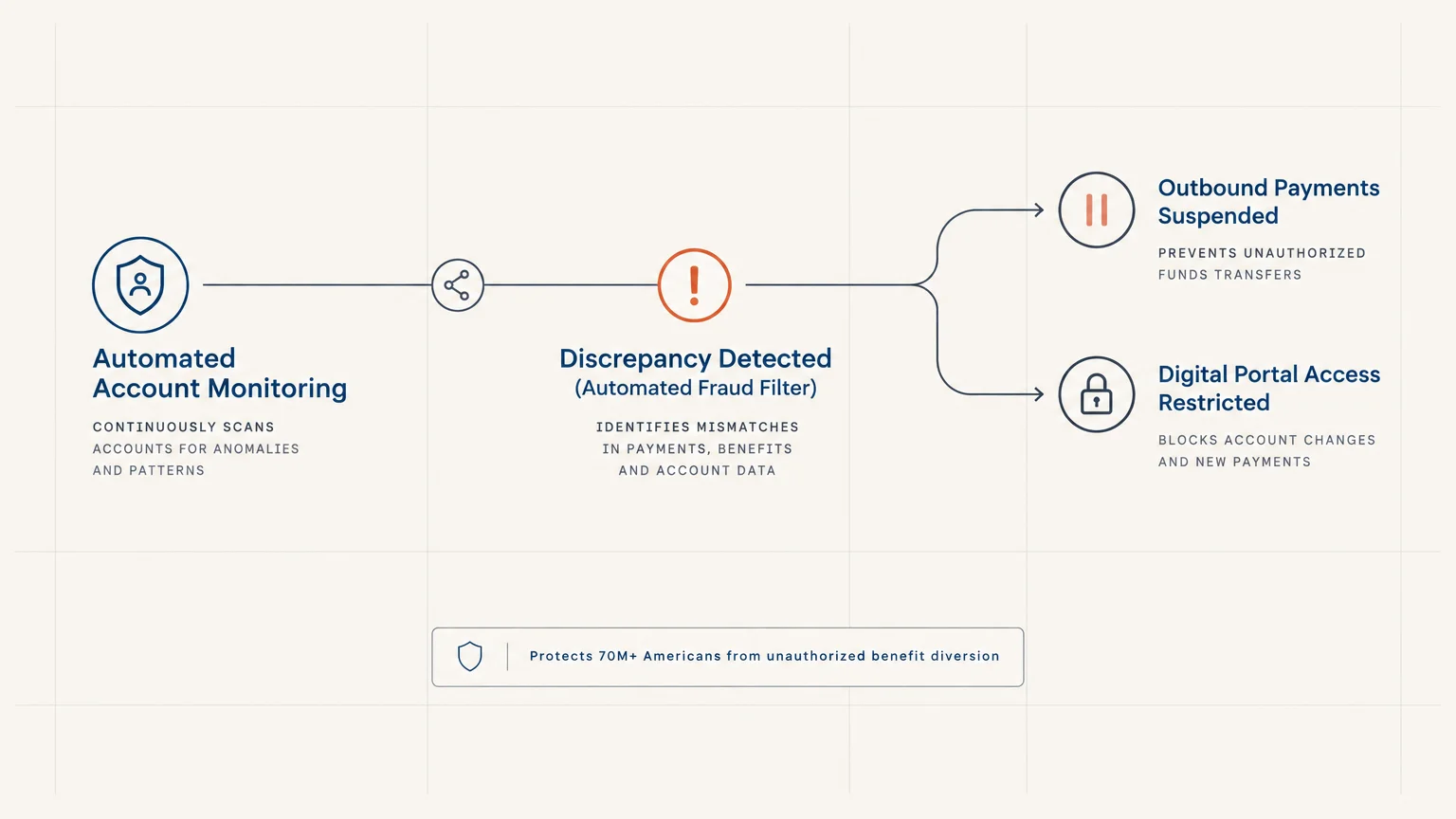
The Social Security Administration manages retirement, survivor, and disability records for more than 70 million Americans. Protecting billions of dollars in public funds requires aggressive fraud prevention protocols.
An administrative hold suspends outbound payments and restricts digital account access. This automated pause protects your benefits from identity thieves attempting to divert deposits.
Unfortunately, these security protocols cannot distinguish between an organized cybercriminal and an honest beneficiary making a paperwork error. When automated screening tools spot a discrepancy, they immediately lock your record.
Understanding why Social Security payments are delayed empowers you to take decisive corrective action. You can resolve most flags quickly once you pinpoint the exact security rule involved.
“A budget is telling your money where to go instead of wondering where it went.” — John C. Maxwell
11 Things That Trigger a Social Security Identity Verification Hold
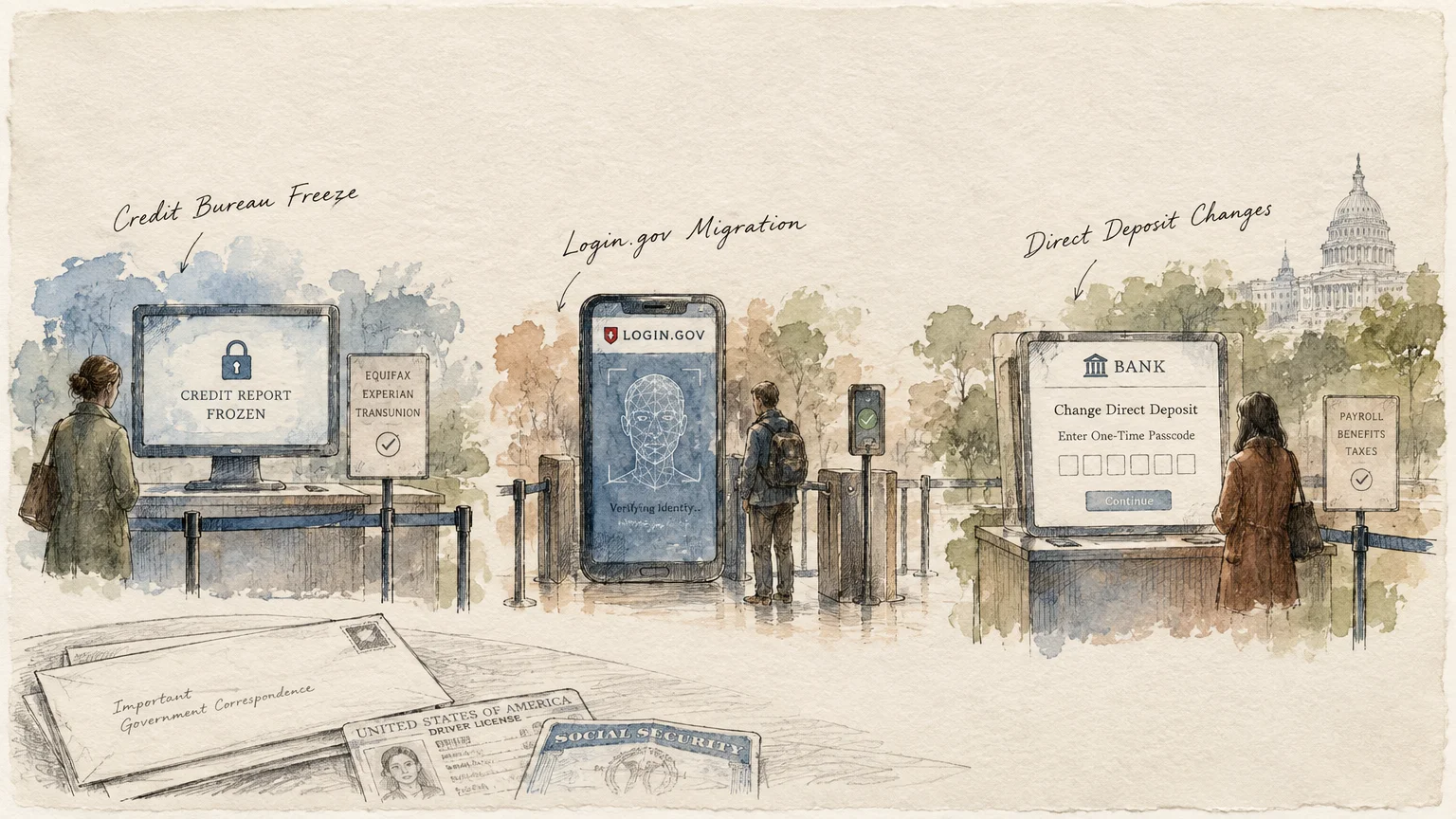
1. Active Credit Bureau Freezes During Identity Proofing
The federal government relies on major consumer reporting agencies to authenticate digital account applicants. Social Security Administration portals cross-reference credit files held by Experian to confirm personal identity details.
If you maintain an active security freeze on your credit files, the automated authentication process fails instantly. The verification system cannot pull identity-proofing questions, which triggers an immediate digital account lockout.
To avoid this obstacle, unfreeze your credit before applying for benefits or creating online accounts. You can manage credit locks directly through AnnualCreditReport.com or the individual credit bureaus.
2. Migrating From Legacy Logins to Login.gov or ID.me
The agency eliminated older username systems for approximately 46 million accounts created before September 18, 2021. All beneficiaries must now access digital services through Login.gov or ID.me credentialing platforms.
A failed verification attempt during this credential transition immediately locks your profile. Entering an unverified mobile phone number or failing automated biometric face scans triggers a security block.
Once locked out, you cannot complete identity verification online. You must visit a local field office with physical identity documentation to reset your digital access.
3. Updating Direct Deposit Information Without a One-Time PIN
Direct deposit redirection represents one of the fastest-growing forms of identity theft targeting seniors. In response, federal authorities instituted strict direct deposit security rules in early 2025.
You can no longer change your bank routing details over a telephone call without special security clearance. Beneficiaries must generate an advance one-time security passcode at ssa.gov/PIN before calling agency representatives.
If you attempt to modify bank details without this passcode, the system blocks the request. The agency then places a fraud hold on banking changes until you appear in person.
4. Flagged Telephone Application Anomalies
The agency processes roughly 4.5 million telephone claims each year for retirement and disability benefits. Sophisticated anti-fraud algorithms screen every phone application in real time for irregular data patterns.
This automated screening flags approximately 70,000 telephone applications every year for further review. Minor inconsistencies in work history or past addresses can cause an automated flag.
When an algorithm flags an application, claim processing halts immediately. The applicant must attend an in-person interview at a field office before benefit approval continues.
5. Demographic Data Discrepancies in the Numident Database
The Numident database serves as the master record of every Social Security card issued since 1936. Automated data matches continuously scan this database against IRS records and banking databases.
A mismatch between your current legal name and your registered Social Security card halts operations. Name changes following marriage or divorce cause frequent verification failures if not formally updated.
Discrepancies regarding your date of birth or citizenship status also generate automated administrative holds. Benefits remain paused until agency personnel manually review certified vital records.
6. Erroneous Death Master File Listings
Federal agencies track deceased individuals using the Death Master File to prevent improper post-mortem distributions. Clerical errors by medical providers, funeral directors, or financial institutions can mistakenly mark living people as deceased.
An audit published by the SSA Office of the Inspector General revealed that 12,504 living beneficiaries were erroneously marked dead in 2025. This 0.22% error rate causes severe financial disruption for affected individuals.
An erroneous death entry immediately terminates monthly payments and cancels Medicare coverage. Overcoming this error requires an in-person field office visit with valid photo identification to obtain an Erroneous Death Case notice.
7. Rapid Geolocation Shifts and Foreign IP Addresses
Digital fraud filters monitor the network connections used to access federal benefit accounts. Connecting through an overseas IP address or an active Virtual Private Network (VPN) triggers security alerts.
If your account shows a login from Chicago followed minutes later by an access attempt from Eastern Europe, the platform locks down. The automated system assumes account takeover and restricts online functions.
Disable commercial VPN software before logging into your personal benefits dashboard. Using standard residential internet connections minimizes unexpected fraud prevention lockouts.
8. Duplicate Benefit Claims Filed Under Your Social Security Number
Data breaches expose millions of Social Security numbers each year on illicit marketplaces. Criminal syndicates often use stolen credentials to file fraudulent claims before real workers retire.
If an application appears while you already receive benefits, security algorithms freeze the account immediately. The agency halts all disbursements under that number while fraud investigators examine both claims.
You must file an identity theft report through IdentityTheft.gov to begin clearing your record. The fraud unit requires extensive supporting documentation before releasing suspended monthly funds.
9. Representative Payee Applications and Inconsistencies
When a family member steps in to manage finances for an incapacitated adult, strict vetting applies. Federal rules demand rigorous background reviews before appointing any individual as a representative payee.
Submitting an unverified payee application can pause existing benefit payments during review. The agency scrutinizes the proposed payee’s identity, criminal history, and relationship to the beneficiary.
Any conflicting claim from another family member immediately freezes benefit distributions. The agency maintains the payment hold until staff conduct formal custodial interviews.
10. International Relocations and Foreign Banking Updates
Retiring overseas requires strict adherence to international benefit administration rules. Diverting federal deposits to foreign banking institutions triggers detailed international fraud screenings.
If you move abroad without submitting proper international claims forms, your payments face sudden suspension. The agency must verify your ongoing eligibility and confirm tax treaty withholding requirements.
You must maintain valid contact records with the Federal Benefits Unit at the nearest American embassy. Failing to return annual proof-of-life questionnaires results in an indefinite payment freeze.
11. Statutory Fraud Redeterminations Under Federal Law
Federal law establishes aggressive mechanisms to investigate suspected fraudulent benefit claims. Sections 205(u) and 1631(e)(7) of the Social Security Act mandate immediate action when redetermination triggers occur.
If investigators suspect fraud or similar fault in an initial medical or financial approval, payments stop immediately. The agency does not wait for a court conviction to suspend disbursements.
Beneficiaries must submit fresh evidence establishing their original eligibility from scratch. Navigating statutory redeterminations often takes months of detailed documentation review.
“Financial peace isn’t the acquisition of stuff. It’s learning to live on less than you make.”
Comparing Common Identity Holds and Resolution Times
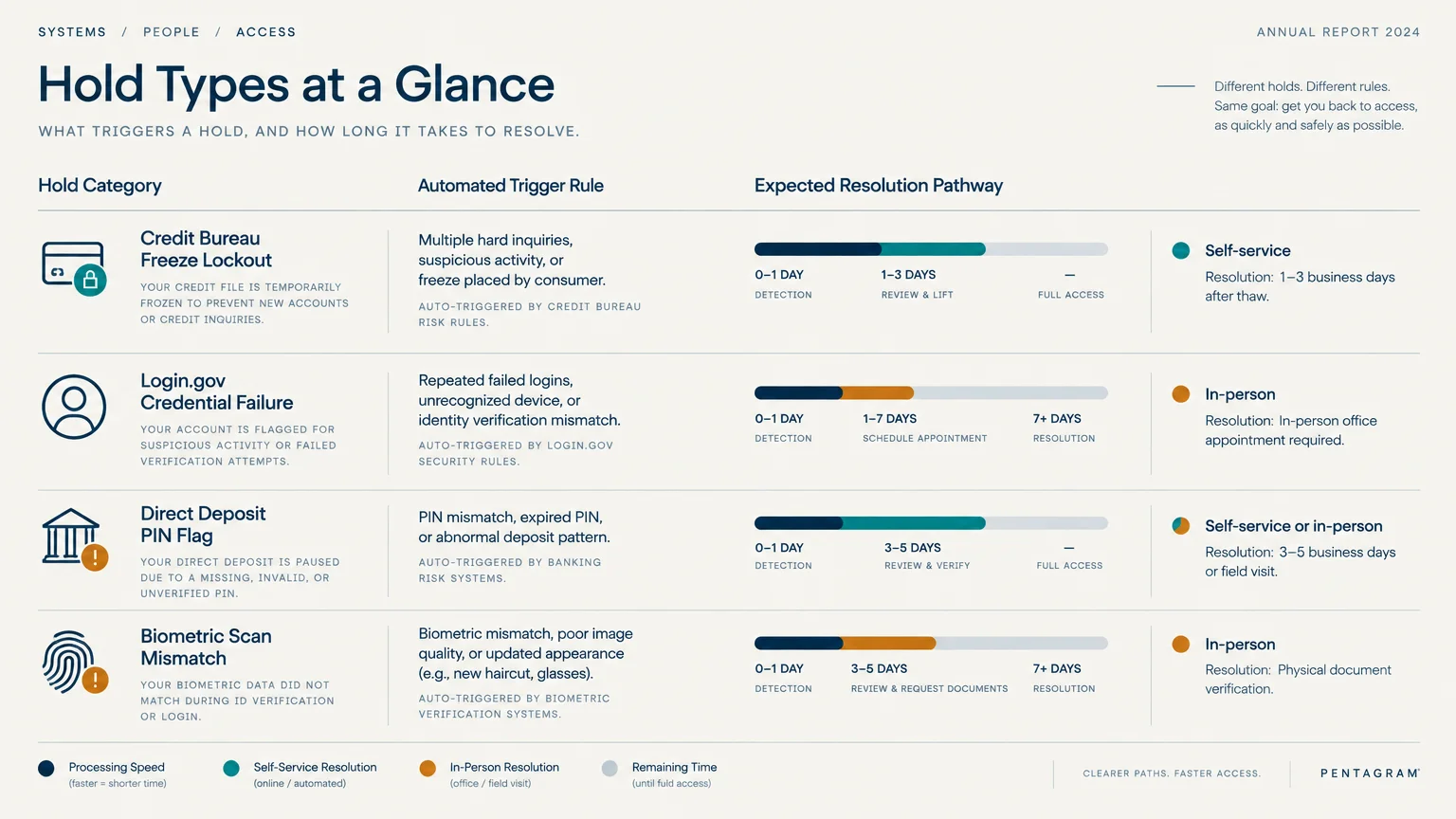
Resolving an administrative block depends heavily on the specific security rule triggered. The table below outlines typical requirements and resolution timelines for common issues.
| Verification Trigger | Primary Proof Required | Processing Location | Typical Resolution Time |
|---|---|---|---|
| Credit Bureau Freeze | Experian Unfreeze Notice | Online Portal | 24 to 48 hours |
| Direct Deposit Hold | Government ID, Voided Check | Field Office In-Person | 1 to 3 business days |
| Numident Name Mismatch | Certified Marriage Certificate | Field Office or Mail | 10 to 14 business days |
| Phone Screening Flag | State ID, W-2, Birth Record | Field Office In-Person | 7 to 10 business days |
| Erroneous Death Listing | Original Government Photo ID | Field Office In-Person | 3 to 5 business days |
| Duplicate Claim Flag | FTC Fraud Report, Police Report | OIG / Special Office | 30 to 90 business days |
How to Clear an SSA Identity Verification Delay
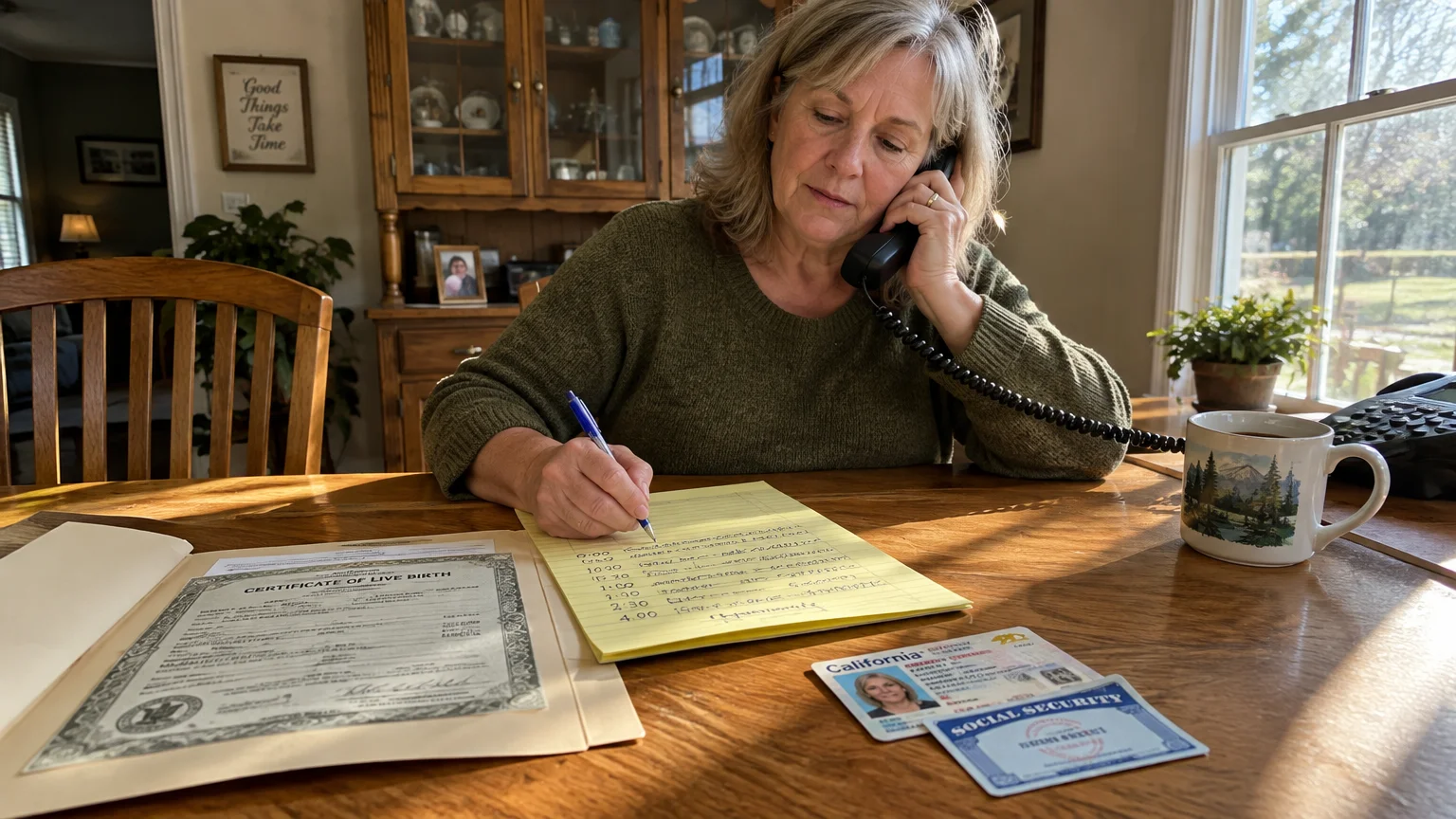
Overcoming a benefit freeze requires a structured, step-by-step approach. Taking the correct actions immediately helps restore your monthly cash flow without unnecessary delays.
- Review Official Correspondence: Check your mail for Form SSA-L1140 or custom agency notices detailing the exact documentation requested.
- Schedule an In-Person Field Office Appointment: Call your local office directly instead of the national toll-free line to secure an appointment faster.
- Gather Certified Original Documents: Assemble original vital records, unexpired government IDs, and recent banking statements to prove your claim.
- Obtain Written Confirmation: Request an official receipt and case tracking number from the claims representative before leaving the agency office.
- Monitor Your Direct Deposit Account: Watch your bank statements closely over the next two payment cycles for retroactive lump-sum disbursements.
Never mail original identity documents like driver’s licenses or passports unless an official explicitly requires it. Hand-delivering these documents at a local field office protects you against postal loss.

Required Documentation for Identity Proofing Appointments
Showing up unprepared for an identity verification interview resets your resolution timeline. You must bring specific, unaltered records that prove your identity and citizenship.
- Government Photo Identification: An unexpired state driver’s license, Real ID, or United States passport.
- Proof of Citizenship or Legal Status: An original birth certificate, naturalization certificate, or valid permanent resident card.
- Financial Account Proof: A voided preprinted check or formal bank letter verifying your routing and account numbers.
- Name Change Evidence: A certified marriage certificate, divorce decree, or legal court order connecting your past and current names.
- Recent Tax Documentation: Form W-2 statements or filed federal income tax returns showing your reported earnings history.
Field office staff reject photocopies, notarized copies, and laminated documents. Every single item you present must be an official certified original issued by a government authority.
Costly Mistakes to Avoid
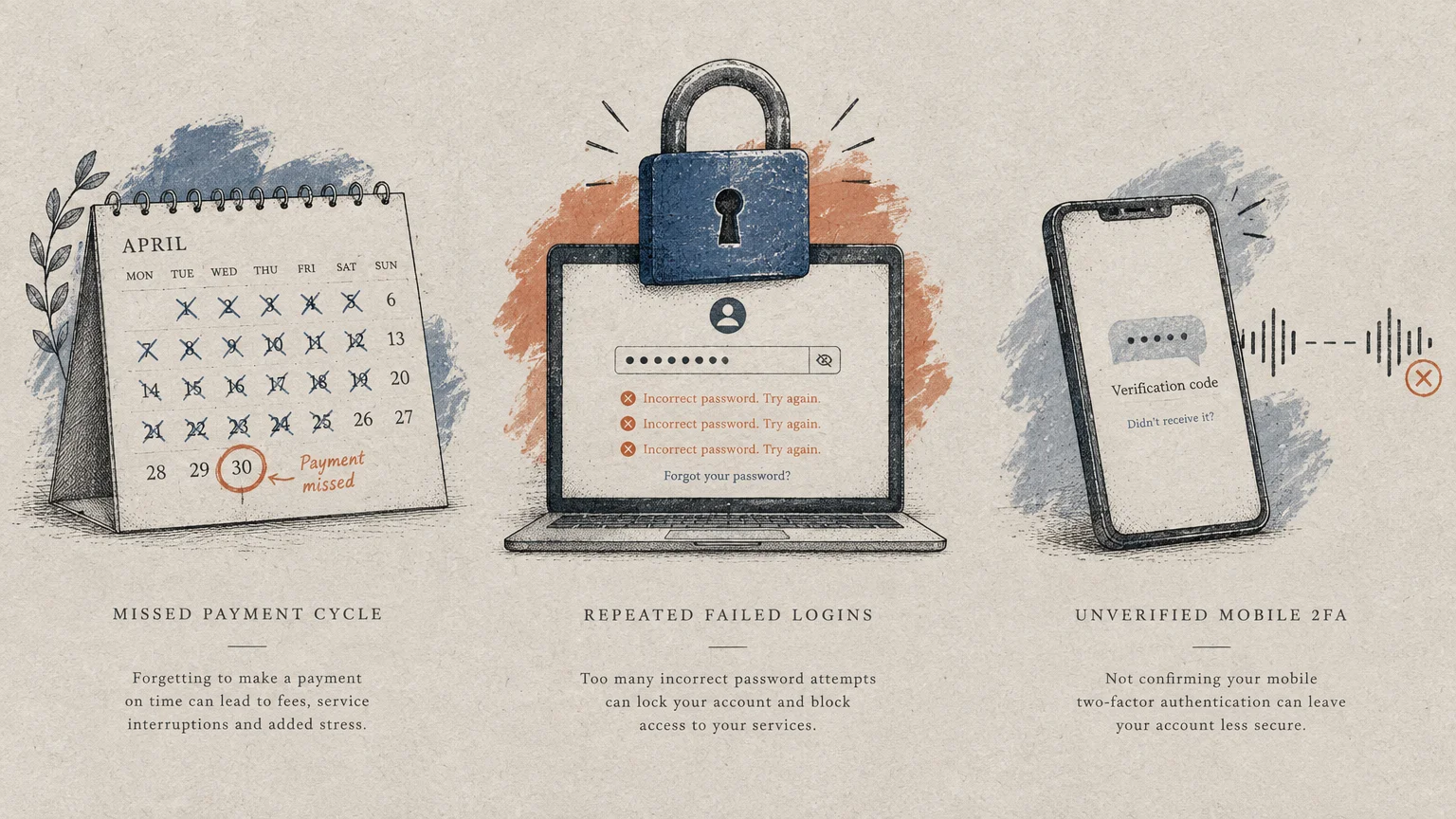
Experiencing a frozen account causes stress, which often leads to impulsive errors. Avoiding these common mistakes helps protect your benefits and prevents permanent payment cancellations.
Do not attempt repeated online logins after a system error locks your access. Submitting failed security questions multiple times extends your digital suspension period from days to weeks.
Never share your digital passcodes or one-time PINs with inbound phone callers claiming to represent the government. Federal workers never call beneficiaries demanding instant verification codes over the phone.
Do not close the bank account connected to your direct deposit while an identity hold remains active. Closing the account causes incoming payments to bounce, complicating your retroactive payment claims.
Avoid paying third-party commercial services promising to expedite your identity verification process. Only authorized Social Security staff can lift an administrative hold on your federal record.
Don’t DIY These Decisions
Simple account freezes can usually be cleared with a straightforward office visit. However, complex fraud allegations and legal challenges require specialized professional guidance.
Consult a qualified Social Security attorney if your benefits stop due to statutory fraud redeterminations. Legal counsel ensures you meet strict administrative appeal deadlines and preserves your rights.
Work with an accredited benefits counselor or CPA if you face substantial overpayment notices alongside an identity hold. Professional advocates understand how to petition for hardship waivers and negotiate reasonable repayment arrangements.
Engage a consumer protection attorney if identity theft compromises your broader financial profile across multiple credit bureaus. Resources from the Consumer Financial Protection Bureau help enforce fair credit reporting laws.
Frequently Asked Questions
How long does a Social Security identity verification hold last?
In-person verification issues typically resolve within three to ten business days after your appointment. Complex fraud investigations or identity theft cases can take several months to resolve completely.
Can I unfreeze my Social Security benefits over the phone?
Most administrative holds require an in-person visit to a local field office with original documents. Staff cannot lift security flags over the phone due to strict anti-fraud rules.
Will I receive retroactive payments after the agency lifts the hold?
Yes, the agency pays all withheld funds as a single lump-sum deposit once you verify your identity. Your regular monthly payment schedule resumes on the following regular payment cycle.
What happens if I cannot visit a field office due to a medical condition?
Homebound individuals can request an accommodation, such as a video appointment or a field representative home visit. A physician must submit supporting medical evidence documenting your inability to travel.
Protecting Your Hard-Earned Retirement Benefits
Verify your benefits dashboard regularly to catch data discrepancies before they disrupt your monthly budget. Addressing demographic errors and maintaining updated contact records prevents unexpected verification holds.
This article is for informational purposes only and does not constitute financial, legal, or tax advice. Rates, benefit amounts, and tax rules change regularly—verify current details with the relevant agency or a licensed professional.
Last updated: February 2026. Rates, benefit amounts, and tax rules change—always verify current details at official sources.