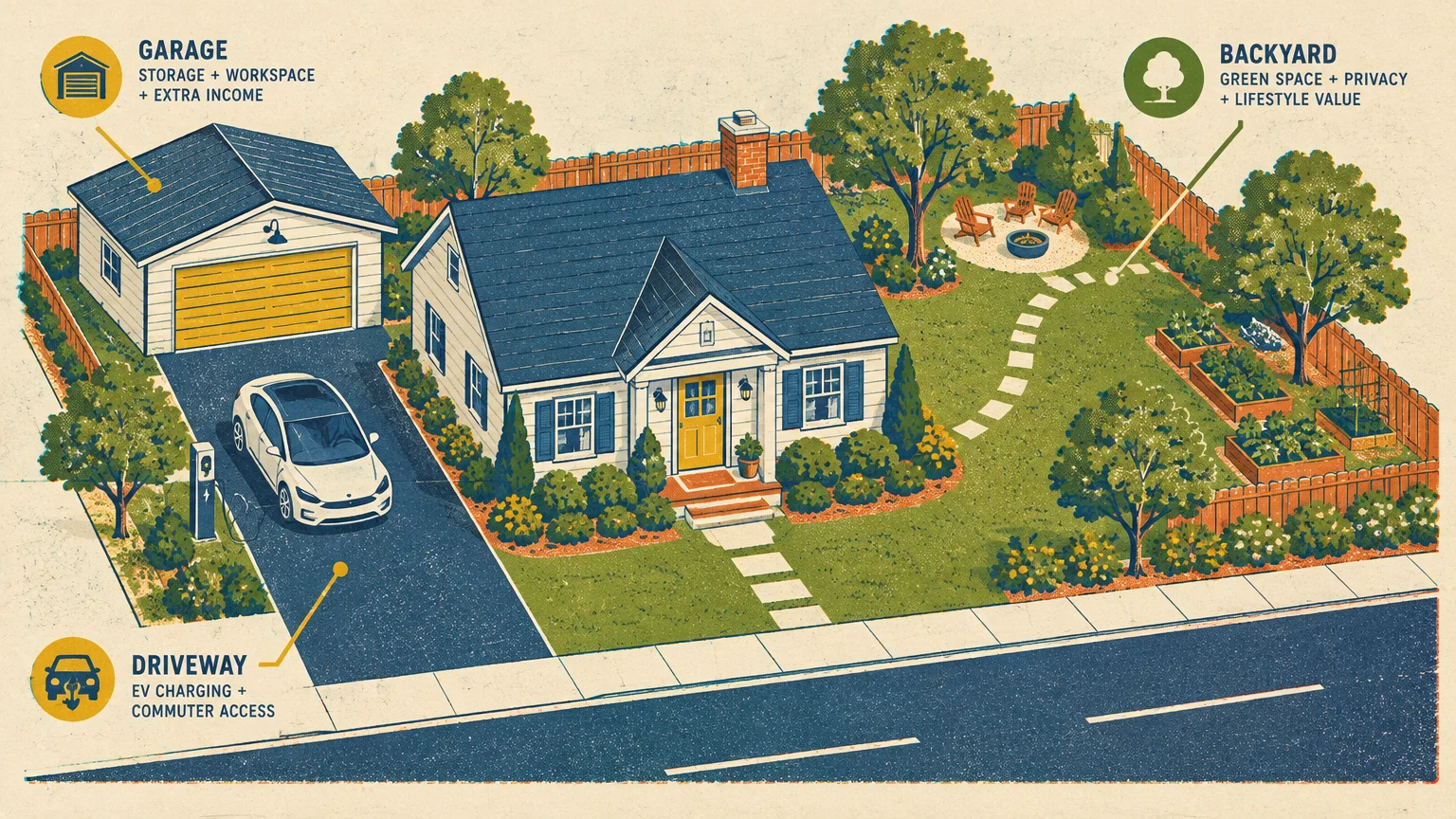
You pay thousands of dollars every year to maintain your home and land. Transforming an empty driveway, unused garage, or grassy yard into an active income source offsets rising property taxes and utility bills.
Monetizing idle square footage produces a dependable stream of passive income space earnings with minimal daily labor. Modern platforms connect you directly with vetted local renters who need secure storage.
Whether you store an RV or host dog owners, peer-to-peer apps streamline payments and provide liability safeguards. Here are eight practical strategies to rent out a driveway, garage, or yard for recurring cash.
The Bottom Line Up Front
Renting residential space requires minimal startup capital because you monetize an asset you already control. Paved driveways, locked garages, and fenced acreage satisfy distinct consumer demands across suburban and urban communities.
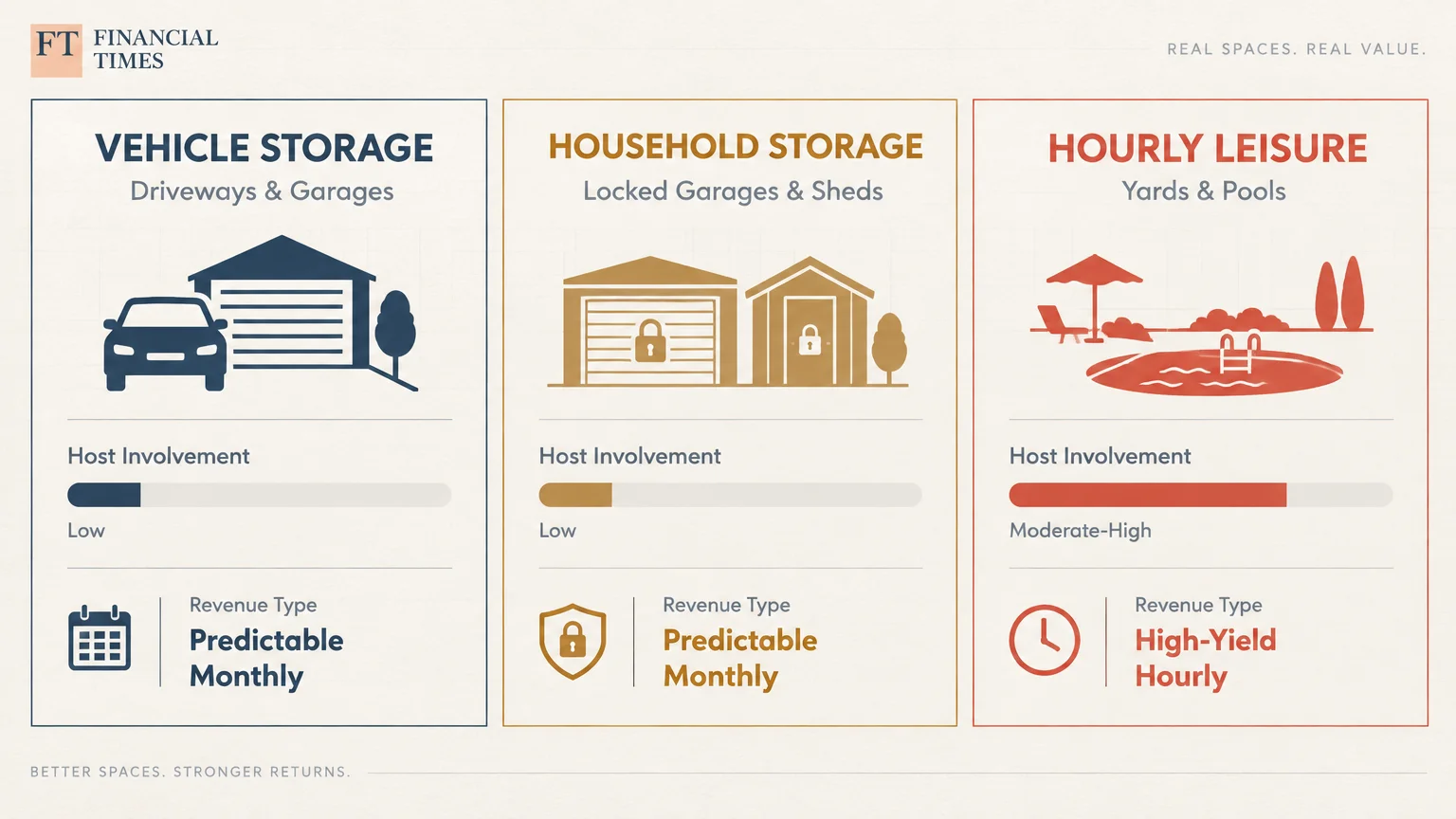
Payout structures vary significantly depending on the platform, your geographic location, and tenant access requirements. While vehicle storage provides hands-off monthly revenue, hourly leisure rentals yield higher payouts in exchange for increased host involvement.
Success requires navigating local zoning ordinances, reviewing homeowners association rules, and reporting earnings correctly. Protecting your household begins with choosing platform options that deliver built-in liability coverage.
1. Monthly Commuter and Resident Parking
Urban parking shortages create steady demand for secure residential driveways and empty garages. Daily commuters and apartment dwellers actively search for reliable parking stalls near transit hubs and employment centers.
Listing your driveway on platforms like Neighbor or SpotHero connects you with vetted drivers seeking monthly arrangements. You simply assign them an unobstructed stall on your paved surface.
Typical driveway or garage spots rent for $50 to $300 per month across most American suburbs. In dense metropolitan markets like New York City, rates can reach $500 per month.
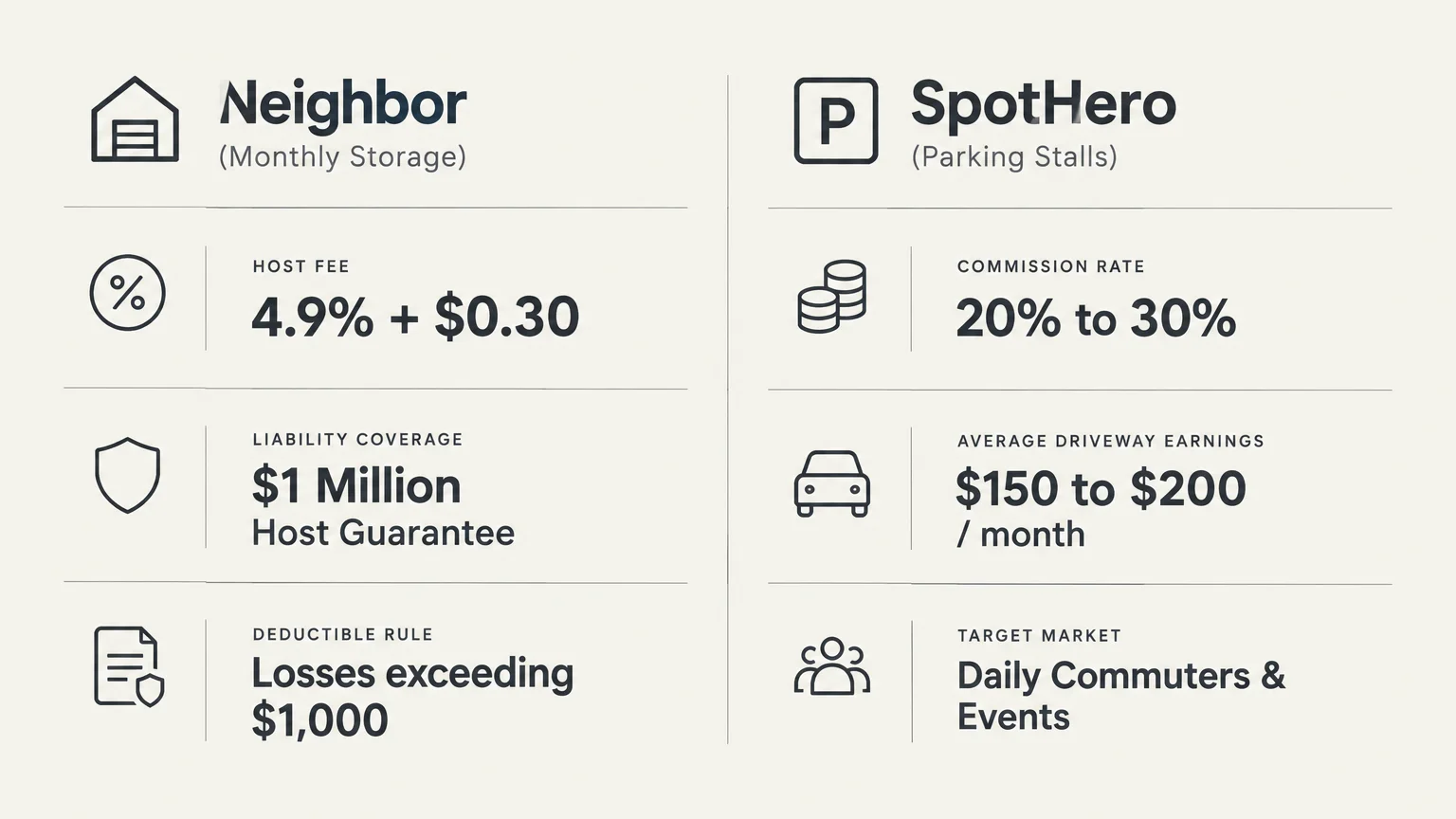
Neighbor deducts a host processing fee of 4.9% plus $0.30 from each monthly payout. The platform includes a $1 million Host Guarantee covering legal liabilities.
Keep in mind that Neighbor’s Host Guarantee only applies to losses exceeding $1,000. The policy also excludes any damage involving your personal household vehicles.
SpotHero takes a 20% to 30% commission on residential bookings. Residential hosts using SpotHero typically earn between $150 and $200 per month for a standard single-car driveway.
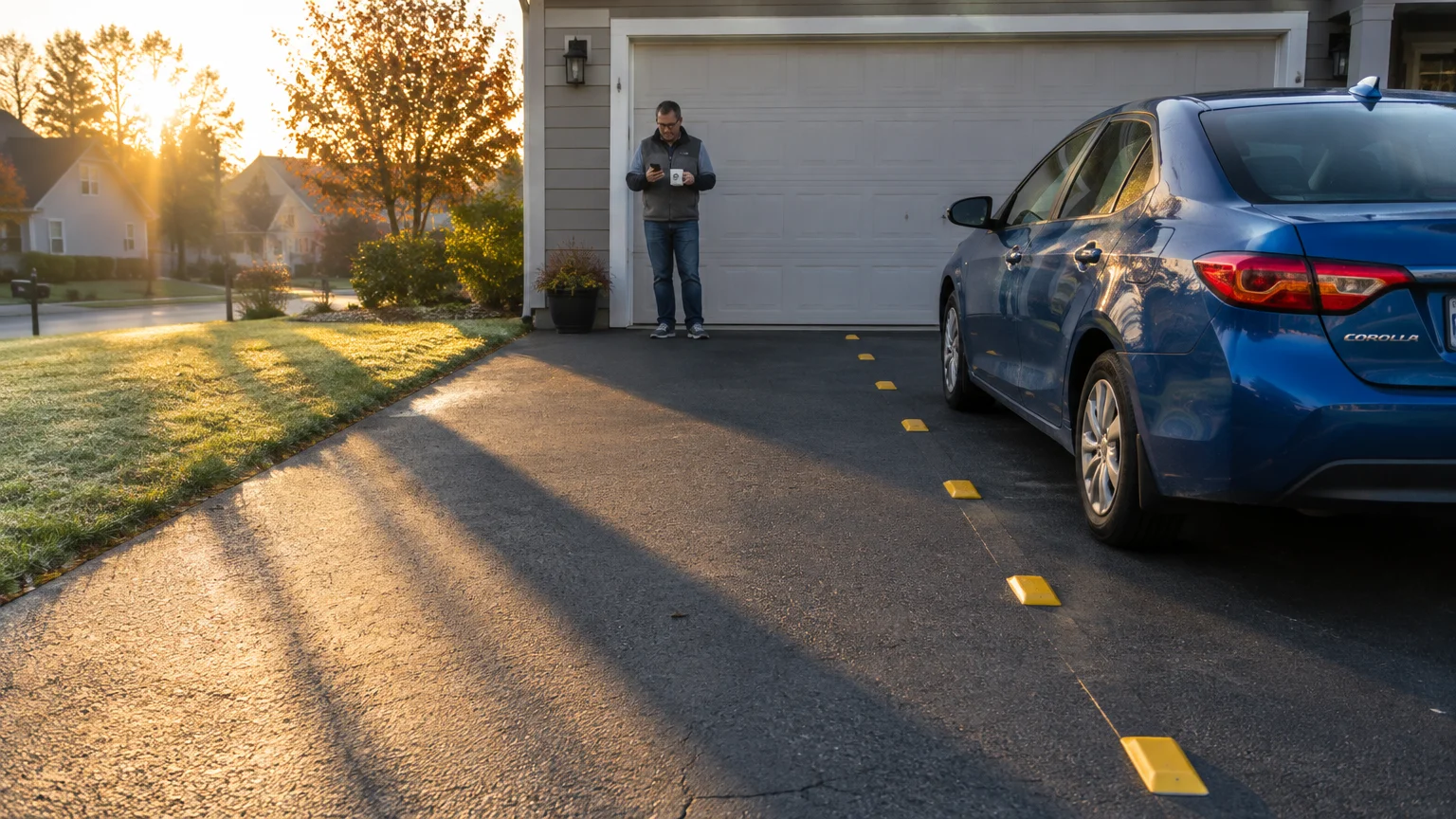
Ensure your driveway layout allows your family to exit without moving the renter’s car. Marking dedicated stalls with outdoor chalk or small driveway reflectors avoids morning logistical headaches.

2. Game-Day and Event Parking
Properties located within walking distance of sports stadiums, concert arenas, or convention centers hold seasonal goldmines. Event attendees often pay premium rates to bypass congested commercial parking garages.
You can rent out driveway stalls for single-day events using platforms like SpotHero or local neighborhood boards. Hourly rates for event parking generally range from $3 to $8 per hour.
High-profile championship games and sold-out stadium concerts often command flat rates between $40 and $100 per vehicle. Parking three or four cars on your driveway generates significant weekend cash.
However, you must verify local municipal ordinances before collecting payments from drivers. Many cities aggressively regulate residential event parking to control neighborhood traffic.
Municipalities like Inglewood, California, and Walpole, Massachusetts, require commercial parking permits or stadium lot licenses to park cars legally. Operating without required city permits can trigger steep local citations.
Always collect payments electronically through reputable apps to maintain clear transaction records. Directing drivers carefully into stalls prevents lawn rutting and minimizes accidental property damage.
3. Household Goods and Furniture Storage
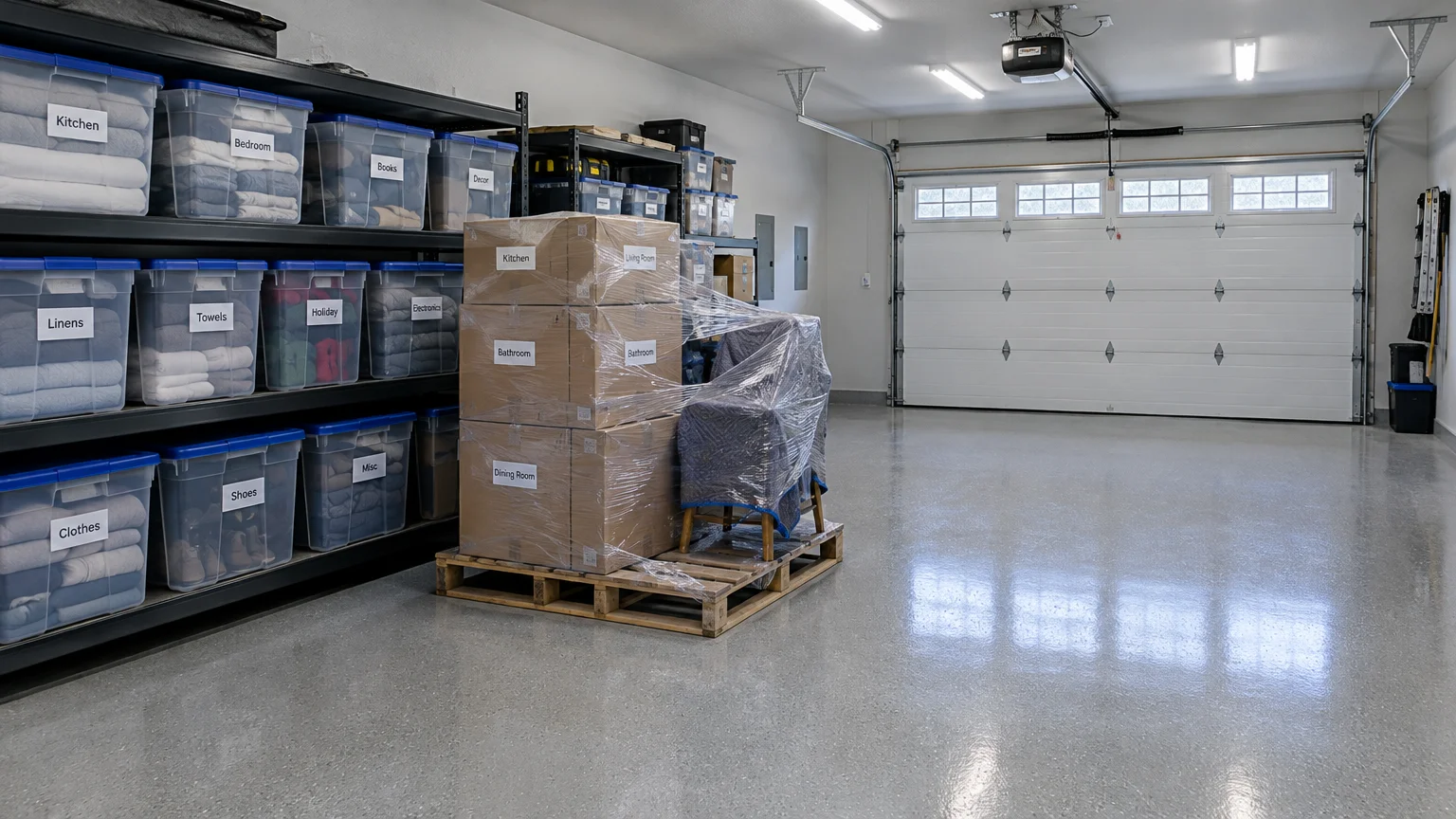
Traditional self-storage facilities continue to raise rental rates on consumers across the country. Homeowners with dry, secure garages can offer an affordable alternative for nearby neighbors.
Neighbor specializes in peer-to-peer storage solutions for household boxes, seasonal items, and extra furniture. You rent garage for cash by offering clean, protected square footage.
Storage spaces on Neighbor are priced on average at 50% of traditional commercial self-storage facilities. This substantial discount attracts budget-conscious families undergoing home renovations or relocations.
A clean, empty two-car garage can generate between $150 and $400 each month in passive revenue. The income requires virtually zero ongoing physical labor once the tenant moves in.
Inspect your garage thoroughly for moisture, roof leaks, and rodent entry points before listing. Providing raised wooden pallets protects stored boxes from accidental water seepage during heavy rainstorms.
Establish clear access hours in your rental agreement so tenants do not arrive unannounced. Specifying weekend-only access or 48-hour advance notice maintains your household privacy.
4. Boat, Camper, and RV Storage
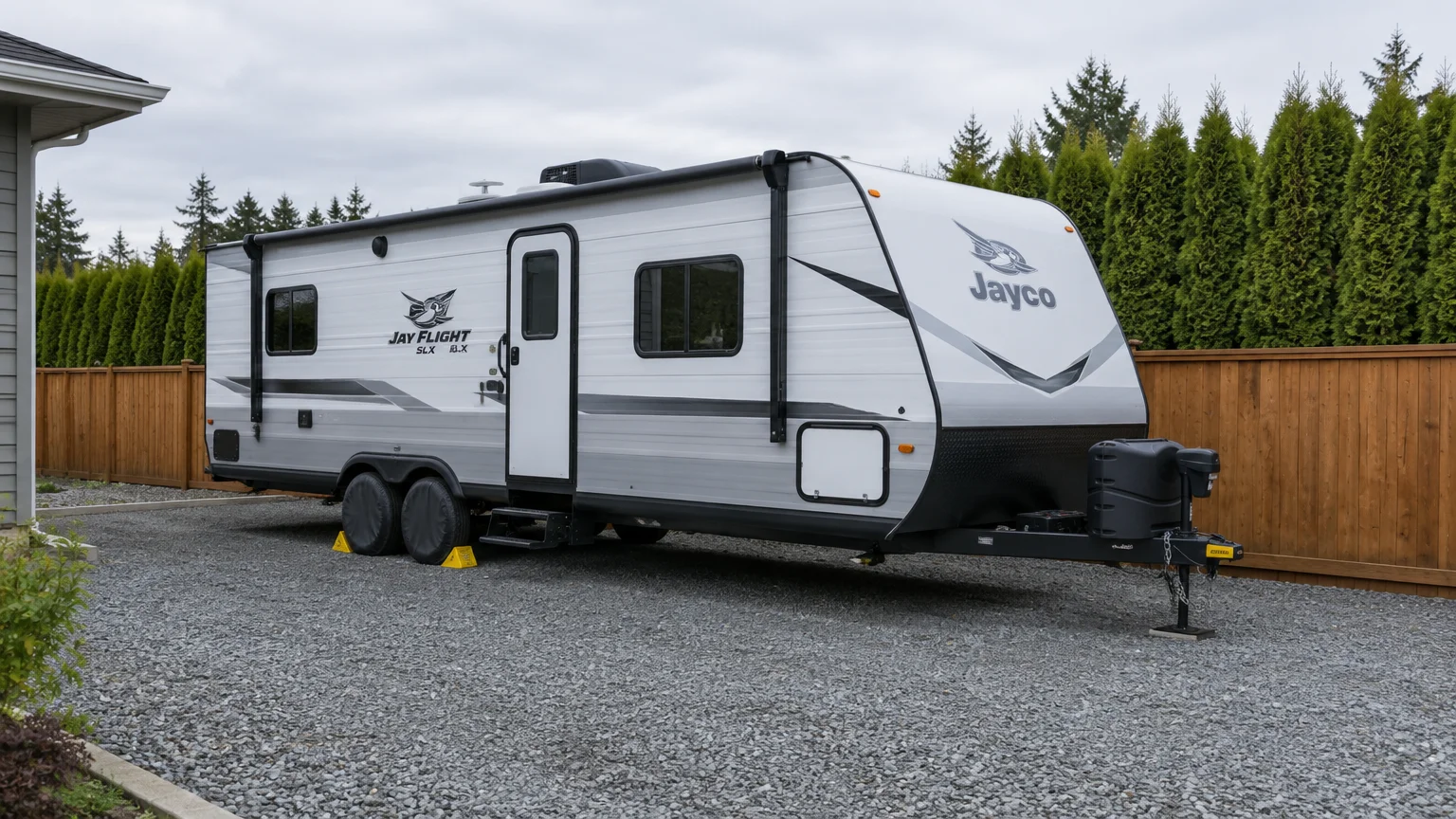
Commercial storage facilities charge steep premiums to park oversized recreational vehicles, travel trailers, and boats. Suburban and rural properties with deep side yards or long gravel pads fulfill this demand.
Many residential neighborhoods prohibit street parking for recreational vehicles longer than 72 hours. RV owners eagerly pay property owners for secure, long-term open-air parking stalls.
You can rent yard space or long driveways for $100 to $300 per month depending on space length. Spaces offering dedicated 30-amp or 50-amp electrical hookups command even higher monthly payouts.
Surface preparation is vital when hosting heavy recreational vehicles. Parking large campers directly on bare turf can sink tires, trap moisture, and destroy your lawn.
Local zoning laws frequently restrict where property owners may park heavy equipment. Cities like Houston ban parking on unpaved front or side yards in designated residential areas.
Houston enforces fines of up to $150 per day for unpaved yard parking violations. Laying compacted gravel or concrete runners ensures legal compliance and prevents costly municipal code violations.

5. Private Dog Park Rentals
Millions of pet owners seek quiet, private outdoor environments where reactive or energetic dogs can exercise safely. If you own a fully fenced yard, you can monetize it through Sniffspot.
Sniffspot allows suburban and rural homeowners to turn their private yards into private dog parks. Hosts set their own hourly rates, which typically range from $5 to $15 per dog, per hour.
The platform automatically discounts additional dogs in the same booking by 50%. It also applies a 25% discount for shortened 30-minute bookings.
Sniffspot deducts a host commission and transaction fee of 24.37% plus $0.22 per booking. This fee covers automated guest screening, marketing, and scheduling tools.
The service offers guest memberships ranging from $20 to $120 per month for prepaid booking credits. Hosts are opted in by default to provide a 5% to 15% discount on member visits.
Bookings include $1 million in host liability insurance and $5,000 in property damage protection. This specialized coverage shields homeowners against dog-related incidents on their property.
To earn top reviews, maintain secure fencing without gaps and clear all pet waste regularly. Providing fresh drinking water, waste bags, and tennis balls encourages repeat neighborhood bookings.

6. Backyard Camping and Glamping Sites
Nature enthusiasts and road trippers frequently look for private, quiet camping spots away from overcrowded public campgrounds. Platforms like Hipcamp connect landowners with tent campers, van lifers, and glampers.
If you own open acreage, a wooded lot, or a scenic yard, you can generate steady nightly income. Nightly camp rates range from $30 for primitive tent pitches to over $150 for furnished glamping setups.
Hipcamp charges private landowners a 15% commission on bookings, which conveniently covers credit card processing fees. For integrated commercial property management systems, the fee drops to 12.5%.
Hipcamp provides hosts with $1 million in general liability insurance alongside $10,000 in property protection. This policy offers valuable protection against unforeseen guest accidents or structural damage.
Check your municipal short-term rental rules and county health codes regarding sanitation. Providing basic amenities, such as a composting toilet and potable water, substantially boosts your booking frequency.
Clearly define property boundaries and establish strict campfire rules to prevent neighborhood disputes. Well-managed campsites create reliable seasonal cash flow with minimal ongoing physical maintenance.

7. Hourly Pool and Backyard Leisure Rentals
Homeowners with private swimming pools, outdoor kitchens, or pickleball courts can monetize their amenities by the hour. Swimply allows you to rent your backyard leisure spaces to local families and small groups.
Typical backyard pool rentals on Swimply range from $25 to $100 per hour depending on pool features. Premium properties with heated water, hot tubs, and covered cabanas command rates above $120 per hour.
Swimply charges hosts a service fee between 15% and 30%, meaning you keep 70% to 85% of each booking. Most host portals cite effective fee rates falling between 15% and 25%.
Hourly pool rentals can generate $1,000 to $4,000 in extra monthly income during warm summer months. This revenue easily covers seasonal pool chemical supplies, heating costs, and professional maintenance.
Water safety remains the primary responsibility when hosting strangers in your swimming pool. Establish strict guest count limits, enforce shallow-end rules, and prohibit glass containers around the pool deck.
Determine whether guests may access your home restroom or if you need an exterior portable restroom. Providing dedicated exterior access preserves your indoor privacy while maintaining hygiene standards.
8. Photography, Film, and Creative Production Spaces
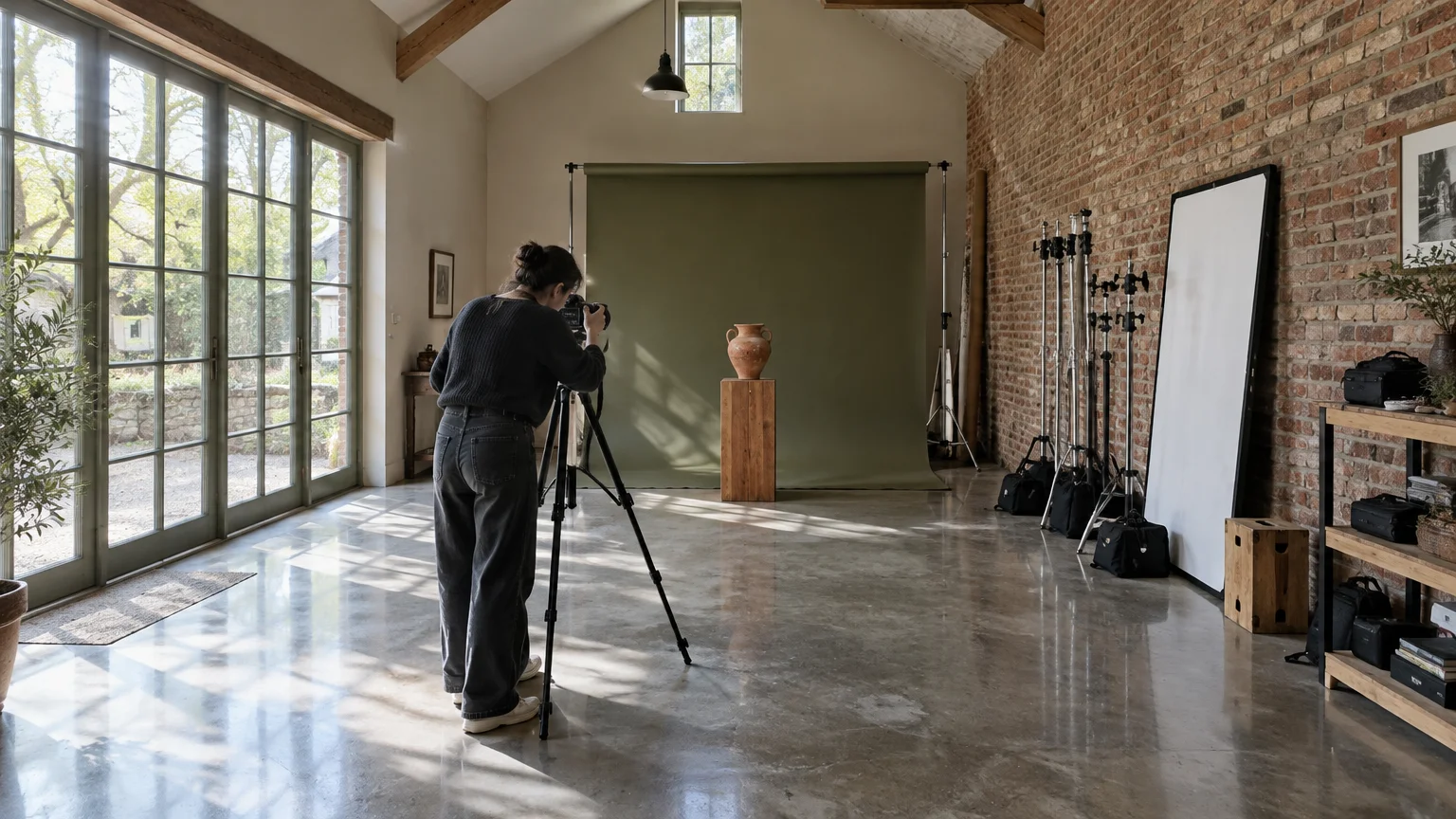
Production crews, commercial photographers, and content creators constantly search for distinct residential backdrops. Peerspace allows homeowners to rent unique driveways, designer garages, and landscaped yards by the hour.
A rustic barn, an industrial garage workshop, or a manicured garden can rent for $50 to $200 per hour. Creative productions rarely cause heavy wear and tear compared to large social gatherings.
Peerspace charges hosts a flat 20% service fee on the total booking amount. This percentage applies to cleaning fees and equipment add-ons charged to the creative team.
Peerspace bookings include up to $1 million in general liability coverage. The platform also provides up to $25,000 in property damage protection against accidental set damage.
Always request a detailed description of the creative project, crew size, and equipment list before accepting bookings. Large generator trucks or heavy lighting rigs may require specific driveway weight accommodations.
Set clear noise limitations and booking timeframes to remain courteous to adjacent neighbors. Creative hourly rentals often deliver the highest hourly earnings among all space rental models.
Platform Comparison: Fees, Insurance, and Earnings Potential
Evaluating fee structures and coverage limits helps you select the right storage rental side hustle. The table below compares the leading platforms across key hosting metrics.
| Platform | Primary Space Type | Host Fee / Commission | Platform Liability Coverage | Typical Monthly or Hourly Payout |
|---|---|---|---|---|
| Neighbor | Driveways, garages, and indoor storage | 4.9% + $0.30 per payout | $1,000,000 (losses over $1,000) | $50 to $300 per month |
| SpotHero | Driveways and commuter parking | 20% to 30% commission | Varies by partner agreement | $150 to $200 per month; $3 to $8 per hour |
| Sniffspot | Fenced private yards (dog parks) | 24.37% + $0.22 per booking | $1,000,000 liability; $5,000 damage | $5 to $15 per dog, per hour |
| Hipcamp | Acreage and backyard campsites | 15% commission | $1,000,000 liability; $10,000 property | $30 to $150 per night |
| Swimply | Swimming pools and patios | 15% to 30% commission | Third-party liability coverage included | $25 to $100 per hour |
| Peerspace | Yards, garages, and photo sets | 20% flat service fee | $1,000,000 liability; $25,000 damage | $50 to $200 per hour |
Platforms taking higher commissions generally offer larger buyer networks and automated payment tools. Choose an option that balances platform protection against your required net margin.
Understanding IRS Tax Rules and Reporting
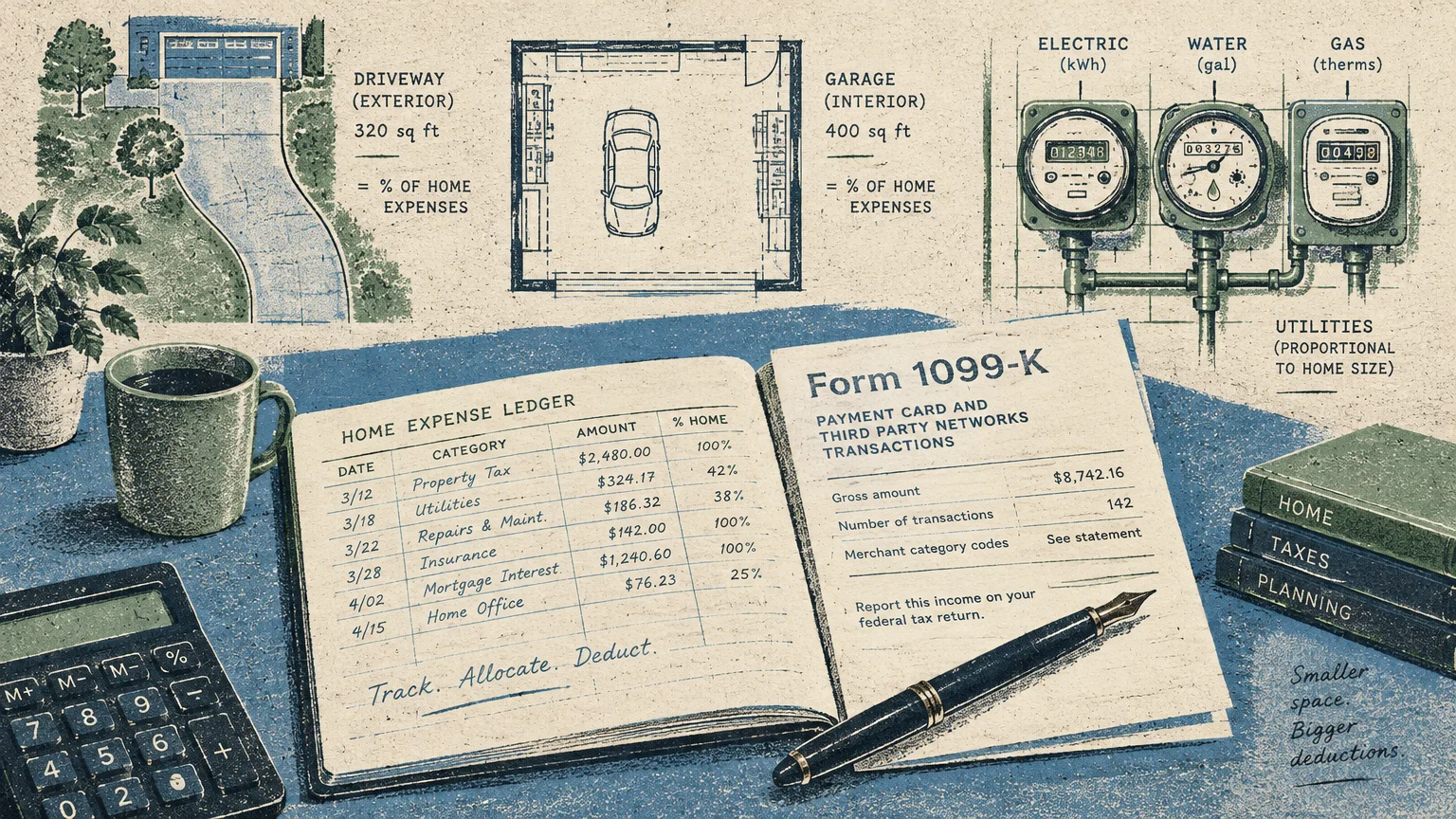
Renting residential space generates taxable income that you must report on your federal tax return. Understanding reporting thresholds ensures you remain compliant with federal tax laws.
Under the One Big Beautiful Bill Act (OBBBA) signed into law in July 2025, the IRS phased-in $600 reporting threshold was repealed. Third-party settlement organizations and peer-to-peer marketplaces only issue a Form 1099-K if a host exceeds $20,000 in gross payments AND 200 transactions in a calendar year.
Some individual states maintain lower reporting thresholds for state income tax purposes. You can review current filing requirements directly on the IRS official website.
If you rent space directly to a business without an app, commercial rules apply. Under the OBBBA, the threshold requiring a business tenant to issue Form 1099-MISC increased from $600 to $2,000.
Regardless of whether you receive a 1099 form, you must report every dollar of rental income. Failure to report untracked cash or digital transfers constitutes tax evasion under federal law.
Federal tax guidelines allow you to deduct legitimate operating expenses associated with your rental space. Learn more about managing personal and business finances through USA.gov Money and Taxes.
Deductible expenses may include platform service fees, outdoor lighting repairs, fencing improvements, and trash pickup services. Maintaining meticulous digital receipts throughout the year simplifies filing on Schedule E or Schedule C.
Common Money Traps to Avoid
Monetizing yard or garage space comes with potential financial hazards if you fail to plan. Avoid these critical mistakes to protect your household budget.
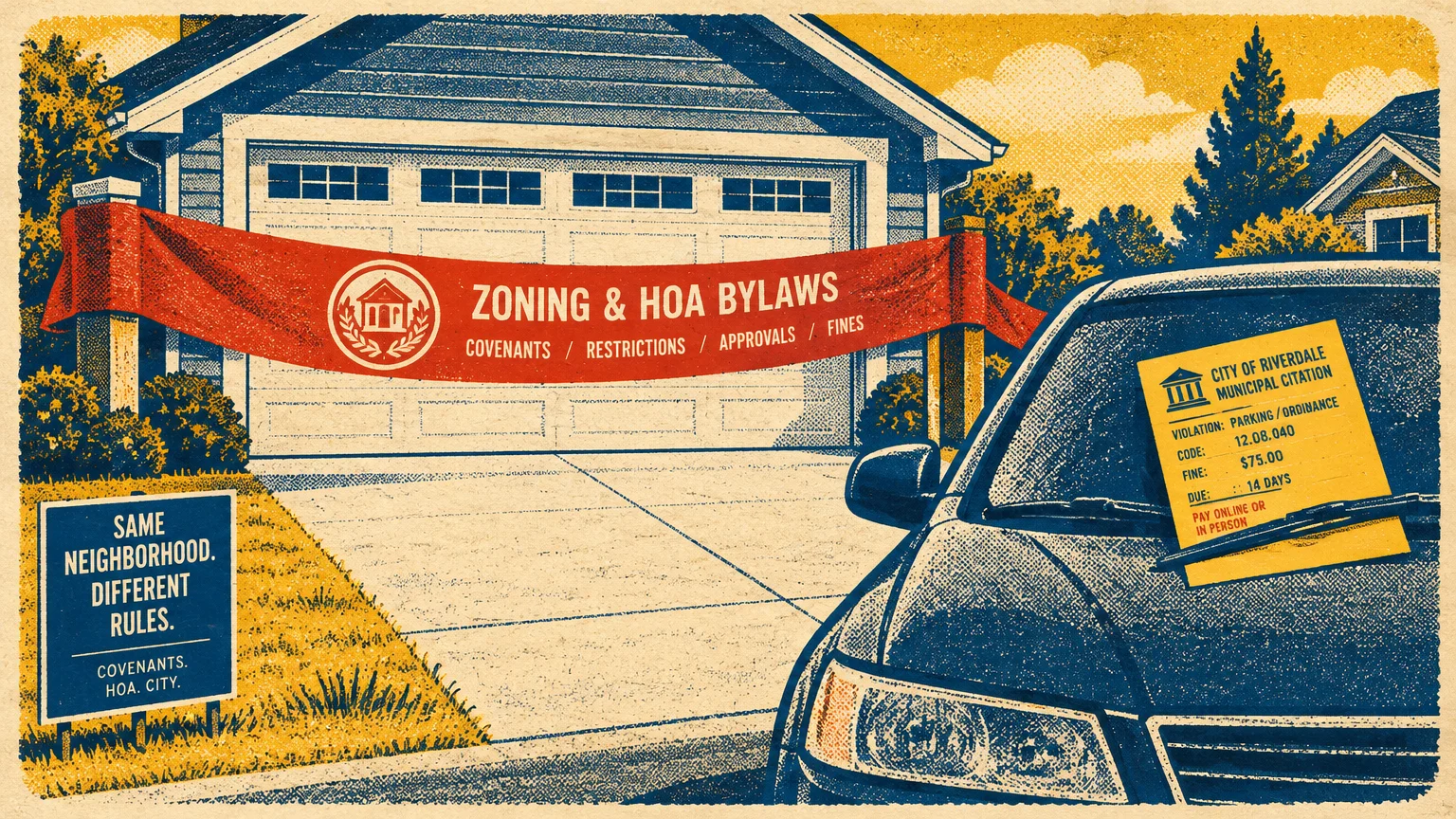
The most dangerous trap is ignoring local municipal zoning codes and neighborhood association rules. Many planned communities strictly prohibit commercial enterprises or visible customer parking on residential lots.
Violating city codes can wipe out your rental profits in a single afternoon. For example, parking on unpaved front yards in Houston carries fines of up to $150 per day.
Another frequent trap involves assuming standard homeowners insurance covers rental tenants. Most personal policies contain explicit commercial activity exclusions that void coverage during paid tenant visits.
“It’s not how much money you make, but how much money you keep, how hard it works for you, and how many generations you keep it for.” — Robert Kiyosaki
Never assume platform guarantees cover every possible incident on your property. Neighbor’s guarantee excludes damages under $1,000 and provides no protection for damage to your household vehicles.
Lastly, account for the real utility and maintenance costs of hosting. Heating a pool for hourly Swimply guests can quickly erase your net margins if you do not price accordingly.
Essential Pre-Listing Legal and Safety Checklist
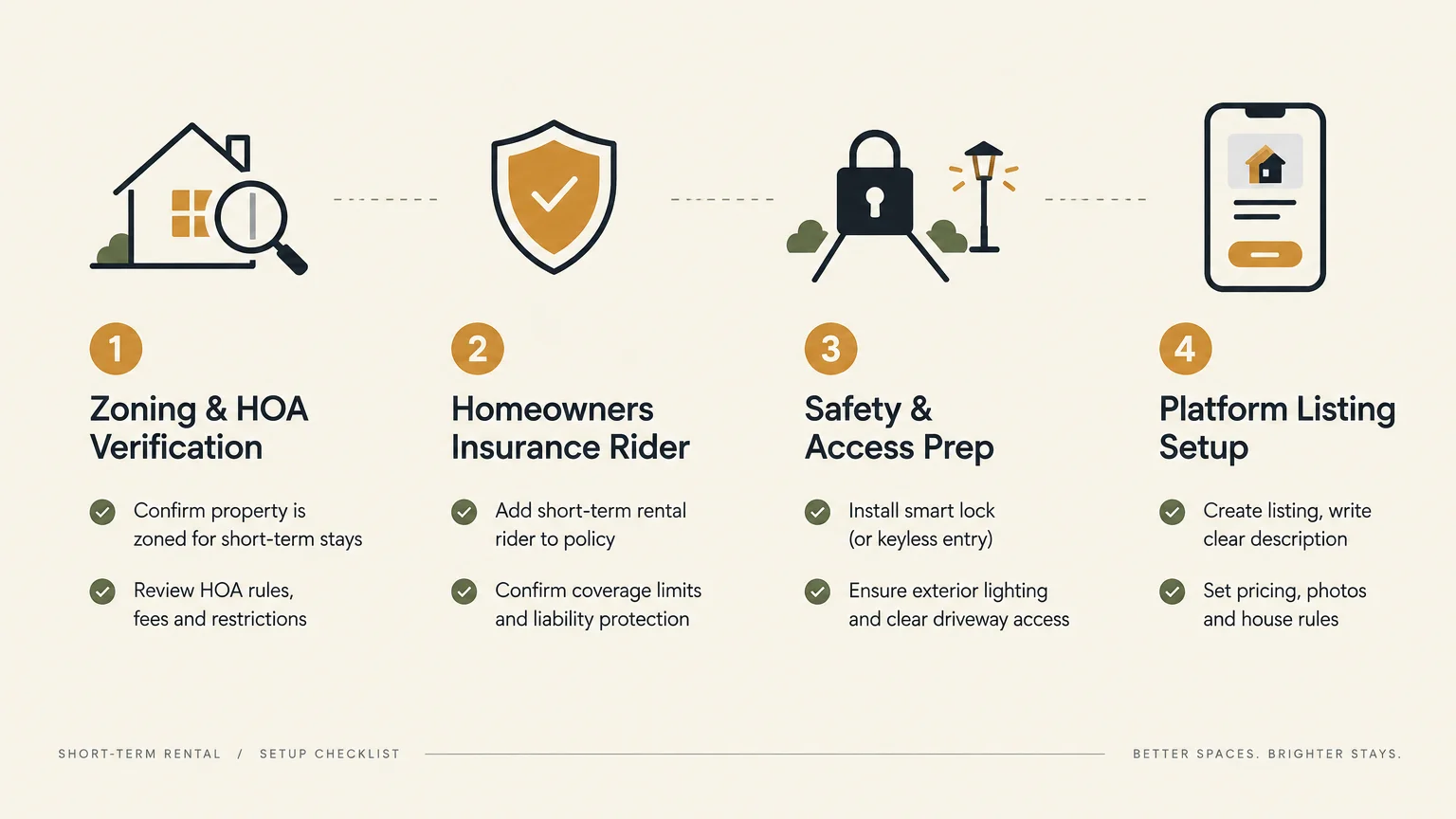
Before publishing your listing online, take deliberate steps to prepare your physical space and legal standing. Completing these checklist items protects your family and personal assets.
- Review municipal zoning codes and homeowners association bylaws regarding commercial land use.
- Contact your homeowners insurance agent to discuss an umbrella policy or commercial endorsement.
- Document the baseline physical condition of your driveway, garage floor, or yard using time-stamped photographs.
- Install secure physical dividers, such as a deadbolt on the interior access door connecting your garage to your living quarters.
- Draft explicit house rules covering operating hours, noise limits, maximum vehicle weights, and banned substances.
- Establish an emergency contact procedure and clearly identify exterior water shut-off valves or electrical panels.
Taking time to formalize these boundaries ensures smooth transactions with every renter. Upfront preparation separates successful passive earners from stressed homeowners.
“Do not save what is left after spending, but spend what is left after saving.” — Warren Buffett

When to Consult a Professional
While renting space is accessible, certain situations require professional legal or financial oversight. Investing in expert advice safeguards your primary residence from substantial financial exposure.
Consult a certified public accountant (CPA) if your space rentals generate substantial revenue across multiple platforms. A CPA helps you navigate depreciation, calculate home office deductions, and structure quarterly estimated tax payments.
Work with an independent insurance broker to evaluate commercial umbrella coverage. If a renter slips on your icy driveway or suffers a dog bite, an umbrella policy fills gaps left by platform guarantees.
If you encounter dispute issues or unfair tenant practices, seek consumer resources. The Consumer Financial Protection Bureau (CFPB) offers clear guidance on credit and debt issues.
Additionally, you can explore commercial consumer trade standards on the Federal Trade Commission (FTC) Consumer Advice portal. Understanding trade regulations ensures your rental operation runs safely and legitimately.
Frequently Asked Questions
Do I need a business license to rent out my driveway or garage?
Most residential suburban hosts do not need a formal business license for basic storage. However, high-volume event parking or frequent hourly rentals often require municipal commercial permits.
Will my homeowners insurance cover tenant injuries on my property?
Standard policies routinely exclude commercial activities and paid rentals. You should rely on verified platform liability guarantees or purchase a supplemental commercial umbrella policy.
What happens if a storage renter abandons their property in my garage?
You cannot simply dispose of or sell abandoned tenant property without following state lien procedures. Platforms like Neighbor provide legal eviction protocols to clear unpaid items safely.
How do I handle driveway snow removal for monthly parking renters?
Clarify snow clearance responsibilities directly within your initial rental listing agreement. Most hosts handle plowing the main driveway while tenants clear snow immediately surrounding their vehicle.
Next Steps to Monetize Your Space
Examine your property this weekend to identify underutilized square footage. Clear out clutter from your garage or inspect your fence lines to determine the best monetization path.
Start small by listing a single parking spot or offering dry box storage on Neighbor. Building positive host reviews over time allows you to raise rates and expand your passive income potential.
Financial outcomes vary based on individual income, credit history, and circumstances. This article provides general guidance only. Consult a qualified financial planner, CPA, or consumer attorney for advice specific to your situation.
Last updated: October 2026. Rates, benefit amounts, and tax rules change—always verify current details at official sources.