Winter forces middle-class household budgets to absorb hundreds—often thousands—of dollars in unexpected cold-weather expenses. Preparing for these seasonal spikes now protects your emergency savings before temperatures plunge.
While most families plan for basic holiday gifts, few account for utility surges, sudden insurance resets, and mechanical home breakdowns. These hidden costs quietly derail monthly cash flow between November and February.
Understanding where your money leaks during winter allows you to make deliberate adjustments before bills arrive. Here are nine overlooked winter expenses threatening your family budget, along with exact steps to neutralize them.
1. Heating Fuel Surges and Regional Utility Price Spikes
Home heating bills represent one of the fastest seasonal drains on family checking accounts. Cold weather drives up fuel consumption while wholesale market pressures inflate delivery prices.
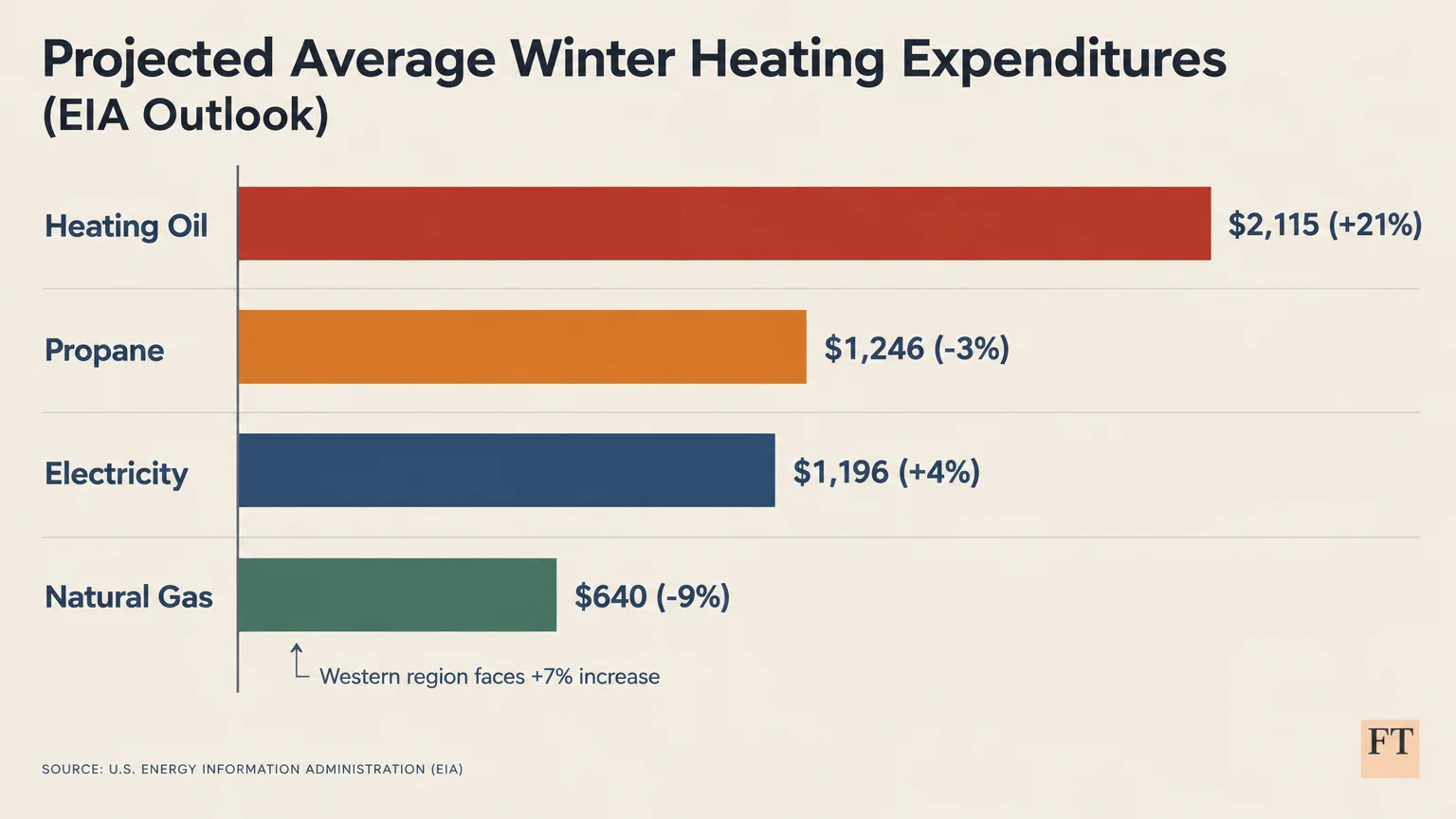
According to the U.S. Energy Information Administration (EIA) Winter Fuels Outlook, households using heating oil face the steepest increases. Families relying on heating oil will spend an average of $2,115 from November 2026 through March 2027.
That projection reflects a 21% increase over the prior winter. Retail heating oil prices have jumped 34%, averaging $5.26 per gallon across the heating season.
Over 40% of American households heat their homes with electricity. Electric-heated homes face a projected 4% increase this winter, with average expenditures reaching $1,196.
Natural gas users see mixed regional results. While the national average natural gas expense drops 9% to $640, Western households face a 7% increase due to colder regional forecasts.
Households heating with propane are projected to spend $1,246, representing a slight 3% decrease. However, sudden delivery surcharges during severe freezes can quickly erase those modest savings.
Enroll in your utility company’s budget billing program immediately to spread these peaks across twelve equal monthly payments. Levelized billing prevents single-month utility spikes from overwhelming your winter family budget.
2. The Expiration of Federal Home Energy Tax Credits
Many homeowners plan efficiency upgrades assuming Uncle Sam will subsidize the installation costs at tax time. For the 2026–2027 winter season, that assumption will trigger an expensive surprise.
Under legislative adjustments to the federal tax code, key energy efficiency tax credits expired on December 31, 2025. You can no longer claim the Section 25C Energy Efficient Home Improvement Credit on current federal returns.
That expired incentive previously reimbursed families up to $3,200 annually for heat pumps, exterior doors, insulation, and high-efficiency furnaces. The Section 25D Residential Clean Energy Credit has also expired.
Review current filing guidelines directly on the Internal Revenue Service portal before budgeting for efficiency projects. Assuming tax credits exist could leave you paying 100% of the equipment bill out of pocket.
State-level programs offer an alternative funding source. Department of Energy Home Energy Rebates remain active through state energy offices, offering up to $4,000 for electric panels and $8,000 for whole-home retrofits.
Always verify approved contractor rosters and equipment standards through your state agency before signing installation contracts. State rebate allocations are finite and require strict pre-approval protocols.
3. The January Healthcare Deductible Reset
January brings a harsh financial shock for families managing chronic conditions, prescription refills, or routine pediatric illnesses. Health insurance deductibles reset to zero on January 1, transferring full medical costs back to you.
Winter weather coincides directly with peak transmission of influenza, RSV, and strep throat. When your children fall ill in January, urgent care visits and prescriptions come straight from your disposable income.
Families enrolled in High-Deductible Health Plans (HDHPs) shoulder substantial out-of-pocket minimums. For 2027 coverage, the IRS establishes the statutory minimum deductible at $1,750 for self-only and $3,500 for family plans.
Annual out-of-pocket maximums under qualifying 2027 HDHP guidelines reach $8,700 for individuals and $17,400 for families. Meeting that burden during mid-winter requires careful cash allocations.
Schedule non-urgent doctor appointments, diagnostic screenings, and elective procedures in November or December if you have already met your deductible. Stock up on maintenance prescriptions before December 31 to preserve cash in January.
Transfer extra cash into your Health Savings Account (HSA) before year-end if your plan allows contributions. HSA balances roll over indefinitely, giving you dedicated pre-tax dollars when January medical bills arrive.
4. Year-End Flexible Spending Account (FSA) Forfeitures
Healthcare Flexible Spending Accounts provide outstanding tax advantages, but their structural rules trap unspent dollars. Failing to monitor your FSA balance in late autumn leads to permanent financial forfeiture.
Unlike HSAs, standard healthcare FSAs operate on a strict “use-it-or-lose-it” schedule established by federal regulations. Unused funds remaining after your plan’s final deadline revert directly to your employer.
The IRS issued Revenue Procedure 2026-35, defining exact limits for balances rolling from 2026 into 2027. The maximum rollover limit is capped at $680 for plans that permit carryovers.
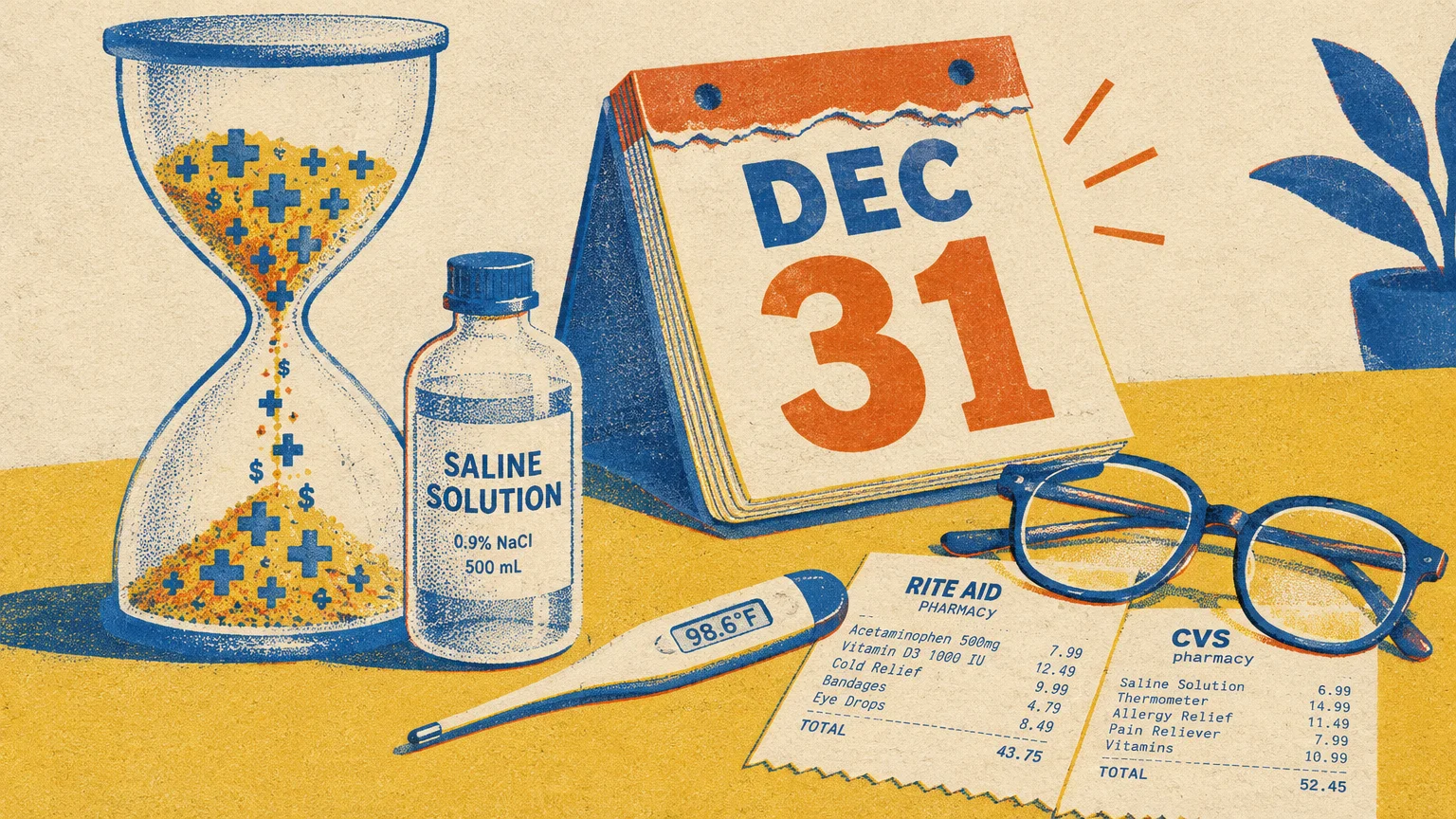
If you leave an unspent balance of $1,000 in your account on December 31, you forfeit $320 immediately. If your employer offers a grace period instead of a rollover, you must spend balances by March 15.
Audit your FSA account balance today and review qualified medical expenses. Purchase eligible family necessities, including prescription eyeglasses, dental cleanings, first-aid kits, and contact lenses before your calendar deadline hits.
For open enrollment planning, note that the 2027 FSA employee contribution limit rises to $3,500, with a $700 carryover into 2028. Align your 2027 payroll elections precisely with expected family medical expenses.
“A budget is telling your money where to go instead of wondering where it went.” — John C. Maxwell
5. Frozen Pipe Repairs and Homeowner Deductibles
Sub-zero winter blasts create severe hydraulic pressures within residential plumbing lines. Water expands as it freezes, rupturing copper, PEX, or PVC pipes inside crawl spaces, exterior walls, and unheated basements.
Repairing an accessible ruptured water pipe costs an average of $500, with emergency plumbing rates running between $200 and $3,000. However, the plumbing bill represents only a fraction of the total disaster.
Rushing water damages structural framing, insulation, electrical wiring, hardwood floors, and finished drywall. Water damage extraction and professional structural drying routinely cost between $1,000 and $6,000.
Remediation must occur rapidly. Public health guidance from the EPA and CDC advises complete drying within 24 to 48 hours to prevent toxic mold colonization.
Data from the Insurance Information Institute indicates that approximately 1 in 67 insured American homes files a freezing or water damage claim annually. The average claim severity reaches an alarming $13,954.
While insurance covers qualifying water catastrophes, you must pay your standard homeowner deductible out of pocket. Deductibles typically run from $1,000 to $2,500, forcing an immediate withdrawal from your emergency reserves.
Disconnect and drain outdoor garden hoses before the first freeze arrives. Insulate exterior spigots, seal foundation vents, and maintain indoor thermostat temperatures at 55 degrees or higher even while traveling.
6. Furnace Neglect and Emergency Winter HVAC Service
Heating systems experience intense mechanical friction during prolonged freezing weather. Skipping basic preventative maintenance in autumn almost guarantees an expensive system failure on the coldest weekend of the year.
A preventative seasonal furnace tune-up costs between $100 and $200, while comprehensive annual HVAC service agreements average $250. Technicians inspect heat exchangers, clear condensate lines, calibrate igniters, and test safety limit switches.
Neglected furnaces develop cracked flame sensors, failing blower motors, or clogged fuel filters during sub-zero operations. Standard mid-winter repairs run between $100 and $600 for minor component swaps.
If your heating system fails on a winter holiday or weekend, emergency call-out fees multiply quickly. Replacing critical components like cracked heat exchangers, electronic control boards, or gas valves ranges from $500 to $1,200.
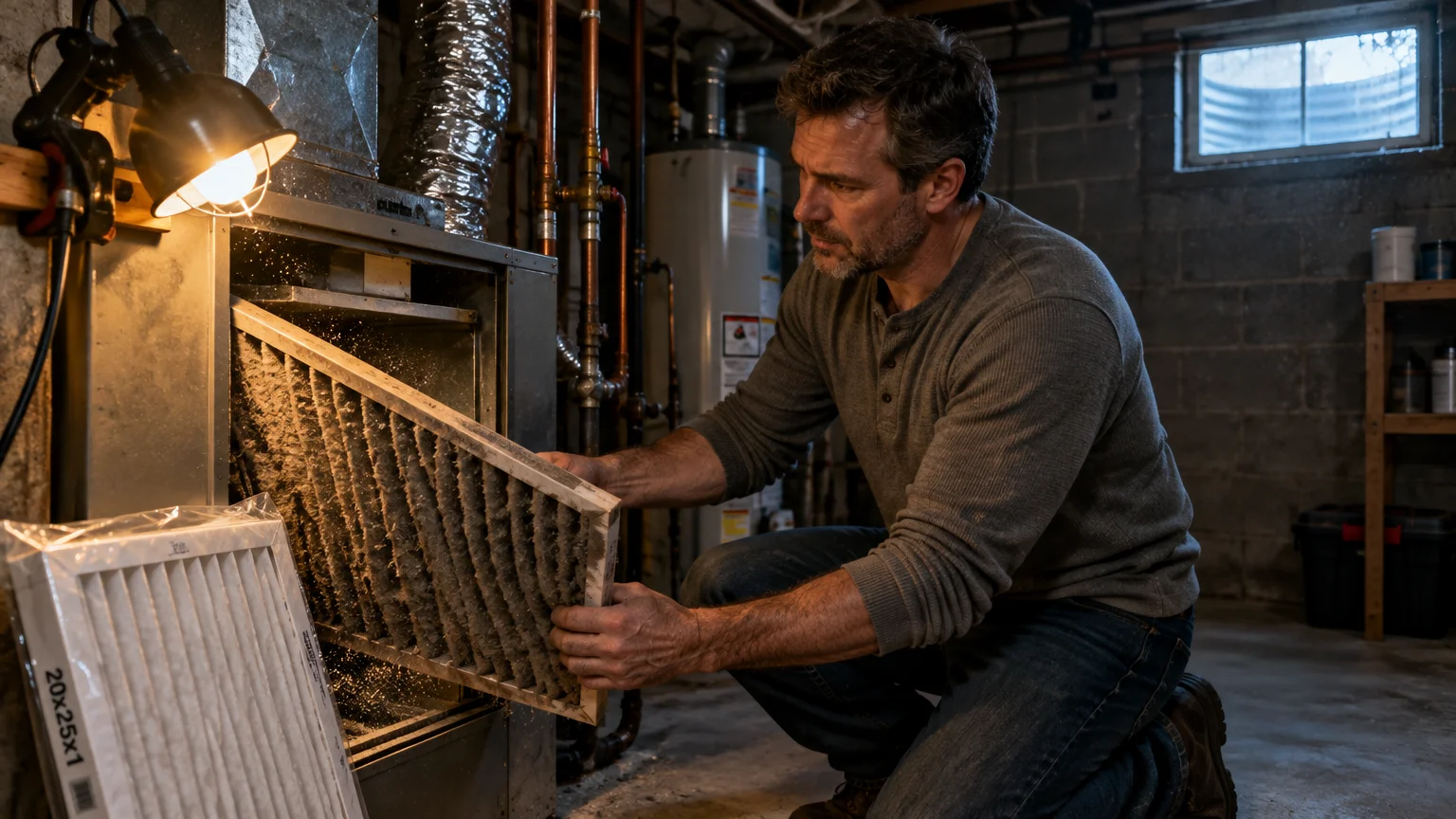
Replace your disposable furnace air filters every 30 to 60 days throughout the cold season. Clean filters reduce mechanical drag on the blower motor, cut energy usage by up to 15%, and prevent dangerous overheating shutdowns.
7. Cold-Weather Auto Wear and Higher Commuting Fuel
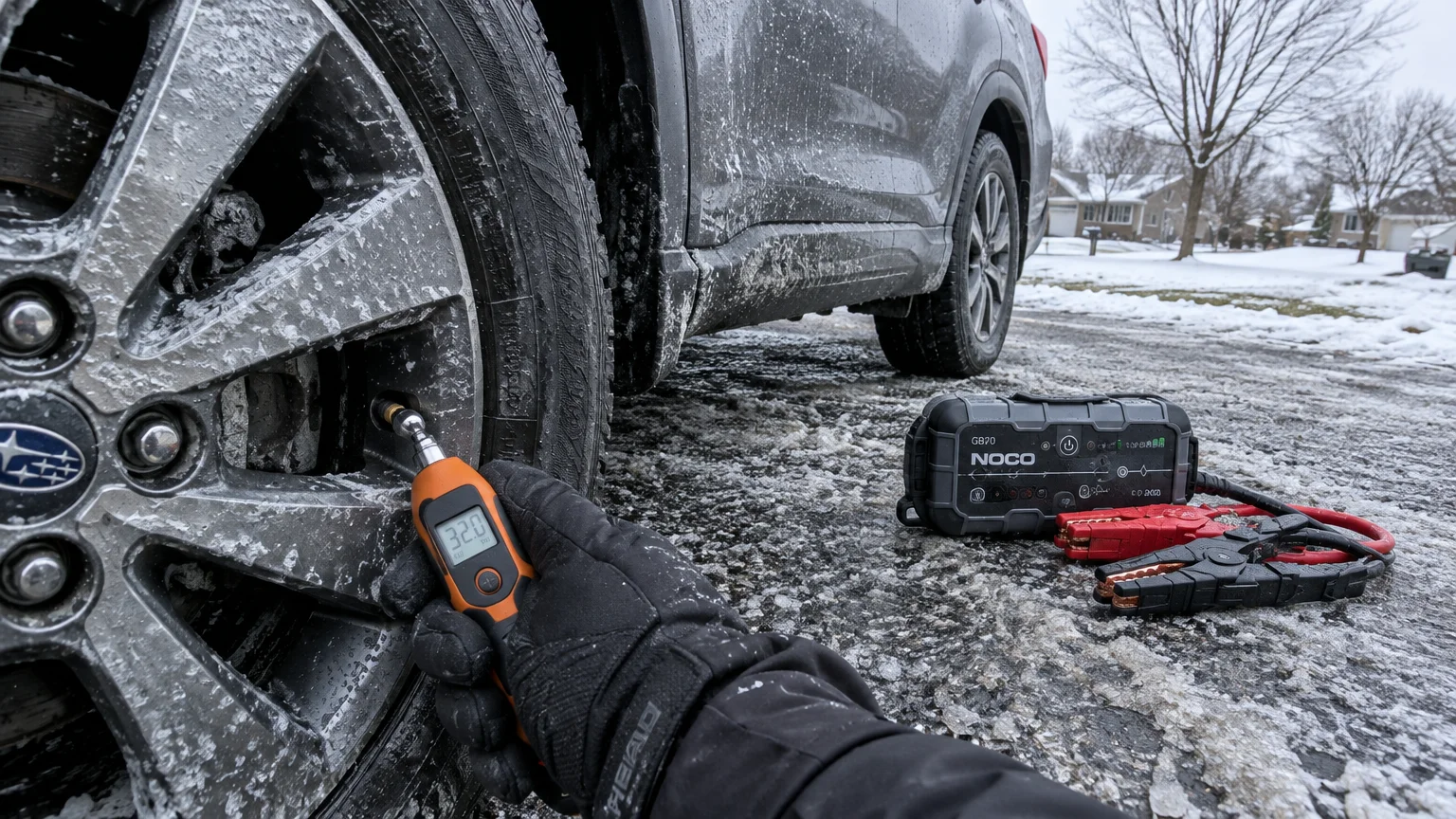
Freezing temperatures degrade mechanical reliability across every vehicle your family operates. Cold thickens engine oil, drains battery amperage, reduces tire air pressure, and increases internal drivetrain resistance.
Data from AAA’s driving costs research shows that standard vehicle maintenance, repairs, and tires require budgeting $103 monthly, or 11.04 cents per mile. Winter driving pushes those costs forward rapidly.
Chemical reactions inside lead-acid automotive batteries slow dramatically in freezing weather. Replacing a dead car battery costs between $75 and $200, while heavy-duty winter wiper blades add $20 to $40 per pair.
If you commute through snow zones, all-season tires lose traction below 45 degrees. Outfitting a family SUV with four dedicated winter tires costs $800 or more, averaging over $200 per tire.
Commuting fuel expenses compound these maintenance bills. Gasoline prices climbed through late 2026, averaging $4.35 per gallon in September, with the EIA forecasting a full-year 2026 average of $3.91 per gallon.
That marks a sharp increase from the $3.10 per gallon national average recorded in 2025. Monitor real consumer transportation metrics through the Bureau of Labor Statistics to track shifting regional price trends.
Check tire pressure weekly during cold snaps, as pressure drops roughly 1 PSI for every 10-degree temperature drop. Properly inflated tires protect fuel efficiency and stop premature tread wear.
8. The Post-Holiday Buy Now, Pay Later Debt Trap
Holiday shopping often strains family budgets, but modern payment tools introduce a delayed financial trap. Splitting holiday gift purchases across short-term financing creates severe cash deficits in January and February.
The National Retail Federation forecasts holiday sales will surpass $1.013 trillion for the first time, reflecting 4.2% annual growth. Individual American shoppers anticipate spending an average of $777 to $783 on holiday purchases.
To manage inflation, nearly 25% of shoppers plan to finance over 20% of their purchases using Buy Now, Pay Later (BNPL) loans. Splitting purchases into four payments masks the total cost of gifts.
These deferred bi-weekly debits land directly inside your bank account just as utility bills surge and deductibles reset. Stacking multiple installment loans quickly triggers overdraft fees or high penalty charges.
Review consumer advisories published by the Consumer Financial Protection Bureau regarding BNPL payment stacking and fee transparency. Tracking every payment obligation prevents cascading overdrafts across multiple lending apps.
Calculate your total outstanding holiday debt balances on a single sheet of paper before January arrives. Automate repayments from a dedicated account rather than allowing unscheduled debits to drain your daily operational funds.
“Do not save what is left after spending, but spend what is left after saving.” — Warren Buffett
9. Weather-Related Childcare Disruptions and Lost Work
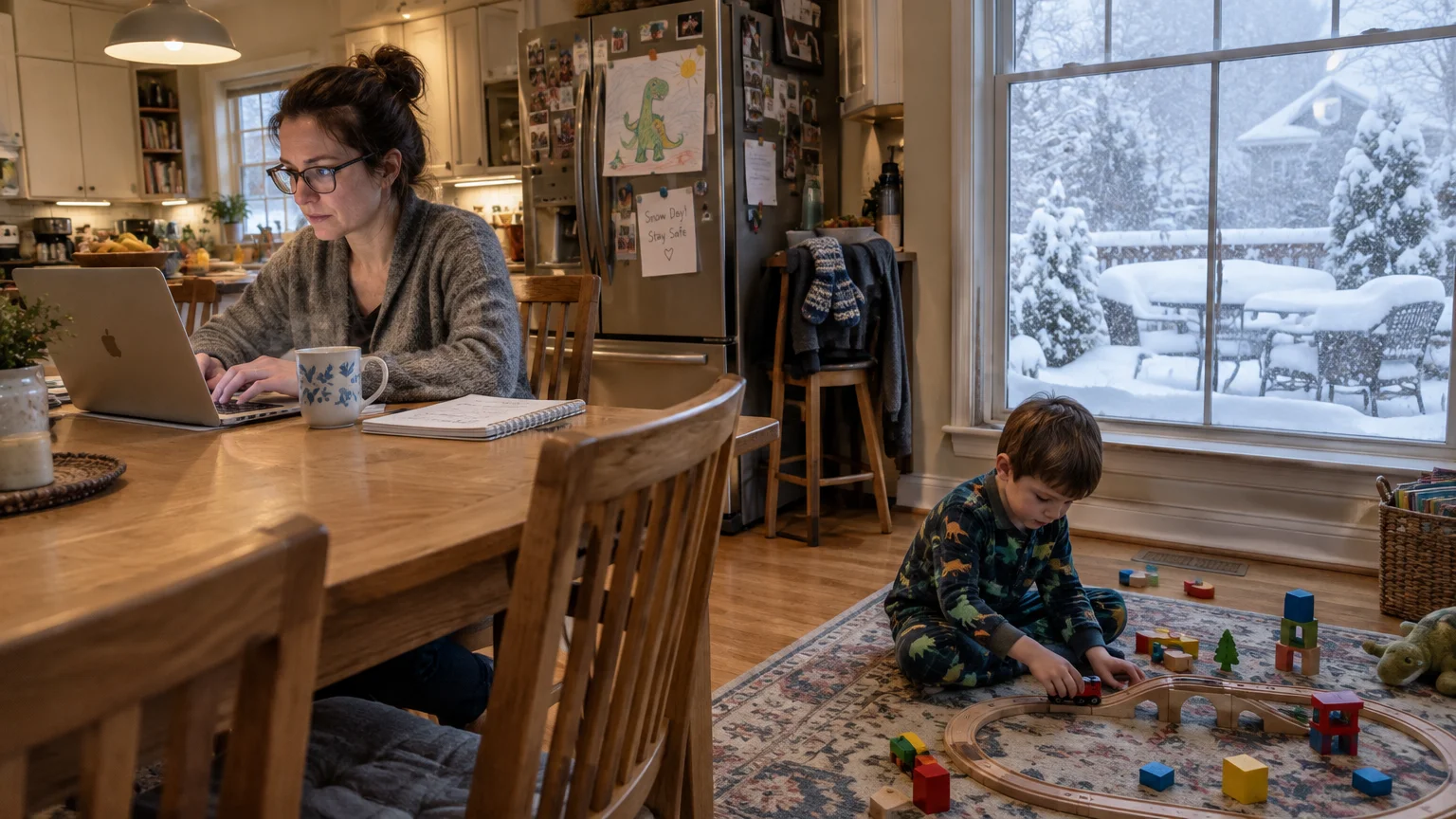
Snowstorms, icy highways, and sub-zero wind chills regularly close public schools and commercial daycare centers. For dual-income parents, weather closures instantly disrupt work schedules and strain family budgets.
When public schools announce sudden cancellations, working parents face a difficult choice. You must either forfeit billable hours or pay premium rates for emergency backup childcare.
Drop-in daycare programs and certified in-home babysitters charge premium rates during severe regional storms. Booking short-notice childcare easily costs $150 to $250 per day for two children.
Hourly workers and independent contractors suffer immediate income reductions during winter weather closures. Losing three workdays to winter storms can wipe out $500 to $1,000 in expected net wages.
Establish a mutual backup care cooperative with trusted neighbors who work rotating schedules or work remotely. Sharing childcare duties during weather cancellations protects your household income without increasing babysitting expenses.
Winter Expense Comparison: Typical Shocks vs. Proactive Solutions
Managing winter expenses requires transitioning from reactive spending to proactive cash allocation. The table below compares common winter budget shocks with low-cost preventative actions that protect your family finances.
| Expense Category | Unprepared Cost Shock | Proactive Budget Solution | Net Savings Impact |
|---|---|---|---|
| Home Heating Fuel | $2,115 heating oil season / $1,196 electric heat spike | Enroll in utility levelized budget billing plans; drop thermostats 7° overnight | Avoids single-month bills over $500; trims fuel use by 10% |
| Health Insurance Reset | $3,500 HDHP family deductible due on January doctor visits | Refill prescriptions in December; allocate pre-tax funds into an HSA | Saves 20% to 35% via pre-tax healthcare dollars |
| Healthcare FSA Funds | Forfeiting balances above the $680 rollover cap on December 31 | Audit FSA ledger by November 15; buy pre-approved medical necessities | Recovers 100% of your earned wages from forfeiture |
| Plumbing Freeze Damage | $1,000 to $2,500 insurance deductible plus $13,954 average structural claim | Disconnect outdoor hoses; insulate exposed pipes; maintain 55° indoor heat | Saves $1,000+ in out-of-pocket insurance deductibles |
| Emergency Furnace Repair | $500 to $1,200 for holiday weekend emergency HVAC service | Schedule an autumn tune-up for $100 to $200; replace $15 air filters | Saves $300 to $1,000 in emergency labor charges |
| Vehicle Winter Failure | $200 emergency battery replacement plus towing fees | Perform battery load tests in October; maintain tire PSI weekly | Prevents stranded commute costs and tow fees |
| Holiday Debt Creep | $780 holiday spend converted into high-interest BNPL fees | Cap gift spending with a cash-only envelope system; track installment due dates | Eliminates late fees, overdraft charges, and interest |
Costly Mistakes to Avoid
Many middle-class families make predictable financial errors when winter arrives. Addressing these habits early safeguards your household reserves through early spring.
- Ignoring your water heater anode rod and sediment buildup: Cold incoming groundwater forces water heaters to work significantly harder. Flushing sediment annually extends tank life and cuts utility bills.
- Setting thermostats to extreme highs when returning home: Cranking your thermostat to 75 degrees does not warm your home faster. It forces your heating unit to run inefficiently past comfortable thresholds, wasting fuel.
- Leaving outdoor hoses connected during freezes: Connected hoses trap water inside the sillcock valve behind your exterior siding. The trapped water freezes inward, splitting the copper pipe inside your walls.
- Carrying variable-rate retail credit debt into January: Financing holiday gifts on store cards carrying 28% interest destroys monthly cash flow. Prioritize paying off retail store balances before January interest compounds.
- Overlooking tire pressure drops after cold snaps: Driving on under-inflated tires lowers gas mileage and accelerates tread wear. Check your tire pressure whenever temperatures drop more than 20 degrees.
Don’t DIY These Decisions
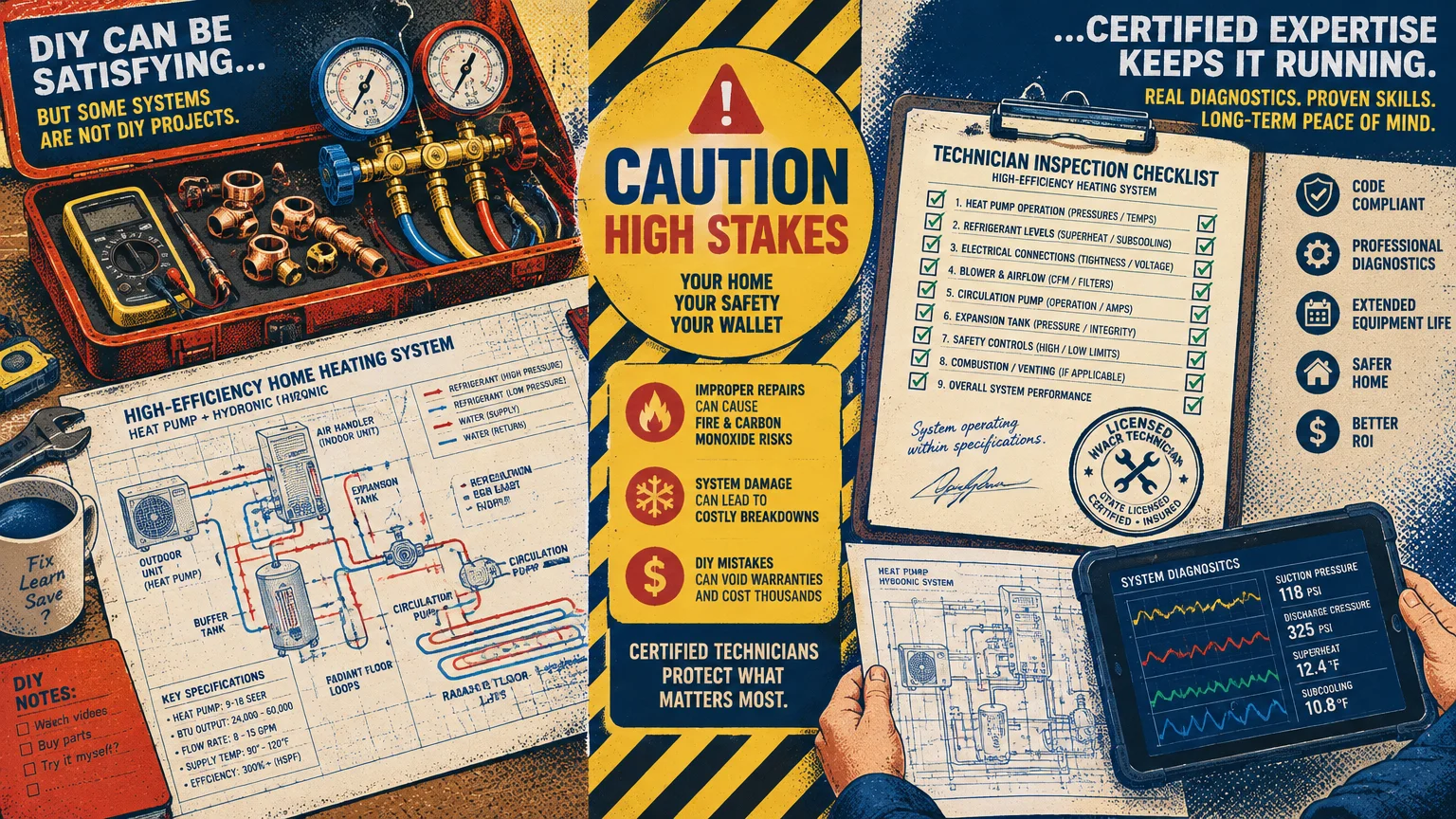
While handling basic home winterization yourself saves money, certain financial and mechanical situations require professional expertise. Making mistakes in these complex areas leads to severe financial harm.
Never attempt hazardous furnace heat exchanger repairs or complex internal gas valve replacements yourself. Cracked heat exchangers leak deadly carbon monoxide into living quarters, creating severe life-safety hazards.
Hire a licensed, insured HVAC technician to inspect your furnace venting and combustion chambers. Professional inspections guarantee safe operation and keep manufacturer warranties valid.
If severe frozen pipe bursts cause widespread structural water damage, hire certified disaster remediation professionals. Mitigating structural moisture and preventing mold growth requires industrial dehumidification equipment and licensed moisture mapping.
When unexpected winter expenses threaten your mortgage or rent payments, seek expert guidance immediately. Speak with a certified housing professional through HUD Housing Counseling to access utility grants and emergency relief.
Consult a certified public accountant (CPA) regarding complex year-end deductions, FSA reconciliations, and energy tax incentives. Professional tax guidance prevents penalties and identifies state-specific utility rebates.
Frequently Asked Questions
How much should a middle-class family set aside for unexpected winter costs?
Budgeting $1,500 to $2,500 in dedicated liquid savings above your routine monthly expenses provides a reliable buffer. This reserve absorbs utility bill surges, vehicle winterization, and standard insurance deductibles without reliance on credit.
Can homeowners still claim federal tax credits for winter energy upgrades?
Federal tax credits under Sections 25C and 25D expired on December 31, 2025. Homeowners cannot claim federal tax credits for 2026 or 2027 heat pump or insulation upgrades, though state rebates may apply.
How much unused money can you carry over in a Healthcare FSA?
Under IRS Revenue Procedure 2026-35, the maximum carryover limit from 2026 into 2027 is $680. Unspent funds above $680 are forfeited unless your employer offers an authorized spring grace period.
What is the most cost-effective way to prevent frozen water pipes?
Disconnect garden hoses, insulate pipes running through unheated crawl spaces, and maintain indoor heat above 55 degrees. Letting faucets drip slightly during sub-zero cold snaps prevents pressure build-up inside plumbing lines.
Protecting Your Family Budget This Winter
Winter brings real financial hazards, but proactive planning eliminates the threat of seasonal budget shocks. Take control of your cash flow today by auditing your utility billing options, scheduling furnace tune-ups, and exhausting remaining FSA funds.
Every dollar you allocate intentionally today protects your household from high-interest debt and financial stress when freezing temperatures hit. Start reviewing your seasonal maintenance checklist now to keep your winter expenses predictable and manageable.
Information in this article reflects rules and figures current as of the publication date and may change. Always confirm details directly with your bank, the IRS, the Social Security Administration, or other official sources before making decisions.
Last updated: November 2026. Rates, benefit amounts, and tax rules change—always verify current details at official sources.