Walking into a physical retail store often costs you significantly more than ordering the exact same item from your smartphone. Learning which household essentials carry bloated retail markups can easily save your family hundreds of dollars every year.
Brick-and-mortar storefronts routinely pass immense commercial real estate leases, heavy utility bills, and floor staffing expenses directly onto daily in-person shoppers.
By contrast, digital sellers leverage automated fulfillment networks to slash prices. Pinpointing these cheaper online shopping items puts real money back into your budget.
Key Takeaways: Online vs In-Store Pricing Dynamics
Economic data reveals clear differences in how retail channels set prices.
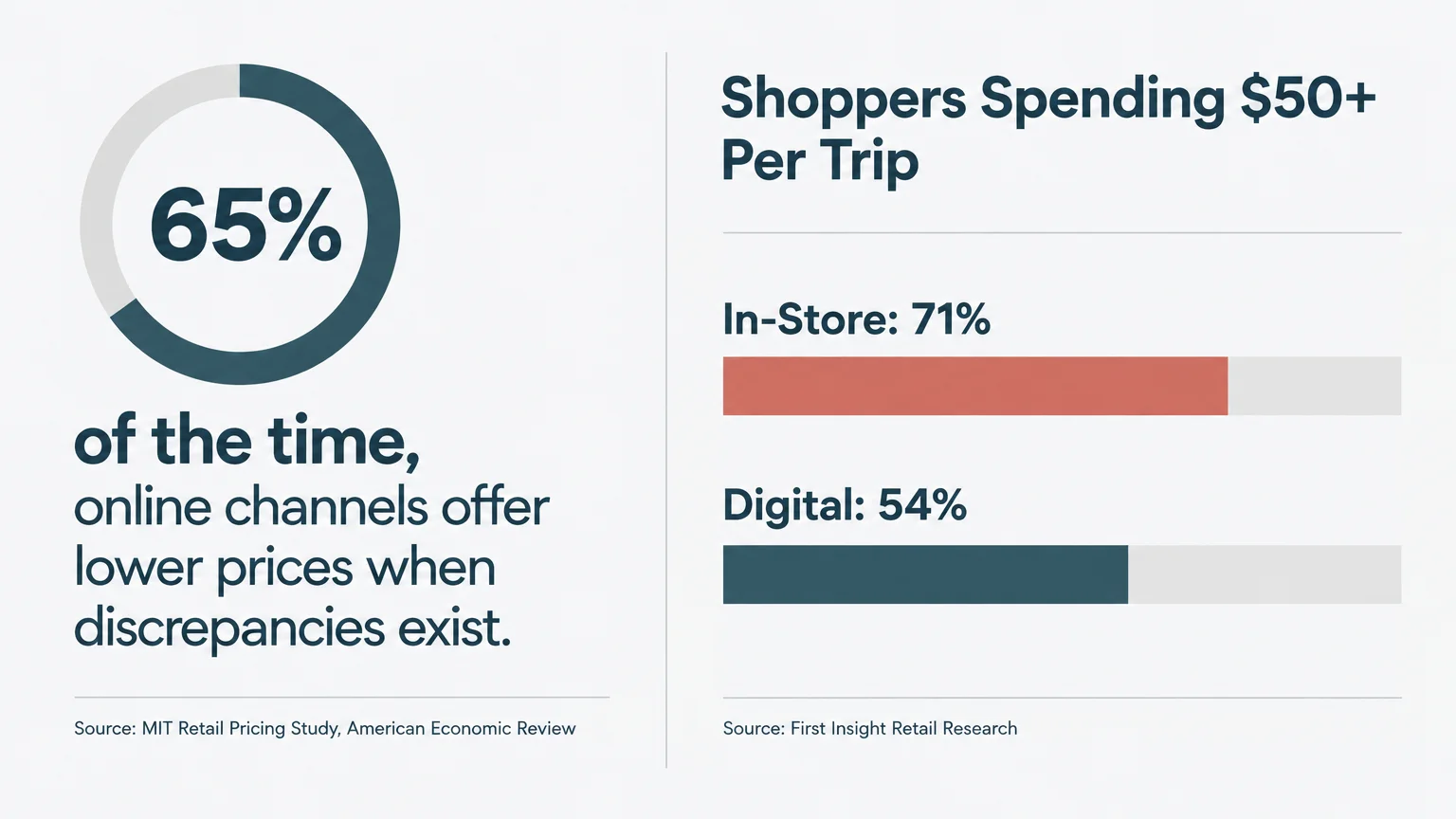
According to an MIT retail pricing study published in the American Economic Review, online channels offer lower prices 65% of the time when price discrepancies exist between shopping platforms.
Physical storefronts also encourage impulsive spending. Retail research from First Insight indicates that 71% of in-store shoppers spend $50 or more per trip, compared to just 54% of digital shoppers.
Strategic shoppers capture the best deals shopping online by bypassing brick-and-mortar convenience premiums.
“A budget is telling your money where to go instead of wondering where it went.” — John C. Maxwell

12 Everyday Products Cheaper to Buy Online
You can unlock substantial savings across routine household categories simply by ordering on the web. Here are 12 items where physical stores charge severe retail markups.
1. Tech Cables, Adapters, and Charging Accessories
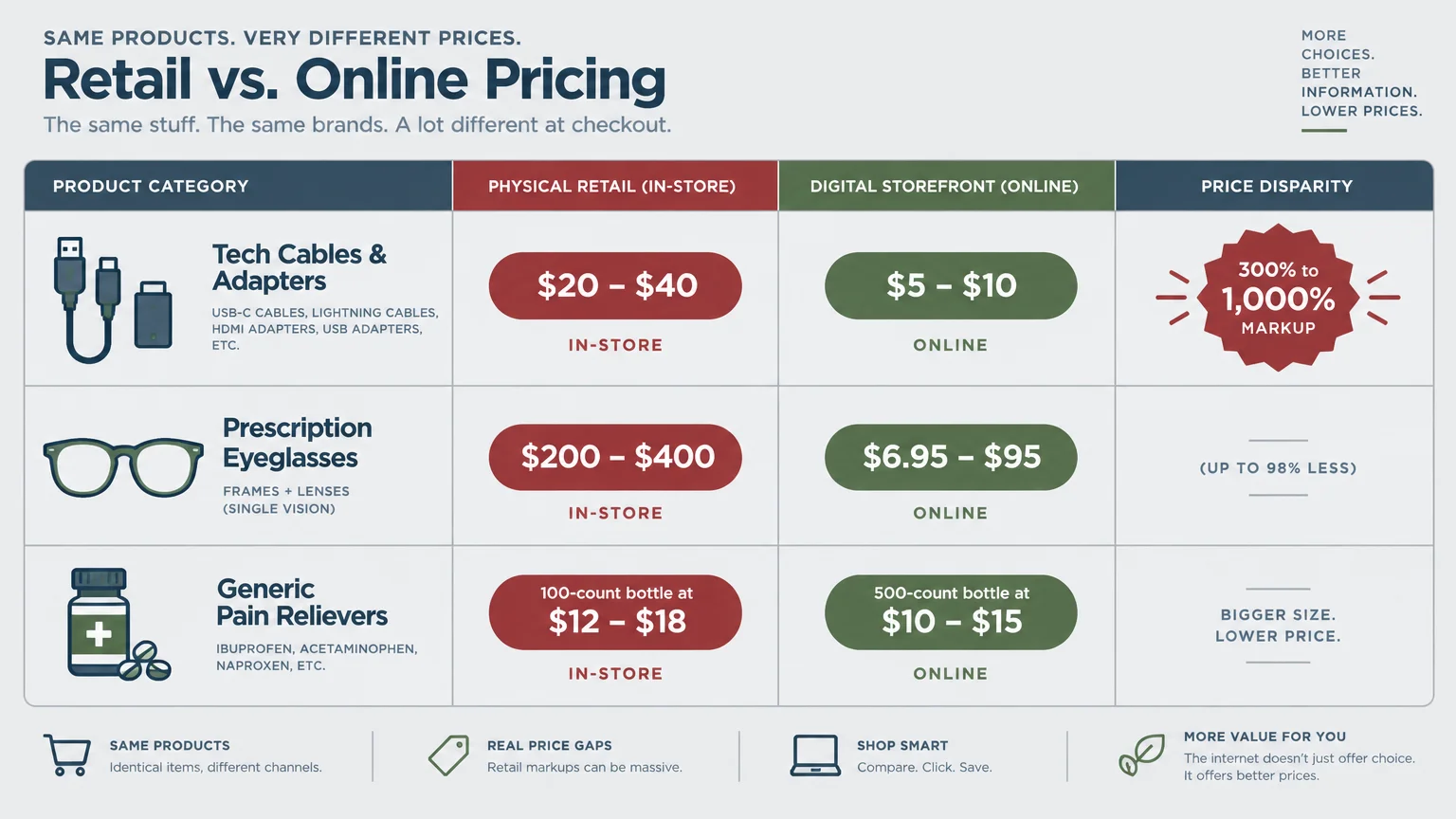
Big-box electronics retailers routinely apply markups ranging from 300% to 1,000% on peripheral cables. A standard six-foot HDMI 2.1 cable or USB-C cord often sells for $20 to $40 in physical stores.
Online suppliers sell identical, certified cables for $5 to $10. Buying two or three charging accessories online saves you enough cash to fund a week of groceries.
2. Prescription Eyeglasses and Contact Lenses
Traditional optical boutiques charge exorbitant prices because a handful of corporate conglomerates control frame manufacturing and distribution. Brick-and-mortar frames and lenses frequently run between $200 and $400 out of pocket.
Direct-to-consumer online opticians manufacture high-grade frames at massive discounts. Retailers like Zenni Optical offer complete prescription pairs starting at $6.95, while Warby Parker provides designer options around $95.
Federal law protects your right to buy elsewhere. Under Federal Trade Commission (FTC) rules, optometrists must provide a free copy of your prescription immediately after your exam.
Eye doctors who fail to provide this free copy face federal civil penalties of up to $53,088 per violation.
3. Third-Party Printer Ink and Remanufactured Toner
Office supply stores generate massive profit margins on original equipment manufacturer printer cartridges. A single color ink cartridge can easily cost $30 to $60 at a brick-and-mortar desk depot.
Reputable online ink providers sell certified remanufactured cartridges that match original page yields for 60% to 80% less money. Ordering online avoids the convenience trap of emergency ink buying.
4. Over-the-Counter Medications and Generic Supplements
Drugstore chains impose convenience markups between 50% and 200% on routine pain relievers and allergy pills. A 100-count bottle of ibuprofen often costs $12 to $18 in physical drugstores.
Online storefronts and bulk warehouse distributors offer 500 to 1,000-count generic bottles for $10 to $15. Checking unit prices online saves typical households over $100 annually on medicine cabinet staples.
5. Smartphone Cases and Tempered-Glass Screen Protectors
Mobile phone retail outlets thrive on post-purchase accessory sales. Store representatives routinely pitch branded phone cases for $40 to $70 and single glass screen covers for $30 to $50.
Direct digital suppliers offer military-grade drop-tested phone cases for $12 to $20. You can also purchase multi-packs of tempered glass protectors online for under $10.
6. Cabin and Engine Air Filters
Dealerships and auto mechanics frequently bill customers $60 to $120 to install engine and cabin air filters. Even retail auto parts counters mark these simple parts up to $25 to $45 each.
Specialized online auto suppliers offer identical OEM and high-tier aftermarket filters for $12 to $22. Replacing these filters yourself requires zero mechanical skills and takes less than ten minutes.
7. Mattresses and Bedding Ensembles
Traditional mattress showrooms maintain markups between 300% and 500% to offset large showroom square footage and sales commissions. Retail stores frequently price hybrid and memory foam queen mattresses between $1,500 and $3,000.
Direct-to-consumer bed-in-a-box brands eliminate warehouse middlemen and commission splits. You can purchase premium high-density hybrid mattresses online for $500 to $1,100, backed by generous 100-night trial periods.
8. College Textbooks and Study Materials
Campus bookstores charge top dollar for academic literature and required course material. The College Board reports that the average undergraduate allocates over $1,200 annually toward books and supplies.
Digital marketplaces slash these costs by 40% to 80% through semester rentals and used editions. Choosing digital rentals shields your budget from steep end-of-semester depreciation.
9. Pet Prescription Medications and Flea Treatments
Veterinary clinics routinely markup flea, tick, and heartworm preventatives by 30% to 50% above wholesale pricing. Paying for chronic pet medication directly at the clinic adds hundreds to your annual expenses.
Accredited online pet pharmacies provide direct pricing that is 20% to 40% cheaper than clinical charges. Most web pharmacies also offer an additional 5% to 10% discount when you establish auto-ship schedules.
10. Specialty LED Light Bulbs and Electrical Fixtures
Home improvement stores mark up individual specialty light bulbs, dimmer switches, and electrical faceplates. Buying individual LED vintage bulbs or floodlights at retail hardware counters can cost $8 to $15 per bulb.
Online distributors sell bulk packs of commercial-grade LED bulbs at fractions of the unit price. A contractor pack purchased online typically reduces your per-bulb cost to less than $2.
11. Small Kitchen Appliance Accessories and Replacement Parts
When a blender blade dulls or an espresso gasket cracks, local cookware stores rarely stock the individual component. Retail stores prefer selling you an entirely new appliance for $80 to $200.
Direct parts websites and digital marketplaces carry specific manufacturer replacement gaskets, filters, and attachments for $5 to $15. Fixing your existing unit online extends appliance longevity for minimal cost.
12. Luggage and Travel Accessories
Department stores price travel bags at steep manufacturer suggested prices, only offering modest discounts during seasonal holiday sales. Physical luggage displays often price standard hardside carry-ons between $150 and $300.
Online travel brands and discount outlets offer durable, lightweight polycarbonate luggage for $60 to $110. Digital retailers also provide user reviews that reveal actual zipper and wheel durability before you buy.
Online vs In-Store Pricing Breakdown
Comparing price data directly highlights how drastically store overhead impacts retail price tags. Here is a clear look at typical prices across everyday shopping categories.
| Product Category | Average In-Store Price | Average Online Price | Estimated Savings |
|---|---|---|---|
| HDMI / USB-C Cables | $25.00 – $40.00 | $6.00 – $10.00 | 70% – 80% |
| Prescription Eyeglasses | $200.00 – $400.00 | $30.00 – $95.00 | 65% – 85% |
| Printer Ink (Compatible) | $45.00 (OEM) | $12.00 – $18.00 | 60% – 75% |
| Generic Ibuprofen (500 ct) | $18.00 (split bottles) | $10.00 – $12.00 | 40% – 55% |
| Phone Case & Screen Protector | $70.00 – $110.00 | $18.00 – $28.00 | 70% – 75% |
| Engine Air Filter | $30.00 – $45.00 | $12.00 – $18.00 | 50% – 60% |
| Queen Hybrid Mattress | $1,800.00 – $2,500.00 | $650.00 – $1,000.00 | 50% – 65% |
| College Course Textbooks | $150.00 – $250.00 each | $35.00 – $75.00 (rental) | 60% – 80% |
| Pet Flea & Tick Treatment | $60.00 – $85.00 | $38.00 – $55.00 | 25% – 40% |
| LED Specialty Bulbs (6-pack) | $35.00 – $50.00 | $12.00 – $18.00 | 60% – 65% |
| Appliance Replacement Blade | $25.00 – $40.00 | $8.00 – $14.00 | 60% – 70% |
| Hardside Carry-On Luggage | $160.00 – $240.00 | $65.00 – $100.00 | 50% – 60% |
These price discrepancies demonstrate why disciplined consumers check digital channels before heading to retail registers.
The Hidden Economics of In-Store Markups
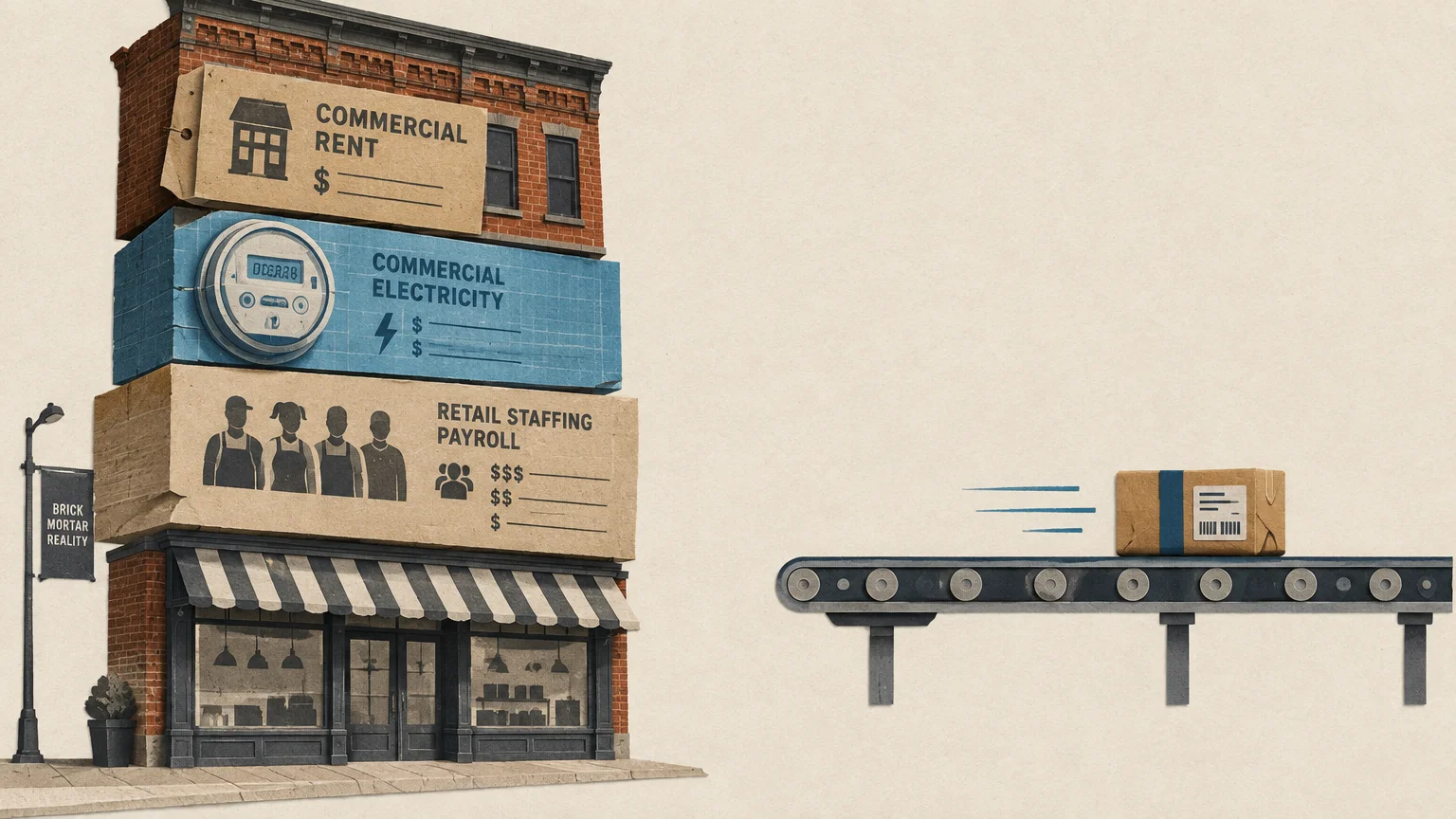
Physical retailers face fixed commercial operating costs that online warehouses simply do not share. Storefront rent, local property taxes, air conditioning, and on-site associates create an expensive retail footprint.
To protect their profit margins, store managers add steep convenience fees to small, impulse-driven products. Consumers willingly pay this premium when they need an item immediately.
Retailers also deploy subtle digital strategies to protect their in-store profit margins.
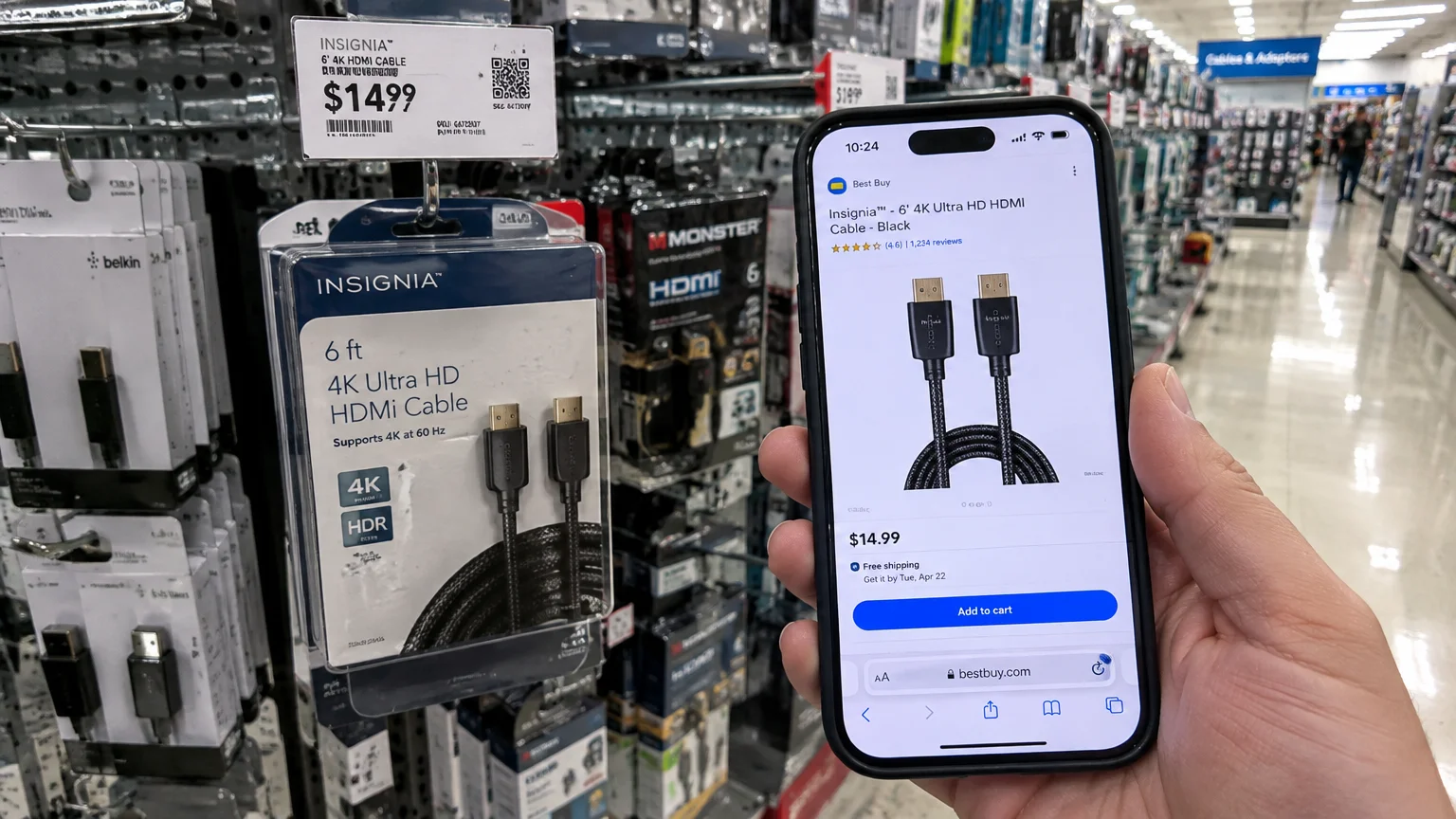
Investigative reporting by news outlets revealed that major retail apps have used smartphone geolocation to adjust displayed pricing. Prices appeared lower when browsing from home, but jumped to higher shelf prices inside stores.
Retailers like Target have updated their apps to display separate in-store and online prices. Checking both pricing tiers ensures you avoid localized price increases.
“Do not save what is left after spending, but spend what is left after saving.” — Warren Buffett
Navigating Retail Store Price-Matching Policies
Many consumers assume physical stores match all internet competition at checkout, but retail policies have tightened significantly. Understanding retailer guidelines prevents embarrassing surprises at the cash register.
Target phased out price-matching against competitors like Amazon and Walmart. Target physical stores now only match prices found on Target.com within a 14-day purchase window.
Walmart stores follow an equally strict internal policy. Cashiers will only match prices listed on Walmart.com for identical, in-stock items, strictly excluding third-party marketplace sellers.
Store managers at Walmart also maintain ultimate discretion over whether to grant the online price adjustment. Always pull up the official item page on your mobile browser before approaching customer service.
You can track fair trade and pricing regulations through resources provided by the Consumer Financial Protection Bureau (CFPB) to protect your consumer rights.
Common Money Traps When Shopping Online
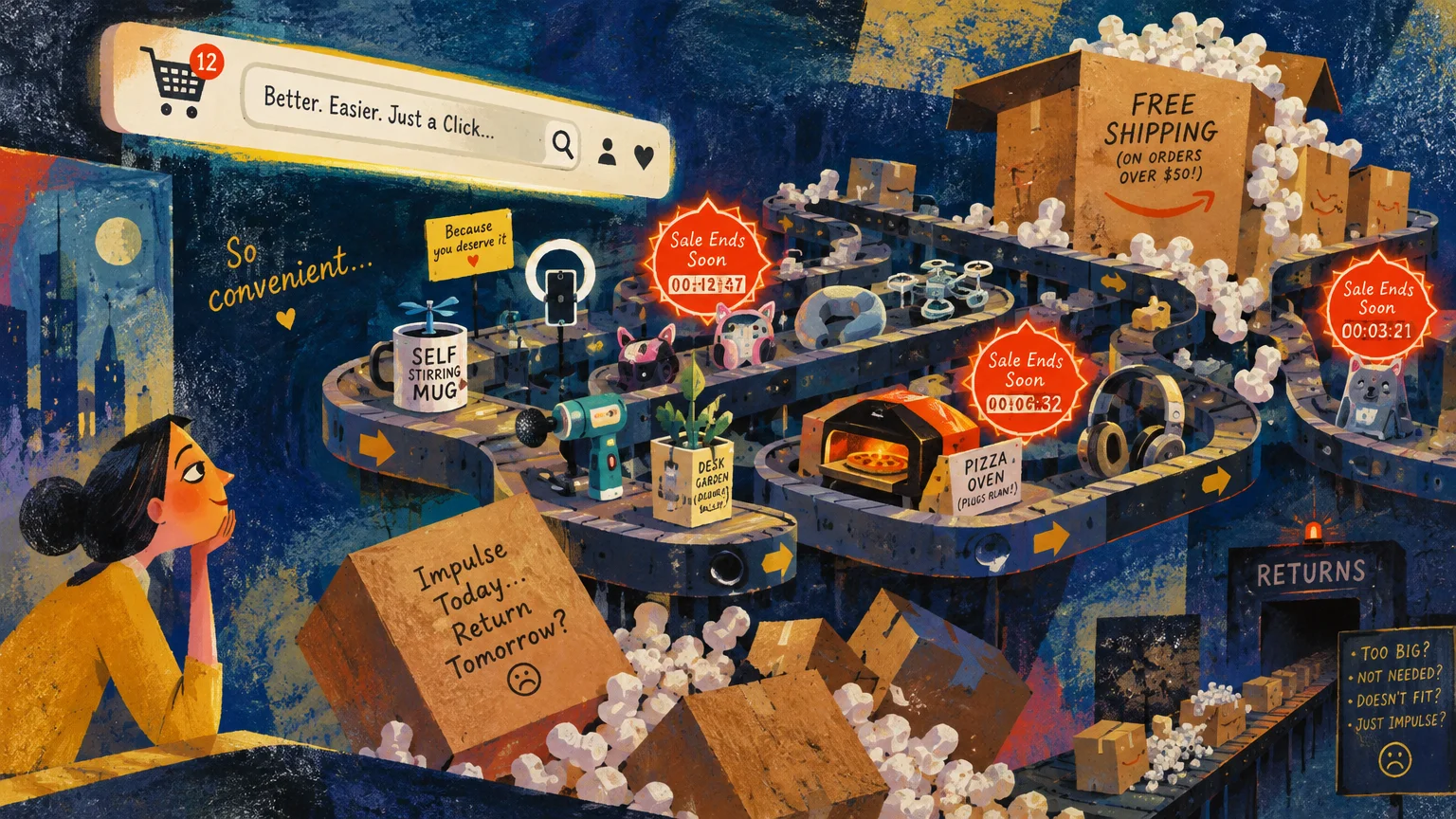
While shopping online offers huge savings, digital shopping environments introduce their own unique financial pitfalls. Sidestepping these missteps keeps your household budget secure.
- Shipping costs that erase sticker savings at checkout.
- Counterfeit products from unverified third-party marketplace sellers.
- Automated recurring subscriptions on products you only needed once.
- App geofencing that artificially inflates prices while you browse inside physical stores.
High shipping fees can quickly wipe out any price advantage you found on the web. Always calculate total landed cost—including taxes and shipping fees—before finalizing your purchase.
Counterfeits also run rampant on unvetted digital marketplaces. Stick to authorized distributors or well-reviewed sellers to ensure you receive genuine, safe products.
Reviewing consumer reports on the Bureau of Labor Statistics (BLS) consumer expenditure portal helps you gauge real-world price benchmarks across household categories.
Practical Strategies to Save Money Buying Online
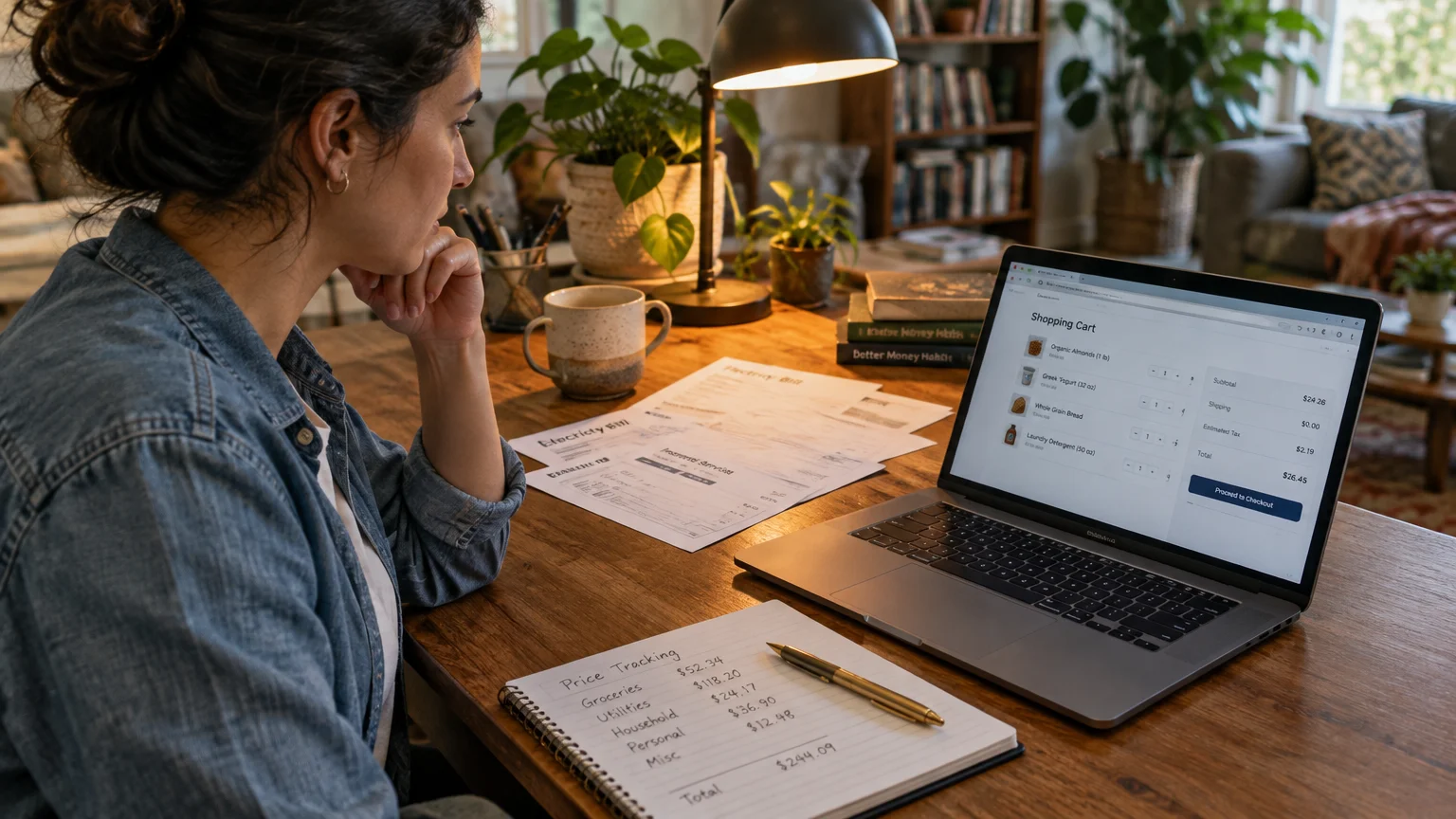
Securing the lowest prices requires disciplined shopping habits and the right digital tools. Implement these straightforward steps on your next household restock.
First, install price-tracking browser extensions that display historical pricing graphs for online listings. These tools reveal whether an advertised sale is genuine or merely artificial hype.
Second, bundle your household orders to qualify for free shipping minimum thresholds. Grouping purchases saves on delivery fees and cuts down on environmental packaging waste.
Finally, utilize cashback portals and credit card purchase rewards to compound your savings. Stacking a digital coupon on top of a cashback rebate delivers maximum budget value.
Frequently Asked Questions About Online vs In-Store Shopping
Why are tech accessories so much cheaper on the web?
Electronics retailers treat cables and adapters as impulse convenience items with minimal price competition in physical aisles. Online manufacturers bypass wholesale markups and ship directly from high-volume warehouses.
Does Walmart match prices found on Amazon?
No, Walmart physical stores do not match external competitor websites like Amazon. Walmart cashiers will only match prices displayed directly on Walmart.com for identical, in-stock products.
How can I legally get my eyeglass prescription for online ordering?
Federal trade regulations require optometrists to hand you a clear copy of your prescription immediately upon completing your exam. Prescribers cannot charge additional fees for this document.
What is retail mobile app geofencing?
Geofencing occurs when a retailer’s mobile smartphone app tracks your GPS location to alter displayed pricing. Retail apps historically adjusted digital prices to match higher physical store shelves when shoppers entered stores.
Take Control of Your Household Spending
Take five minutes to audit your recurring purchases before your next shopping trip to a physical store. Ordering your cables, filters, pet meds, and daily wellness items online keeps substantial savings in your wallet.
This article is for informational purposes only and does not constitute financial, legal, or tax advice. Rates, benefit amounts, and tax rules change regularly—verify current details with the relevant agency or a licensed professional.
Last updated: February 2026. Rates, benefit amounts, and tax rules change—always verify current details at official sources.