
Every trip to the grocery store or pharmacy shouldn’t feel like an ambush on your paycheck. You can instantly claw back hundreds of dollars each month by identifying subtle pricing traps on everyday items.
According to the Bureau of Labor Statistics, the typical American household spends $6,224 annually on groceries alone. Total household expenditures average $78,535 every year.
Small markups on routine goods quietly drain your cash flow over time. Watch for these five unmistakable signs you are overpaying for essentials, along with practical steps to fix your budget.
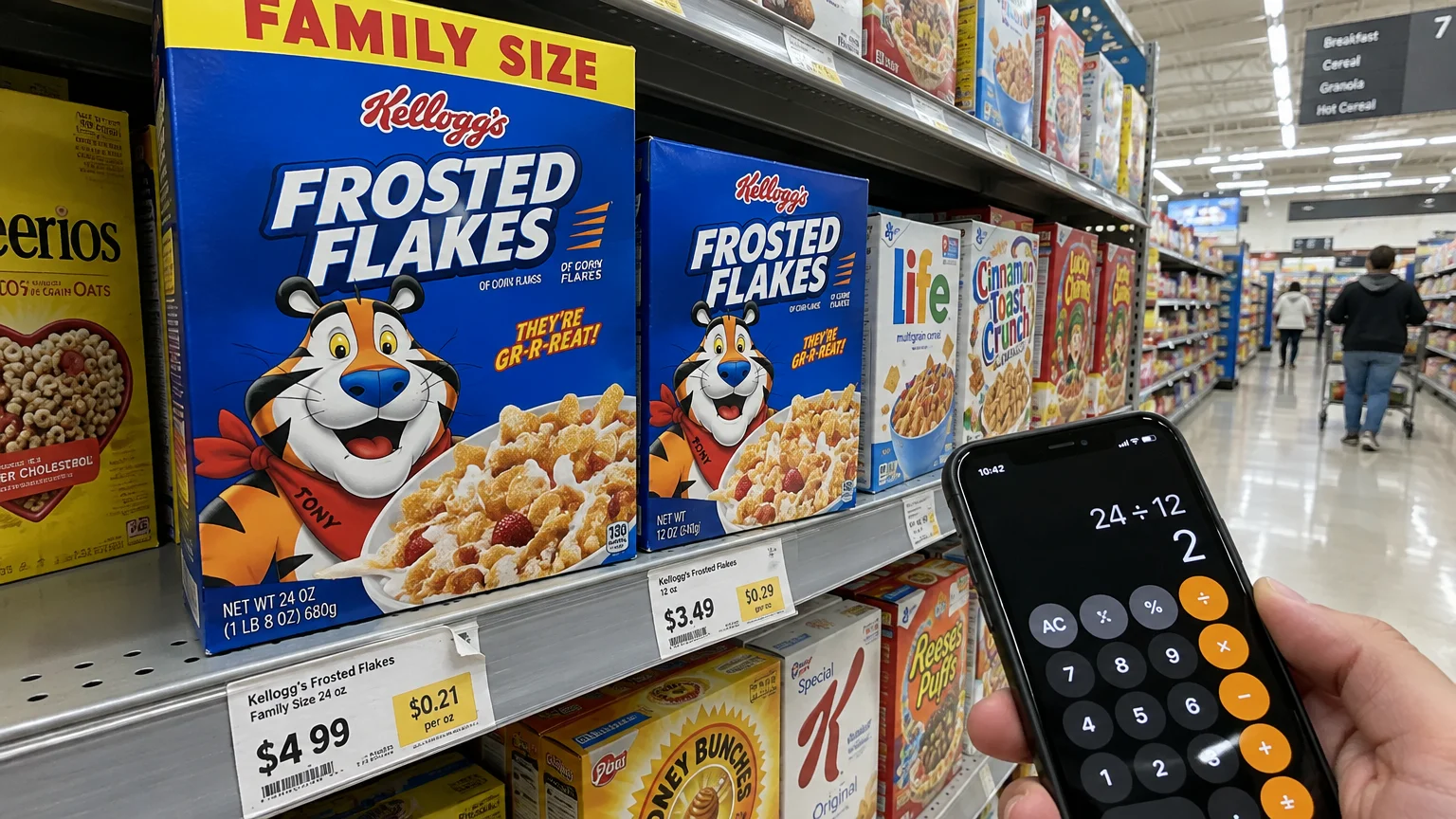
Sign 1: You Rely on Packaging Size Instead of Checking Unit Prices
Large packages frequently create a false illusion of savings. Manufacturers know that consumers instinctively assume bigger boxes deliver superior value.
In reality, brands often price larger family sizes at a higher cost per ounce than standard containers. This sneaky retail tactic penalizes shoppers who skip reading the fine print.
Shrinkflation makes this pricing trap even worse. Food producers quietly reduce container volumes by an ounce or two while maintaining the exact same retail price.
You cannot determine actual value by eye alone. A taller cereal box often contains extra cardboard slack-fill rather than more breakfast food.
Always inspect the bottom corner of shelf stickers to locate the unit price. Comparing costs per ounce, pound, or individual count exposes bad deals immediately.
If a shelf tag omits this metric, calculate it yourself using your smartphone. Divide the retail price by the net weight or count before placing the item into your cart.
Sign 2: Your Grocery Spending Far Exceeds Established National Benchmarks
Managing household expenses requires an objective baseline. Without established numbers, everyday grocery spending easily expands until it strains your monthly budget.
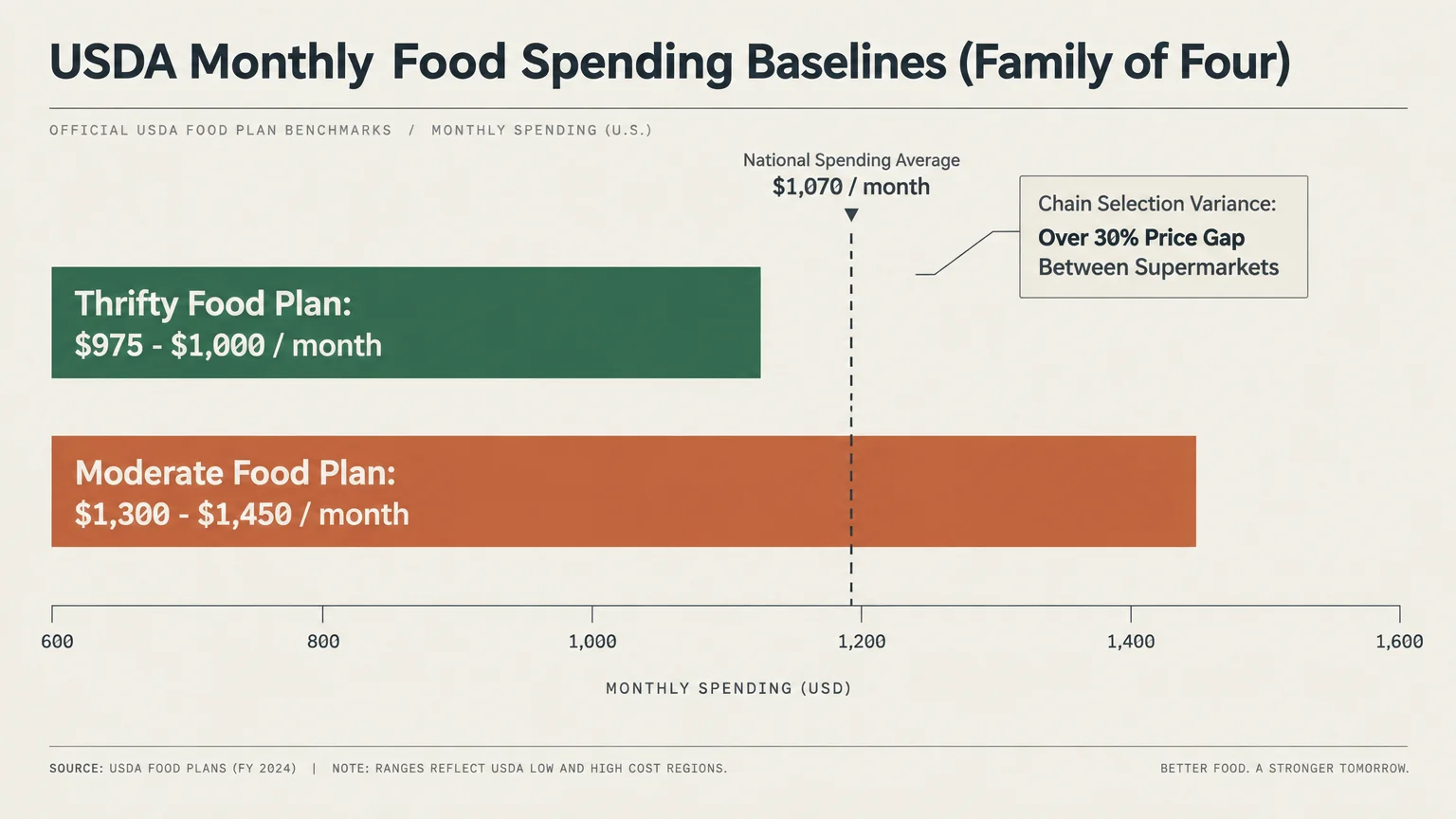
The U.S. Department of Agriculture publishes monthly food cost benchmarks for American families. For a family of four, the monthly Thrifty Food Plan baseline ranges between $975 and $1,000.
The Moderate Food Plan for that same four-person household sits between $1,300 and $1,450 per month. Exceeding these benchmarks significantly indicates that you are overpaying for essentials.
Store selection plays a monumental role in total checkout costs. Retail investigations by Consumer Reports reveal that identical grocery baskets vary by over 30% across competing supermarket chains.
Shopping at a traditional upscale grocer instead of a discount grocer can add thousands of dollars to your annual grocery tab.
Re-evaluate where you source your pantry staples. Moving routine purchases to discount retailers or warehouse clubs instantly reins in runaway spending.
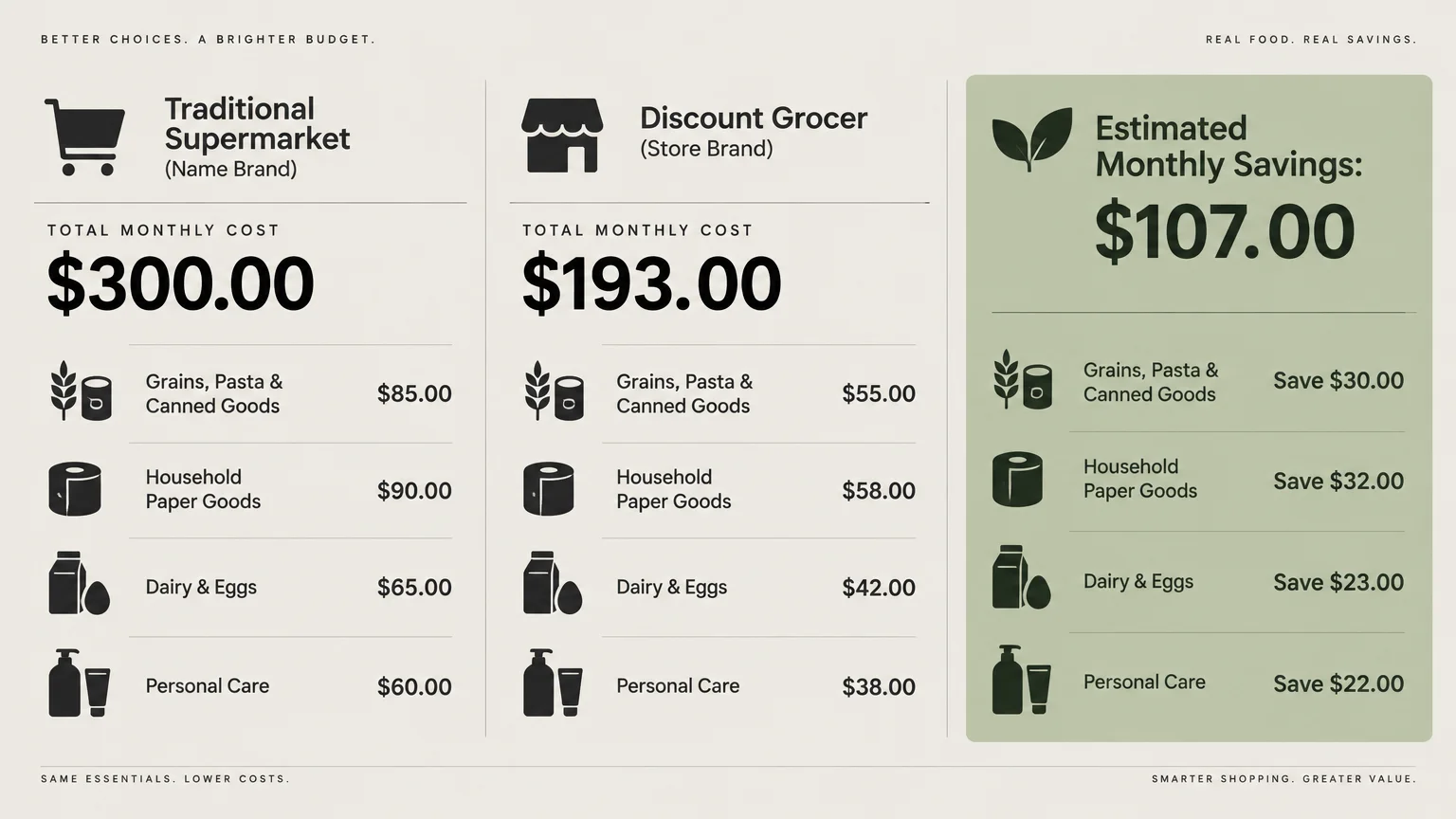
Comparing Everyday Grocery Costs: Traditional Retailer vs. Discount Chain
Examining everyday pantry and household items reveals how brand tier and store format affect your wallet.
| Essential Item Category | Traditional Supermarket (Name Brand) | Discount Grocer (Store Brand) | Estimated Monthly Savings |
|---|---|---|---|
| Grains, Pasta, and Canned Goods | $85.00 | $55.00 | $30.00 |
| Dairy Products and Eggs | $65.00 | $42.00 | $23.00 |
| Household Paper Goods and Cleaners | $90.00 | $58.00 | $32.00 |
| Personal Care and Toiletries | $60.00 | $38.00 | $22.00 |
| Total Monthly Expenditure | $300.00 | $193.00 | $107.00 |
Switching your shopping venue and selecting private labels generates consistent double-digit savings without forcing you to reduce consumption.

Sign 3: You Default to Name Brands Out of Habit
Brand loyalty remains one of the most expensive psychological habits in personal finance. Multi-million-dollar advertising campaigns persuade shoppers that familiar logos equate to superior quality.
Independent studies from Consumer Reports show that store brands average 20% to 33% cheaper than name-brand alternatives. In many instances, private-label goods come from the exact same processing facilities.
Basic baking staples like white sugar, bleached flour, iodized salt, and dry beans feature identical chemical purity. Paying a 30% markup for branded salt delivers zero culinary benefit.
Over-the-counter medications showcase an even wider pricing gap. The Federal Trade Commission warns consumers about misleading marketing that drives unnecessary spending on brand-name healthcare products.
Federal law mandates that store-brand pain relievers and allergy tablets contain the exact same active ingredients at identical dosage strengths. Generic medications produce the same health outcomes for a fraction of the cost.
Commit to a trial run with private-label items. If your family cannot detect a difference in taste or performance, retain the cheaper alternative permanently.

Sign 4: You Consistently Toss Spoiled Food Into the Trash
Discarded groceries represent a severe financial leak in household cash flow. Buying fresh food only to discard it uneaten equates to burning cash at checkout.
A landmark report from the U.S. Environmental Protection Agency revealed that uneaten food costs individual consumers an average of $728 annually.
For a family of four, food waste destroys roughly $2,913 every year; that equals $56 thrown into the garbage every week. This squandered food represents roughly 11% of total household food expenditures.
If you regularly toss wilted spinach, stale bread, or freezer-burned chicken, you are overpurchasing for your actual lifestyle. High grocery totals often stem from unrealistic meal ambitions.
Confusion surrounding date labels compounds this waste. Manufacturers print “Best If Used By” dates to signal peak flavor rather than food safety.
Many consumers discard perfectly edible canned and dry goods because they confuse freshness guidelines with true expiration dates.
Audit your refrigerator before drafting your weekly shopping list. Planning recipes around ingredients you already own prevents costly duplicate purchases.
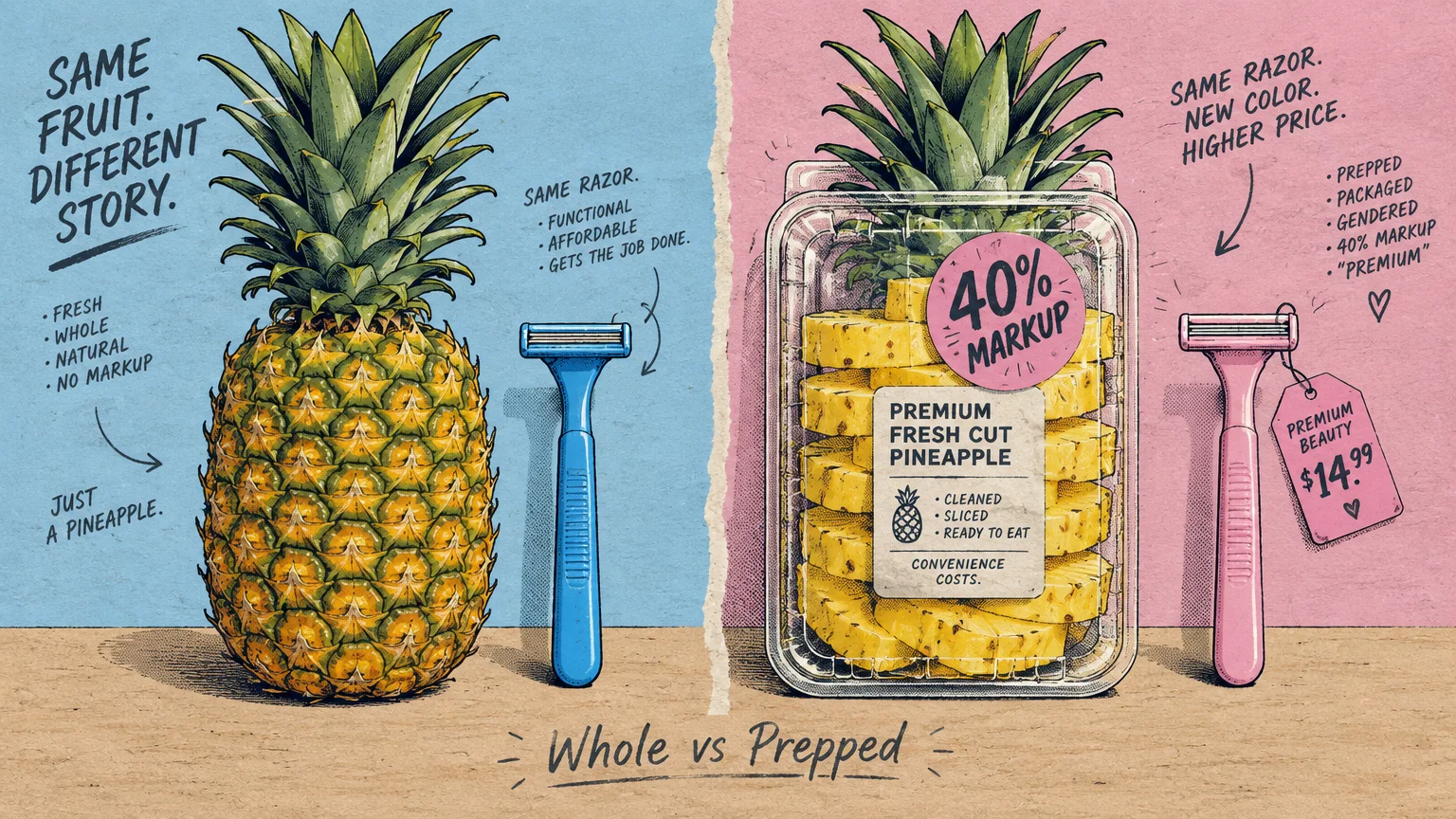
Sign 5: You Pay Heavy Markups for Convenience and Gendered Marketing
Convenience packaging extracts a massive premium from busy households. Pre-cut melon, grated cheese, and single-serve snack packs routinely double the underlying product price.
Spending fifteen minutes on Sunday slicing whole vegetables and portioning snacks into reusable containers saves dozens of dollars per week.
Gender-based pricing creates another subtle drain on your household funds. Historically, personal care products packaged for women—such as razors, body wash, and deodorants—carried a 7% to 13% markup over functionally identical men’s versions.
California outlawed this practice when Assembly Bill 1287 took effect on January 1, 2023, prohibiting gender-based price disparities on substantially similar goods. New York enacted similar protections in late 2020.
However, shoppers living outside these states still face gendered retail markups. Compare the active ingredients and net weights of personal care items across the aisle before heading to checkout.
Purchasing gender-neutral or men’s versions of razors and shaving creams often delivers identical functionality at a noticeable discount.
Errors That Cost Families Thousands
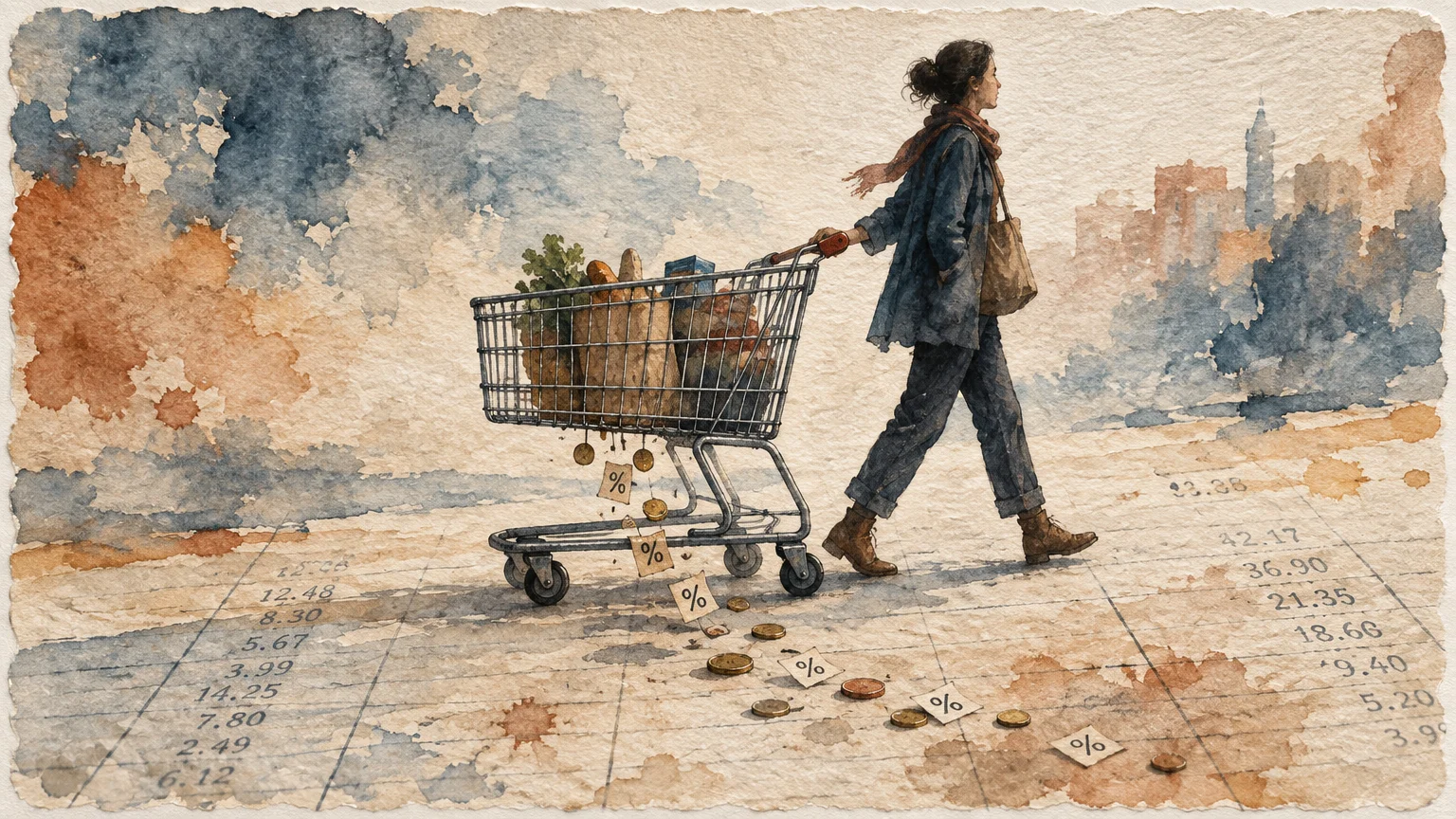
Small shopping blunders repeat weekly, silently escalating into severe annual deficits. Steering clear of these routine mistakes will safeguard your household budget.
- Shopping Without a Detailed Inventory: Heading into grocery aisles without reviewing existing cupboards leads to impulse buys and excessive duplicate inventory.
- Falling for Endcap Displays: Supermarkets place high-profit items at the ends of aisles to lure casual shoppers. These featured endcaps rarely offer genuine promotional discounts.
- Purchasing Paper Goods at Traditional Grocery Stores: Supermarkets markup paper towels, bathroom tissue, and trash bags by up to 40%. Sourcing these household supplies from discount department stores or warehouse clubs provides major savings.
- Ignoring Digital Loyalty Coupons: Most national grocery chains reserve their deepest discounts for mobile app users. Skipping digital clip coupons forces you to pay top retail prices on every trip.
- Shopping While Hungry or Stressed: Entering retail stores on an empty stomach triggers impulsive purchases of expensive, highly processed comfort foods that quickly inflate your total register bill.
Actionable Budgeting Tips to Lower Everyday Household Expenses
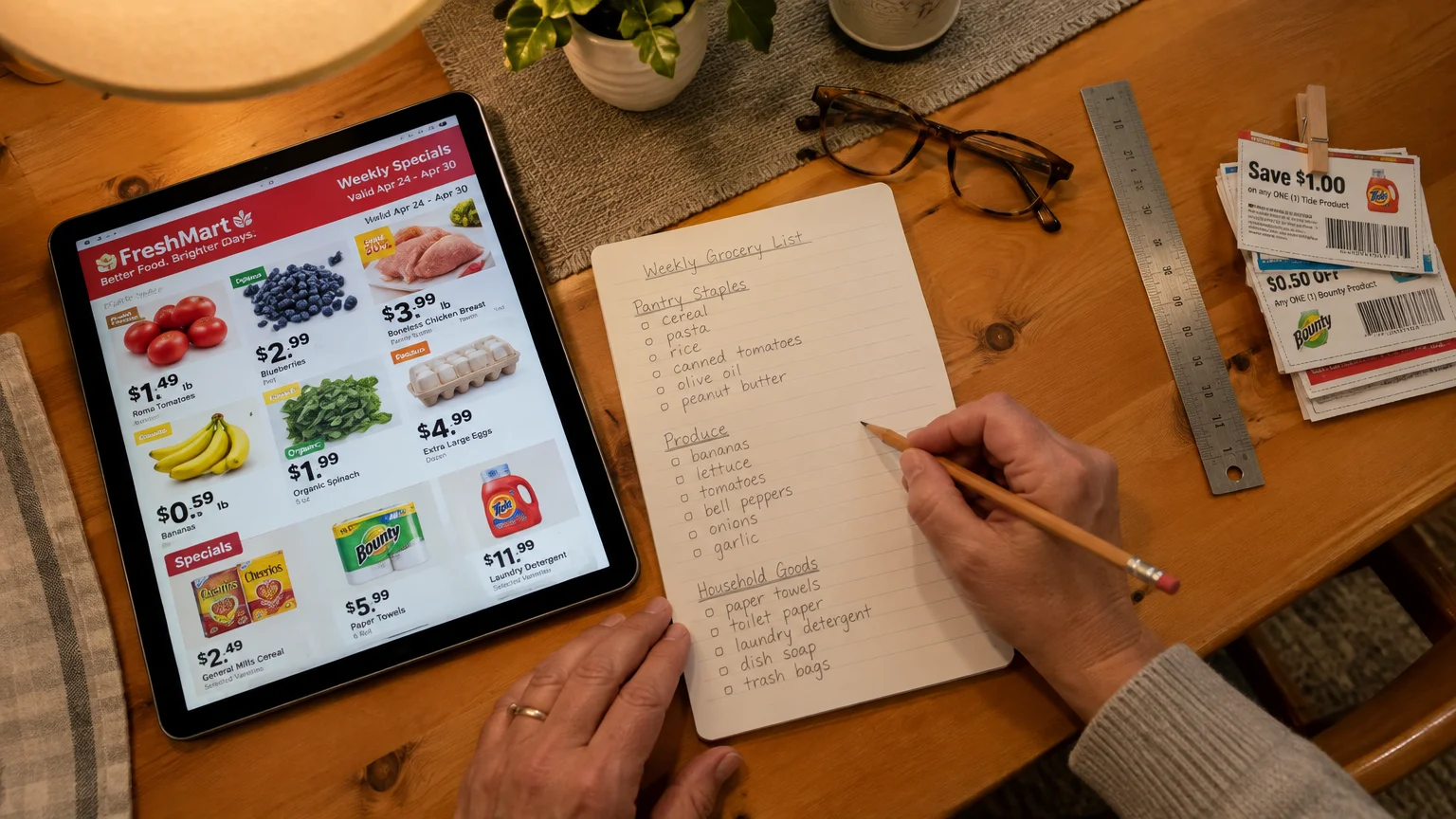
Developing deliberate purchasing habits protects your money from subtle retail tricks. Use these concrete frugal living tips to save money on everyday items immediately.
Begin by establishing clear spending categories for household expenses. Utilizing educational budgeting materials from the Consumer Financial Protection Bureau helps you construct a realistic monthly cash flow plan.
Implement a monthly pantry challenge for your household. Dedicate one full week each month to cooking exclusively from stored freezer items and canned pantry goods.
Introduce low-cost plant proteins like lentils, chickpeas, and black beans into your dinner rotation. Swapping meat for legumes just twice a week slashes grocery costs without sacrificing nutrition.
Collect and review your register receipts for thirty consecutive days. Highlighting discretionary markups provides immediate clarity on where your dollars actually vanish.
“A budget is telling your money where to go instead of wondering where it went.” — John C. Maxwell
Track your ongoing food spending against your local grocery circulars. Aligning weekly menus with prevailing promotional cycles maximizes the purchasing power of every paycheck.
Invest in airtight food storage containers to prolong the shelf life of fresh produce and bulk pantry grains. Keeping food fresh directly protects your bottom line against spoilage.
Frequently Asked Questions
How can I verify whether buying in bulk is actually cheaper?
Locate the unit cost printed on the shelf tag, which breaks down the price per ounce, pound, or count. Compare this exact figure directly against smaller package sizes.
Buying in bulk only saves money if the unit cost is genuinely lower and your household consumes the entire container before it expires.
Are store-brand household cleaning supplies just as effective as brand-name cleaners?
Yes, generic cleaning products utilize the exact same chemical disinfectants and surfactants as expensive national brands. Diluted bleach, white vinegar, and standard dish soaps clean surfaces with identical efficiency.
Check the active ingredient concentration on the back label to verify product parity before buying.
What is the most effective way to eliminate fresh produce waste?
Schedule your weekly menu around shelf life. Prepare delicate leafy greens and fresh berries within the first three days following your grocery run.
Reserve sturdy produce like carrots, cabbage, winter squash, and root vegetables for meals scheduled later in the week.
How much should a single working adult budget for monthly groceries?
Based on USDA food plan estimates, a single adult should budget between $250 and $350 monthly for groceries. Spending over $450 typically signals heavy reliance on pre-cut produce, prepared meals, or premium brand names.
Take Control of Your Everyday Spending
Paying too much for everyday essentials is not inevitable; it is merely the consequence of convenience packaging, marketing tricks, and passive shopping habits. You can immediately redirect hundreds of dollars back toward your emergency savings or retirement accounts by auditing your shopping patterns.
Choose one strategy today—whether that means comparing unit prices, purchasing generic pantry staples, or meal planning to eliminate food waste. Small, consistent adjustments will insulate your household budget against rising retail costs.
This article is for informational purposes only and does not constitute financial, legal, or tax advice. Rates, benefit amounts, and tax rules change regularly—verify current details with the relevant agency or a licensed professional.
Last updated: February 2026. Rates, benefit amounts, and tax rules change—always verify current details at official sources.