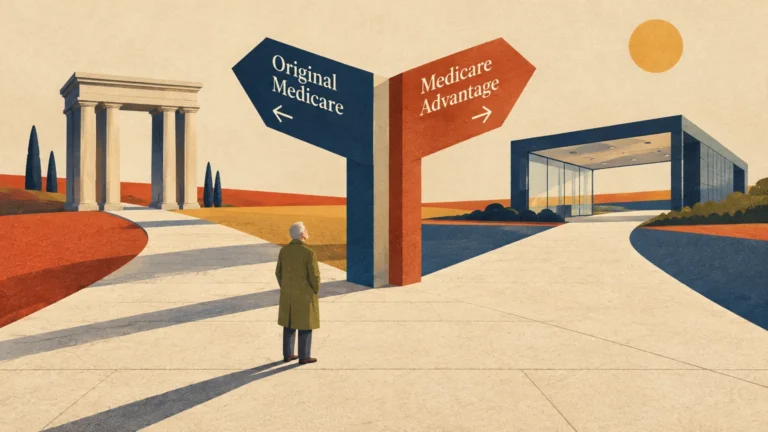
You can build a comfortable retirement even if your investment accounts sit near zero. Moving your household to an affordable region lets an average monthly Social Security check cover your housing, food, and healthcare without financial stress.
The average monthly benefit reached approximately $2,095 by late 2026, creating an annual budget of roughly $25,000 per person. That baseline goes remarkably far when you eliminate state income taxes and choose communities with low property valuations.
Stretching limited income requires choosing locations where utility bills, rent, and daily essentials stay low. Strategic relocation protects your independence and keeps your monthly expenses safely below your benefit deposits.

Understanding Social Security Revenue in 2026 and 2027
Living on a fixed income begins with knowing the exact dollars deposited into your account each month. While national benefit averages rise over time, monthly cash flow dictates where you can afford to reside.
Following a 2.8 percent cost-of-living adjustment at the start of 2026, the baseline average retirement check rose to roughly $2,095 monthly. This generates an annual gross income of approximately $25,000 for a single retired worker.
For retired couples where both partners earned full career credits, combined benefits reach roughly $50,000 per year. That combined sum easily sustains an independent household in regions with affordable living costs.
Retirees relying on Supplemental Security Income receive lower statutory benefit maximums. In 2026, the federal maximum monthly payment stands at $994 for an individual and $1,491 for an eligible couple.
On October 14, 2026, the Social Security Administration officially announced a 3.6 percent cost-of-living adjustment for 2027. This change takes effect with payments issued in January 2027.
The 2027 increase raises the average retired worker benefit by approximately $75, lifting monthly payments to roughly $2,170. Supplemental Security Income caps will rise to $1,029 for individuals and $1,544 for couples.
While these cost-of-living increases protect against grocery and consumer inflation, mandatory deductions reduce the actual cash hitting your bank account. Understanding these deductions is critical before planning your post-work budget.
Factoring in Medicare Premiums and Healthcare Caps
Your take-home Social Security deposit is smaller than your gross earnings statement shows. The federal government automatically withholds Medicare Part B premiums directly from your monthly benefit payment.
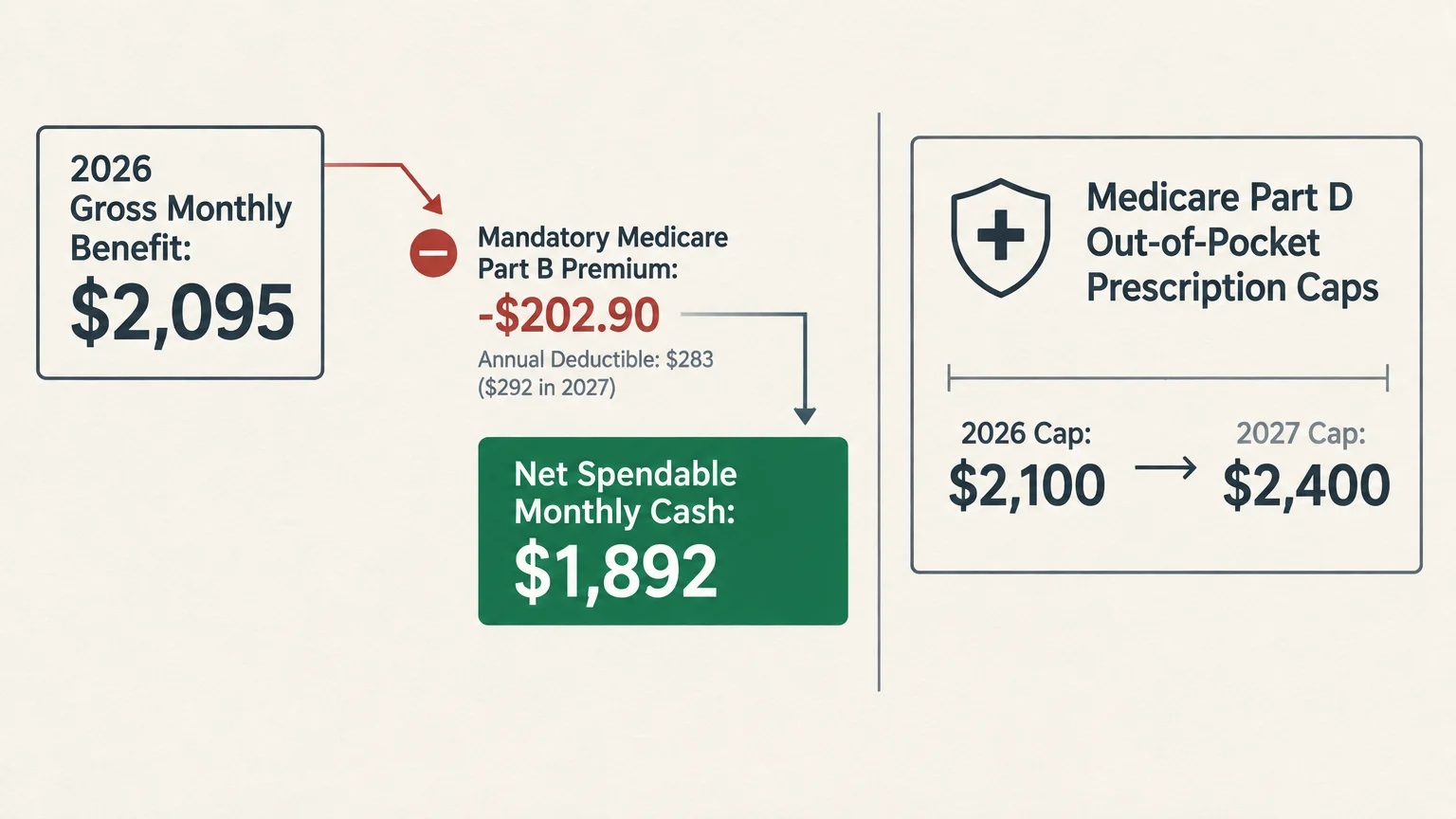
For 2026, the standard monthly Medicare Part B premium is $202.90, paired with an annual deductible of $283. This automatic deduction reduces an average $2,095 gross benefit check to approximately $1,892 in spendable cash.
Projections from the 2026 Medicare Trustees Report indicate the standard Part B premium will climb to $209.50 monthly in 2027. That scheduled $6.60 monthly hike absorbs a portion of your upcoming cost-of-living raise.
In addition, the Medicare Part B deductible is projected to reach $292 at the start of 2027. Tracking these mandatory medical fees prevents sudden shortfalls when calculating your net annual disposable income.
Medication costs also represent a major expense for older Americans managing chronic medical conditions. Thankfully, federal protections now cap annual out-of-pocket prescription medication spending under Medicare Part D.
According to official guidelines at Medicare.gov, the Part D annual out-of-pocket spending limit is $2,100 in 2026. This federal cap will rise to $2,400 for the 2027 plan year.
Capping prescription costs shields seniors with low savings from catastrophic medical debt. Once you understand your net medical expenses, you can direct your remaining dollars toward affordable regional housing.

Maximizing Benefits with State and Federal Tax Shields
State income taxes can quickly erode a modest retirement budget if you settle in a high-tax state. Selecting a jurisdiction that shields retirement income keeps more cash in your monthly budget.
Currently, 42 states and Washington, D.C. completely exempt Social Security retirement benefits from state taxation. West Virginia officially joined this group on January 1, 2026, concluding its phased repeal of benefit taxes.
Only eight states continue taxing Social Security benefits in 2026. These remaining holdout states are Colorado, Connecticut, Minnesota, Montana, New Mexico, Rhode Island, Utah, and Vermont.
Most of these eight states offer income exemptions for lower earners, but they still complicate annual state filings. Choosing an exempt state eliminates state tax paperwork and safeguards your primary income stream.
Nine states provide broader tax relief by levying no individual state income tax whatsoever. These states include Alaska, Florida, Nevada, New Hampshire, South Dakota, Tennessee, Texas, Washington, and Wyoming.
Living in a zero-income-tax state ensures that secondary retirement income remains untouched. Any modest distributions from 401(k) accounts, traditional IRAs, or part-time wages avoid state tax withholding entirely.
Federal taxation rules have also shifted in favor of low- and middle-income seniors. Historically, combined provisional income over $25,000 for singles or $32,000 for couples triggered federal benefit taxation.
The One Big Beautiful Bill Act, enacted in July 2025, introduced temporary tax relief active through 2028. Seniors aged 65 and older can claim a bonus tax deduction of $6,000 per individual or $12,000 for couples.
This senior bonus deduction phases out only when modified adjusted gross income exceeds $75,000 for single filers. Under IRS rules, this deduction effectively frees most Social Security recipients from federal income taxes.
Maintaining control over your spending ensures these tax protections deliver lasting peace of mind. Keeping overhead low is the most effective way to preserve your financial dignity.
“Financial peace isn’t the acquisition of stuff. It’s learning to live on less than you make.”
Decatur, Illinois: Unmatched Housing Affordability
Housing represents the single largest expenditure in any household budget. Decatur, Illinois stands out as one of the most affordable cities for retirees seeking low home acquisition costs.
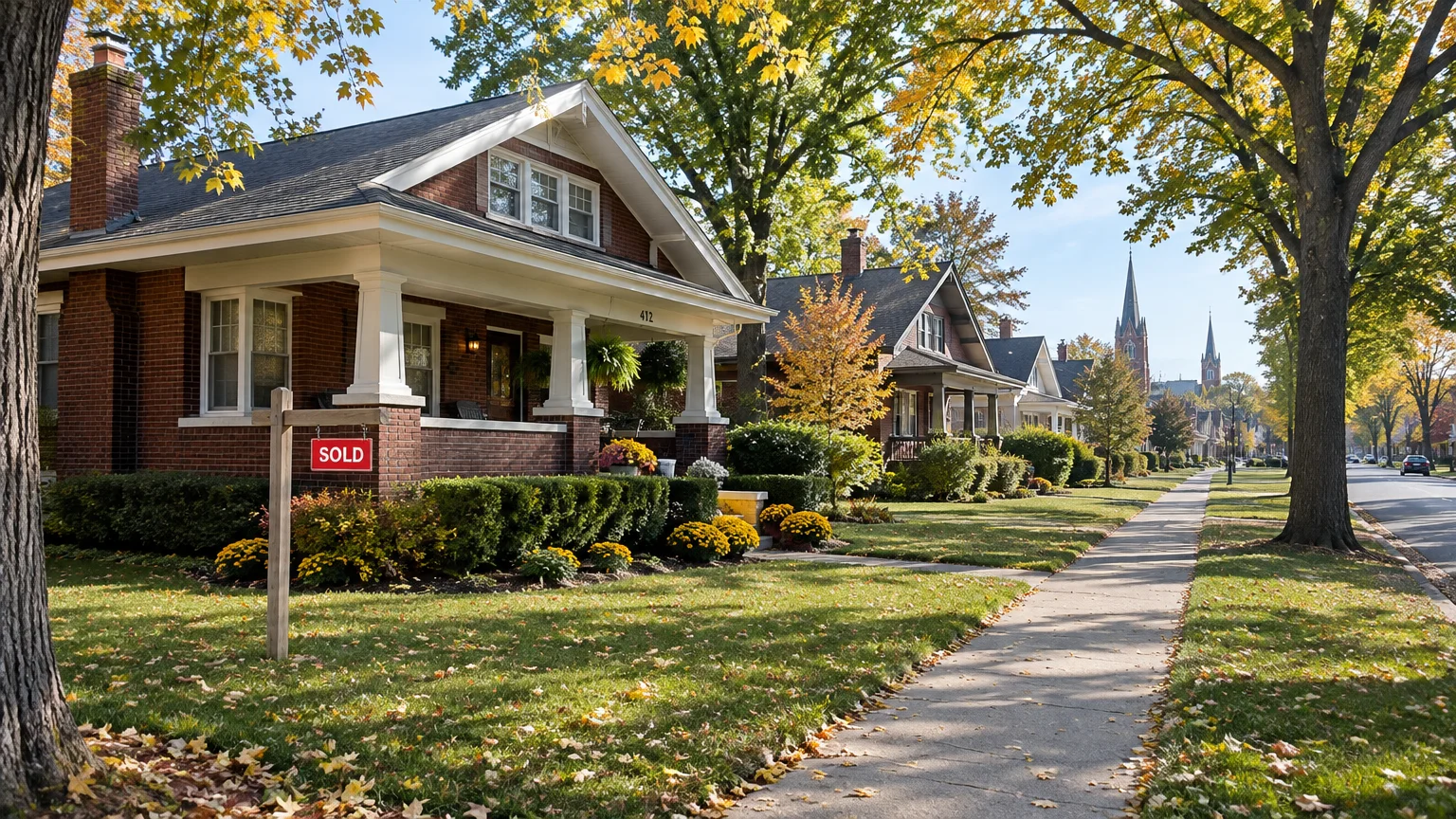
According to 2026 municipal rankings, Decatur features a median single-family home value of approximately $89,855. This compares favorably against the national median home sales price of $409,000 reported in 2026.
Overall living costs in Decatur sit ten percent below the national average. Low housing prices allow retirees with minimal equity from previous homes to purchase a residence without taking on mortgage debt.
Illinois does not tax retirement distributions, which provides significant protection for fixed-income residents. Social Security benefits, public pensions, 401(k) withdrawals, and traditional IRA distributions are all completely exempt from Illinois state income taxes.
Decatur features scenic lakeside parks, accessible community health clinics, and convenient retail corridors. The compact municipal layout reduces vehicle miles and fuel expenses for routine weekly errands.
You must account for Illinois property tax rates, which sit higher than national norms. Senior homeowners should file immediately for local homestead exemptions to lock in property tax freezes and lower assessments.
If you rent rather than buy, local apartment rates remain well below national urban medians. An average Social Security check of $2,095 comfortably covers local rent, utilities, and grocery bills.

Pittsburgh, Pennsylvania: Big-City Infrastructure on a Fixed Budget
Retiring on a modest budget does not require relocating to an isolated rural outpost. Pittsburgh ranks as the most affordable major metropolitan area in 2026, offering big-city infrastructure at accessible prices.
The median home price in Pittsburgh sits at $250,000, nearly $160,000 below the national baseline. This reasonable entry point enables pre-retirees to downsize into manageable townhomes or single-level properties.
Pennsylvania offers exceptional tax policies for retirees living on modest savings. The Commonwealth does not tax Social Security retirement benefits or distributions from qualified pensions, 401(k) accounts, and IRAs.
Healthcare access is a standout strength for Pittsburgh residents managing ongoing medical needs. The region features world-class medical hospital networks with extensive specialist care facilities that accept standard Medicare coverage.
Public transit in Allegheny County is extensive and reliable. Pennsylvania dedicates state lottery proceeds to fund free public bus and light-rail transit for residents aged 65 and older.
Taking advantage of free transit allows many Pittsburgh seniors to sell their vehicles entirely. Eliminating car payments, auto insurance, and repair costs frees up hundreds of dollars each month.
Winter weather brings freezing temperatures and heavy snow, which elevates seasonal natural gas bills. Budgeting ahead for winter heating ensures steady household expenses throughout the entire year.

Midland, Michigan: High Community Engagement and Balanced Living
Midland achieved the number one overall position in 2026 national evaluations for premier retirement destinations. The city earned top marks by pairing affordable housing with exceptional healthcare and community amenities.
Residential real estate in Midland remains remarkably accessible compared to national pricing. Neighborhoods feature single-story homes and low-maintenance condominiums built with accessibility features ideal for aging in place.
Michigan completely exempts Social Security benefits from state income taxation. Recent state legislation also expanded retirement income deductions for seniors drawing from modest private savings or pensions.
Midland maintains world-class public botanical gardens, miles of paved walking trails, and modern civic facilities. The local community center offers specialized senior exercise classes, preventive health screenings, and vibrant social clubs.
Regional healthcare infrastructure in Midland connects directly to major hospital systems with comprehensive gerontology departments. Routine appointments and specialized outpatient procedures rarely require long travel times or traffic delays.
Daily living costs for groceries, utility services, and home maintenance stay below regional averages. Retirees can maintain an active, engaged lifestyle without stretching their monthly benefit checks.
Harsh Midwestern winters require adequate home weatherization and reliable snow removal services. However, affordable municipal utilities and low housing costs make Midland an exceptionally stable choice for fixed-income living.

Green Valley, Arizona: Affordable Warmth for Sunbelt Retirees
Warm-weather retirement often carries exorbitant price tags in traditional hubs like coastal Florida and southern California. Green Valley offers an attractive desert climate at a fraction of coastal costs.
Highlighted on 2026 national lists for budget-conscious seniors, Green Valley features a median home price of $282,000. That figure sits roughly $127,000 below the national median home price.
Green Valley is an age-restricted enclave established specifically for older adults and retirees. The community provides dozens of neighborhood recreation centers equipped with heated pools, fitness facilities, and craft workshops.
Residents access these comprehensive amenities through a modest annual community fee. This communal arrangement replaces private health club memberships and expensive recreational entertainment expenses.
Arizona does not tax Social Security retirement benefits, protecting your baseline income from state reductions. In addition, residential property taxes throughout Pima County remain manageable for modest home values.
Desert summers bring sustained high temperatures that increase household air conditioning expenses. Installing energy-efficient window coverings and budgeting higher utility reserves during July and August prevents financial strain.
Green Valley sits just twenty miles south of Tucson, providing rapid access to major medical centers and airports. This location offers desert living without sacrificing proximity to specialized healthcare.

Oklahoma Enclaves: Low Living Costs in Enid, Edmond, and Norman
Oklahoma communities consistently earn top ratings for low everyday living expenses. Cities like Enid, Edmond, and Norman offer median residential home values ranging between $143,000 and $200,000.
Enid offers peaceful small-town living alongside some of the lowest rental rates in the South. Retirees renting two-bedroom apartments in Enid spend a fraction of national median rents.
Edmond and Norman sit within the Oklahoma City metropolitan region, combining suburban neighborhoods with rapid medical access. Norman hosts the state university, giving seniors access to free libraries, cultural performances, and botanical arboretums.
Oklahoma exempts all Social Security retirement benefits from state income taxation. Daily costs for groceries, vehicle repairs, and routine home services remain well below national averages.
Property taxes in Oklahoma run significantly lower than in northern and coastal states. Low property tax assessments keep annual homeowner holding costs manageable on a single monthly check.
Severe spring weather and convective storms require adequate homeowners insurance and storm-shelter accessibility. Choosing a home with a built-in storm shelter provides physical safety and financial security during storm season.
The local cost advantage allows an average $2,095 check to cover rent, vehicle operation, and emergency savings. Oklahoma communities prove that modest savings need not compromise daily comfort.

Iowa Metros: High Stability in Des Moines, Cedar Rapids, and Davenport
Iowa has established itself as an attractive haven for retirees seeking affordability and strong community services. Regional hubs like Des Moines, Cedar Rapids, and Davenport rank among the most affordable metros nationwide.
Cost-of-living indexes in these Iowa metropolitan areas run between ten and thirty percent below the national average. Low consumer prices allow fixed benefits to cover standard groceries and household goods easily.
Iowa enacted complete state income tax exemptions for all retirement income, including Social Security, pensions, and retirement account withdrawals. This total tax exemption makes Iowa exceptionally attractive for retirees with low savings.
Des Moines features extensive paved greenways, a flourishing downtown library system, and nationally accredited healthcare centers. Cedar Rapids and Davenport offer historic neighborhood architecture alongside low-cost municipal utility services.
Public library systems throughout Iowa host regular computer workshops, financial planning seminars, and community events for older adults. Engaging in these free public programs enriches daily life without depleting your retirement checking account.
Cold winter weather requires well-insulated residences and efficient heating equipment. However, the absence of state retirement taxes and low home prices more than compensate for seasonal heating expenses.
Careful budgeting transforms these affordable Midwestern metros into secure long-term retirement homes. Knowing where your dollars go each month ensures you maintain total control over your lifestyle.
“A budget is telling your money where to go instead of wondering where it went.” — John C. Maxwell
Comparing Monthly Expenses Across Affordable Hubs
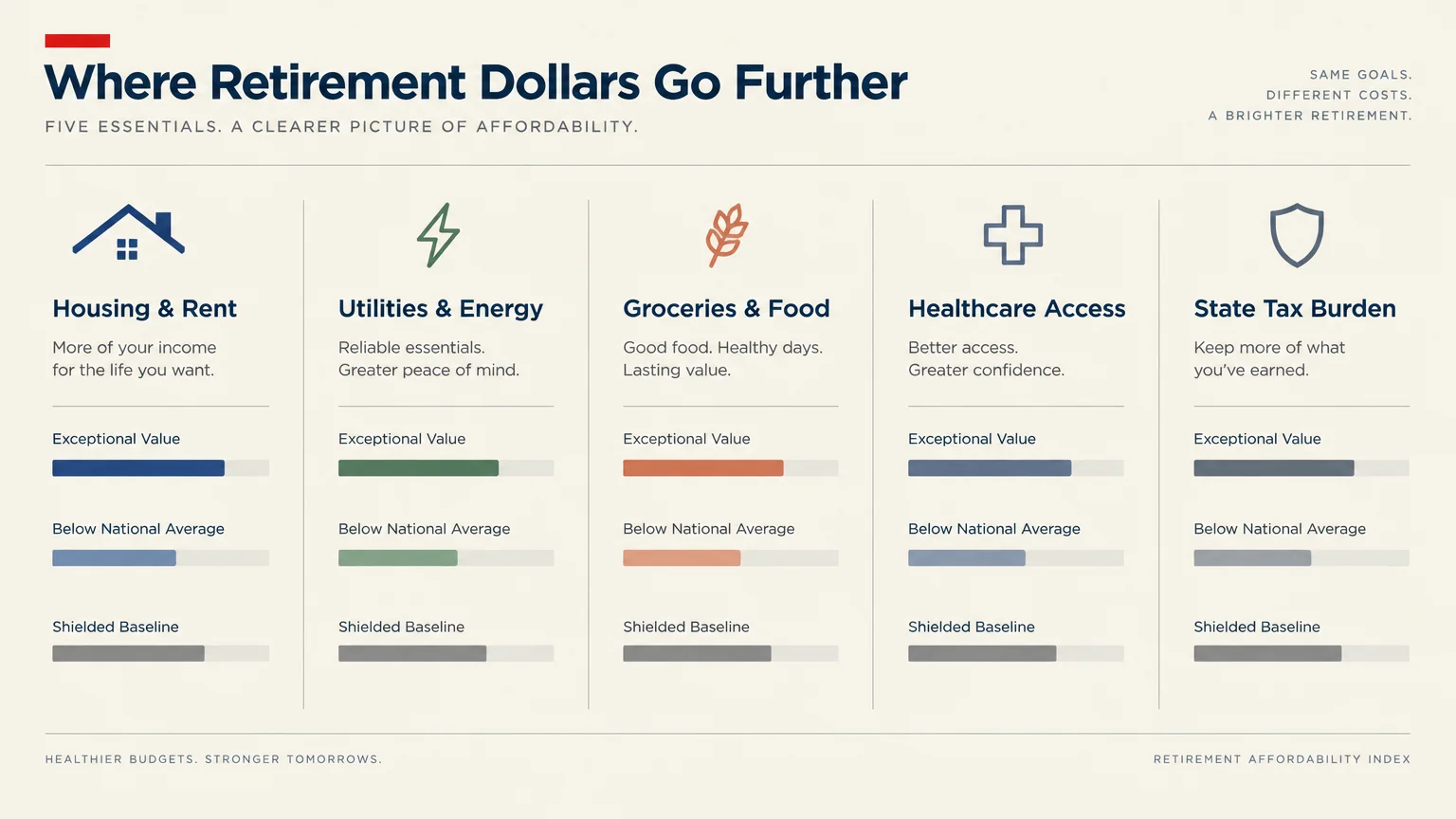
Selecting the best destination requires evaluating home prices, state tax codes, and overall cost-of-living indexes. Reviewing these figures side by side helps clarify which community matches your unique retirement budget.
| Metro Area | Median Home Price | Cost of Living vs. Baseline | State Tax on Social Security | Key Financial Advantage |
|---|---|---|---|---|
| Decatur, Illinois | ~$89,855 | 10% Below National Average | No State Tax | Lowest residential purchase prices nationwide |
| Pittsburgh, Pennsylvania | $250,000 | At or Below Average | No State Tax | Major hospital network and free senior public transit |
| Midland, Michigan | ~$230,000 | 8% Below National Average | No State Tax | Top-ranked civic amenities, walking trails, and parks |
| Green Valley, Arizona | $282,000 | 5% Below National Average | No State Tax | Affordable sunbelt recreation and warm desert winters |
| Enid, Oklahoma | ~$143,000 | 18% Below National Average | No State Tax | Exceptional apartment rental affordability and low taxes |
| Des Moines, Iowa | ~$215,000 | 12% Below National Average | No State Tax | Zero state tax on all retirement income sources |
Every community highlighted in this comparison shields your Social Security income from state taxes. Relocating to areas with home values below $250,000 prevents housing expenses from consuming more than thirty percent of your benefits.
Prioritizing areas with cost-of-living indexes well below the national baseline protects against unexpected inflation. This pricing cushion keeps your emergency fund intact when minor home or automotive repairs arise.

Supplementing Social Security Through Part-Time Work
If an average monthly benefit leaves your budget tight, part-time employment provides useful supplemental cash. Many retirees work flexible hours to fund recreational travel, hobbies, or emergency reserves.
Retirees claiming benefits before reaching full retirement age must monitor federal earnings test limits. Earning above the annual statutory limit triggers temporary benefit withholding by the government.
In 2026, the annual earnings test limit is $24,480 for workers under full retirement age. The Social Security Administration withholds $1 in benefits for every $2 earned above that threshold.
The earnings limit expands to $25,560 starting in January 2027. This increase allows early retirees to earn additional wages without triggering temporary benefit withholding.
Once you reach full retirement age, the earnings limitation rule terminates completely. You can earn an unlimited wage without seeing any reduction in your monthly Social Security check.
Benefit withholding under the earnings test is not a permanent financial penalty. When you reach full retirement age, the administration recalculates your monthly benefit upward to account for withheld funds.
Part-time employment in low-cost communities often provides sufficient supplemental cash to eliminate financial worry entirely. Even fifteen hours of weekly work can substantially increase your disposable income.

Practical Downsizing and Relocation Logistics
Moving across state lines on a modest budget requires deliberate logistical planning. Reducing household clutter before hiring movers cuts transportation costs and simplifies moving into smaller residences.
Sell unnecessary furniture, secondary vehicles, and stored belongings through local classifieds or estate sales. Using proceeds from estate sales can offset packing supplies, moving trucks, and initial utility deposits.
Consider renting an apartment or manufactured home for six months before committing to a permanent real estate purchase. Renting first allows you to experience seasonal weather patterns, traffic flows, and local medical facilities.
Manufactured homes in dedicated land-lease communities offer an accessible route to single-level living. However, you must carefully investigate monthly lot-rent fees and historical lease increases before signing contracts.
Coordinate directly with your banking institution to establish electronic benefit deposits in your new location. Updating your official address with federal agencies prevents delayed mailings or disrupted benefit schedules.
A smooth physical transition prevents unnecessary out-of-pocket expenses during your initial relocation months. Establishing local routines quickly helps you adapt to your new financial environment.
Costly Mistakes to Avoid
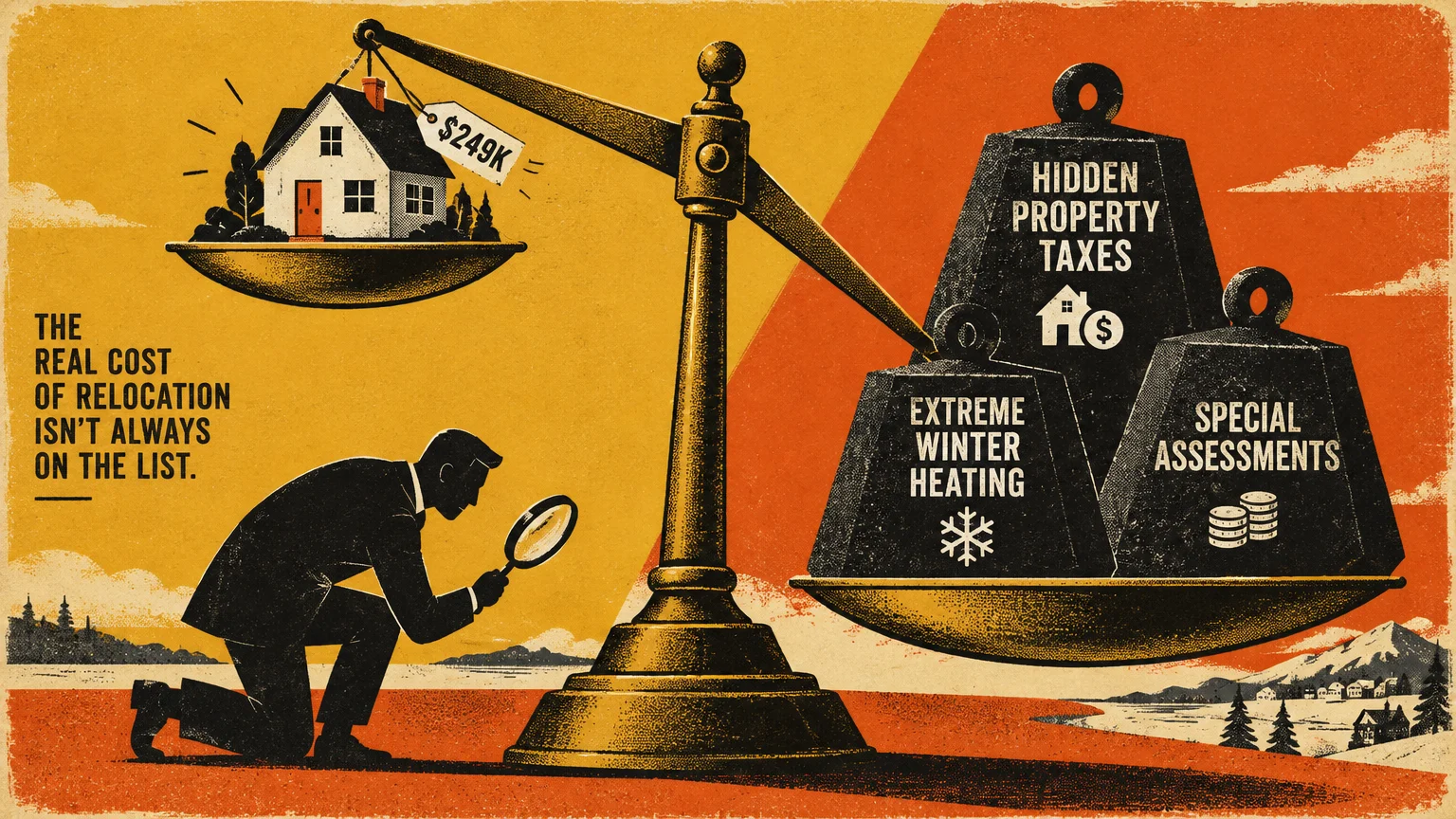
Moving to stretch a small retirement check requires avoiding traps that quickly erase anticipated savings. Many retirees focus entirely on cheap listing prices while ignoring downstream recurring costs.
Review these critical financial pitfalls before committing to a long-distance relocation:
- Purchasing an inexpensive home without checking local property tax rates and upcoming municipal bond assessments.
- Moving into a remote town that lacks nearby hospitals and healthcare providers accepting standard Medicare.
- Failing to factor automatic Medicare Part B and Part D premium deductions into your net monthly budget.
- Relocating permanently without renting first to test winter weather, summer heat, and neighborhood conditions.
- Buying into an older homeowners association community facing massive deferred maintenance costs and special assessments.
Bargain homes often hide expensive structural defects, outdated electrical wiring, or aging roof systems. A single major heating failure can wipe out the savings gained from a lower purchase price.
Always invest in a comprehensive home inspection from an independent, licensed inspector before closing on property. Requesting recent utility statements from sellers helps you estimate realistic ongoing operational costs.

Don’t DIY These Decisions
Managing a retirement funded primarily by Social Security involves strict legal and tax rules. Working with qualified professionals protects your savings from costly errors and preserves your eligibility for assistance.
Consult a housing counselor approved by the Department of Housing and Urban Development before entering real estate agreements. Access certified guidance through HUD Housing Counseling to evaluate lease commitments or mortgage affordability.
Contact a local State Health Insurance Assistance Program advisor to review regional Medicare options. These independent specialists help verify whether local physicians and pharmacies participate in your specific Medicare plans.
Consult a certified public accountant or licensed tax professional when relocating across state lines. A tax professional ensures you claim local property tax relief and take advantage of new federal senior deductions.
If you receive Supplemental Security Income or Medicaid, consult a benefits counselor before moving. Moving across state lines can alter supplemental benefit amounts, asset limits, and healthcare coverage rules.
Professional advice prevents missteps that could disrupt your monthly income or compromise your medical coverage. Getting reliable guidance early ensures a secure financial transition.
Frequently Asked Questions About Retiring on Social Security
Can you retire comfortably on Social Security alone?
Yes, you can retire comfortably on Social Security alone by relocating to regions with low housing costs and minimal taxes. Choosing affordable communities in the Midwest or South allows an average benefit to cover living essentials.
What states do not tax Social Security retirement benefits?
In 2026, 42 states and Washington, D.C. completely exempt Social Security benefits from state income taxation. Only eight states continue taxing benefits under certain income thresholds: Colorado, Connecticut, Minnesota, Montana, New Mexico, Rhode Island, Utah, and Vermont.
How much does Medicare Part B reduce my monthly check?
In 2026, the standard Medicare Part B monthly premium of $202.90 is deducted directly from your Social Security deposit. This premium is projected to increase slightly to $209.50 per month in 2027.
How much can I earn from a part-time job while collecting benefits?
If you are younger than full retirement age, you can earn up to $24,480 in 2026 before benefits are withheld. That limit rises to $25,560 in 2027, with no earnings limits once you reach full retirement age.
Taking the Next Step Toward Financial Peace
Review your monthly bank statements today to calculate your baseline living expenses and identify unnecessary subscription charges. Selecting an affordable retirement destination early gives you control over your future and guarantees lasting independence.
Financial outcomes vary based on individual income, credit history, and circumstances. This article provides general guidance only. Consult a qualified financial planner, CPA, or consumer attorney for advice specific to your situation.
Last updated: October 2026. Rates, benefit amounts, and tax rules change—always verify current details at official sources.