Your household budget faces heavy strain, and recent polling confirms millions of Americans share your economic frustration. New national surveys show President Trump’s approval ratings have dropped to second-term lows, driven directly by steep prices on essentials.
Voters across political lines point to expensive groceries, high gasoline, and stubborn inflation as their top concerns. While political debates dominate the news, Washington’s policy shifts directly shape your interest rates, daily costs, and purchasing power.
Tracking these polling numbers reveals how economic sentiment impacts the real economy. More importantly, it highlights the defensive financial steps you should take right now to protect your household wallet.
October 2026 Poll Results: Trump Approval Ratings at a Glance
Recent national polling reveals a sharp downward trend in President Donald Trump’s job approval. Major independent pollsters published new findings in mid-October 2026, showing widespread public discontent with current governance.
The Washington Post-ABC News-Ipsos poll, conducted October 9–13, 2026, and released October 18, places Trump’s approval at 33%. A substantial 66% of Americans disapprove of his job performance, with over half expressing strong disapproval.
This 33% mark represents his lowest approval rating across his second presidential term. Independent voters and suburban households account for a substantial portion of this negative shift.
Fox News recorded similar findings in their survey conducted October 9–12, 2026. Only 36% of registered voters approve of Trump’s job performance, while 64% disapprove.
This result marks Trump’s lowest rating in Fox News polling history across both of his presidential terms. Disapproval has reached record territory even within key conservative demographics.
Approval among self-identified Republicans dropped to 76% in that Fox News survey. That figure represents a steep 12-point decline compared to September 2025.
The AP-NORC poll conducted October 8–12, 2026, corroborates this trend. Exactly 36% of participating voters approved of Trump’s overall performance, while 64% voiced disapproval.
Pew Research Center documented an even lower approval figure in their survey released October 8, 2026. Just 30% of U.S. adults approve of Trump’s performance, while 68% disapprove.
Among voters who supported Trump in the 2024 election, Pew found approval fell to 67%. That reflects a noticeable drop from 75% in July 2026 and 83% in early 2026.
The Financial Times and Focaldata poll conducted October 2–4, 2026, reached similar conclusions. Overall job approval stood at 34%, with 59% of respondents disapproving of the administration.
| Polling Organization | Survey Dates | Approve | Disapprove | Key Takeaway |
|---|---|---|---|---|
| Pew Research Center | Sept. 28–Oct. 4, 2026 | 30% | 68% | Approval among 2024 Trump voters fell to 67%. |
| Financial Times / Focaldata | Oct. 2–4, 2026 | 34% | 59% | Only 20% approve of efforts on housing costs and inflation. |
| AP-NORC | Oct. 8–12, 2026 | 36% | 64% | 79% of registered voters disapprove of cost of living handling. |
| Fox News | Oct. 9–12, 2026 | 36% | 64% | All-time low across both terms; GOP approval dropped to 76%. |
| Washington Post-ABC News-Ipsos | Oct. 9–13, 2026 | 33% | 66% | Second-term low; over half of voters strongly disapprove. |
These nonpartisan results paint an unmistakable picture of voter frustration. Across diverse polling methodologies, public satisfaction with executive governance has reached its weakest level in years.
Why Voters Disapprove: The Inflation and Cost of Living Squeeze
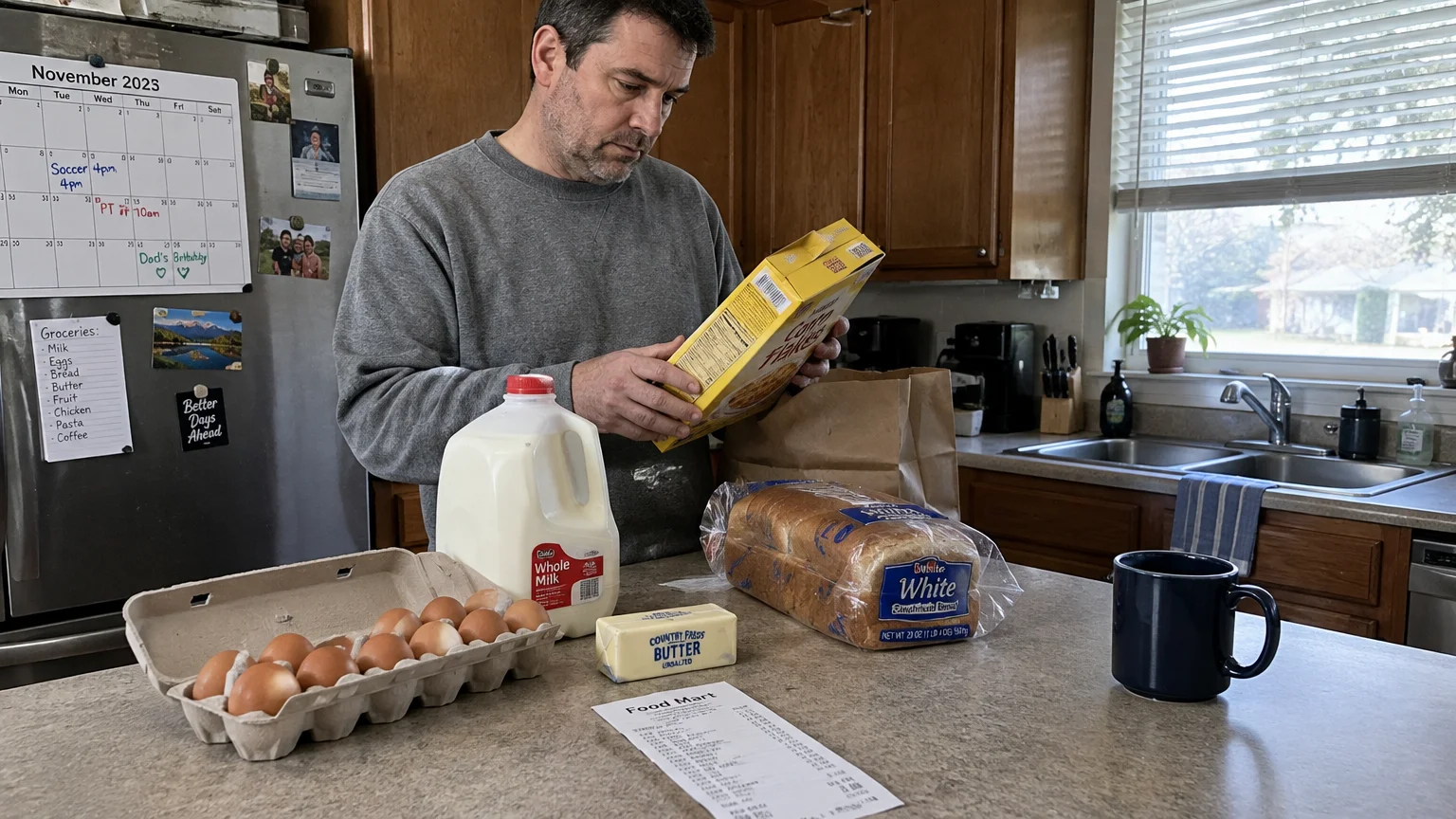
Behind the declining approval numbers sits a deep, pervasive frustration with kitchen-table economics. Everyday expenses have surged past wage growth for millions of working families.
In the Washington Post-ABC News-Ipsos poll, Trump’s economic approval rating sank to 28%. Roughly 75% of Americans disapprove of his handling of inflation and living costs.
That represents a steep retreat from earlier benchmarks. His economic approval stood at 41% in February 2026 and 33% in July 2026 before dropping to current lows.
By a 3-to-1 margin, surveyed Americans rated the current state of the economy as either not so good or poor. Families observe the reality of inflation every time they check out at retail counters.
Federal inflation data validates these public sentiments. The Bureau of Labor Statistics reported that the Consumer Price Index climbed 3.7% year-over-year in September 2026.
This represents a noticeable acceleration from 3.4% in August 2026 and 3.0% in January 2025. Consumer price pressures continue to trend in the wrong direction for household balance sheets.
Rising gasoline and clothing prices drove much of September’s consumer price acceleration. Fuel prices have spiked roughly 45% following the outbreak of military conflict with Iran.
The Guardian and Harris Poll released October 15, 2026, highlighted these exact pressure points. A striking 67% of Americans identified gas prices as a decisive issue ahead of the midterms.
An identical 67% of respondents cited grocery bills, while 60% pointed to general living costs. Healthcare expenses placed closely behind, with 52% of voters identifying medical costs as a major worry.
In the AP-NORC poll, an overwhelming 79% of voters disapproved of how the White House handles living costs. Only 44% of Republicans approved of the administration’s cost-of-living management.
An earlier AP-NORC poll revealed that 65% of adults blame White House policies, such as tariffs, more than global market factors. Voters link import duties directly to higher retail price tags.
Housing and Borrowing Costs: Mortgage Rates at 7.4%
Housing affordability represents another critical vulnerability dragging down public confidence. High benchmark borrowing costs established by the Federal Reserve continue to strain consumer credit and mortgage markets.
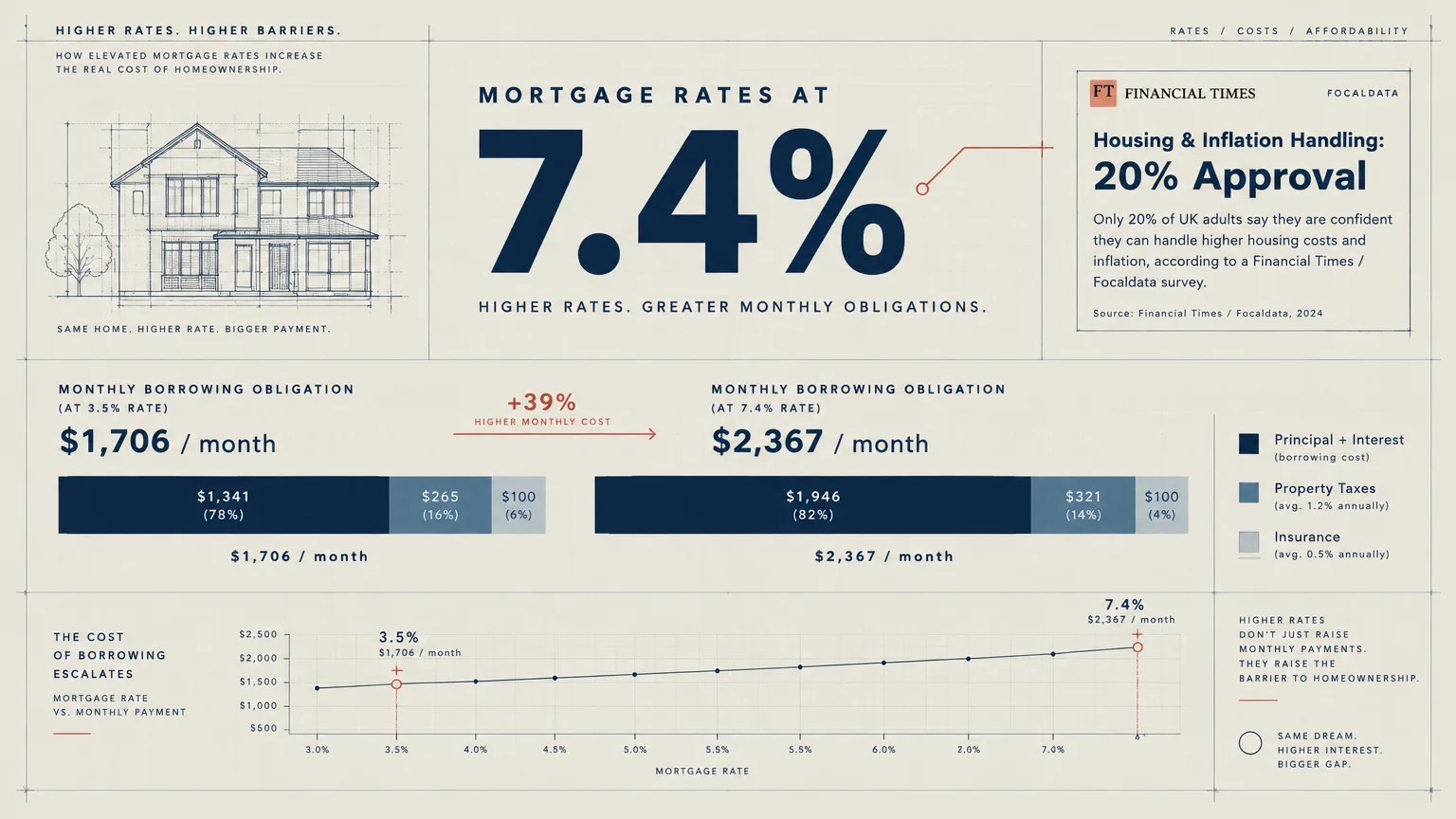
The average 30-year fixed mortgage rate climbed back to 7.4% in mid-October 2026. This resurgence has locked countless prospective homebuyers completely out of property ownership.
In the Financial Times/Focaldata poll, only 20% of respondents approved of federal efforts to curb inflation and housing costs. That tied as the single lowest rating among all evaluated issues.
Current homeowners who hold 3% or 4% mortgages face a severe lock-in effect. Moving to a new home under today’s 7.4% financing would cause monthly principal and interest payments to double.
This dynamic freezes residential inventory, preventing younger families from building home equity. At the same time, rental rates remain stubbornly high as landlords pass along steep insurance and financing overhead.
Elevated interest rates also bleed into consumer borrowing channels. Credit card rates, personal lines of credit, and auto loan financing remain near historical highs, squeezing your monthly cash flow.
If you carry variable-rate debt, aggressive repayment is the most effective defensive move you can make. Every percentage-point increase in benchmark rates diverts more cash away from your wealth-building goals.

The Labor Market and Recession Fears: Public Perception vs. Reality
Voters frequently evaluate economic health through their personal bank accounts rather than macroeconomic reports. This divergence between official statistics and voter anxiety explains the sharp drop in approval.
The Guardian/Harris Poll revealed that 75% of Americans are deeply concerned about an economic recession. Furthermore, 61% of respondents believe the United States is already inside a recession.
This belief persists even though national Gross Domestic Product figures have officially continued to expand. In that same survey, 65% of political independents asserted that economic conditions are actively deteriorating.
Bipartisan agreement on affordability strain is exceptionally strong. An astounding 96% of surveyed Republicans stated that the nation is in the grip of an affordability crisis.
Labor market indicators from September 2026 provide tangible support for public skepticism. The national economy generated just 29,000 jobs during the month, falling well below economist forecasts.
Simultaneously, the national unemployment rate rose to 4.2%. A cooling labor market reduces employee bargaining power, making substantial wage gains harder to negotiate.
When job gains falter and inflation rises to 3.7%, households feel a genuine stagflationary squeeze. Preparing for potential income disruptions should become an immediate priority for your family.
Evaluating Campaign Proposals: The $5,000 Dividend Check
High voter anxiety has elevated economic relief to the centerpiece of the November 3, 2026 midterm elections. All 435 House seats and 35 Senate seats hang in the balance.
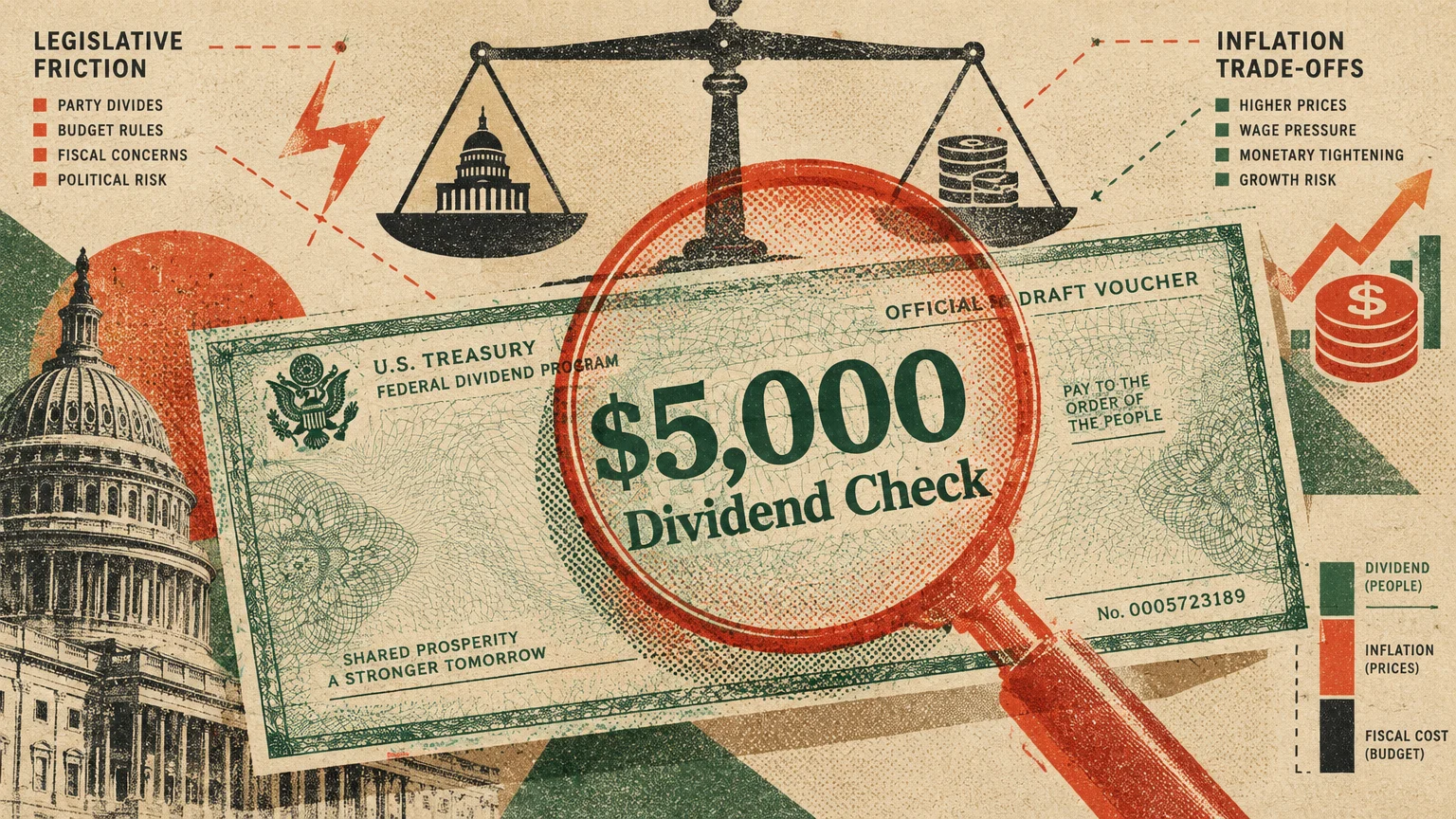
Addressing a campaign rally in Ohio, Trump proposed issuing $5,000 dividend checks to American households. The plan was presented as a reward if voters maintain Republican congressional majorities.
While the prospect of a $5,000 payment attracts attention, you cannot afford to base your financial plans on campaign promises. Enacting direct payments requires legislative approval through both congressional chambers.
Fiscal experts point out that distributing trillions of dollars in universal dividends would dramatically inflate federal debt. It could also fuel additional consumer demand, counteracting efforts to tame 3.7% inflation.
Relying on promised government aid is a dangerous household strategy. You must manage your finances based on verified income and reliable resources rather than political campaign speeches.

Defensive Household Budgeting in a High-Cost Environment
When political leaders debate economic policy, your most powerful protection is personal financial discipline. Taking proactive control of your monthly spending prevents inflation from eroding your family’s savings.
“A budget is telling your money where to go instead of wondering where it went.” — John C. Maxwell
Establishing an active budget gives every earned dollar a defined purpose. Without explicit cash tracking, subtle price hikes across groceries and utilities will quietly exhaust your reserves.
Begin with a granular audit of your last three months of banking statements. Identifying recurring monthly subscriptions, forgotten memberships, and unneeded digital services creates immediate financial breathing room.
Use trusted consumer resources on USA.gov Money and Taxes to access practical spending planners and financial worksheets. Establishing clear expense categories simplifies your monthly budgeting routines.
Target grocery expenses directly, since 67% of voters identify food prices as their largest budget headache. Menu planning, buying nonperishable staples in bulk, and choosing generic store brands cut grocery totals substantially.
Address surging gasoline expenses by combining vehicle trips and planning driving routes efficiently. Minimizing discretionary driving combats the 45% jump in fuel costs caused by ongoing foreign conflicts.
Review your household insurance coverage annually across property, auto, and medical policies. Shopping competitive quotes often uncovers identical policy protections at significantly lower premium rates.
- Audit bank and credit card statements quarterly to eliminate unused subscriptions.
- Compare home and auto insurance rates across multiple carriers every twelve months.
- Plan weekly meals around supermarket sales to counteract elevated grocery bills.
- Combine multiple driving errands into single trips to conserve expensive fuel.
- Adjust home thermostats by two degrees to reduce seasonal utility consumption.
These practical adjustments do not require drastic lifestyle sacrifices. Instead, they optimize your daily expenditures so you retain more money for essential living expenses.
Strategic Cash Management and Debt Elimination Strategies
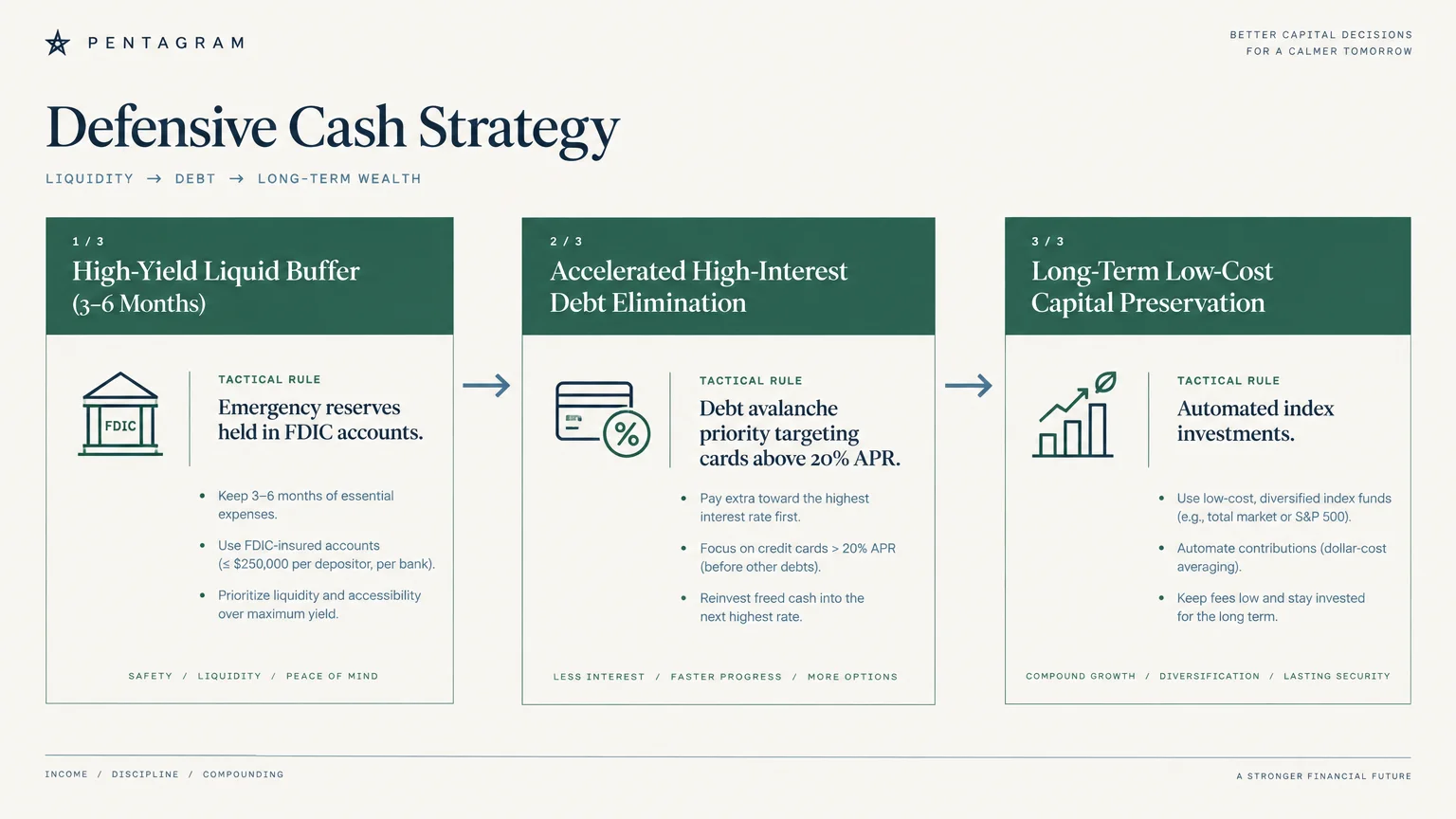
Managing your money during periods of elevated borrowing rates requires a dual-track strategy. You must maximize returns on your cash while aggressively eliminating high-cost liabilities.
“Do not save what is left after spending, but spend what is left after saving.” — Warren Buffett
Prioritizing savings before discretionary spending ensures that inflation does not starve your long-term goals. Automated transfers into dedicated savings accounts create steady wealth accumulation even amid economic volatility.
Keep your emergency reserves in high-yield savings accounts or short-term Treasury bills. Traditional brick-and-mortar savings accounts pay negligible interest, letting 3.7% inflation steadily diminish your money’s real value.
At the same time, confront high-interest revolving credit card debt without delay. Paying 20% to 28% interest on credit card balances negates any yield earned in high-interest savings vehicles.
Consult official borrower tools on the Consumer Financial Protection Bureau website. Their guides offer clear frameworks for disputing billing errors and managing aggressive collection agencies.
Implement the debt avalanche method by channeling all extra payments toward your highest-interest balance. Mathematically, eliminating your most expensive debt first saves the greatest amount of cash over time.
Avoid borrowing against your primary residence to clear unsecured debt. Converting credit card debt into a home equity loan puts your house at risk if unforeseen income shocks occur.
Common Money Traps to Avoid During Economic Volatility
Economic anxiety often leads households into reactionary decisions that damage long-term financial security. Being aware of these pitfalls keeps you on a steady path toward financial independence.
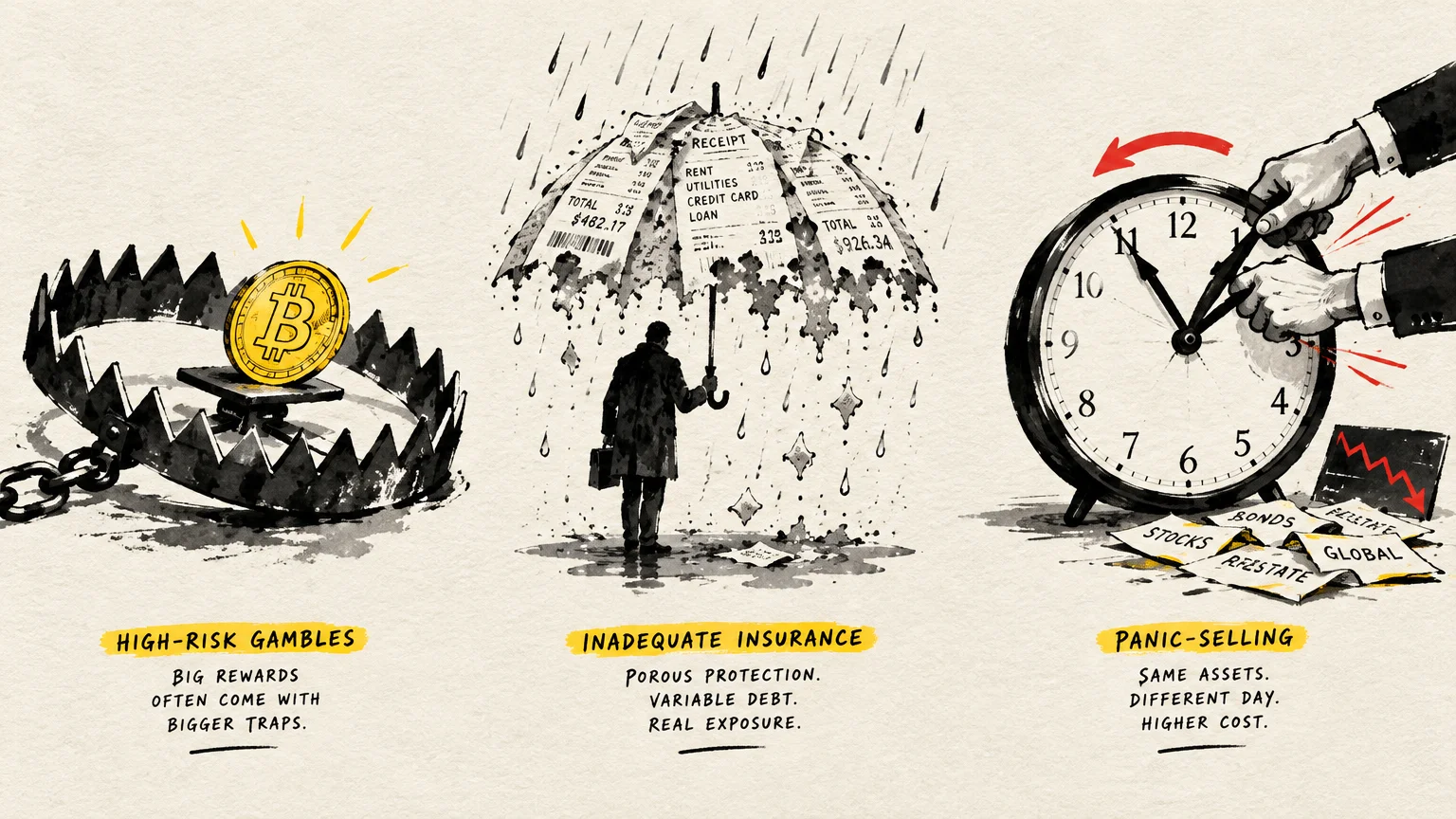
The first dangerous trap is pausing retirement plan contributions to free up immediate spending cash. Halting 401(k) contributions sacrifices employer matching dollars and decades of valuable compound earnings.
A second major error is turning to high-fee payday loans or payroll advance apps during shortfalls. These short-term financing products carry triple-digit annualized interest rates that trap borrowers in persistent debt.
Many consumers also fall into the trap of hoarding large cash balances in standard checking accounts. Leaving cash uninvested guarantees a steady loss of purchasing power in an inflationary climate.
Another critical mistake is postponing debt payments in anticipation of political relief programs. Speculative promises, such as proposed $5,000 dividend checks, rarely materialize on predictable timelines.
Finally, avoid panic-selling long-term market investments whenever negative polling or economic headlines break. Historically, emotional portfolio changes lock in temporary losses and miss powerful market recoveries.

When to Consult a Professional
Managing your household finances can become complex when inflation, tax changes, and shifting interest rates intersect. Enlisting qualified professional assistance helps you make informed, confident financial decisions.
Consider hiring a Certified Public Accountant (CPA) if federal tariff adjustments or changing business deductions impact your tax liability. A skilled CPA optimizes your deductions while ensuring complete regulatory compliance.
If you need comprehensive investment or retirement planning, seek out a fee-only fiduciary financial advisor. Fee-only professionals do not earn commissions, ensuring their advice remains aligned with your personal interests.
For homeowners struggling with mortgage payments at 7.4% rates, consult a HUD-approved housing counselor. These specialized counselors offer free or low-cost budgeting strategies and foreclosure prevention support.
If you encounter unlawful debt collection practices or credit bureau errors, consult a licensed consumer attorney. An attorney can help enforce statutory protections under federal consumer lending statutes.
Frequently Asked Questions About the Newest Poll Results and Your Money
Why are President Trump’s approval ratings falling in the latest October 2026 polls?
Major surveys from Pew, Fox News, AP-NORC, and the Washington Post place Trump’s approval between 30% and 36%. Voters overwhelmingly cite high grocery prices, steep gasoline costs, and persistent inflation as the primary reasons.
Between 74% and 79% of surveyed voters disapprove of his administration’s handling of the cost of living. Widespread dissatisfaction with pocketbook expenses has driven his approval to second-term lows.
What is the current inflation rate in late 2026, and what causes it?
The Bureau of Labor Statistics reported that the Consumer Price Index rose 3.7% year-over-year in September 2026. This marks an increase from 3.4% in August and 3.0% in early 2025.
Rising gasoline costs, which jumped roughly 45% due to conflict with Iran, serve as the primary inflation catalyst. Higher clothing costs and persistent transportation expenses have also added upward price pressure.
Are Americans going to receive a $5,000 dividend check?
President Trump proposed distributing $5,000 dividend checks during an Ohio campaign rally ahead of the midterms. However, this proposal is strictly a campaign idea and has not been passed into law.
Implementing such payments would require formal approval and funding from both chambers of Congress. You should never adjust your current household budget around speculative political proposals.
How can I protect my household from 7.4% mortgage interest rates?
If you already hold a mortgage with a lower rate, avoid refinancing or taking out high-interest home equity loans. Keeping low-cost financing intact preserves your monthly cash flow.
If you are planning to purchase a home, boost your down payment savings and aggressively improve your credit score. Higher down payments reduce the principal borrowed under current 7.4% terms.
Next Steps for Your Personal Balance Sheet
The latest polling figures demonstrate widespread economic anxiety, but national headlines do not dictate your family’s financial security. Taking disciplined ownership of your budget, cash reserves, and liabilities provides genuine protection.
Audit your spending habits, build emergency cash, and pay down variable debts to insulate your household against higher prices. Practical action today will always outperform waiting on future political solutions.
Financial outcomes vary based on individual income, credit history, and circumstances; this article provides general guidance only. Consult a qualified financial planner, CPA, or consumer attorney for advice specific to your situation.
Last updated: October 2026. Rates, benefit amounts, and tax rules change—always verify current details at official sources.