
You do not need millions in savings to enjoy life near the shoreline. Renting an apartment or cottage near scenic water costs far less than buying coastal real estate in today’s housing market.
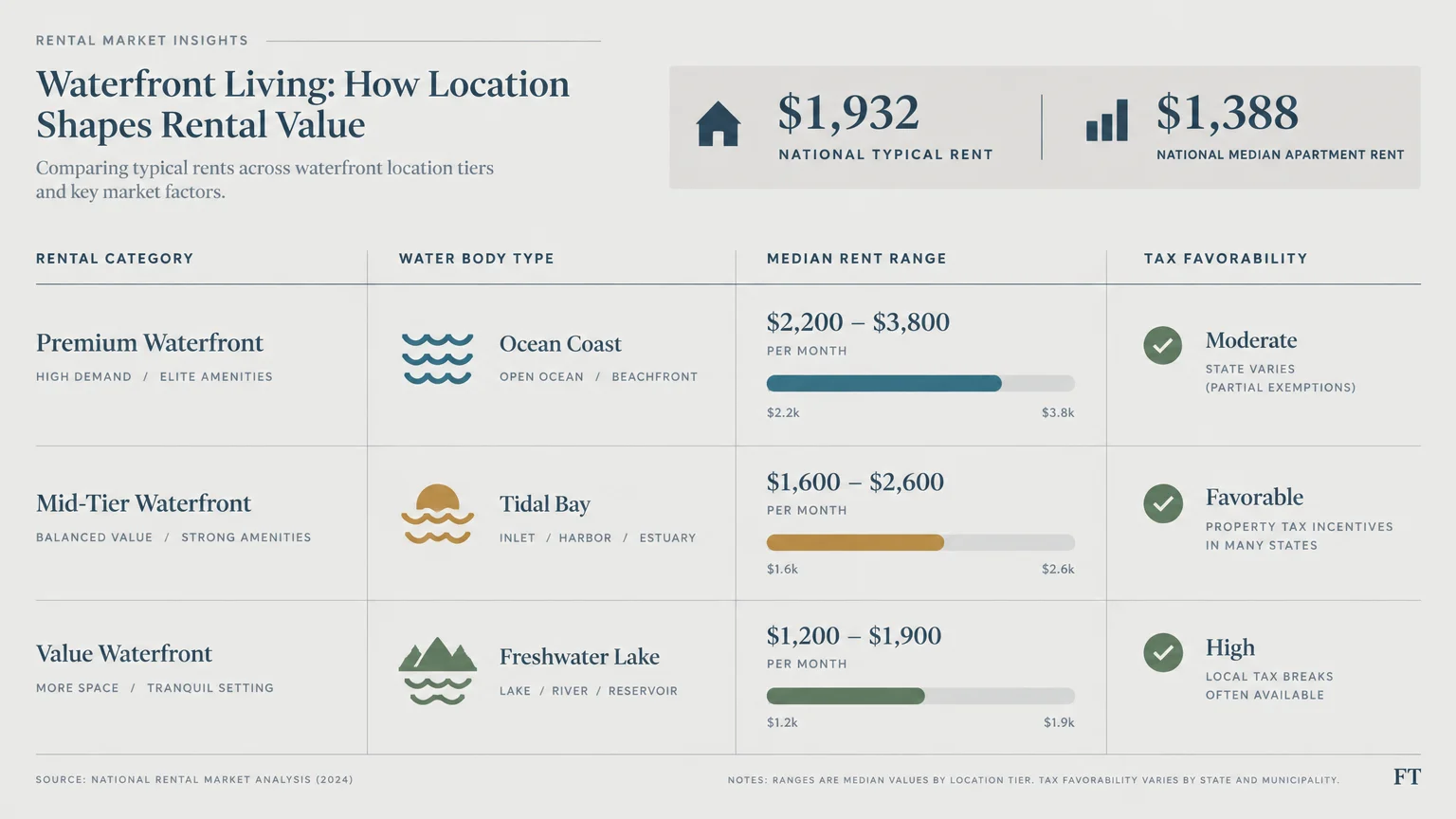
While the national typical rent sits at $1,932 per month, several charming waterfront communities offer homes well below that benchmark. Choosing affordable rentals near water protects your fixed nest egg while delivering the waterfront lifestyle you earned.
By looking past overcrowded resort towns, you can find quiet coastal spots and freshwater havens that respect your monthly budget. Here are nine standout American cities where retirees can comfortably rent by the beach, bay, or lake.
The Financial Advantage of Renting Near Water
Buying a waterfront home has become extraordinarily expensive for retirees living on fixed incomes. Between elevated mortgage rates above 6.5% and steep home prices averaging $366,157 nationwide, buying drains financial resources rapidly.
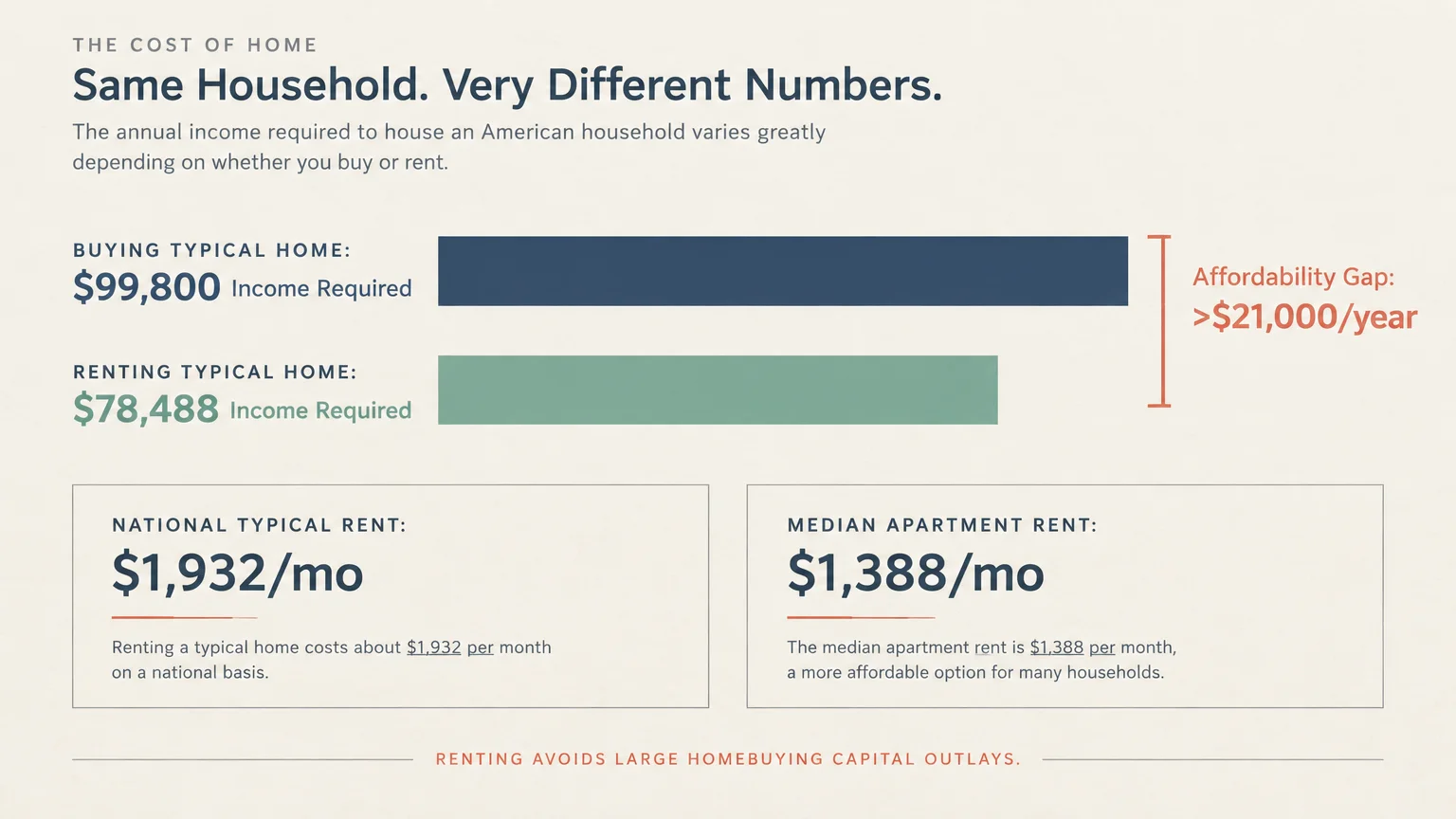
According to Zillow, comfortably buying a typical home requires nearly $99,800 in annual household income. In contrast, you need $78,488 to afford a typical rental, creating a massive affordability gap exceeding $21,000 every year.
Coastal homeowners also face skyrocketing hazard insurance premiums and surging flood insurance rates. When you rent, the landlord absorbs structural repair costs, windstorm insurance, and property tax reassessments.
For retirees prioritizing apartments, national pricing looks even more attractive. While typical rentals across all property types average $1,932 per month, the national median apartment rent sits at just $1,388 per month.
You can also take advantage of shifting market dynamics in multifamily housing. Following a multi-year apartment construction surge, roughly 39.8% of rental listings on Zillow now offer move-in concessions.
These concessions frequently include multiple weeks of free rent, complimentary parking, or waived administrative fees. Landlords compete for stable tenants, placing responsible retirees in an exceptional negotiating position.
“A budget is telling your money where to go instead of wondering where it went.” — John C. Maxwell
By renting, you preserve capital inside your investment accounts rather than tying your wealth up in illiquid property. That liquidity gives you flexibility if your health or personal preferences change later.
How State Taxes Impact Your Waterfront Retirement Budget
Your base rental payment tells only half the financial story when relocating. State tax policies determine how much of your monthly retirement check stays in your pocket.
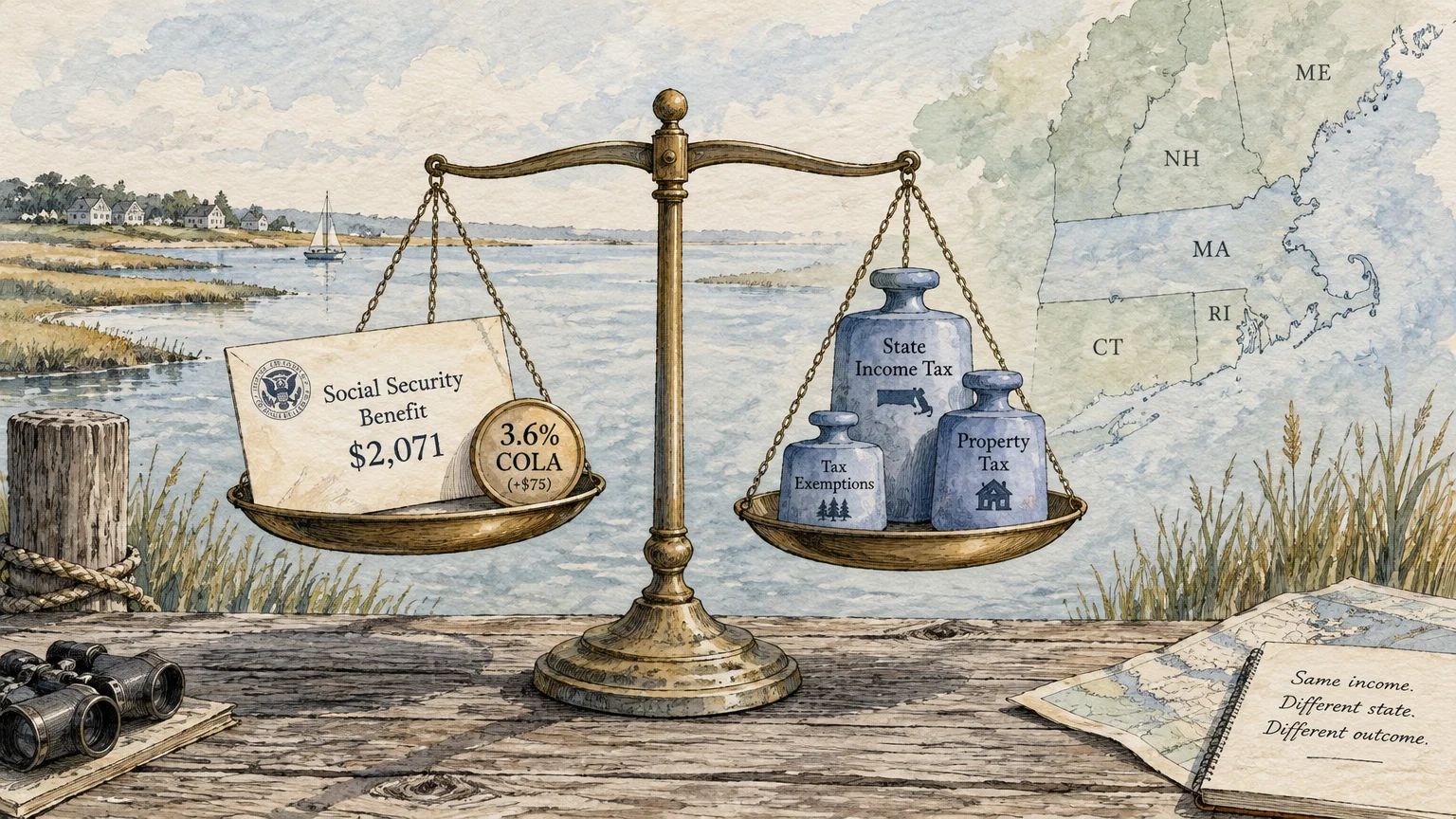
The average Social Security retirement benefit started the year at $2,071 per month for individual retired workers. An aged couple where both receive monthly benefits collects an average of $3,208.
A planned 3.6% Cost-of-Living Adjustment (COLA) will soon boost the average individual worker’s benefit by roughly $75 each month. You can view official updates directly through the Social Security Administration.
State tax rules determine whether you surrender a portion of those monthly checks to local tax authorities. Today, 42 states plus Washington, D.C., exempt Social Security benefits entirely from state income taxes.
Only eight states still tax some portion of Social Security: Colorado, Connecticut, Minnesota, Montana, New Mexico, Rhode Island, Utah, and Vermont. Avoiding these eight states stretches your monthly rental budget further.
Nine states charge zero state income tax on any income, including pensions and retirement withdrawals: Alaska, Florida, Nevada, New Hampshire, South Dakota, Tennessee, Texas, Washington, and Wyoming.
Other states provide targeted protections that rival no-tax states. For instance, Mississippi completely exempts qualified retirement income, including pensions, 401(k) plans, and IRAs, once you meet distribution guidelines.
At the federal level, middle-income retirees benefit from the temporary $6,000 bonus senior deduction under the One Big Beautiful Bill Act through 2028. Review official guidelines through the IRS Retirement Plans portal to calculate your exact net income.
9 Affordable Waterfront Cities for Retiree Renters
These nine cities offer verified average rents below the $1,932 national typical rental benchmark. Each destination features distinct water bodies, practical retiree infrastructure, and compelling tax advantages.
1. Toledo, Ohio
Toledo sits along the western tip of Lake Erie and borders the scenic Maumee River. The city delivers one of the lowest living costs in the nation for waterfront rentals for retirees.
The overall average rental rate in Toledo sits at $1,065 per month across all property types. Modest one-bedroom apartments and senior-friendly flats frequently list for well under $900 per month.
Retirees enjoy direct access to the Maumee Bay State Park, which offers freshwater boardwalks, birding marshes, and public boat slips. The National Museum of the Great Lakes anchors the downtown riverfront promenade.
Ohio completely exempts Social Security benefits from state income taxation. The state also provides senior property tax credits and retirement income credits that indirectly support community services without inflating local prices.
Healthcare access remains strong through the ProMedica health network and the University of Toledo Medical Center. Toledo gives budget-conscious retirees authentic Great Lakes living at hundreds below national market rates.
2. Green Bay, Wisconsin
Green Bay rests on the southern tip of its namesake bay, providing sheltered access to Lake Michigan’s vast waters. The city blends Midwestern hospitality with vibrant, accessible shorelines.
The average rental rate across all property categories is $1,095 per month. Waterfront and riverfront apartments along the Fox River remain remarkably affordable compared to communities further south on Lake Michigan.
You can walk along the CityDeck, a multi-tiered public boardwalk running through downtown Green Bay with direct riverfront seating. Bay Beach Wildlife Sanctuary provides 600 acres of protected wetlands and freshwater trails.
Wisconsin does not tax Social Security retirement benefits, allowing you to maximize your federal income checks. The state also features low overall sales taxes compared to many southern coastal retirement hubs.
Retirees benefit from high-performing regional medical systems, including Bellin Health and Aurora BayCare Medical Center. The local cost of living consistently sits well below the national median.
3. Racine, Wisconsin
Racine sits on the western shore of Lake Michigan, situated conveniently between Milwaukee and Chicago. MoveBuddha recognized the city in its national rankings of affordable beach towns.
The overall average rent in Racine sits at $1,200 per month across all residential property types. Traditional apartment complexes often rent between $700 and $1,000 per month, offering dramatic savings.
Racine’s North Beach spans 50 acres of clean, groomed freshwater sand along Lake Michigan. It regularly earns certified Blue Wave beach status for water cleanliness and environmental management.
Because Wisconsin excludes Social Security benefits from state income tax, your baseline retirement funds stay untouched by state revenue collectors. You can enjoy classic beach town amenities without paying seaside luxury premiums.
Ascension All Saints Hospital provides comprehensive regional medical care and cardiology services close to the lakeshore. Racine represents one of the premier cheap lakefront rentals markets in the Midwest.
4. Muskegon, Michigan
Muskegon sits on Michigan’s western coast, tucked between Muskegon Lake and the open blue waters of Lake Michigan. This unique geography provides inland sailing and deep-water coastal access in a single town.
The average asking rent in Muskegon currently stands at $1,300 per month, falling $95 year-over-year. This downward price trend offers excellent leverage when signing new residential leases.
Pere Marquette Beach features 27 acres of pristine public sand, historic lighthouses, and waterfront dining. Inland Muskegon Lake provides calm waters for pontoon boating, kayaking, and freshwater fishing.
Michigan does not tax Social Security benefits, keeping tax burdens light for retirees relying primarily on statutory checks. The state has also implemented expanded deductions for private retirement distributions.
Trinity Health Muskegon operates a modern hospital facility downtown, providing specialized geriatric and emergency services. Muskegon delivers an authentic maritime lifestyle at roughly two-thirds of the typical national rental cost.
5. Hot Springs, Arkansas
Hot Springs provides an idyllic freshwater mountain retreat centered around Lake Hamilton and Lake Catherine. It represents an exceptional alternative for retirees who prefer calm lake waters over ocean surf.
The average rent across all properties in Hot Springs is $1,300 per month, dropping $100 year-over-year. Lakefront condominiums and garden apartments often include private boat slips or dock access at reasonable rates.
Lake Hamilton spans over 7,000 acres, offering pontoon cruising, bass fishing, and scenic waterfront dining along Central Avenue. Hot Springs National Park frames the city, giving residents access to historic thermal bathhouses.
Arkansas exempts 100% of Social Security retirement benefits from state income taxes. The state also provides an exemption for up to $6,000 of qualified traditional retirement plan distributions.
CHI St. Vincent and National Park Medical Center supply advanced clinical care and specialty cardiology clinics. Hot Springs remains a top choice for retirees seeking affordable rentals near water surrounded by forested hills.
6. Port Arthur, Texas
Port Arthur borders Sabine Lake and sits just minutes from the warm waters of the open Gulf of Mexico. It offers a subtropical coastal lifestyle for retirees seeking affordable coastal rentals seniors can manage easily.
The average rental rate across all housing types in Port Arthur is $1,350 per month. Independent living apartments and duplexes often list well below this regional figure.
Pleasure Island provides an 18-mile man-made paradise in Sabine Lake with public parks, sailing marinas, and premier redfish fishing piers. Nearby Sea Rim State Park offers miles of untouched Gulf Coast beaches.
Texas levies no state personal income tax, meaning your Social Security checks, pension payouts, and IRA withdrawals arrive 100% tax-free at the state level. You keep every dollar you pull from savings to pay your rent.
The Medical Center of Southeast Texas provides local inpatient and specialty services. Port Arthur delivers warm coastal winters and extraordinary saltwater angling without Florida-style price tags.
7. Mobile, Alabama
Mobile rests along Mobile Bay and connects directly to the Gulf Coast via Dauphin Island. It blends deep southern history with extensive saltwater access and an extraordinarily gentle climate.
The average monthly rent across all property types in Mobile is $1,450 per month. That rate sits nearly $500 below the typical national rental average of $1,932 per month.
Mobile Bay offers coastal breezes, historic waterfront parks, and fresh seafood markets along the causeway. Dauphin Island is only a short drive south, featuring public white-sand beaches and bird sanctuaries.
Alabama exempts Social Security benefits completely from state taxation. Furthermore, Alabama is one of the few states that entirely exempts traditional defined-benefit pensions from state income tax.
USA Health and Infirmary Health provide tertiary medical care, comprehensive cancer treatments, and teaching hospital facilities. Mobile combines waterfront beauty, cultural warmth, and substantial tax exemptions for retirees.
8. Biloxi, Mississippi
Biloxi curves along the Mississippi Sound, protected by barrier islands that keep its coastal waters calm and inviting. The city provides a true resort atmosphere at accessible residential pricing.
Average rent across all property types in Biloxi is $1,600 per month, matching neighboring Gulfport. Apartment complexes set slightly back from the beachfront highway frequently lease for $1,100 to $1,350 per month.
Biloxi features white-sand beaches, public piers, and ferry access to pristine Ship Island inside Gulf Islands National Seashore. The area hosts bustling coastal entertainment venues, fresh shrimp harbors, and walkable harbor districts.
Mississippi offers one of the most generous retirement tax codes in the country. The state completely exempts Social Security benefits, 401(k) withdrawals, IRA distributions, and pension income for eligible retirees.
Singing River Health System and the Biloxi VA Medical Center provide comprehensive clinical resources for senior residents. Biloxi lets you rent by the beach while maintaining strong financial security.
9. Daytona Beach, Florida
Daytona Beach represents one of the final affordable coastal enclaves along Florida’s Atlantic shoreline. It features expansive oceanfront access alongside the protected waters of the Halifax River.
The average asking rent across all residential properties in Daytona Beach is $1,640 per month. That rate remains hundreds of dollars cheaper than coastal rentals in southern Florida counties.
Daytona Beach is famous for its 23 miles of hard-packed Atlantic sands where you can walk, cycle, and watch morning sunrises. The Halifax River provides calm waters for kayaking, paddleboarding, and observing manatees.
Florida charges zero state personal income tax, shielding Social Security benefits, corporate pensions, and retirement account withdrawals. You escape state-level income filings entirely once you establish residency.
Halifax Health Medical Center serves as the primary regional medical system, featuring advanced cardiovascular, oncology, and trauma departments. Daytona Beach proves that Florida coastal living can still align with a modest budget.
Comparing Rent, Taxes, and Water Access Across All 9 Cities
Comparing your options side by side clarifies which destination balances water access, rent, and tax laws best. Review the verified financial benchmarks below.
| City & State | Water Body Type | Average Monthly Rent | State Tax on Social Security | Primary Financial Benefit |
|---|---|---|---|---|
| Toledo, OH | Lake Erie / Maumee River | $1,065 | No State Tax | Lowest overall monthly rent on the list |
| Green Bay, WI | Green Bay / Lake Michigan | $1,095 | No State Tax | Sub-$1,100 rent near protected bay waters |
| Racine, WI | Lake Michigan Shoreline | $1,200 | No State Tax | Award-winning beach at deep discounts |
| Muskegon, MI | Lake Michigan & Muskegon Lake | $1,300 | No State Tax | Rents down $95 year-over-year |
| Hot Springs, AR | Lake Hamilton & Catherine | $1,300 | No State Tax | Rents down $100 year-over-year |
| Port Arthur, TX | Sabine Lake & Gulf of Mexico | $1,350 | Zero State Income Tax | No state tax on any retirement income |
| Mobile, AL | Mobile Bay / Gulf Coast | $1,450 | No State Tax | Full exemption on pensions and benefits |
| Biloxi, MS | Mississippi Sound / Gulf Coast | $1,600 | No State Tax | Zero tax on qualified retirement income |
| Daytona Beach, FL | Atlantic Ocean / Halifax River | $1,640 | Zero State Income Tax | Sub-$1,700 oceanfront living in Florida |
Every city on this list beats the $1,932 national average for all-property rentals. Selecting the right fit depends on whether you prefer freshwater lakes, quiet bayous, or open ocean beaches.
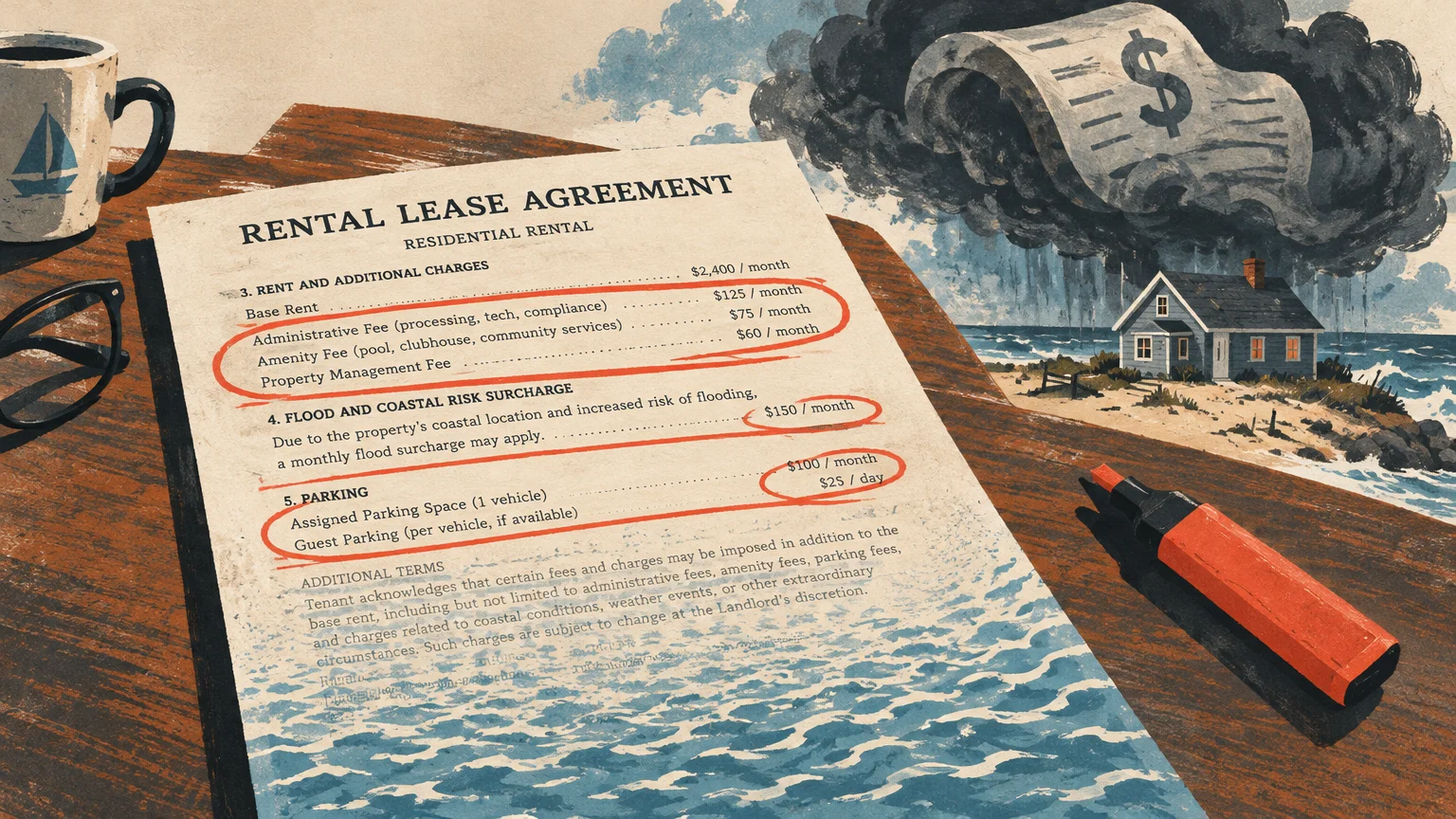
Errors That Cost Families Thousands Near the Water
Relocating to a water-adjacent community requires careful financial planning. Avoiding predictable mistakes preserves your hard-earned retirement savings.
- Skipping renter’s insurance with personal property flood riders: Standard tenant policies cover fire and theft but consistently exclude external storm surge or rising surface water. Securing an inland flood endorsement costs little but shields your furnishings.
- Signing summer leases during peak pricing: Rental prices in coastal resort towns climb during spring and summer months. Negotiating your lease during late autumn or winter locks in lower baseline rates.
- Overlooking coastal municipal utility charges: Coastal barrier islands and lake towns often levy elevated water, sewer, and trash fees to finance seasonal infrastructure. Always inspect recent utility bills before signing.
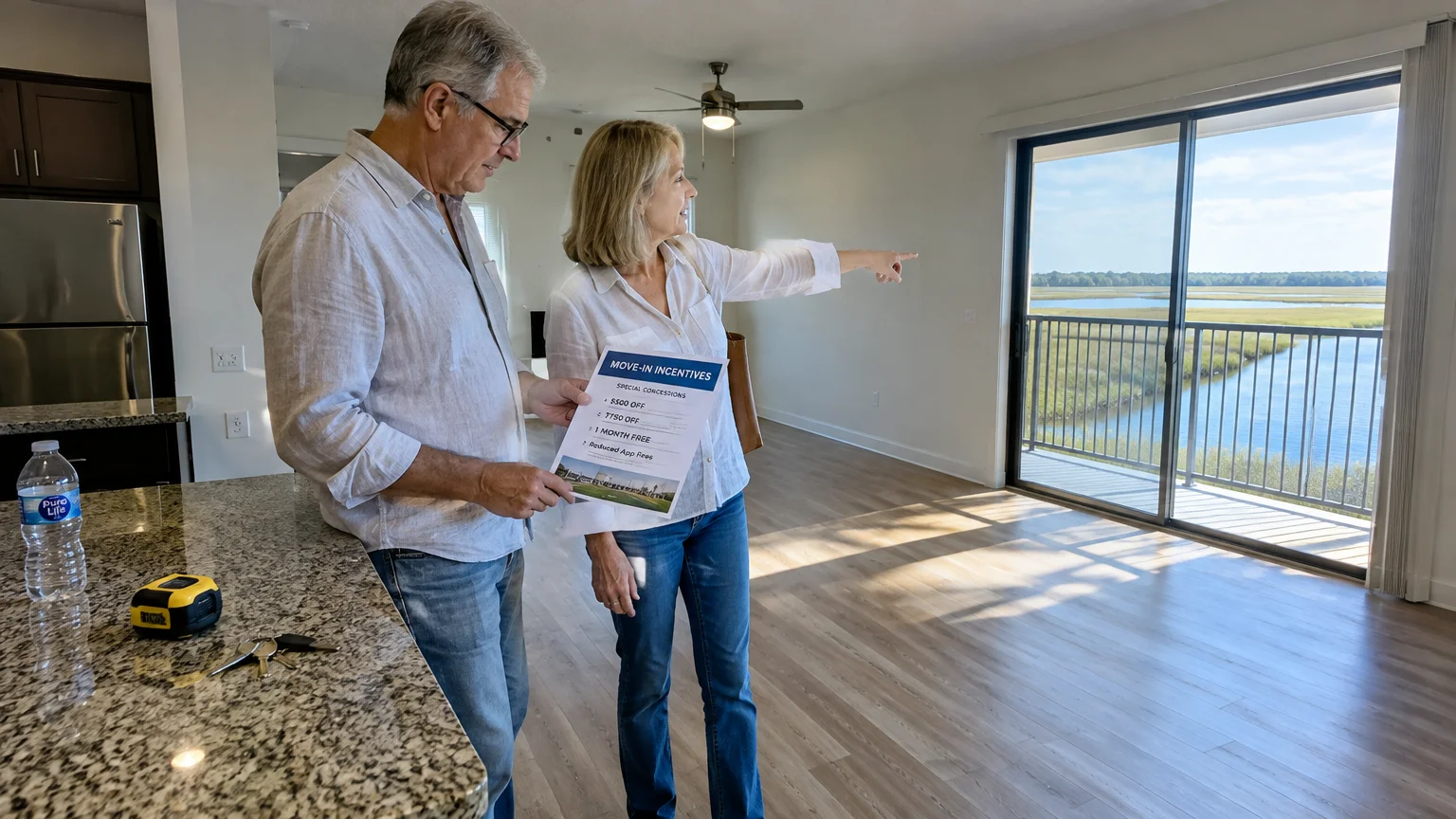
- Failing to ask for published move-in concessions: With 39.8% of landlords offering concessions nationwide, paying full price on an apartment without asking for waived fees or free rent wastes cash.
- Moving before evaluating winter weather reality: Northern lakefront towns experience freezing winds and lake-effect snowfall. Spending a week in January tests your tolerance before you commit to an annual lease.
Catching these oversights early ensures your transition remains rewarding. A quick review of local lease conditions prevents unexpected budget shocks later.
Practical Strategies to Lower Your Waterfront Rental Costs
You can employ several proven leasing tactics to secure cheaper monthly rates near water. Landlords prioritize dependable retirees who treat rental properties with care.
Start by looking one to two miles back from the immediate water frontage. A property situated five minutes inland frequently rents for 30% to 50% less than a unit sitting directly on the sand.
You can access the public beaches and boardwalks every morning while paying neighborhood rental rates. That simple geographic boundary saves thousands of dollars annually.
Always highlight your financial reliability during application screening. Landlords love retired tenants who supply proof of steady Social Security income and clean credit profiles.
“Do not save what is left after spending, but spend what is left after saving.” — Warren Buffett
Offer to sign an 18-month or 24-month lease if the landlord freezes the rental price. Landlords dread turnover costs, making them willing to offer monthly discounts in exchange for guaranteed stability.
Finally, monitor local property management websites directly rather than relying solely on national aggregator portals. Independent local owners frequently offer affordable duplexes and carriage houses that never appear on national apps.

When to Get Expert Help
Relocating across state lines introduces complex legal, financial, and tax questions. Consulting qualified professionals ensures a smooth, cost-effective transition.
If you need independent guidance on lease terms, tenant protections, or housing affordability, consult a housing counselor. You can find government-certified professionals through HUD Housing Counseling.
Work with a Certified Public Accountant (CPA) when leaving a state with an income tax to settle in a low-tax state. A CPA establishes legal domicile and prevents your former home state from claiming lingering tax liabilities.
A fee-only fiduciary financial planner helps you align monthly rental outlays with portfolio withdrawals. Fiduciary planners charge flat rates and never sell commission-based financial products.
If you encounter unfair screening practices, deceptive lease terms, or deposit disputes, consult consumer protection resources. The Consumer Financial Protection Bureau (CFPB) provides actionable guidance on consumer credit and tenant financial rights.
Frequently Asked Questions
Can you negotiate rent on waterfront apartments?
Yes, you can negotiate rent, particularly during autumn and winter months. Because nearly 40% of rental listings offer concessions, landlords frequently waive parking fees, reduce security deposits, or lower monthly rent for long-term tenants.
Does Medicare cover healthcare costs if you move to a new state?
Original Medicare (Part A and Part B) covers you nationwide with any participating doctor or hospital. However, if you use a Medicare Advantage plan, you must switch to a plan within your new county during a special enrollment period.
Are rentals near freshwater lakes cheaper than oceanfront rentals?
Freshwater rentals along the Great Lakes or southern inland reservoirs generally cost significantly less than oceanfront properties. Cities like Toledo, Green Bay, and Hot Springs deliver waterfront living at rental rates hundreds below coastal ocean communities.
Do retirees pay state taxes on Social Security benefits when moving?
In 42 states plus Washington, D.C., you will pay zero state income tax on Social Security benefits. If you relocate to states like Florida, Texas, Alabama, Mississippi, or Wisconsin, your Social Security checks remain completely untaxed at the state level.
Next Steps for Your Waterfront Retirement Move
Start your journey by selecting two or three cities from this list that match your climate preferences and lifestyle goals. Schedule an off-season visit to tour rental complexes, explore public shorelines, and check local grocery and medical access.
Review your guaranteed monthly retirement income against local asking rents to ensure housing consumes less than 30% of your gross budget. Taking methodical steps today brings your dream of living by the water within easy financial reach.
This article is for informational purposes only and does not constitute financial, legal, or tax advice. Rates, benefit amounts, and tax rules change regularly—verify current details with the relevant agency or a licensed professional.
Last updated: October 2026. Rates, benefit amounts, and tax rules change—always verify current details at official sources.